
Determining whether a Mucci car seat is safe and legally compliant for use on Singapore roads requires verifying its specific certification labels and physical features. In Singapore, any child restraint system must meet strict international safety standards recognized by the Land Transport Authority (LTA) to be considered legally compliant. While Mucci offers various car seat models, their legality and safety depend entirely on whether the specific unit you purchase carries a valid, verifiable approval sticker and fits your vehicle correctly. As a caregiver, you must perform a physical inspection of the seat’s labels and structural components before securing your child for a journey.
Ensuring your child’s safety during vehicle travel is a strict legal obligation under local traffic laws. By understanding what to look for on a Mucci car seat, you can make an informed decision that protects your child and keeps you on the right side of the law.
Singapore's Legal Requirements for Child Car Seats
Under the Road Traffic Act in Singapore, it is a mandatory requirement for anyone under the height of 1.35 meters to be properly secured using an approved child restraint appropriate for their height and weight. This law applies to all passengers traveling in private cars, private hire vehicles, and rental cars. The only exception currently exists for public taxis, where children under 1.35 meters may travel without a car seat in the rear, though safety experts strongly advise against this practice due to the inherent risks of sudden braking or collisions.
Products mentioned in this guide
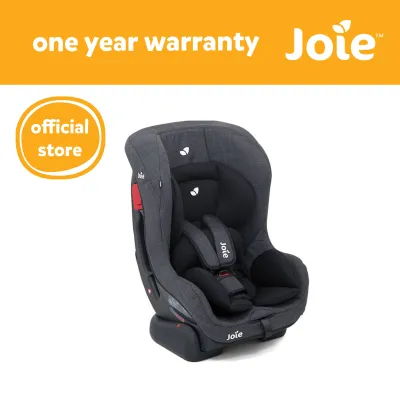
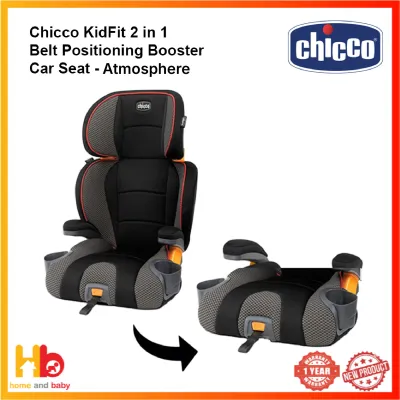
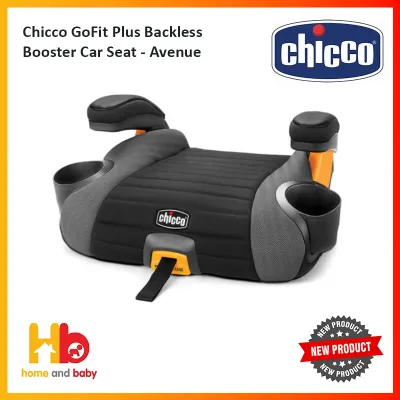
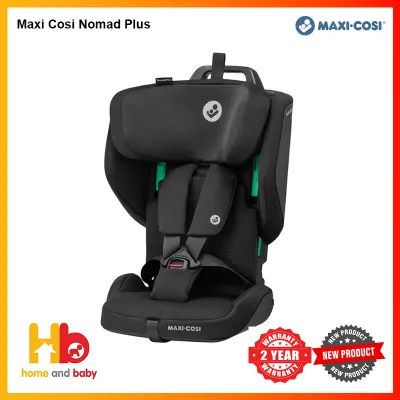
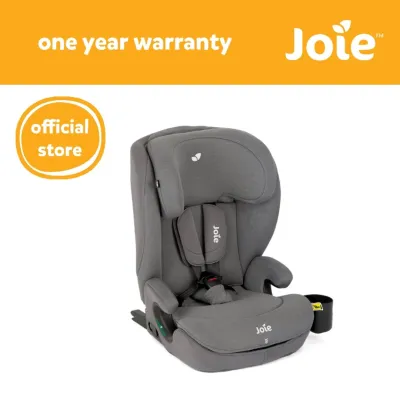
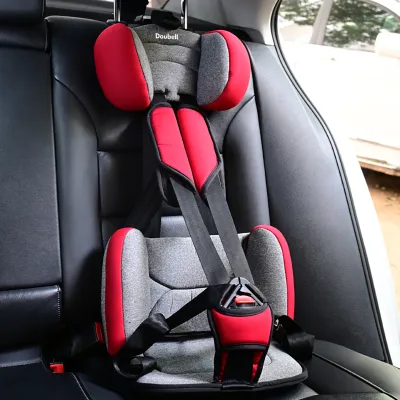
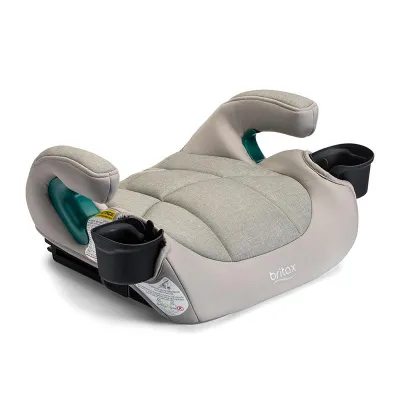
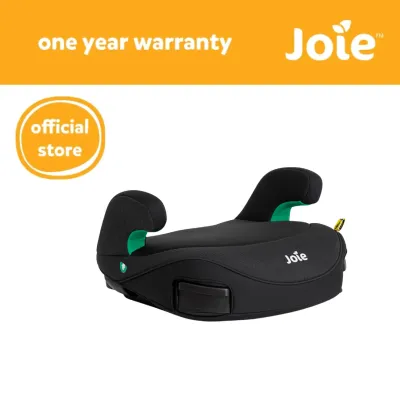
Prices are valid at publication and may change. Please refer to the product page for the latest price.
The Land Transport Authority recognizes several international safety standards for child restraints. These include the European standards (ECE R44/04 and UN R129), the American standard (FMVSS 213), the British standard (BS 3254), the Australian standard (AS 1754), and the Japanese standard (JIS D0401). If a car seat does not carry a label indicating compliance with at least one of these recognized standards, it cannot be legally used on Singapore roads.
Drivers bear the sole legal responsibility for ensuring that all passengers under the age of 12 and below 1.35 meters are correctly secured. Failing to comply with these regulations is a serious traffic offense. If caught, drivers can face a composition fine of S$120 and receive three demerit points. If the case goes to court, first-time offenders can be fined up to S$1,000, face imprisonment for up to three months, or both, with penalties doubling for subsequent offenses.
How to Verify Mucci Car Seat Safety Certifications
To ensure a Mucci car seat is legal to use in Singapore, you must locate and verify its safety certification label. The most common standard found on compliant seats sold in the region is the European ECE R44/04 or the newer UN R129 (i-Size) standard. This certification is typically displayed on a highly visible orange sticker affixed to the shell of the car seat.

When inspecting the orange sticker on a Mucci model, look closely at the information printed on it. A valid ECE R44/04 label will feature an “E” circle containing a number, which indicates the European country that granted the approval. It will also state the weight range for which the seat is approved (for example, 0-18 kg) and the specific approval number. For UN R129 certified seats, the label will specify the child’s height range (such as 40 cm to 105 cm) rather than weight, along with the “i-Size” logo.
Always cross-reference the information on the physical sticker with the manufacturer’s user manual. If you are purchasing a Mucci car seat online or from a third-party reseller, request clear photos of the orange certification sticker before finalizing the transaction. If the label is missing, faded, torn, or entirely unreadable, you should avoid purchasing or using the seat. Without a legible, valid certification sticker, you cannot prove the seat’s compliance to traffic police during a routine check, and more importantly, you have no guarantee that the seat has undergone rigorous crash testing to protect your child.
Essential Safety Features to Inspect on Mucci Models
Beyond checking for legal certification, you must physically inspect the safety features of the specific Mucci car seat model you plan to use. Start by evaluating the harness system, which is the primary mechanism keeping your child secured in the seat. A robust 5-point harness is recommended for infants and toddlers, securing them at the shoulders, hips, and between the legs. Test the buckle to ensure it latches with a distinct click and cannot be easily released by a curious child, yet remains straightforward for an adult to open in an emergency.
Next, examine the harness straps and their routing paths. The straps should be wide enough to distribute crash forces evenly across the child’s strongest skeletal points. Check the chest clip, if included, to ensure it can be positioned at armpit level to keep the shoulder straps securely in place. The adjustment mechanism should allow you to tighten the harness smoothly so that you cannot pinch any slack in the webbing at the child’s collarbone.
Side-impact protection is another critical feature to inspect. Look for deep, padded side wings on the Mucci seat shell that shield your child’s head, neck, and torso from lateral forces. Press against the interior padding to verify the presence of energy-absorbing materials, such as expanded polystyrene (EPS) or expanded polypropylene (EPP) foam, rather than just basic comfort foam. These specialized materials are designed to compress and absorb impact energy during a collision.
Installation Rules and Usage Boundaries
A certified car seat can only protect your child if it is installed correctly. When installing a Mucci car seat, you must choose between using the vehicle’s built-in ISOFIX anchor points or the adult seatbelt system. ISOFIX is generally preferred because it minimizes installation errors, providing a rigid, mechanical connection directly to the car’s chassis. If your vehicle is equipped with ISOFIX anchors, verify that the Mucci model’s connectors click securely into place and display green indicators to confirm a correct lock.
If you must install the seat using the vehicle’s seatbelt, follow the color-coded routing guides on the car seat shell carefully. Typically, blue guides indicate the path for rear-facing installation, while red guides indicate the path for forward-facing installation. Ensure the seatbelt is pulled tight, with no twists in the webbing, and lock the seatbelt retractor if your vehicle has that feature to prevent any lateral or forward movement of the car seat.
Adhering to the rear-facing and forward-facing limits specified on the product label is vital for your child’s safety. Infants have fragile necks and heavy heads, making them highly vulnerable to spinal injuries in a frontal collision. Keep your child in a rear-facing position for as long as the Mucci seat’s height and weight limits allow. Only transition to a forward-facing position once your child has fully outgrown the rear-facing specifications.
When to Stop Using or Replace the Car Seat
Car seats are not permanent fixtures and must be retired when they reach the end of their safe operational lifespan. The most immediate reason to stop using a Mucci car seat is when your child exceeds the maximum height or weight limits designated for that specific model. Regularly monitor your child’s growth and compare their measurements against the limits printed on the seat’s side labels or detailed in the user manual.
Another critical factor is the expiration date of the car seat. Over time, the plastic shell and structural components of a car seat degrade due to exposure to extreme temperatures and ultraviolet (UV) light. This degradation is particularly accelerated in Singapore’s hot and humid tropical climate, where cars parked in the sun can reach very high internal temperatures. Check the bottom or back of the Mucci seat shell for a molded-in manufacture date or an expiration date, and retire the seat once it reaches the manufacturer’s recommended lifespan, which is typically six to ten years from production.
Frequently Asked Questions (FAQ)
Can I use a second-hand Mucci car seat in Singapore?
Using a second-hand Mucci car seat is generally discouraged unless you can verify its complete history. A pre-owned seat may have been involved in an accident, stored improperly in humid conditions, or have missing parts and manuals. If you choose to use a second-hand seat, ensure it comes from a trusted source, has no visible cracks, possesses all original components, and is well within its manufacturer expiration date.
Does a Mucci car seat fit in all vehicle models?
Not all car seats fit perfectly in every vehicle. Before purchasing a Mucci model, consult the manufacturer’s vehicle compatibility list to see if your car model is supported. You should also measure your vehicle’s backseat space, check for the presence of ISOFIX anchors, and, if possible, perform a physical fit test to ensure the seat can be installed tightly without interfering with the front seats.
What should I do if the Mucci car seat lacks a visible certification label?
If your Mucci car seat does not have a visible safety certification label, do not use it. Contact the manufacturer or the authorized retailer immediately to verify if the model is certified and request a replacement label if applicable. Using an uncertified car seat is illegal in Singapore and puts your child at significant risk, as there is no proof the seat meets basic safety standards.

Community discussion
Share your experience or ask a question. Comments are reviewed before publication.