
Selecting the right portable playmat is a key decision for parents in Singapore who balance active outdoor lifestyles with indoor play. When comparing a Mothercare playmat to other portable brands available locally, the optimal choice depends on your specific travel routines, material preferences, and budget. No single brand universally outperforms all others across every metric, making it essential to verify current specifications before purchasing.
Mothercare has long been a household name in Singapore, offering accessible baby gear and the distinct advantage of physical showrooms where you can feel the materials firsthand. However, the market also features specialized alternative brands that focus on niche needs, such as ultra-lightweight travel designs, advanced waterproofing for outdoor use, or specific modern aesthetics. Understanding how these options stack up against your daily routine will help you invest in a mat that keeps your baby comfortable and safe.
To make an informed decision, you must evaluate several critical factors, including material composition, ease of transport, maintenance, and overall value. By comparing these aspects systematically, you can find a portable playmat that seamlessly integrates into your family’s lifestyle, whether you are visiting relatives, heading to the park, or simply moving from room to room.
Products mentioned in this guide
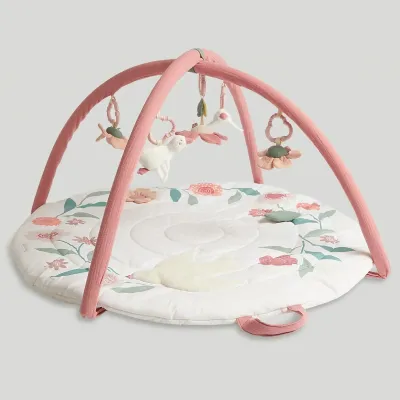
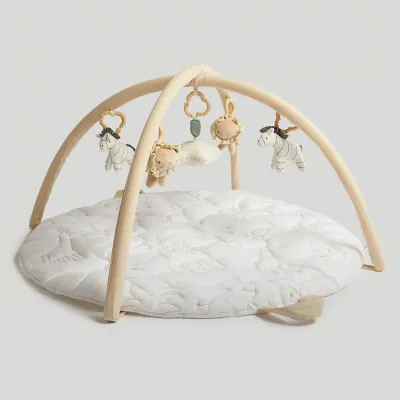
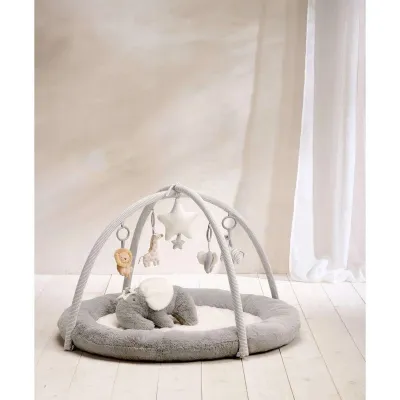
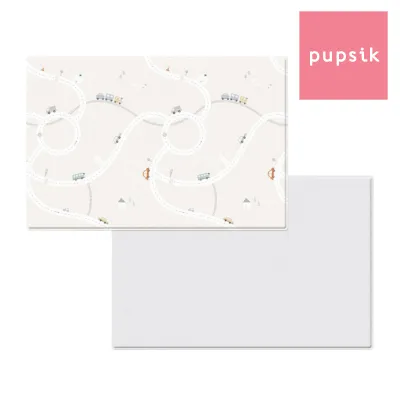
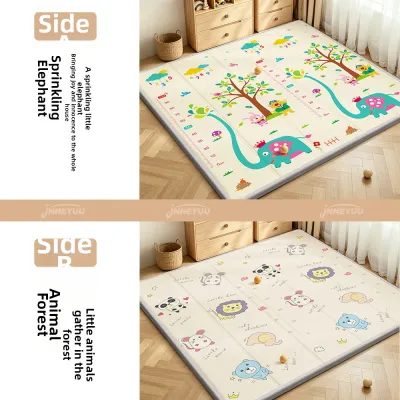
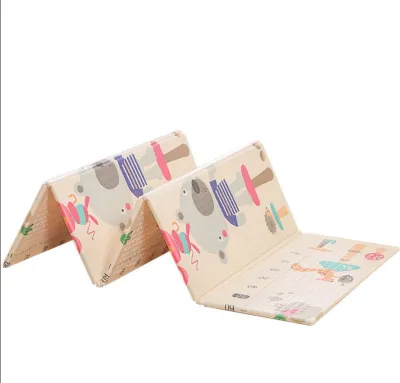
Prices are valid at publication and may change. Please refer to the product page for the latest price.
Core Comparison Criteria for Portable Playmats
When evaluating any portable playmat, the material composition and thickness serve as the foundation for both comfort and safety. Most portable mats utilize foam materials such as Ethylene-Vinyl Acetate (EVA) or Polyethylene (PE), each offering different levels of cushioning and durability. You should check the product labels and manufacturer specifications to identify the exact foam type used, as this directly impacts the mat’s weight and shock absorption capabilities.
EVA foam is known for its rubber-like softness and flexibility, making it highly comfortable, but it is important to verify that it is certified formamide-free. PE foam is often lighter and highly recyclable, offering excellent shock absorption, though it can sometimes feel slightly stiffer. Understanding these material characteristics helps you interpret product labels when comparing Mothercare with other brands.
Thickness is another critical variable to verify, especially if you plan to use the mat on hard surfaces like tile or hardwood floors common in Singapore homes. While thicker mats provide superior cushioning for tumbling toddlers, they also tend to be bulkier and heavier to transport. For portable use, parents often look for a balance—typically between one to two centimeters of thickness—which offers sufficient protection without compromising foldability.
Surface texture plays a dual role in safety and hygiene. A textured surface provides necessary traction, helping to prevent slips and slides as your baby learns to crawl or stand. When comparing brands, look closely at the pattern design; deeper crevices can trap dirt and crumbs, while shallower, textured patterns offer grip while remaining easy to wipe clean.
Some portable mats feature fabric borders stitched around the edges, which can absorb liquids if not treated, while others use heat-sealed edges that are completely waterproof. Checking these details helps prevent moisture from seeping into the inner foam layers during spills.
Safety certifications and chemical testing are paramount when choosing baby gear. Because standards can vary, you should verify that any playmat you consider complies with relevant safety regulations, such as European (EN71) or American (ASTM) standards. Look for explicit manufacturer declarations regarding the absence of harmful substances like phthalates, heavy metals, and formamide, particularly if your baby is in the teething phase and prone to mouthing surfaces.
Finally, consider the ease of cleaning, which is a daily necessity for any playmat. A truly portable mat must feature a reliable, wipe-clean surface that does not absorb liquids. Check the manufacturer’s instructions to see if the outer layer is waterproof or water-resistant, as this determines how well the mat will withstand diaper leaks, spit-ups, and outdoor dampness.
Portability and On-the-Go Convenience
The true value of a portable playmat lies in how easily you can transport it from one location to another. Before making a purchase, it is wise to measure the folded dimensions and weight of the mat against your typical transport methods. If you frequently travel by public transport or use a compact stroller, a mat that folds down into a slim, lightweight package is essential to avoid overloading your gear.

Carrying accessories can significantly enhance or hinder your on-the-go experience. Some portable playmats feature built-in carry handles or integrated straps, while others come with a dedicated travel bag. A high-quality travel bag is often preferred, as it protects the playmat from dirt and damage during transit and keeps the folded mat secure while stored in your car boot or home closet.
The mechanism of folding also varies across brands, with accordion-style folds and roll-up designs being the most common. Accordion-style folding mats are highly popular for travel because they fold flat quickly and tend to retain their shape better over time. Roll-up mats, while sometimes offering a seamless surface without creases, can be more cumbersome to secure and may take up more volume in tight spaces.
Some accordion-style mats have deep creases that might cause small toys to roll or trip a baby who is just learning to balance. Conversely, high-quality designs manage to fold compactly while still laying relatively flat when opened. Testing this in-store or reading user observations can help you gauge how flat the mat will lie on different surfaces.
Setup and pack-up speed are crucial when you are managing a fussy baby on your own. You want a mat that can be unfolded with one hand and packed away just as quickly. Examine the durability of the seams and fold lines; frequent folding and unfolding can put stress on these areas, so look for reinforced edges or high-quality heat-sealing that prevents the layers from delaminating over time.
Weight is another factor that varies widely between brands. Ultra-lightweight mats are incredibly convenient for long walks or day trips, but they may be more susceptible to shifting or lifting on windy days outdoors. Conversely, heavier mats stay firmly in place but can become a burden to carry alongside a diaper bag, stroller, and baby. A larger mat offers more play space but is naturally heavier, so you must ensure the folded package still fits within your vehicle’s storage or stroller basket.
Assessing Value and Long-Term Usability
To assess the true value of a playmat, you must look beyond the initial purchase price and consider its long-term usability. Compare current retail prices in S$ across official brand stores and authorized online retailers in Singapore to establish a realistic budget. While budget-friendly options are appealing, investing slightly more in a durable, high-quality mat can save money in the long run by eliminating the need for premature replacements.
Durability is closely linked to how well you maintain the mat. Review the manufacturer’s cleaning guidelines carefully before buying, as some materials degrade quickly if exposed to harsh household cleaners or direct sunlight. In Singapore’s warm and humid climate, mold and mildew can develop rapidly if moisture is trapped within the folds of a damp mat, making proper ventilation and drying protocols essential.
Well-known brands like Mothercare often hold their value better in the secondhand market in Singapore, or can be passed down to younger siblings if maintained well. Checking the durability of the outer protective film is key to ensuring the design does not peel or fade after repeated cleanings.
Versatility extends the lifespan of your playmat as your child grows. A mat that is suitable for both indoor playrooms and outdoor picnics offers much greater utility than one restricted to indoor use. If you plan to use the mat outdoors, check for UV resistance claims on the packaging, as prolonged sun exposure can fade colors and weaken certain foam materials.
Some modern alternative brands focus on eco-friendly materials, such as TPU (Thermoplastic Polyurethane) or organic cotton covers, which appeal to environmentally conscious parents. While these options often come at a premium price, they offer peace of mind regarding sustainability and chemical exposure.
Consider how the design of the mat fits into your home aesthetic over time. Many modern alternative brands offer reversible designs with neutral, minimalist patterns on one side and child-friendly illustrations on the other. This allows you to maintain a cohesive living room decor while still providing a stimulating environment for your baby during playtime.
Finally, look at the recommended age range and weight limits provided by the manufacturer. Some mats are designed specifically for tummy time and crawling infants, while others are robust enough to serve as a play space for older toddlers. Choosing a mat with a broader age recommendation ensures you get maximum utility out of your investment.
Decision Framework: Matching a Playmat to Your Routine
To choose the right playmat, you must match its specific features to your family’s daily routine and lifestyle. There is no one-size-fits-all solution, but categorizing your priorities can help narrow down the options effectively.
Choose a Mothercare playmat if you prioritize brand familiarity, the reassurance of a long-standing reputation, and the convenience of physical retail stores in Singapore. Shopping at Mothercare allows you to physically test the texture, thickness, and folding mechanism of the mat before committing. It is also an excellent option if you prefer to bundle your playmat purchase with other nursery essentials or take advantage of in-store customer service and loyalty programs.
Choose alternative brands if your lifestyle demands highly specialized features. For instance, if you are an avid traveler who needs ultra-lightweight gear that fits easily into overhead airplane compartments, or if you require advanced waterproofing for frequent beach and park outings, specialized outdoor or travel brands may serve you better. Additionally, if you are looking for specific aesthetic patterns, such as Scandinavian designs or custom illustrations to match your home decor, alternative brands often provide a wider variety of stylistic choices.
Verify first if your baby has specific skin sensitivities or allergies, as this may require you to seek out hypoallergenic materials or organic fabric covers rather than standard foam. Furthermore, if you plan to use the mat frequently on uneven, rocky, or abrasive outdoor terrain, you must verify the puncture resistance and bottom-layer durability of the mat to prevent tears and ensure your baby remains comfortable.
Frequently Asked Questions (FAQ)
Are portable folding playmats safe for newborns?
Yes, portable folding playmats can be safe for newborns, provided you follow key safety guidelines. Always check the manufacturer’s age recommendations on the packaging to ensure the mat is suitable for infants. The mat must be placed on a flat, stable, and low-level surface—never on elevated surfaces like beds or sofas where a fall could occur. Ensure the mat is firm enough to support tummy time without posing a suffocation risk, and maintain active adult supervision at all times during use.
How do I clean and maintain a folding portable playmat?
To clean and maintain your folding playmat, always follow the specific label instructions provided by the manufacturer. Generally, you should wipe the surface down with a damp cloth and a mild, baby-safe soap, avoiding harsh chemical cleaners, bleach, or abrasive scrubbers that can degrade the foam or wear away the protective coating. After cleaning, ensure the mat is completely dry before folding and storing it. This is especially important in humid climates to prevent the growth of mold, mildew, and unpleasant odors.

Community discussion
Share your experience or ask a question. Comments are reviewed before publication.