
Finding the right diaper for your baby in Singapore’s warm, humid climate is a balancing act between skin health, leak prevention, and household expenses. There is no single universal winner among Moony, Pampers, and Huggies. The best choice depends entirely on your baby’s specific skin sensitivity, activity level, and your household budget. While marketing campaigns often highlight proprietary technologies, the true test of any diaper happens in the nursery. This guide breaks down the core comparison dimensions—absorbency, comfort, and value—to help parents in Singapore evaluate these leading brands and make a practical, informed decision for their baby’s daily needs.
How to Evaluate Diaper Performance for Your Baby
Evaluating diaper performance requires looking past brand promises and focusing on observable, daily results in your home. The first critical metric is practical absorbency, which you can assess by checking for leaks during long sleep stretches, observing how much the core sags when full, and feeling your baby’s skin for morning dryness. A high-performing diaper should lock moisture away from the skin, leaving the inner lining dry to the touch even after several hours of use.
Comfort is equally vital and can be assessed by closely observing your baby’s skin condition. When removing a diaper, check for red marks, indentations, or chafing around the thighs and waistband, which indicate the fit is too tight or the materials are too stiff. In Singapore’s humid environment, trapped moisture quickly leads to diaper rash, making breathability a non-negotiable factor.
Products mentioned in this guide
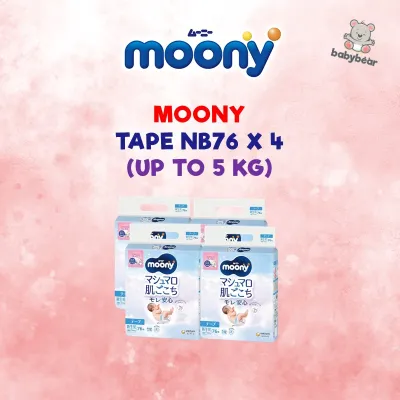
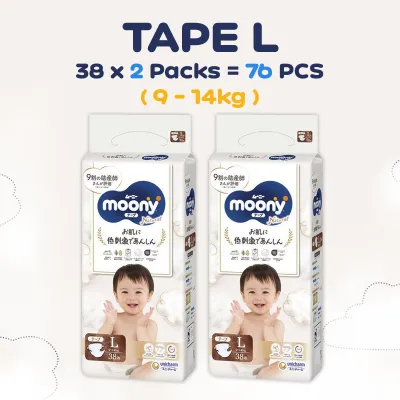
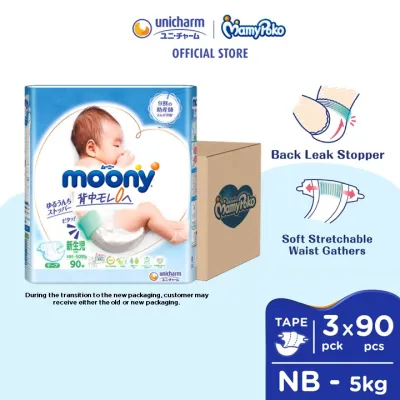
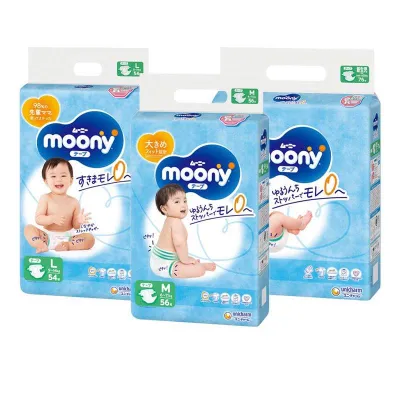
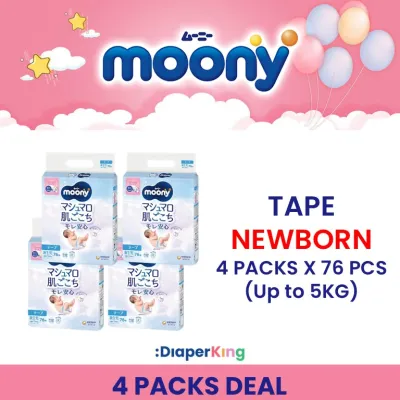
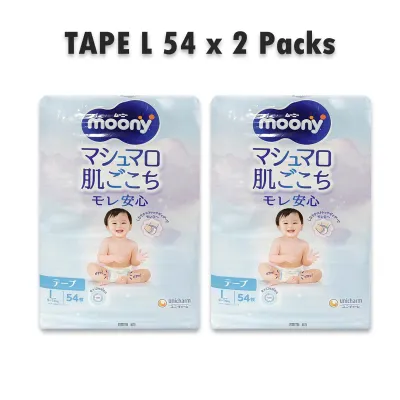
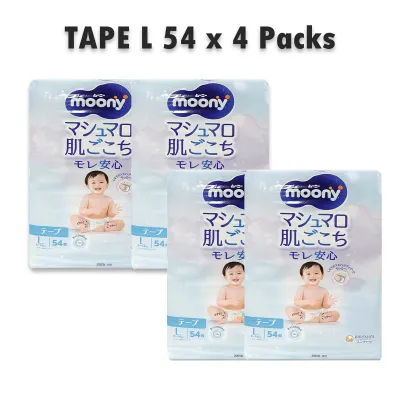
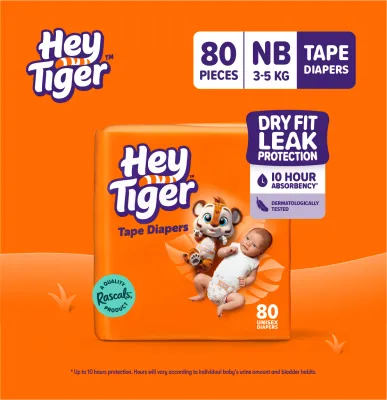
Prices are valid at publication and may change. Please refer to the product page for the latest price.
Finally, evaluate the fit by monitoring how the diaper moves with your baby. Watch for bunching, shifting, or gaping when your baby crawls, rolls, or walks. A well-fitting diaper should remain secure without restricting natural movement or leaving gaps at the legs where liquid can easily escape.
Moony Diapers: Key Features and What to Check
Moony diapers, a popular Japanese brand, are widely recognized for their emphasis on soft materials, breathable outer covers, and gentle waistbands designed to minimize skin friction. The brand typically focuses on reducing pressure on a baby’s delicate abdomen, making them a frequent choice for parents concerned about red marks and skin irritation.

When shopping for Moony, it is essential to check the specific product line on the packaging, as features differ between their standard lines and premium or natural variants. Premium versions often incorporate organic materials or specialized surface sheets, which may carry different care instructions or suitability guidelines. Always verify the exact weight range printed on the box rather than relying solely on size labels like Medium or Large, as Japanese sizing can run slightly smaller than Western alternatives.
To get the most out of Moony diapers, instruct caregivers on how to read the wetness indicator—usually a line that changes color when wet—to avoid premature changes. Additionally, inspect the waistband and leg gathers during application to ensure they are fully extended outward, which maximizes the diaper’s leak-prevention design.
Pampers and Huggies: Comparing the Alternatives
Pampers and Huggies represent two of the most prominent global diaper brands, each approaching baby comfort and leak protection with distinct design philosophies. Pampers is generally known for its slim profiles, advanced dryness technology, and active-fit designs. Their diapers often prioritize a lightweight feel that minimizes bulk between the baby’s legs, which can be highly beneficial for active toddlers who need maximum freedom of movement.
Huggies, on the other hand, frequently emphasizes secure fastening systems, robust leak barriers, and snug, elasticized waistbands. Their designs often feature pocketed waistbands at the back to help contain messy blowouts, making them a popular choice for younger infants or babies prone to sudden, liquid stools. The materials used in Huggies diapers are typically structured to provide a secure, locked-in fit that stays put during vigorous movement.
Because both brands offer multiple product tiers—ranging from basic everyday lines to premium, high-absorbency variants—parents must check the specific series available in local supermarkets or online marketplaces. Features, softness, and overall performance vary significantly by tier, so comparing a premium line from one brand to a budget line from another will not yield an accurate comparison.
Comparing Key Metrics Across All Three Brands
Directly comparing Moony, Pampers, and Huggies requires looking at how their design choices translate to daily wear. While manufacturer specifications provide a helpful baseline, your baby’s unique physical anatomy, sleeping positions, and wetting patterns will dictate the final result.
Absorbency and Overnight Protection
To assess overnight leak protection across these three brands, start by checking the packaging for the number of absorbent layers or specific night-time labels. Some brands design specialized overnight pants with reinforced cores, while others rely on a single, high-capacity core across their entire line.
In the morning, observe the physical weight of the diaper, how much it sags, and the state of your baby’s skin. A diaper that sags heavily between the knees may pull away from the waist, creating gaps that lead to leaks, even if the core is not fully saturated. If you notice the diaper is consistently soaked to its physical limit by morning, or if leaks occur despite a proper fit, consider sizing up for overnight use to increase the total absorbent capacity.
Comfort, Breathability, and Skin Sensitivity
Monitoring skin reactions is crucial when switching between Moony, Pampers, and Huggies, especially in Singapore’s tropical climate. Inspect your baby’s waist and thighs for red marks, indentations, or chafing after a few hours of continuous wear. These marks are clear indicators that the elastic is either too tight or the material lacks sufficient stretch.
Next, check the ingredient list on the packaging for any added lotions, fragrances, or specific material certifications. Some babies have sensitive skin that reacts to added scents or synthetic materials, while others benefit from the soothing barrier of a lotion-infused liner. Monitor your baby’s skin closely during a trial period of three to five days, noting any changes in diaper rash frequency or localized redness before deciding to purchase a brand in bulk.
Assessing Value and Sizing Across Brands
To determine the true cost of diapering your baby, you must look beyond the retail price of a single pack and calculate the cost per piece. Divide the total S$ price of the pack by the exact diaper count inside. Often, premium tiers or smaller pack sizes carry a significantly higher cost per piece, which adds up quickly over months of continuous use.
Sizing is not standardized across Moony, Pampers, and Huggies, meaning a “Medium” in one brand may fit entirely differently than a “Medium” in another. Always check the specific weight range in kilograms printed on each brand’s packaging. Japanese brands like Moony often feature a cut that accommodates rounder babies, while brands like Pampers may offer a slimmer, longer fit.
Additionally, factor in the frequency of changes required. If a lower-priced diaper has a lower absorbent capacity, you may find yourself changing your baby more frequently throughout the day. In such cases, a slightly more expensive, higher-capacity diaper can actually turn out to be more cost-effective because you use fewer pieces overall.
Decision Framework: Which Brand to Try First
When choosing which brand to try first, align your selection with your baby’s immediate physical needs and daily habits. Choose Moony if your primary goal is finding ultra-soft materials and gentle, non-restrictive waistbands for a baby with highly sensitive skin or a rounder build. Their focus on material softness makes them highly suitable for newborns and infants who spend a lot of time lying down.
Choose Pampers if you prioritize a slim, lightweight fit and high dryness for an active baby who is starting to crawl or walk. The low-bulk design allows for easy movement, while the dryness technology helps keep skin dry during active daytime play.
Choose Huggies if your baby is prone to leaks or blowouts and you require secure leak barriers, pocketed waistbands, and a snug, structured fit. This brand is particularly useful for babies who move vigorously and need a diaper that remains firmly anchored in place.
Before purchasing bulk boxes from online marketplaces, always buy a single trial pack first. Verify if your baby has any skin sensitivities by checking the exact material and lotion ingredients on the box, and monitor their skin condition during the initial trial days.
Frequently Asked Questions (FAQ)
Can I mix different diaper brands for day and night use?
Yes, mixing different diaper brands for day and night use is a highly practical and common strategy among parents in Singapore. You can optimize your budget and your baby’s comfort by using a slimmer, more flexible, and potentially lower-cost diaper for active daytime play when changes are frequent. For nighttime, switch to a higher-capacity, premium diaper or a size larger than usual to ensure uninterrupted sleep and prevent overnight leaks.
How do I know if I need to size up my baby's diaper?
You should size up your baby’s diaper when you observe frequent leaks or blowouts, particularly around the leg cuffs and back, which indicate the current size can no longer contain the volume. Another clear sign is if the waistband leaves deep red marks on your baby’s skin or if the fastening tabs must be secured at the very edge of the landing zone. Finally, check if your baby’s current weight is approaching or has exceeded the upper limit printed on the diaper packaging.

Community discussion
Share your experience or ask a question. Comments are reviewed before publication.