
Finding the right diaper pants for your baby in Singapore’s warm, humid climate involves balancing absorbency, fit, and skin breathability. While Moony diaper pants are highly regarded for their soft materials and organic cotton options, competing brands like Pampers, Huggies, and Merries each offer distinct design philosophies tailored to different baby shapes and activity levels. There is no single universal winner; instead, the best performing diaper depends on your baby’s unique body proportions, skin sensitivity, and whether you are prioritizing daytime mobility or overnight leak protection. By understanding how these brands differ in construction, sizing, and materials, you can make an informed choice that keeps your baby comfortable and dry.
Understanding the Core Differences in Design and Fit
The physical build of your baby plays a massive role in how well a diaper pant performs. Diaper pants rely heavily on the elasticity of the waistband and the structure of the leg cuffs to secure a snug fit without causing discomfort. Moony diaper pants are widely recognized for their soft, high-stretch waistbands that aim to distribute pressure evenly around the baby’s abdomen. This design is particularly beneficial for babies with rounder bellies, as it stretches comfortably during feeding times and active play without leaving deep elastic marks.
In contrast, brands like Pampers often feature a more streamlined, snug-fitting waistband designed to stay secure during high-intensity movement. This slimmer profile can be highly effective for leaner babies who might otherwise experience sagging or gaps with wider-cut diapers. Huggies frequently incorporates pocketed waistbands or reinforced back guards designed to contain runny messes, making them a popular choice for younger infants or babies transitioning to active crawling. Merries focuses on a highly ventilated, wavy fit waistband that creates air channels between the elastic and the skin, aiming to reduce sweat buildup in tropical heat.
Products mentioned in this guide
![Moony Low Irritation Pants Baby Diapers M 46pcs x 3 packs (5-10 kg) [Carton]](https://img.lazcdn.com/g/p/d0f27769fd56308e7cf3565ead714775.jpg_400x400q80.jpg_.webp)
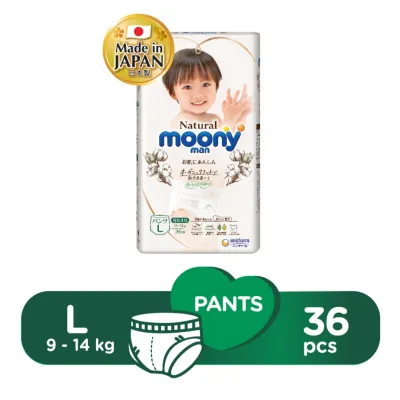
![Moony Air Fit Pants Super Premium Baby Diapers [GIRL] XL38 (1 Pack) (12 - 22kg)](https://img.lazcdn.com/g/p/dbb6d3e4bfc43d5e63ed009fbf1a9ecb.jpg_400x400q80.jpg_.webp)
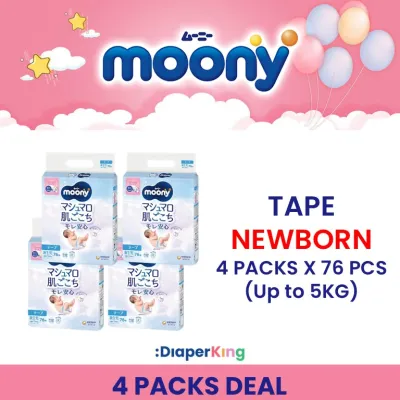
Prices are valid at publication and may change. Please refer to the product page for the latest price.
Leg cuff design is another critical factor for active crawlers and early walkers. Double leg gathers or outer cuffs act as the final barrier against leaks. When evaluating these brands, look closely at the height and flexibility of these cuffs. A wider cut, such as those often found in Moony and Merries, provides generous coverage around the thighs, making them suitable for babies with chubbier legs. A narrower cut, typical of some Pampers lines, offers a closer fit that minimizes bulk between the thighs, supporting unrestricted leg movement for babies who are already walking confidently.
Comparing Absorbency and Leak Protection Features
Absorbency is the cornerstone of diaper performance, especially during long overnight stretches. Each major brand utilizes proprietary polymer technologies and channel designs to draw moisture away from the skin and lock it inside the core. Moony diaper pants often highlight their specialized absorption sheets and curved designs that conform naturally to a baby’s posture, aiming to prevent pooling and sagging. Merries utilizes a multi-layered structure designed to disperse liquid rapidly across the core, preventing localized dampness.

Pampers diaper pants frequently advertise unique distributing channels that help spread wetness evenly from front to back, reducing the heavy, saggy feeling that can pull the diaper down. Huggies focuses on high-capacity absorbent cores with secure guards to handle sudden, heavy wetting. When reading manufacturer guidelines, pay close attention to the recommended weight limits and wear-time suggestions. While many premium diaper pants claim up to 12 hours of leakage protection, these estimates are highly dependent on your baby’s liquid intake, sleeping position, and individual wetting patterns.
To verify leak protection performance during a home trial, parents can use a simple observation checklist:
- Check the wetness indicator immediately after a long nap to see how evenly the liquid has spread across the core.
- Gently run a finger along the leg cuffs after your baby has been active to ensure the gathers remain standing upright and have not folded inward.
- Feel the outer cover of the diaper; a damp sensation on the outside can indicate that the core has reached its maximum capacity or that the humidity is affecting the material.
- Observe if leaks occur primarily at the back (often a sign of a loose waistband or incorrect sizing) or around the thighs (often indicating a gap in the leg cuffs).
Evaluating Comfort, Breathability, and Skin Sensitivity
Singapore’s high humidity makes breathability a primary defense against diaper rash and skin irritation. The materials used in the inner lining and outer cover directly impact how much heat and moisture remain trapped against your baby’s delicate skin. Moony diaper pants are highly sought after for their use of soft, plant-based fibers and organic cotton options in their premium ranges, which provide a velvety texture designed to minimize friction. Merries is equally famous for its textured, airy inner sheet that lifts the diaper slightly off the skin, allowing air to flow freely and reducing the contact area where wetness can cling.
Pampers and Huggies also offer specialized lines focusing on skin health, featuring breathable outer backsheets that allow moisture vapor to escape while keeping liquid contained. When choosing a diaper, read the packaging carefully to identify fragrance-free, lotion-free, or hypoallergenic claims. Added fragrances can sometimes trigger sensitivities in babies prone to eczema or contact dermatitis. If your baby has highly reactive skin, prioritizing diapers that explicitly state they are free from chlorine processing, optical brighteners, and synthetic perfumes is a prudent step.
Caregivers should regularly monitor the diaper area for early signs of redness, chafing, or localized heat rash. Pay close attention to the waistline and the creases of the thighs where friction is highest. If you notice persistent redness that does not fade between diaper changes, it may be time to switch to a brand with a different material composition or a looser fit. If a rash becomes severe, develops blisters, or does not improve after a few days of frequent changes and barrier cream application, consult a qualified pediatrician for professional medical advice.
Assessing Value and Sizing Across Brands
Finding a diaper that fits your budget requires looking beyond the price tag of a single pack. Because pack counts vary significantly between brands and sizes, the most accurate way to evaluate cost is by calculating the price per piece. To do this, divide the total cost of the pack by the number of diapers inside. For example, if a pack costs S$26.00 and contains 44 pieces, the cost per diaper is approximately S$0.59. Keep in mind that as your baby grows and graduates to larger sizes, the number of pieces per pack decreases, which naturally increases the cost per piece.
Sizing is not standardized across manufacturers. A size L in Moony may fit differently than a size L in Pampers or Huggies. This variation occurs because brands design their patterns around different physical proportions—some prioritize waist circumference, while others focus on thigh thickness or torso length. Sizing overlaps are common; for instance, a baby weighing 10 kg might fit into both Medium and Large sizes across different brands.
You should consider sizing up when you observe any of the following physical markers:
- The waistband sits significantly below your baby's belly button.
- Red elastic marks remain on your baby's thighs or waist long after the diaper is removed.
- You experience frequent leaks, particularly overnight, despite securing the diaper correctly.
- The diaper's absorbent core feels completely saturated and heavy after only a short period.
To manage ongoing diapering costs, look for bulk-buy promotions, carton deals, or subscription discounts offered by local supermarkets and online marketplaces. However, avoid purchasing large quantities of a new brand or size until you have successfully tested a single pack to ensure compatibility with your baby’s current shape and skin sensitivity.
How to Decide: Matching the Diaper to Your Baby's Needs
To simplify your decision-making process, you can match your baby’s current developmental stage and physical needs to the specific strengths of each brand.
Choose Moony if:
- Your baby has highly sensitive skin and you prefer ultra-soft, organic, or plant-based materials.
- Your baby has a rounder belly or thicker thighs that require a highly elastic, gentle waistband and generous leg cuffs.
- You are looking for a diaper with a reputation for a soft, cloth-like feel that minimizes friction during movement.
Choose Merries if:
- Your primary concern is breathability and preventing heat rash in warm, humid weather.
- Your baby benefits from a textured inner lining that minimizes direct skin contact with wetness.
Choose Pampers if:
- Your baby is highly active, crawling, or walking, and requires a slim, snug-fitting diaper pant that stays securely in place without sagging.
- You prefer a diaper with efficient liquid distribution channels that prevent bulkiness between the legs.
Choose Huggies if:
- You need robust leak guards and a secure waistband design to contain heavy wetting or messy stools.
- You want a reliable, structured diaper pant designed to handle active daily play.
Verify first if:
- Your baby has a diagnosed medical skin condition, such as severe eczema, in which case you should consult your pediatrician before introducing any new diaper brand.
- Your baby falls on the extreme ends of weight ranges, as you may need to try multiple trial packs to find a brand whose cut matches your baby's unique proportions.
Always purchase small trial packs or request samples before committing to bulk carton purchases. This allows you to test the real-world fit, absorbency, and skin compatibility in your own home environment without financial waste.
Frequently Asked Questions (FAQ)
Can I use different diaper brands for daytime and nighttime?
Yes, using different diaper brands for daytime and nighttime is a highly practical and cost-effective strategy adopted by many parents. During the day, your baby is active, feeding frequently, and being changed more often. For these hours, you might prioritize a lighter, highly breathable diaper pant that offers maximum mobility and prevents sweat buildup. This can also be an opportunity to use a more budget-friendly brand, as the diaper will be changed every few hours regardless of its maximum capacity.
For overnight sleep, your main goal is uninterrupted rest and leak prevention. You can switch to a premium, high-capacity diaper pant—such as Moony or Merries—that features advanced absorbent cores and wider leak guards designed to handle multiple wettings over several hours. When implementing this dual-brand approach, monitor your baby’s skin closely. Switching between different inner lining materials can occasionally cause mild irritation if your baby has extremely sensitive skin. Ensure that both the daytime and nighttime options fit correctly around the waist and thighs to prevent daytime chafing and overnight leaks.

Community discussion
Share your experience or ask a question. Comments are reviewed before publication.