
Choosing between Moony and Merries often comes down to your baby’s unique body shape, skin sensitivity, and current developmental stage rather than one brand being universally superior. Both of these premium Japanese diaper brands are highly regarded by parents in Singapore for their soft textures and reliable construction. However, they approach comfort and leak prevention with distinct design philosophies that suit different babies. By understanding how to read their packaging claims and evaluate their physical structures, you can find the ideal fit for your little one’s daily routine.
Understanding the Core Design Philosophies
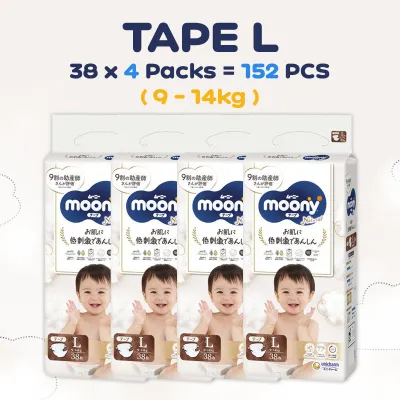
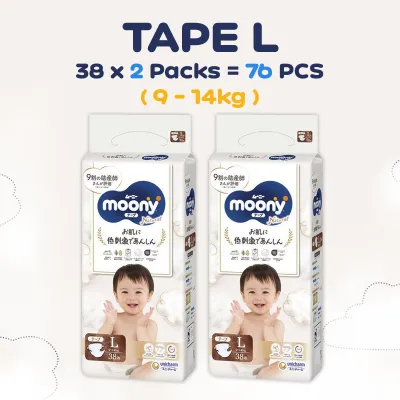
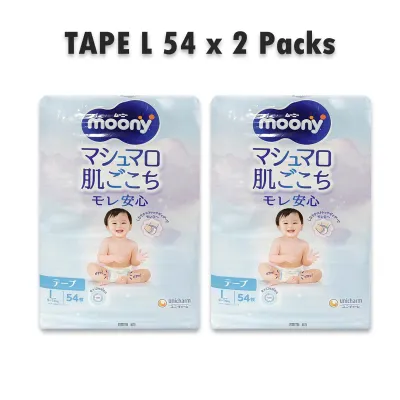
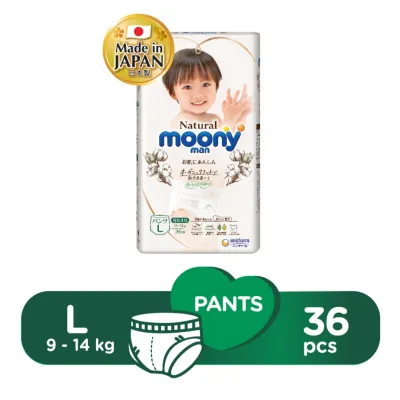
When exploring these brands, you will notice that each manufacturer emphasizes a specific structural focus on their packaging. Moony, produced by Unicharm, often highlights a contoured, body-hugging design. Their newborn and early-stage lines frequently feature a specialized navel cutout designed to protect the sensitive umbilical cord area from friction. Additionally, Moony offers both standard lines and premium options, such as their natural series which incorporates organic cotton fibers in the inner sheet, as stated on the product labels.
In contrast, Merries, manufactured by Kao, centers its design philosophy on breathability and airflow. Their packaging prominently features claims regarding air-through ventilation patterns, which aim to channel heat and moisture away from the skin. This focus is particularly relevant in Singapore’s warm, humid climate, where keeping a baby’s skin dry and cool is a constant priority for parents.
Products mentioned in this guide
![Moony Low Irritation Tape M46 (6 - 11kg) [Carton]](https://img.lazcdn.com/g/p/ace131a438dae4029267067c0b7afc23.jpg_400x400q80.jpg_.webp)
![Moony Low Irritation Tape Baby Diapers S 58pcs x 4 packs (4-8 kg) [Carton]](https://img.lazcdn.com/g/p/27c482602057bf85f6e64e7442d53a3f.jpg_400x400q80.jpg_.webp)
Prices are valid at publication and may change. Please refer to the product page for the latest price.
While these brand positions provide a helpful starting point, actual comfort and leak prevention depend heavily on your baby’s unique physical proportions. A diaper that fits one infant perfectly might cause gaps or red marks on another of the exact same weight. For this reason, it is highly recommended to verify the sizing charts on the packaging and conduct a trial with a small sample pack before committing to bulk purchases.
Comparing Key Features Through Packaging and Structure
Evaluating the physical features of each diaper directly from the packaging and product structure helps you make an objective comparison. To assess absorbency, look closely at the manufacturer’s stated weight capacities and core technology claims on the box. Both brands feature color-changing wetness indicators—typically lines that transition from yellow to blue or green—allowing you to monitor when a change is needed without opening the diaper.

When comparing materials for skin contact, examine the ingredient list and product descriptions on the packaging. Look for specific mentions of hypoallergenic materials or dermatological testing labels, which indicate that the manufacturer has taken steps to minimize skin irritation. Feeling the inner liner of a single diaper can also give you a sense of its texture; some lines feature textured, wavy surfaces designed to minimize direct contact with liquid waste, while others focus on a flat, velvety feel.
Fit and elasticity are critical for preventing leaks, especially as your baby becomes more active. Examine the physical waistband stretch and the height of the leg cuff gathers on each diaper. A wider, more elastic waistband can help prevent blowouts at the back, while double-layered leg cuffs provide a physical barrier against side leaks. You should also check the strength and reusability of the tape fasteners, ensuring they grip securely even if baby oil or powder accidentally touches them.
When examining the front waistband of tape diapers, look for printed alignment numbers (usually 1, 2, and 3). These markers help you fasten the tape symmetrically on both sides, which is crucial for maintaining an even tension across your baby’s tummy. If you find yourself consistently fastening the tapes past the outer markers, it is a clear physical indication that the diaper is becoming too small, regardless of the weight range listed on the packaging.
Matching Diaper Traits to Your Baby's Profile
Selecting the right diaper requires matching these structural traits to your baby’s specific body shape and daily activity levels. You may want to choose Moony if your newborn still has a healing umbilical stump, as their specialized cutout minimizes contact with this sensitive area. Moony is also highly suitable if your baby has a rounder torso or narrower thighs, where a contoured, snug-fitting design helps prevent gaps around the legs.
Conversely, Merries may be the more suitable choice if your baby is highly active, rolls frequently, or is beginning to crawl. The brand’s emphasis on visible breathability patterns and a highly stretchable, airy waistband allows for freedom of movement while helping to manage sweat in active zones. This makes it a popular option for daytime wear when your baby is constantly on the move.
In Singapore’s tropical climate, heat rash is a common concern for infants. If your baby is prone to sweating or spends significant time in non-air-conditioned environments, prioritizing a diaper with high breathability claims, such as those featuring micro-pores or ventilated waistbands, can help manage skin moisture. Conversely, if your baby spends most of their time in air-conditioned rooms, a diaper that focuses heavily on a snug, contoured fit to prevent leaks during long sleep stretches might be your primary consideration.
However, if your baby has documented severe contact dermatitis or extremely reactive skin, neither brand may prevent flare-ups on its own. In such cases, you should consult a pediatrician or pediatric dermatologist before relying solely on commercial hypoallergenic claims. Additionally, if your baby’s weight falls right on the boundary between two sizes, do not rely on weight guidelines alone; verify the specific thigh and waist measurements provided on the manufacturer’s website to ensure a proper fit.
Calculating Value and Verifying Authenticity
Because diapering is a long-term expense, calculating the actual value of each pack is essential for your household budget. To do this, divide the total price of the pack by the number of diapers inside to find the cost per piece in S$. For example, if a pack costs S$26.00 and contains 52 diapers, the unit cost is S$0.50 per piece. Keep in mind that premium or organic lines will naturally carry a higher unit cost than standard lines, so you must weigh these features against your daily budget.
Ensuring product authenticity is equally important for your baby’s safety. To guarantee you are receiving genuine products, purchase your diapers only from official brand stores, authorized mother and baby specialty retailers, or major supermarkets in Singapore. These established channels maintain strict quality control and proper storage conditions.
You should avoid purchasing from unauthorized third-party sellers on online marketplaces or e-commerce platforms. Diapers sourced from unauthorized channels may have been stored in high-humidity environments, which can compromise the adhesive tapes or pre-activate the wetness indicators. Furthermore, counterfeit products or older packaging versions may not meet the safety and quality standards of authorized imports.
Recognizing When to Change Sizes or Styles
As your baby grows, their diapering needs will change, requiring you to transition to larger sizes or different styles. Monitor your baby’s body for physical signs of a poor fit, such as red marks around the thighs or waist, frequent side leaks, or a waistband that sits well below the belly button. These indicators suggest that the current diaper size is too small, even if your baby’s weight still falls within the range printed on the box.
While manufacturer weight guidelines provide a helpful baseline, you should always prioritize your baby’s actual physical comfort and freedom of movement. If the diaper feels tight or difficult to fasten securely, it is time to size up. Sizing up early can often resolve persistent leak issues, as a larger diaper offers a greater absorbent surface area and a more secure wrap around the legs.
You should also identify the right developmental milestones to switch from tape diapers to pull-up pants. When your baby becomes highly mobile—such as rolling over during diaper changes, crawling, or standing up—fastening tape diapers can become challenging. Pull-up pants allow for quick changes while your baby is standing or moving, and they typically feature highly elastic waistbands that adapt to a toddler’s active movements.
Frequently Asked Questions (FAQ)
How do I know if a Japanese diaper is causing a rash?
To determine if a diaper is causing a skin reaction, observe whether the rash aligns exactly with the diaper’s direct contact areas, such as the waistband, leg cuffs, or the adhesive tape zones. A localized rash in these areas often points to friction or a sensitivity to a specific material or elastic component. If you notice blistering, severe redness, or if the skin does not improve after applying standard barrier creams, stop using the specific brand immediately and consult a pediatrician for a proper diagnosis.
Can I mix Moony and Merries in my daily routine?
Yes, mixing different diaper brands in your daily routine is entirely safe, provided that both options fit your baby correctly and do not cause skin irritation. Many parents find it practical to use a more cost-effective diaper for frequent daytime changes when the diaper is replaced every few hours. You can then reserve a premium, highly absorbent variant for overnight use or long outings, based on your observations of your baby’s sleep and leak patterns.

Community discussion
Share your experience or ask a question. Comments are reviewed before publication.