
For pumping moms, finding the right breast pad is a highly personal decision that directly impacts daily comfort, wardrobe confidence, and skin health. While direct comparative clinical data is unavailable, evaluating Moony, Pigeon, and Lansinoh breast pads requires looking closely at how their design specifications align with your specific pumping routine. The ideal choice depends on your post-pumping leakage volume, how securely the pad fits inside your nursing bra, and your skin’s sensitivity to friction and moisture.
In Singapore’s warm and humid climate, managing moisture buildup is particularly critical for mothers who pump multiple times a day. A pad that performs well during a quick outing might not offer the security needed for an overnight stretch or a long day at the office. By understanding the structural differences, adhesive designs, and material compositions of these three leading brands, you can make an informed, conditional choice that keeps you dry and comfortable.
Key Requirements for Pumping Moms
Pumping mothers face unique challenges compared to those who nurse directly, primarily because the mechanics of pumping can stimulate sudden, intense let-downs between sessions. When you remove a breast pump, your nipples may remain highly sensitive, and the sudden rush of milk can easily overwhelm a low-capacity pad. Therefore, evaluating the post-pumping leakage volume is your first step in selecting a pad that can handle rapid fluid intake without pooling or leaking onto your clothes.
Products mentioned in this guide
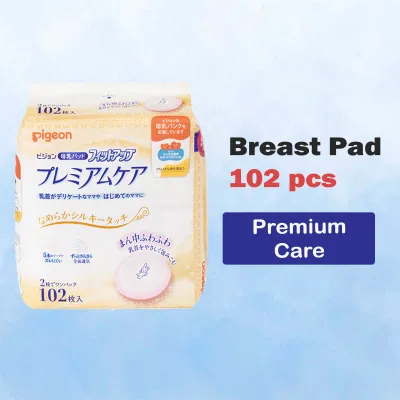
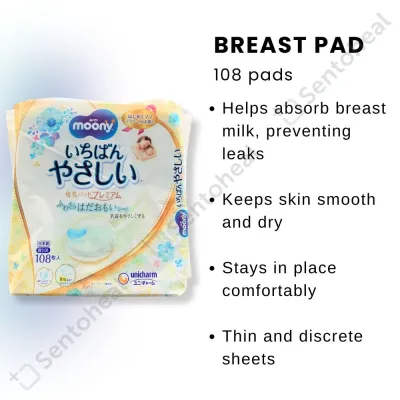
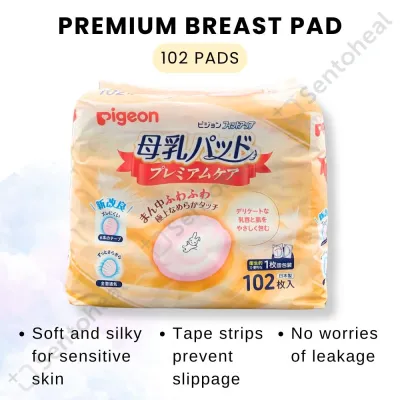
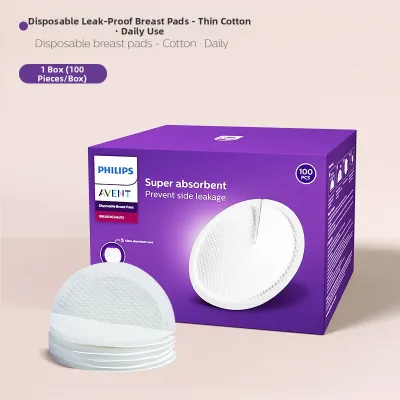
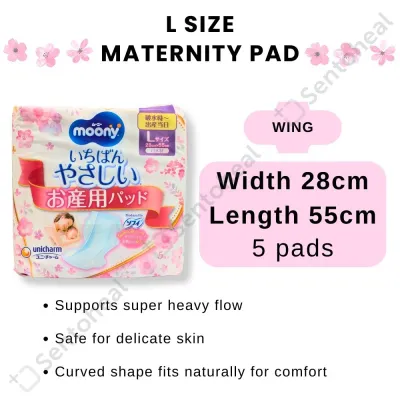
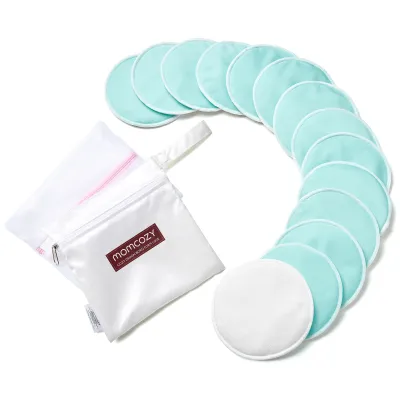
Prices are valid at publication and may change. Please refer to the product page for the latest price.
Another critical factor is how the pad contours to your body and fits inside your nursing bra. During a busy day of commuting, working, or caring for your baby, a pad that shifts, bunches, or rubs against your skin can cause significant discomfort. A secure, low-profile fit ensures that the pad remains virtually invisible under your clothing while maintaining its protective position directly over the nipple.
Finally, skin sensitivity must be a primary consideration. The repetitive suction of a breast pump can leave the skin and nipple area sensitized, making them highly vulnerable to friction and moisture-induced irritation. Choosing a pad with a soft, non-abrasive surface and excellent moisture-wicking capabilities is essential to prevent chafing and maintain overall breast health.
Comparing Absorbency and Leak Protection
To evaluate the absorbency of Moony, Pigeon, and Lansinoh breast pads, you must first learn to read the product packaging for details on their absorbent core materials. Most modern disposable pads utilize superabsorbent polymer (SAP) gels, which lock moisture away from the skin, or a blend of fluff pulp and polymer. When comparing these brands, look for specifications indicating the presence of high-capacity polymer cores, which are designed to turn liquid into a gel quickly, preventing back-flow even under pressure.

In addition to the core material, examine the physical construction of the leak guards and outer layers. High-quality pads typically feature a waterproof or water-resistant outer backing that prevents moisture from seeping through to your bra. Look for edge-sealing designs and side gathers, which act as physical barriers to contain sudden let-downs before the core can fully absorb the liquid.
Observing how each brand structures its pads for heavy flow or overnight use is also vital. For instance, some brands offer specific “heavy flow” or “overnight” variants that feature a wider surface area and a thicker absorbent layer. If you experience heavy leaking between pumping sessions or during the night, prioritize pads that explicitly state a higher capacity or a reinforced core structure on their labels.
Evaluating Fit, Contour, and Adhesive Stability
The shape of a breast pad determines how naturally it sits against your body and how discreetly it fits under your clothing. Standard flat pads often bunch up when placed inside a cup, creating visible lumps under thin fabrics. In contrast, 3D contoured shapes are pre-shaped to mimic the natural curve of the breast, providing a smoother silhouette and reducing the risk of friction caused by folded edges.
Adhesive stability is another crucial element, especially for active mothers who are constantly on the move. Check the backing of the pads to evaluate the placement, size, and strength of the adhesive strips. Pads with dual adhesive strips—one at the top and one at the bottom—generally offer much better stability than those with a single central strip, preventing the pad from flipping or folding over when you pull your nursing bra down to pump.
You should also consider the overall thickness of the pad in relation to your preferred nursing bras. While thicker pads may offer a sense of security regarding absorbency, they can sometimes feel bulky or warm. Thin, high-density pads can provide a more discreet fit without compromising on capacity, making them highly suitable for wearing under professional attire or fitted clothing.
Assessing Breathability and Skin Comfort
In Singapore’s humid environment, trapped heat and moisture can quickly lead to skin irritation, itching, or even yeast infections like thrush. To minimize these risks, pay close attention to the top-sheet materials listed on the packaging. Look for soft, non-woven fabrics or organic cotton blends that feel gentle against sore nipples and minimize friction during movement.
Breathability is largely determined by the outer layer of the pad. Many manufacturers design their back sheets with micro-pores or breathable membranes that allow air to circulate while keeping liquid contained. When shopping, look for terms like “breathable outer cover” or “air-flow design” on the product labels, as these features are essential for keeping the skin dry and cool throughout the day.
While finding a comfortable pad is the goal, it is important to monitor your skin’s reaction closely. If you experience persistent redness, itching, burning, or cracked skin that does not improve with a change of pad brand, stop using disposable pads immediately. Switch to a breathable, non-disposable alternative if appropriate, and consult a lactation specialist or a healthcare professional to rule out infections or severe contact dermatitis.
Calculating Price and Value in Singapore
When managing a household budget in Singapore, the ongoing cost of disposable breast pads can add up quickly. To find the true value of Moony, Pigeon, and Lansinoh pads, do not simply look at the retail price of a single box. Instead, calculate the cost per individual pad by dividing the total price of the package by the number of pads inside (for example, a box costing S$15 containing 60 pads results in a cost of S$0.25 per pad).
Consider your usage patterns when deciding between bulk packaging and smaller, travel-friendly packs. Bulk boxes purchased from local baby stores or online marketplaces often offer a lower cost per pad, making them ideal for home use. However, individually wrapped pads in smaller packs are highly convenient for keeping in your diaper bag or office drawer, even if they carry a slightly higher unit cost.
It is also wise to factor in the hidden costs of choosing an underperforming pad. A cheaper, lower-capacity pad that leaks can ruin expensive nursing bras, stain professional clothing, and require multiple changes throughout the day. Investing in a slightly more expensive, highly reliable pad can actually save you money and stress by reducing the frequency of changes and preventing laundry mishaps.
Decision Framework: Which Brand Fits Your Routine?
To finalize your choice, align the unique features of each brand with your daily pumping routine and physical comfort. Consider Moony breast pads if you prefer a design that emphasizes a soft, gentle top-sheet and a contoured fit that integrates smoothly with your nursing bra. This option is often favored by mothers who prioritize skin comfort and a discreet silhouette under their clothing.
Choose Pigeon breast pads if you require reliable adhesive stability and a structured shape that stays firmly in place during active daily movement. Their adhesive placement and overall design make them a practical choice for mothers who need to frequently pull down their nursing bras for pumping sessions without worrying about the pad shifting or losing its grip.
Opt for Lansinoh breast pads if your primary concern is managing a heavy milk flow or protecting highly sensitive skin with a proven, high-capacity absorbent core. Their focus on rapid absorption and soft materials makes them highly suitable for the early weeks of pumping when let-downs can be unpredictable and intense.
Before making a bulk purchase, always buy a smaller pack first to test for specific skin allergies or fit compatibility. Be sure to cross-check any manufacturer warnings on the packaging, especially regarding the recommended frequency of changes, to ensure you are using the product safely and hygienically.
Frequently Asked Questions (FAQ)
Can I reuse a disposable breast pad after a single pumping session?
No, disposable breast pads are strictly designed for single-use and should not be reused once they have been worn or exposed to moisture. Reusing a saturated pad, even if it feels only slightly damp, significantly increases the risk of bacterial and fungal growth, which can lead to skin infections or thrush. Always follow the manufacturer’s guidelines and discard the pad after use, or consider switching to washable, reusable cloth breast pads if you prefer a multi-use option.
Should I wear breast pads while sleeping if I pump at night?
Yes, wearing breast pads while sleeping is highly recommended for pumping moms to prevent nighttime leaks, which can occur as your body naturally regulates milk production. When selecting a pad for overnight use, look for options that feature a wider coverage area and a secure adhesive backing to prevent the pad from shifting as you toss and turn. Check the product labels to ensure the pads are rated for overnight or heavy-flow use to maintain dry skin and clean bedding until your morning pump.

Community discussion
Share your experience or ask a question. Comments are reviewed before publication.