
Quick Answer: Is Moony the Right Choice for Your Baby?
Choosing the right diaper pant in Singapore’s humid climate depends heavily on your child’s individual physiology. Moony pants are highly regarded for their exceptional softness, stretchable waistbands, and gentle materials, making them an excellent choice for babies prone to skin friction or those with highly active daily routines.
However, there is no single “best” diaper pant on the market. While Moony excels in comfort and flexibility, other leading brands might serve your needs better if you require maximum overnight absorbency for heavy wetters or if you are prioritizing a more budget-friendly cost per unit for daytime changes.
Ultimately, the ideal diaper pant is one that matches your baby’s unique body shape, skin sensitivity, and activity level. Parents should evaluate how a diaper performs on their child under real-world conditions rather than relying solely on marketing promises.
Products mentioned in this guide
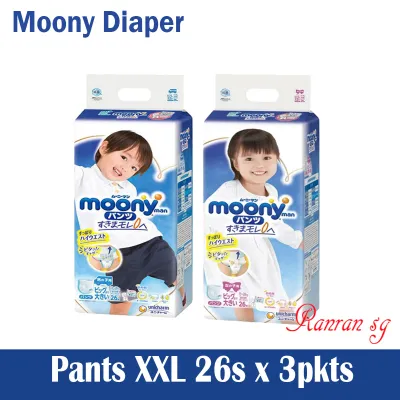
![Moony Air Fit Pants Super Premium Baby Diapers [GIRL] XL38 (1 Pack) (12 - 22kg)](https://img.lazcdn.com/g/p/dbb6d3e4bfc43d5e63ed009fbf1a9ecb.jpg_400x400q80.jpg_.webp)
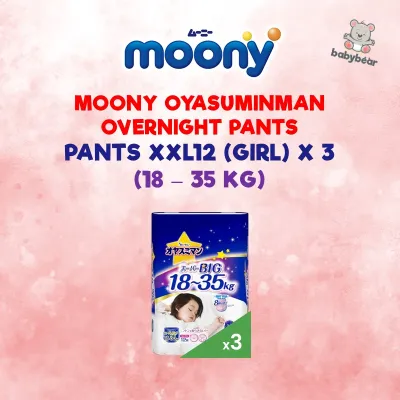
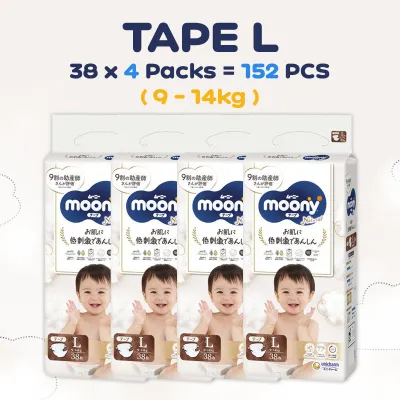
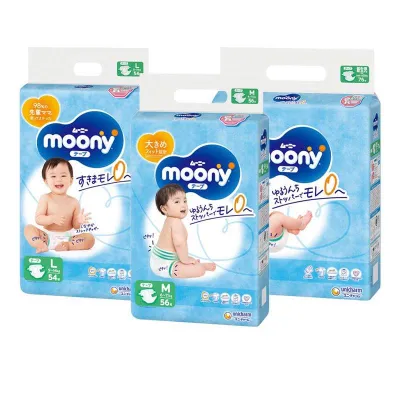
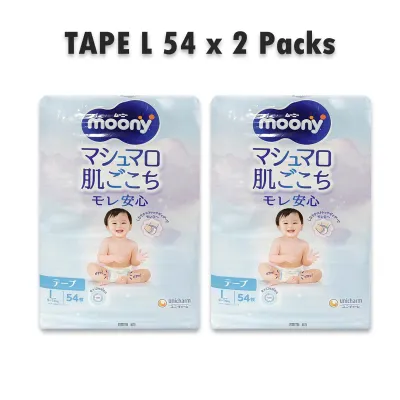
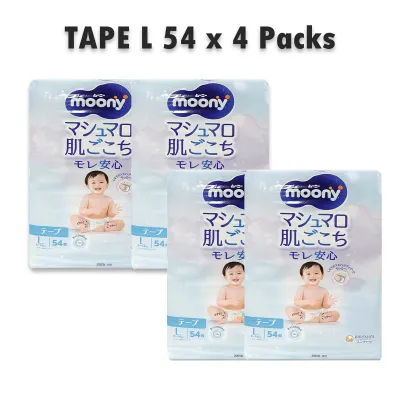
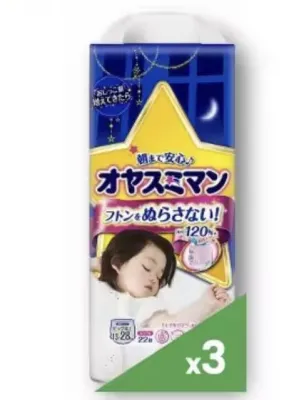
Prices are valid at publication and may change. Please refer to the product page for the latest price.
Core Dimensions for Comparing Diaper Pants
To make an informed comparison, parents must look past promotional slogans and understand the technical and practical elements that differentiate diaper pants. In Singapore, where high humidity can exacerbate skin irritation, evaluating these core dimensions is essential for maintaining your baby’s comfort and health.

- Absorbency and Leak Protection: The effectiveness of a diaper pant relies on its core padding technology and the design of its physical barriers. Modern diaper pants typically utilize Superabsorbent Polymers (SAP) blended with wood pulp to lock moisture away from the skin. Beyond the core capacity, the design of the leg gussets—the double-layered elastic barriers around the thighs—plays a critical role in preventing lateral leaks, especially when your baby is sitting, crawling, or sleeping.
- Fit and Comfort: Unlike tape diapers, diaper pants rely entirely on the elasticity of the waistband and leg cuffs to stay secure without being restrictive. A well-designed waistband must distribute pressure evenly across the baby's abdomen to prevent red marks and digestion discomfort, while still providing enough tension to keep the diaper from sagging when wet. The stretchability of these components also dictates how easy the pants are to pull on and tear off during quick changes.
- Breathability and Skin Health: The microclimate inside a diaper can quickly become hot and damp, creating an environment ripe for diaper rash and bacterial growth. High-quality diaper pants incorporate micro-porous outer covers and textured inner sheets that facilitate continuous airflow. When evaluating skin health claims, parents should look for materials that minimize friction against the skin, as physical rubbing combined with moisture is a primary trigger for localized dermatitis.
- Value and Cost Efficiency: While performance is paramount, diapering is a multi-year expense that significantly impacts household budgets. Calculating the true value of a diaper brand requires looking at the cost per single unit rather than the price per pack, as pack counts vary widely between brands and sizes. Additionally, a slightly more expensive diaper that lasts through the night without leaking can sometimes offer better overall value than a cheaper diaper that requires multiple changes and extra laundry cycles.
Before purchasing any brand, parents are strongly encouraged to inspect physical product labels and packaging. These labels provide crucial information regarding weight guidelines, material compositions, and specific care instructions that help ensure the product is used safely and effectively.
Moony Pants: Design Features and Ideal Use Cases
Moony pants, manufactured by Unicharm, have established a distinct reputation in the premium diaper segment due to their focus on anatomical fit and material softness. The brand employs proprietary design elements aimed at mimicking the gentle touch of natural fabric, which is particularly beneficial for the delicate skin of infants and toddlers.
One of the standout features of Moony pants is their “Soft Fit” waistband. This design utilizes highly flexible, low-tension elastic fibers that expand easily to accommodate a baby’s rounded belly after feeding, then contract gently during active play. This dynamic adjustment minimizes the risk of red pressure marks while preventing the diaper from slipping down as it fills.
Additionally, Moony pants often feature a specialized inner sheet with a wavy or textured surface. This structure helps to quickly channel liquid away from the surface while minimizing the surface area of the diaper that directly contacts the baby’s skin. By reducing skin-to-liquid contact, the design helps maintain dryness even during extended wear periods.
These design choices make Moony pants particularly well-suited for specific use cases. Active toddlers who are constantly on the move benefit from the high elasticity and secure leg cuffs, which adapt to wide movements without gaping. Similarly, babies who frequently experience friction-induced redness around the waist or thighs often find relief when switching to Moony’s softer materials.
However, parents must recognize the safety boundaries associated with diaper use. While Moony pants are designed with gentle materials, no diaper is universally hypoallergenic or guaranteed to prevent skin irritation for every child. Parents must monitor their baby’s skin regularly for signs of redness, chafing, or rash. Frequent diaper changes, gentle cleaning, and allowing the skin to air-dry completely are the most effective defenses against diaper rash. If a persistent or severe rash develops, parents should stop using the product and consult a qualified pediatrician or healthcare professional immediately.
How Moony Stacks Up Against Other Market Leaders
To understand where Moony pants sit in the broader Singapore market, it is helpful to compare their performance across key categories against other premium and mainstream diaper pant brands. This comparison highlights the trade-offs parents face when choosing between different design philosophies.
Fit, Elasticity, and Comfort
When comparing fit, Moony’s design philosophy leans heavily toward maximum softness and a gentle, low-tension hold. This contrasts with some competing premium brands that prioritize a highly structured, snug fit. While a tighter waistband might offer a sense of security for parents of exceptionally active babies, it can sometimes result in deep red marks if the baby’s body shape is more rounded.
Moony’s high-stretch waistbands allow for easier application, especially when dealing with a squirming toddler. However, parents should be aware that sizing cuts can vary dramatically across different brands, even when the packages display identical weight ranges. For instance, a “Large” size in Moony pants may fit differently than a “Large” in a Western-designed brand, which may feature a narrower but longer cut.
To ensure optimal comfort and prevent leaks, parents must check the specific weight ranges and physical size charts printed on the manufacturer’s packaging. If your baby is at the upper limit of a size range or has particularly chunky thighs, choosing a brand with a wider leg opening or sizing up is often necessary to achieve a comfortable, non-restrictive fit.
Absorbency and Overnight Performance
Absorbency is a critical battleground for diaper brands, and Moony pants deliver reliable liquid retention that easily handles standard daytime and standard nighttime use. The core quickly absorbs liquid and distributes it evenly, preventing the diaper from sagging heavily in one spot. This balanced distribution is highly beneficial for maintaining a baby’s balance and comfort during daytime exploration.
For overnight use, however, the performance requirements change significantly. While Moony pants perform admirably for average wetters overnight, parents of heavy wetters—babies who drink large amounts of fluids before bed—may find that standard daytime pants are pushed to their limits. In such scenarios, some competing brands offer specialized overnight variants with reinforced absorption zones designed specifically to handle prolonged, high-volume wetting.
When comparing overnight capabilities, it is important to look at the specific product lines. If your child consistently wakes up with damp pajamas, transitioning to a dedicated overnight diaper pant or a high-capacity alternative during sleep hours may be more effective than relying on a single all-day diaper type.
Breathability and Skin Sensitivity
In Singapore’s tropical climate, breathability is not just a comfort feature; it is a vital component of skin health. Moony pants utilize highly breathable outer sheets that allow heat and moisture vapor to escape while keeping liquid safely contained. This design helps maintain a cooler, drier microclimate next to the baby’s skin, reducing the risk of heat rash and irritation.
Other premium brands also target sensitive skin, often incorporating organic cotton fibers or plant-based materials into their top sheets. While these material enhancements can provide a luxurious feel, the presence of premium materials does not eliminate the need for diligent hygiene.
Regardless of how breathable a diaper pant claims to be, frequent changes remain the primary defense against diaper rash. Prolonged exposure to urine and stool will break down the skin barrier, leading to irritation. Parents should establish a regular changing schedule, clean the diaper area thoroughly with gentle wipes or water, and ensure the skin is dry before putting on a fresh diaper pant.
Decision Framework: Choosing the Best Diaper Pant
Navigating the crowded diaper market requires a structured approach that aligns a brand’s specific strengths with your baby’s unique physical needs and your household budget. Use the following conditional framework to help guide your decision:
- Choose Moony if: Your baby has highly sensitive skin that is prone to friction marks, redness, or irritation from stiffer materials; you prioritize a highly stretchable, soft waistband that accommodates a rounded tummy and simplifies changes on active, squirming toddlers; or your baby has a standard to average wetting profile and requires a diaper that offers a highly flexible, non-restrictive fit for daytime movement.
- Choose alternative premium brands if: You prefer specific regional cuts or narrow-fit designs that better match your baby's long or slender body proportions; you require specific independent material certifications, such as organic textile standards, that are explicitly verified on the packaging of alternative eco-focused brands; or you find that Moony's specific cut results in gaps around your baby's thighs or waist, which can lead to persistent leaks.
- Choose high-absorbency or specialized overnight brands if: Your baby is an exceptionally heavy wetter, and standard pants consistently fail to prevent leaks during long overnight sleep stretches; or you require a diaper with a reinforced rear or front absorption zone tailored specifically to your baby's sleeping position.
- Verify first if: Your baby has known allergies, extremely sensitive skin, or pre-existing dermatological conditions. Always carefully read the ingredient and material lists printed on the product box, and consult a qualified healthcare professional or pediatrician before introducing a new diaper brand to ensure it is safe for your child's specific skin needs.
Buying Authentic Diapers in Singapore
Ensuring the safety and hygiene of the products you use on your baby starts with where you shop. In Singapore, parents should purchase diaper pants only from reputable, authorized sources to guarantee product authenticity and proper storage conditions.
To ensure you are getting genuine products, buy directly from official brand websites, authorized mother-and-baby specialty retail chains, or major local supermarkets. When shopping online, look for verified official flagship stores on reputable e-commerce platforms, which are directly managed by the brands or their authorized distributors.
Be highly cautious of unusually low prices or deals from unverified third-party sellers on online marketplaces. Counterfeit or improperly stored diapers can pose severe hygiene risks, as they may have been exposed to moisture, pests, or substandard manufacturing processes that can lead to severe skin infections and chemical irritation.
Frequently Asked Questions (FAQ)
How do I know if it is time to size up in Moony pants?
While the weight ranges printed on diaper packaging serve as a useful starting point, they are only general guidelines. A baby’s unique body shape, thigh circumference, and torso length are often much more accurate indicators of when it is time to transition to the next size.
You should consider sizing up if you notice physical signs of a tight fit, such as deep red marks or indentations left on your baby’s waist or thighs after wear. Frequent leaks from the leg cuffs or waistband, especially when the diaper is not completely full, also suggest that the current size lacks the physical volume needed to contain waste. Additionally, if you find yourself struggling to pull the waistband up comfortably over your baby’s hips, or if the rise of the diaper sits too far below the belly button, it is a clear sign that your baby has outgrown the current size.

Community discussion
Share your experience or ask a question. Comments are reviewed before publication.