
When evaluating premium diapers like Moony Organic, Merries, and Pampers, there is no single universal winner; the best choice depends entirely on your baby’s skin sensitivity, movement level, and your household budget. In Singapore’s warm and humid climate, finding the right diaper involves balancing breathability, absorbency, and skin protection to prevent issues like heat rash or diaper dermatitis. Because marketing claims can be highly subjective, this guide shifts the focus from unverified performance promises to actionable evaluation methods. By understanding how to read packaging labels, observe real-world wear, and calculate true cost per use, you can confidently determine which premium brand aligns with your baby’s specific needs.
Decoding the Core Claims: Moony Organic, Merries, and Pampers
To make an informed comparison, caregivers must first look past front-of-pack marketing and examine the specific design philosophies and material claims of each brand. Moony Organic positions itself as a premium choice for highly sensitive skin, emphasizing the inclusion of organic cotton in its top sheet. When evaluating this brand, look for official certification labels on the packaging, such as the Oeko-Tex Standard 100, which verifies that the materials have been tested for harmful substances. The brand’s design focus centers on minimizing skin contact with synthetic fibers and reducing the risk of irritation through additive-free, weakly acidic sheets that match the natural pH of a baby’s skin.
Merries, on the other hand, focuses heavily on ventilation and heat dissipation, which is particularly relevant for families living in tropical environments. The brand utilizes an “air-through” design, featuring a wavy or textured inner surface designed to create air channels between the diaper and the baby’s skin. This structure aims to release moisture and heat outward, keeping the skin dry. When examining a pack of Merries, check the manufacturer’s descriptions of their multi-layer breathable sheets, which are engineered to let moisture vapor escape while keeping liquid securely contained.
Products mentioned in this guide
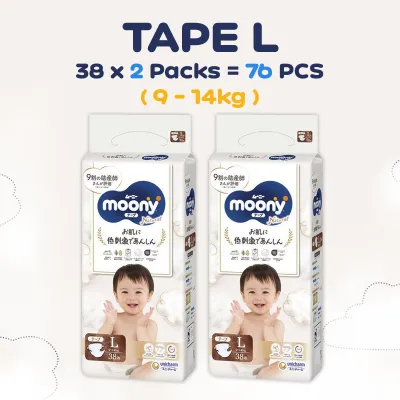
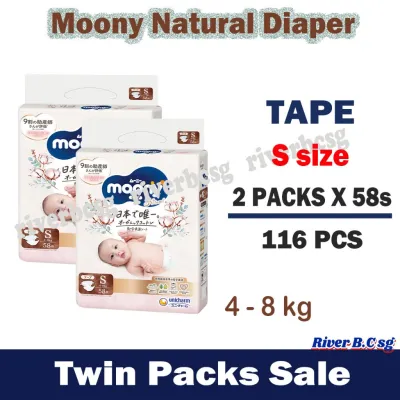
![Moony Low Irritation Pants Baby Diapers M 46pcs x 3 packs (5-10 kg) [Carton]](https://img.lazcdn.com/g/p/dca71e080cfbffa10b7adf841afc4b03.jpg_400x400q80.jpg_.webp)
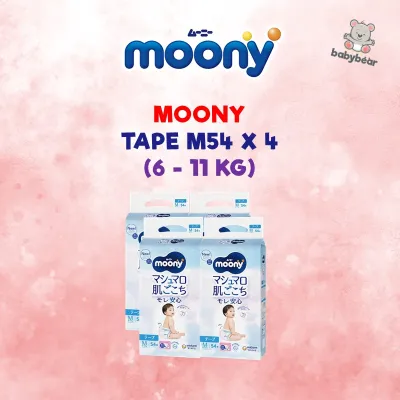
![Moony Low Irritation Tape M46 (6 - 11kg) [Carton]](https://img.lazcdn.com/g/p/ace131a438dae4029267067c0b7afc23.jpg_400x400q80.jpg_.webp)
Prices are valid at publication and may change. Please refer to the product page for the latest price.
Pampers premium lines, such as Pampers Premium Care, prioritize high-speed absorbency and structural wetness management. Their packaging typically highlights features like unique absorption channels or gel-based cores designed to distribute liquid evenly and lock it away from the skin. Rather than relying on organic fibers, these lines focus on synthetic material sourcing optimized for rapid dryness and a thin, flexible profile. Reviewing these labels helps you understand whether a diaper relies on physical material softness, active ventilation structures, or advanced chemical absorption cores to protect your baby’s skin.
Evaluating Softness and Skin Compatibility
Evaluating softness goes beyond a simple touch test; it requires a systematic physical inspection of the diaper’s key contact points before committing to a bulk purchase. Start by purchasing a small trial pack or obtaining individual samples. Open the diaper and run your fingers along the inner lining that directly touches the baby’s skin. Note whether the texture feels fibrous, smooth, or textured. Next, stretch the waistband and side panels to assess their elasticity. A high-quality premium diaper should stretch smoothly without requiring excessive force, and the gathered elastic should feel soft rather than stiff or sharp. Finally, inspect the tape fasteners; they should have rounded corners and a soft backing to prevent them from scratching the baby’s thighs during movement.

Beyond physical touch, look for specific dermatological indicators on the packaging. Legitimate premium brands often display hypoallergenic labels or state that their products are free from added fragrances, latex, and chlorine processing. Look for independent clinical testing seals rather than generic self-declared “dermatologist tested” claims. These certifications provide a standardized baseline for skin compatibility, reducing the likelihood of allergic reactions.
Even with certified materials, real-world observation is the ultimate test of skin compatibility. Monitor your baby’s skin closely during the first few days of using a new brand. Look for localized redness, friction marks, or chafing around the waistline and leg cuffs, which often indicate that the elastic is too tight or the material is too abrasive for your baby’s body shape. In humid climates, a lack of breathability can quickly lead to heat rash in the folds of the skin. If you observe persistent redness that does not fade between changes, it is a clear signal to re-evaluate the fit or switch to a brand with a different material composition.
Assessing Absorbency and Leak Protection
Absorbency and leak protection are critical for maintaining skin health and preventing sleep disruptions. To evaluate these factors objectively, start by observing the wetness indicator strip on the outside of the diaper. A reliable indicator should change color clearly and quickly when moisture is present, allowing you to monitor wetness without opening the diaper. Check the visibility of this strip under different lighting conditions, such as dim nursery light during nighttime changes, to ensure you can easily read it without disturbing your baby.
Another key aspect to observe is how the diaper behaves as it fills. After several hours of wear or a heavy wetting event, check the diaper’s structural integrity. Some diapers maintain a relatively flat, stable profile, while others may sag heavily, clump, or swell into a bulky mass. Excessive sagging can pull the diaper away from the baby’s body, creating gaps at the waist and thighs that lead to leaks. A premium diaper should distribute liquid evenly across its core, preventing localized pooling and keeping the inner surface dry to the touch even when saturated.
Finally, pay close attention to the leak guard barriers around the thighs. These are the elasticated inner cuffs designed to contain liquid and runny stools. Gently pull the cuffs outward to inspect their height and flexibility. The barriers should stand upright and form a gentle, secure seal against the baby’s skin without digging in. During active daytime movement or side-sleeping at night, these guards must flex with the baby’s body. If you notice frequent leaks despite the diaper not being fully saturated, the leak guards may be failing to maintain a proper seal, indicating a mismatch in size or shape.
Calculating True Value and Navigating Sizing
Determining the true value of a premium diaper requires looking past the initial shelf price and calculating the cost per unit. To calculate this, divide the total price of the pack by the number of diapers inside (Price / Pack Count = Cost per Diaper). Because prices fluctuate across different online marketplaces and physical retailers in Singapore, keeping a simple spreadsheet or note on your phone can help you track which platforms offer the best value, especially when purchasing in bulk or during promotional events.
When comparing costs, remember that sizing plays a major role in unit pricing. As diaper sizes increase (from Newborn to S, M, L, and XL), the number of diapers per pack typically decreases, raising the cost per unit. To optimize fit and value, rely on the weight ranges printed in kilograms on the packaging rather than generic size labels. Every baby’s body shape is unique; a baby who is tall and lean may require a different size or brand than a baby of the same weight who has rounder thighs. Always verify the manufacturer’s specific weight guidelines on the packaging before purchasing. If your baby is approaching the upper limit of a size’s weight range, it is often more cost-effective to transition to the next size up to prevent leaks and ensure adequate coverage, even if the pack count is slightly lower.
Additionally, factor the required change frequency into your value calculations. A diaper that saturates quickly or causes skin dampness may require more frequent changes throughout the day, leading you to consume more diapers overall. Conversely, a highly absorbent premium diaper that keeps the skin dry for longer periods may reduce the total number of daily changes, ultimately proving more economical. Balance the unit cost with the diaper’s real-world performance to find the true sweet spot for your household budget.
Decision Framework: Choosing the Right Premium Diaper
To simplify your selection, use a conditional decision framework based on your baby’s specific skin needs, physical cues, and your daily routine.
Choose Moony Organic if your primary goal is to protect highly reactive, sensitive, or eczema-prone skin. Its inclusion of organic cotton and weakly acidic top sheets provides a gentle, low-friction barrier that minimizes the risk of contact irritation. This brand is particularly suitable for newborns and infants whose skin barriers are still developing and require the gentlest possible materials.
Choose Merries if your baby is highly active, prone to heat rash, or if you live in a particularly warm and humid environment. The air-through design and textured inner lining excel at promoting airflow and dissipating heat, helping to keep the skin dry and cool during active daytime play.
Choose Pampers premium lines if your main priorities are overnight dryness, high-speed absorption, and a slim, non-bulky fit. The advanced absorption channels and gel cores are highly effective at locking away large volumes of liquid, making them an excellent choice for older babies who sleep through the night or for long outings where frequent changes are difficult.
Before making a final decision, always verify your baby’s physical feedback. If you notice unexplained rashes, persistent dampness, or deep red elastic marks around the thighs and waist, these are clear indicators that the current brand or size is not a proper match. If your baby develops persistent skin irritation, unexplained rashes, or signs of infection, stop using the diaper immediately and consult a qualified healthcare professional.
Frequently Asked Questions (FAQ)
Can I mix different premium diaper brands for day and night use?
Yes, alternating diaper brands based on your daily routine is a practical way to balance performance and cost. Many caregivers choose to use a highly breathable, lightweight diaper like Merries during the active daytime hours to prevent heat buildup, and switch to a highly absorbent option like Pampers premium lines for overnight sleep to ensure uninterrupted rest. Before adopting this strategy, monitor your baby’s skin to ensure they tolerate the different materials, adhesives, and waistband elastic tensions without developing localized irritation or friction marks at the transition points.
How do I verify if a premium diaper's organic or hypoallergenic claims are legitimate?
To verify these claims, look for recognized, independent third-party certification logos printed directly on the diaper packaging rather than relying solely on front-of-pack marketing terms. Look for certifications such as Oeko-Tex Standard 100, which guarantees the product is free from harmful levels of chemical substances, or the Global Organic Textile Standard (GOTS) for organic fiber content. If these logos are not visible, visit the manufacturer’s official website or contact their customer service to request detailed material safety data sheets and verification of their testing protocols.

Community discussion
Share your experience or ask a question. Comments are reviewed before publication.