
Choosing the right diaper for your baby is one of the most frequent decisions you will make as a parent, especially in Singapore’s warm and humid climate. With a wide array of premium options lining the shelves of local supermarkets and online marketplaces, finding the perfect balance between skin health, leak protection, and budget can feel overwhelming. Moony Natural has gained significant attention among parents seeking high-quality diapering solutions, but how does it truly compare to other premium diaper brands available in the local market?
There is no single “best” premium diaper that works universally for every baby. While Moony Natural offers specific material and design features, such as organic cotton blends and a soft tactile feel, the ideal choice ultimately depends on your baby’s individual body shape, skin sensitivity, and your household budget. A diaper that keeps one infant dry and comfortable all night might cause leaks or red marks on another.
This guide provides a practical, objective framework to help you compare Moony Natural against other premium diaper brands. By focusing on observable features, packaging specifications, and real-world usage conditions, you can make an informed decision that suits your baby’s unique needs. We will break down how to evaluate absorbency, comfort, fit, and overall value so you can choose the right option with confidence.
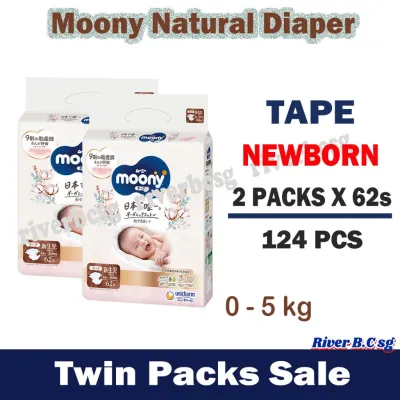
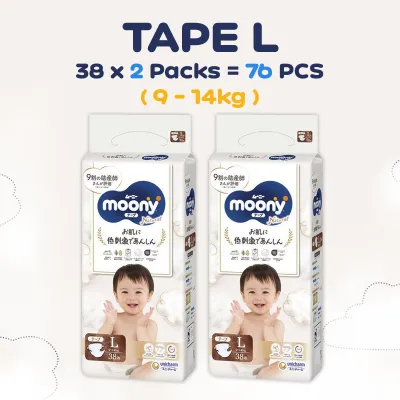
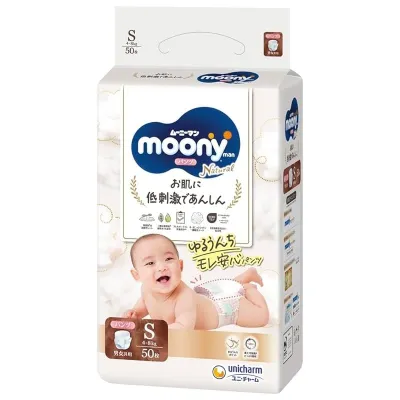
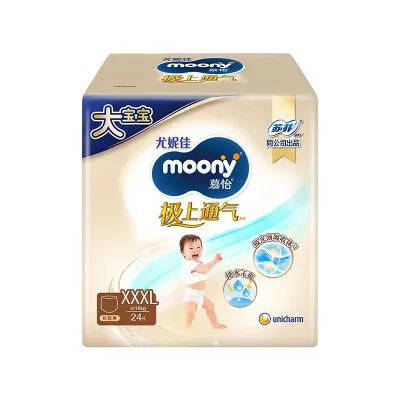
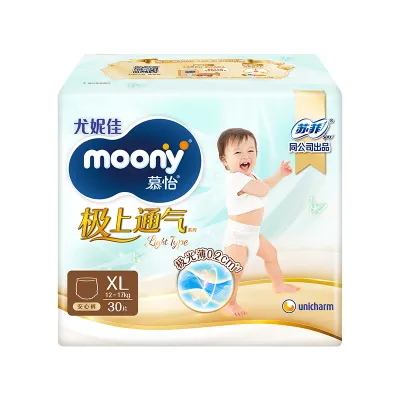
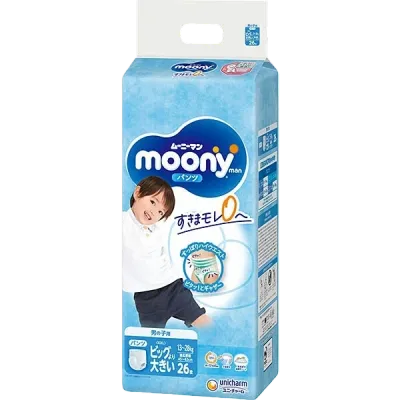
Products mentioned in this guide
![Moony Low Irritation Tape M46 (6 - 11kg) [Carton]](https://img.lazcdn.com/g/p/ace131a438dae4029267067c0b7afc23.jpg_400x400q80.jpg_.webp)
Prices are valid at publication and may change. Please refer to the product page for the latest price.
Understanding Moony Natural and the Premium Diaper Market
In the diapering world, the term “premium” generally refers to products that go beyond basic containment to offer enhanced skin protection, specialized materials, and advanced engineering. When evaluating Moony Natural and its competitors, it is important to understand what these premium designations actually mean. Rather than relying solely on marketing buzzwords, parents should look at the concrete features listed on the product packaging to understand what they are paying for.
Common premium marketing claims include the use of organic cotton blends, plant-derived materials, pH-balanced inner sheets, and advanced absorbent cores designed to lock away moisture rapidly. While these features sound promising, their effectiveness can vary. For instance, a diaper featuring organic cotton on the inner sheet aims to provide a gentler surface against delicate skin, but this must be balanced with how well the underlying core handles liquid distribution.
It is also crucial to recognize that a diaper’s performance is highly subjective and depends heavily on your baby’s physical build. Babies come in all shapes and sizes; some have rounder tummies, while others have chunkier thighs or a more slender frame. A diaper brand that fits a slender baby perfectly might cause gaps and subsequent leaks on a baby with thicker thighs. Therefore, understanding your baby’s current growth stage and body shape is just as important as reading the product specifications.
When comparing Moony Natural to other premium brands, always check the manufacturer’s latest packaging labels for specific material compositions and safety certifications. Manufacturers frequently update their designs, core technologies, and material sources. Keeping an eye on these updates ensures you are making comparisons based on the most current product versions available in Singapore.
Comparing Absorbency and Leak Protection
Absorbency is arguably the most critical function of any diaper, particularly during long night stretches or outings. To evaluate and compare the absorbency of Moony Natural against other premium options, you do not need laboratory equipment; instead, you can perform simple, observable checks at home. Start by examining the diaper’s core technology as described on the packaging, looking for details on how the liquid distribution layers are structured.

Modern premium diapers often utilize superabsorbent polymers (SAP) arranged in channels to distribute wetness evenly and prevent sagging. When a diaper lacks effective distribution channels, liquid tends to pool in one spot, leading to a heavy, uncomfortable clump that can leak under pressure. By feeling the diaper after it has been worn, you can observe whether the wetness is distributed evenly from front to back or if it remains concentrated in a single area.
Leak protection also relies heavily on physical barriers. Inspect the design of the leak-guard barriers and leg cuffs on the diaper. High-quality premium diapers typically feature double-layered, elasticated leg cuffs that stand upright when the diaper is opened. These cuffs act as a physical dam against sudden rushes of liquid. For active babies who crawl, roll, or walk, these barriers must remain flexible yet snug against the skin to prevent gaps during movement.
To assess overnight performance, monitor your baby’s skin dryness and the condition of the diaper in the morning. A high-performing premium diaper should leave the baby’s skin feeling dry to the touch, even after several hours of sleep. If you notice dampness on the baby’s skin, significant sagging of the diaper core, or moisture seeping through the outer cover, it indicates that the diaper’s absorbent capacity or distribution speed may not be sufficient for your baby’s overnight needs.
Evaluating Comfort, Fit, and Skin Friendliness
A baby’s skin is incredibly thin and sensitive, making comfort and skin friendliness top priorities for parents. When comparing Moony Natural with other premium brands, you can assess physical comfort through tactile and visual checks. Start by running your hand over both the inner lining and the outer cover of the diaper. Note the texture; some premium diapers offer a fluffy, cotton-like feel, while others utilize smooth, silky non-woven synthetic fabrics. Your baby’s skin may respond better to one texture over the other.
Fit is another essential component of comfort. Check the elasticity and flexibility of the waistband and the tape tabs. A good premium diaper should feature a highly stretchable waistband that conforms to your baby’s movements without digging into their skin. When fastening the diaper, the tape tabs should secure firmly and allow for easy adjustments. After your baby has worn the diaper for a few hours, inspect their waist and thighs for any red marks or indentations, which are clear signs that the fit is too tight or the elastic is too stiff.
Dermatological safety is a major selling point for premium diapers, with many brands highlighting hypoallergenic properties or dermatological testing. Because terms like “hypoallergenic” can be used broadly, it is wise to look for specific details on the packaging, such as the absence of added fragrances, natural latex, or elemental chlorine bleaching. These substances are common triggers for skin irritation and contact dermatitis in sensitive infants.
Always monitor your baby’s skin closely whenever you introduce a new diaper brand or line. Even if a diaper is marketed as organic or ultra-gentle, individual sensitivities can still occur. If you notice localized redness, bumps, or irritation that aligns with the diaper’s contact areas, it may indicate that the specific materials or lotions used in that brand do not agree with your baby’s skin.
Calculating True Value and Cost Per Diaper
Premium diapers undoubtedly come with a higher price tag than standard options, but evaluating their true value requires looking beyond the upfront cost of a single pack or box. To make an accurate financial comparison, you must calculate the exact cost per diaper. You can easily do this by dividing the total price of the package by the precise number of diapers inside. In Singapore, prices can vary significantly between retailers, so performing this calculation based on your preferred purchasing channel is essential.
For example, if a pack of premium diapers costs S$26.00 and contains 52 pieces, the unit cost is S$0.50 per diaper. Comparing this unit cost across different brands and sizes gives you a clear baseline for financial comparison. Keep in mind that as your baby grows and moves into larger sizes, the number of diapers per pack typically decreases, which increases the cost per piece even if the pack price remains the same.
To optimize your diapering budget, factor in bulk-buying options, subscription discounts, and seasonal promotions. Many online marketplaces and local baby specialty stores in Singapore offer lower unit prices when you purchase diapers by the carton or sign up for recurring delivery services. Taking advantage of these offers can make premium brands like Moony Natural more accessible and cost-effective over the long term.
Additionally, consider how the diaper’s performance affects your overall usage rate. A highly absorbent premium diaper that keeps your baby dry for longer periods may reduce the total number of diaper changes required each day. If a slightly cheaper diaper requires six changes a day due to frequent dampness, while a premium diaper only requires four, the premium option may turn out to be more economical and convenient, despite the higher upfront unit cost.
Decision Framework: Choosing the Right Premium Diaper
To help you decide between Moony Natural and other premium diaper brands, it is helpful to use a structured decision framework based on your specific parenting priorities and your baby’s unique characteristics. No single diaper is perfect for every scenario, so identifying what matters most to you—whether it is material composition, specific fit, or budget—will guide you to the right choice.
You should consider choosing Moony Natural if your primary focus is on specific material features, such as the inclusion of organic cotton in the inner sheet, and if your baby has responded well to its soft, cloth-like texture. This brand is often a strong fit for parents who prioritize plant-derived materials and a gentle, plush feel against their baby’s skin, provided the diaper’s specific cut aligns well with their baby’s body shape.
On the other hand, you may want to explore alternative premium brands if your baby has a unique physical build that requires a different fit. For instance, if your baby has exceptionally chunky thighs or a very round tummy, another brand with wider leg cuffs or a more generous waistband stretch might prevent leaks and red marks more effectively. Similarly, if you require specialized features like extreme overnight capacity for a heavy wetter, or a specific high-back waistband design to prevent blowouts, other premium lines may serve your needs better.
Regardless of the brand you choose, safety and skin health should always come first. If your baby has known skin conditions, eczema, or severe allergies, it is crucial to verify the diaper’s material list carefully. Always consult a pediatrician or a qualified healthcare professional before switching to a new premium line if your baby is experiencing persistent diaper rashes or skin irritation. A medical professional can help identify potential triggers and recommend the best course of action for your baby’s skin health.
Frequently Asked Questions (FAQ)
Is it safe to mix different premium diaper brands for day and night use?
Yes, it is entirely safe and highly practical to mix different premium diaper brands for daytime and nighttime use. Many parents find that using a lighter, more breathable, and slightly less expensive diaper during the day—when changes are frequent—works perfectly. They then switch to a high-capacity, ultra-absorbent premium diaper for overnight sleep to ensure the baby remains dry and undisturbed. The key is ensuring that both brands fit your baby well, prevent leaks, and do not cause any skin irritation. When introducing a new brand for nighttime use, monitor your baby’s skin closely in the morning to ensure no sensitivities develop during those extended hours of contact.
How do I know if a premium diaper is the right size for my baby?
While diaper packaging provides general weight guidelines, these are only starting points. Your baby’s unique body shape, thigh thickness, and tummy size are much more accurate indicators of fit. You will know it is time to size up if you observe physical signs such as red marks or indentations around your baby’s thighs or waist, or if the tape tabs are struggling to fasten securely near the center of the waistband. Frequent leaks, blowouts, or the diaper looking visibly too low on your baby’s waist or failing to cover their buttocks fully are also clear indicators that a larger size is required for proper containment and comfort.
Do premium diapers guarantee the prevention of diaper rash?
No diaper, regardless of its premium status, organic materials, or advanced technology, can completely guarantee the prevention of diaper rash. Diaper rash is primarily caused by prolonged exposure to moisture, friction, and the enzymes present in urine and stool. While premium diapers often feature superior absorbency and breathable materials that help reduce these risk factors, proper hygiene remains essential. To minimize the risk of rash, ensure you perform frequent diaper changes, cleanse the diaper area gently with water or alcohol-free wipes, allow the skin to air dry completely, and apply a suitable barrier cream as recommended by your pediatrician.

Community discussion
Share your experience or ask a question. Comments are reviewed before publication.