
Active toddlers in Singapore require pull-up diapers that keep up with constant movement while managing moisture in a hot, humid climate. When comparing Moony Airfit Pants, MamyPoko, and Huggies, there is no single option that suits every child. The ideal choice depends on your toddler’s unique body shape, skin sensitivity, and daily activity levels. Parents must evaluate how each brand’s physical design, material specifications, and sizing structure align with their child’s needs to ensure comfort and prevent leaks.
Selecting the right pull-up diaper involves looking past marketing claims and focusing on observable fit and performance. In Singapore’s tropical weather, trapped heat and moisture can quickly lead to skin irritation. By understanding the structural differences between these three popular brands, you can make an informed decision that supports your toddler’s active development. This guide outlines how to inspect, compare, and verify these products to find the most suitable option for your household.
Understanding the Core Differences in Design and Fit
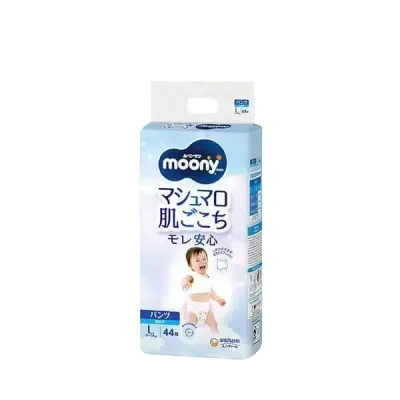
To find a pull-up diaper that stays secure during active play, caregivers should first examine the structural design and cut of each brand. Moony Airfit Pants are recognized for their focus on a gentle, form-fitting design. According to manufacturer specifications, they feature a flexible waistband and curved leg gathers designed to hug the toddler’s body without applying excessive pressure. This design aims to accommodate babies with rounder bellies or delicate skin by distributing tension evenly across the waist.
Products mentioned in this guide
![Moony Air Fit Pants Super Premium Baby Diapers [GIRL] XL38 (1 Pack) (12 - 22kg)](https://img.lazcdn.com/g/p/dbb6d3e4bfc43d5e63ed009fbf1a9ecb.jpg_400x400q80.jpg_.webp)
![MamyPoko Air Fit Marshmallow Pants Super Premium Baby Diapers [GIRL] XXL26 (1Pack) (13 - 28kg)](https://img.lazcdn.com/g/p/d0b52013b9364dfb9d4b00bbb3d3109f.jpg_400x400q80.jpg_.webp)
![MamyPoko Air Fit Marshmallow Pants Super Premium Baby Diapers [BOY] L44 (4 Packs) (9 - 14kg)](https://img.lazcdn.com/g/p/0eed4334f37f614c73ef0afd6f0c8d67.jpg_400x400q80.jpg_.webp)
![MamyPoko Air Fit Marshmallow Pants Super Premium Baby Diapers [GIRL] XL38 (1 Pack) (12 - 22kg)](https://img.lazcdn.com/g/p/695472e6615fc8e51f00c424e0f89297.jpg_400x400q80.jpg_.webp)
![MamyPoko Air Fit Marshmallow Pants Super Premium Baby Diapers [UNISEX] M58 (3 Pack) (5 - 10kg)](https://img.lazcdn.com/g/p/99c2e6bafaf12352be9d27a3a2a5e222.jpg_400x400q80.jpg_.webp)
Prices are valid at publication and may change. Please refer to the product page for the latest price.
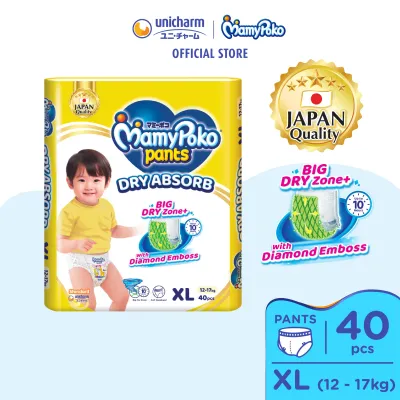
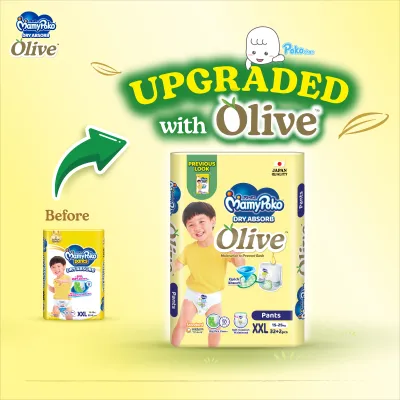
MamyPoko pull-ups often emphasize robust, secure waistbands and deep pocket designs. Their structural layout is typically engineered to handle high-volume containment, featuring wide elastic bands that sit securely above the hips. This structure is particularly beneficial for toddlers who are constantly climbing, bending, or running, as it helps prevent the diaper from slipping down under the weight of a wet core. The leg cuffs are designed to provide a wide coverage area around the thighs, which can help prevent side leaks during sudden movements.
Huggies pull-up diapers frequently highlight adjustable or highly adaptive waistbands designed to mimic the fit of real underwear. Their design often incorporates slim-fit profiles and stretchable side panels that allow for a close fit against the skin. This streamlined cut is well-suited for toddlers with a more slender build or those who prefer a less bulky feel under their clothing. The leg openings are structured to flex with the natural stride of an active child, reducing the likelihood of gaps forming during play.
To match these design claims to your toddler’s specific body type, observe how the diaper sits on their body. For toddlers with chunky thighs, look for brands with highly elastic, double-layered leg cuffs that do not pinch. For toddlers with a slender waist but a prominent belly, a high-rise waistband with soft, multi-directional stretch is often more effective. Before committing to a full pack, perform a quick physical inspection: stretch the waistband fully to check its resistance, run your fingers along the inner leg cuffs to ensure they stand upright, and check the softness of the gathered seams.
Evaluating Absorbency and Breathability for Active Movement
In Singapore’s warm climate, absorbency and breathability must work in tandem to keep an active toddler dry and comfortable. When reviewing packaging, look for specific material terms such as “breathable outer covers,” “air-flow channels,” or “superabsorbent polymer (SAP) cores.” These technologies are designed to draw moisture away from the skin quickly and allow heat to escape. Wetness indicators—lines on the outside of the diaper that change color when wet—are also standard features that help caregivers monitor when a change is needed without disrupting play.

Evaluating how well a diaper performs during high-activity periods requires careful observation of the absorbent core. A high-quality core should distribute liquid evenly rather than allowing it to pool in one spot. Signs of failing absorbency include noticeable sagging between the legs, a damp feeling on the outside of the diaper, or rapid, heavy swelling that restricts the toddler’s movement. If you notice the diaper sagging significantly after only a short period, it may indicate that the absorbent material is not distributing moisture efficiently or that the diaper is overloaded.
Breathability is equally critical to prevent moisture buildup, which can weaken the skin barrier. You can check for adequate airflow by monitoring your toddler’s skin temperature and moisture levels during diaper changes. If the skin feels unusually hot, clammy, or damp immediately after removing a worn diaper, the material may not be allowing sufficient air circulation. Look for diapers that specify micro-pore covers or breathable backsheets, which are designed to facilitate continuous air exchange while retaining liquids.
Monitoring Comfort and Skin Sensitivity Signals
Active toddlers are highly susceptible to friction-induced skin irritation, making it essential to monitor how a pull-up diaper interacts with their skin. Physical signs of a poor fit or material sensitivity often manifest as deep red marks, indentations, or chafing along the waistline and inner thighs. These marks suggest that the elastic is too tight, the material is too stiff, or the diaper is rubbing against the skin during movement. If these marks do not fade within a few minutes of removing the diaper, it is a clear signal to re-evaluate the size or the brand’s design.
Caregivers must also pay close attention to the texture of the diaper’s inner lining. Before putting a new brand on your toddler, run your hand over the inner sheet to assess its softness and texture. A rough or stiff lining can cause micro-abrasions on sensitive skin, especially when combined with the friction of running and jumping. If your toddler develops persistent rashes, localized redness, or signs of an allergic reaction, stop using the brand immediately. Consult a pediatrician or qualified healthcare professional to address the irritation and identify potential material triggers.
Comparing Sizing, Availability, and Value
Navigating diaper sizes can be challenging, as weight ranges often overlap between sizes, and fit can vary significantly between brands. To make an informed decision, cross-reference your toddler’s current weight with the official size charts provided by Moony, MamyPoko, and Huggies. Keep in mind that these charts are general guidelines; a toddler who is near the upper limit of a weight range or who has a rounder build may benefit from sizing up to ensure adequate coverage and comfort.
Evaluating the true value of a diaper brand requires calculating the cost per piece rather than simply comparing the retail price of a pack. To do this, divide the total price of the pack in S$ by the number of diapers inside. Because larger sizes typically contain fewer diapers per pack, the cost per piece will rise as your toddler grows. Compare prices across official brand stores, authorized local supermarkets, and reputable online marketplaces in Singapore to find bulk purchase options or promotional bundles that offer better long-term value.
When purchasing diapers in bulk, always verify the manufacturing dates and batch authenticity to ensure you are receiving genuine, high-quality products. Diapers stored in humid conditions for extended periods can lose their absorbency or structural integrity. Additionally, check the return or exchange policies of the retailer; many authorized sellers in Singapore allow parents to exchange unopened packs for a larger size if their toddler suddenly outgrows their current size, protecting your investment.
Decision Framework: Which Pull-Up Should You Try First?
To help you decide which pull-up diaper to test first, consider this conditional decision framework based on your toddler’s specific needs and physical traits:
- Choose Moony Airfit Pants if your toddler has highly sensitive skin, a rounder belly, or requires a very soft, flexible waistband that minimizes pressure marks. This option is designed for a gentle, body-hugging fit that prioritizes skin comfort and flexibility.
- Choose MamyPoko if your toddler is highly active, requires maximum absorbency for long periods of play, or has a body shape that benefits from a secure, high-rise waistband that stays in place during vigorous movement.
- Choose Huggies if your toddler has a slender or athletic build, prefers a slim, underwear-like fit under clothing, or if you prefer a design with highly adaptive side panels that conform closely to the body.
- Verify first if your toddler has known skin sensitivities, falls directly between two standard weight categories, or exhibits persistent skin irritation. In these cases, it is best to test a small pack first, monitor the skin closely, and consult a pediatrician if you require specialized medical advice regarding diaper materials and skin health.
Frequently Asked Questions (FAQ)
How do I know if the pull-up diaper is too small or too large?
A pull-up diaper is likely too small if you notice deep red marks around your toddler’s waist or thighs, if the waistband sits well below the belly button, or if the diaper does not fully cover the backside. Conversely, a diaper is too large if there are visible gaps around the legs, if the waistband slips down easily during movement, or if you experience frequent leaks and sagging even when the diaper is not full. Adjust the fit by moving up a size when your toddler approaches the upper limit of the manufacturer’s weight guidelines, or try a different brand cut if the current shape does not match their body proportions.
Can I mix different pull-up brands for day and night use?
Yes, mixing different pull-up brands for daytime and nighttime use is a practical strategy for many families in Singapore. You might choose a highly breathable, lightweight, and flexible diaper for active daytime play to prevent heat buildup and allow free movement. For overnight sleep, you can switch to a brand that emphasizes high-capacity absorbency and a secure, leak-proof barrier to ensure uninterrupted rest. If you decide to use multiple brands, monitor your toddler’s skin regularly to ensure they do not experience irritation from switching between different material compositions.

Community discussion
Share your experience or ask a question. Comments are reviewed before publication.