
Choosing between Moo Moo cloth diapers and other eco-friendly brands in Singapore requires balancing your baby’s comfort in a tropical climate against your household budget and washing routine. While Moo Moo is a popular local option known for its accessible entry point, other international and regional eco-friendly brands offer distinct advantages in material certifications, specialized fiber blends, and structural leak protection. The ideal choice is not a one-size-fits-all decision; instead, it depends on whether you prioritize natural organic fibers, specific structural features like double gussets, or the lowest upfront cost.
Defining Your Eco-Friendly Cloth Diaper Priorities
Parents in Singapore transitioning to reusable diapers face a diverse market. Moo Moo cloth diapers represent a highly visible brand, but they compete with a wide array of eco-friendly alternatives, ranging from premium organic pocket diapers to versatile all-in-two systems. Navigating this landscape requires a clear understanding of what makes a diaper truly suitable for your family’s daily routine.
To make an informed comparison, you must evaluate four primary pillars: material safety, absorbency performance, environmental footprint, and overall budget. Each brand balances these factors differently. For instance, some brands focus heavily on certified organic, unbleached natural fibers, which appeal to parents concerned about chemical residues. Others prioritize high-tech synthetic stay-dry layers that keep moisture away from the skin, or focus on providing an affordable entry point to make cloth diapering accessible to more households.
Products mentioned in this guide
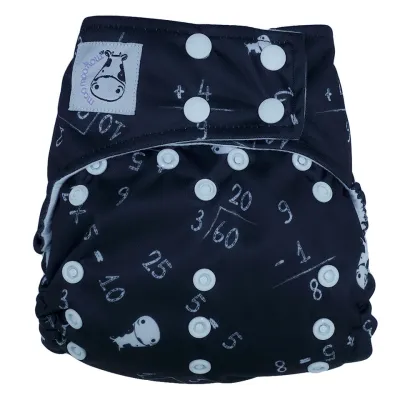
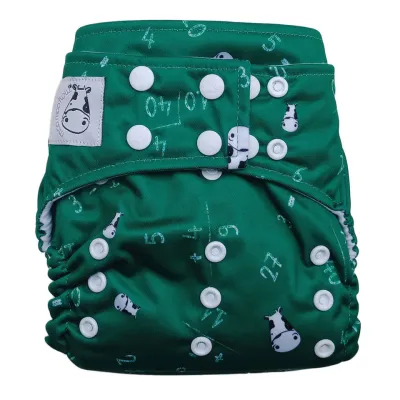
Prices are valid at publication and may change. Please refer to the product page for the latest price.
Ultimately, no single brand wins across every category. A diaper that offers the highest absorbency might take much longer to dry in Singapore’s humid weather, while a highly affordable option might require you to purchase additional inserts separately to prevent leaks. Your decision should rest on which of these trade-offs aligns best with your lifestyle, your washing facilities, and your baby’s unique skin sensitivity.
Material Quality and Skin Comfort in Humid Climates
Singapore’s warm, humid climate makes breathability and skin comfort paramount when selecting cloth diapers. The materials resting against your baby’s skin play a critical role in preventing heat rash and chafing. Common natural fibers used in eco-friendly diapers include bamboo rayon, organic cotton, and hemp. Bamboo is highly regarded for its soft texture and natural coolness, making it a popular choice for tropical climates. Organic cotton offers excellent breathability and durability, while hemp provides exceptional absorbency in a very thin profile, though it can feel stiff if line-dried in the sun.

When comparing Moo Moo with other eco-friendly brands, it is essential to check the manufacturer’s labels for specific fabric compositions and processing methods. Many eco-friendly brands highlight certifications such as OEKO-TEX Standard 100, which verifies that the textile has been tested for harmful substances. Because we do not have independent laboratory tests for every brand, you should actively verify these claims on the manufacturer’s official documentation. Look for transparency regarding whether the fabrics are organic, unbleached, or processed using closed-loop systems that recycle water and solvents.
There are distinct trade-offs between initial softness, moisture-wicking capabilities, and long-term durability. Synthetic stay-dry fabrics, such as microfleece or athletic wicking jersey (AWJ), are excellent at pulling moisture away from the skin quickly, which is highly beneficial for babies prone to diaper rash. However, some parents prefer 100% natural fibers directly against the skin to avoid synthetic materials entirely. Natural fibers are highly absorbent but will feel wet to the touch once saturated, which might bother some babies. Additionally, natural fibers tend to wear down faster over years of intensive washing compared to robust synthetic blends. If your baby develops a persistent skin rash or irritation despite frequent diaper changes and material adjustments, stop using the diapers and consult a qualified healthcare professional.
Absorbency and Leak Protection
A cloth diaper’s primary job is to contain messes, and this relies heavily on the design of its absorbent layers and its physical fit. When comparing brands, look closely at the inserts provided in the starter packs. Inserts made from microfiber absorb liquid very quickly but are prone to “compression leaks” when a baby sits down. In contrast, natural fibers like bamboo and hemp absorb liquid more slowly but hold onto it much more securely. Many parents find that a combination of a fast-absorbing top layer and a high-capacity bottom layer offers the best protection.
The structural design of the diaper cover is just as important as the insert material. Look for features such as double leg gussets, which provide an extra barrier against leaks, especially for breastfed babies. Adjustable sizing systems, typically utilizing rows of rise snaps on the front of the diaper, allow the shell to grow with your baby from infancy through toddlerhood. A secure fit around the thighs and waist is crucial; even the most absorbent insert will leak if there are gaps in the leg elastics. Compare the snap configurations of Moo Moo and alternative brands to see which offers the most customizable fit for your baby’s specific build.
For heavy wetters and overnight use, standard daytime inserts are rarely sufficient. You will need to verify the manufacturer’s guidelines regarding overnight solutions, which often involve stacking multiple inserts or using specialized fitted diapers made entirely of absorbent material covered by a waterproof wrap. Before purchasing a large quantity, consult independent user forums and local parenting groups to see how different diaper configurations hold up during long sleep stretches, as real-world performance can vary based on your baby’s sleeping position and wetting patterns.
Environmental Impact and Sustainability
While all cloth diapers reduce landfill waste compared to single-use disposables, their true environmental impact varies based on production practices and product longevity. To evaluate the ecological credentials of Moo Moo and its competitors, look beyond basic marketing terms like “eco-friendly.” Investigate whether the brands use biodegradable or recyclable packaging, and check if they share details about their manufacturing facilities, such as ethical labor standards and water-recycling protocols. Brands that prioritize sustainability will often provide detailed supply chain transparency on their official websites.
The lifespan of the diaper also dictates its environmental footprint. A high-quality diaper that can be used for multiple years, through potty training and even passed down to a second child, is far more sustainable than a cheaper alternative that loses its elasticity or waterproof coating after a few months of washing. Check the manufacturer’s warranty terms, as a longer warranty often indicates greater confidence in the product’s durability. Additionally, consider the end-of-life options for the materials; while synthetic waterproof covers (PUL or TPU) will eventually need disposal, diapers made with high percentages of natural fibers have a lower long-term environmental impact when they finally wear out.
It is also vital to recognize that a significant portion of a cloth diaper’s environmental footprint occurs during the washing phase. To keep your routine as green as possible, choose energy-efficient washing machines, line-dry your diapers when feasible, and use eco-friendly detergents that are free from optical brighteners, phosphates, and synthetic fragrances. Be sure to follow the manufacturer’s specific washing instructions, as improper washing can degrade the waterproof membranes or ruin the elastic, prematurely ending the diaper’s useful life.
Pricing, Value, and Long-Term Costs
When calculating the financial investment of cloth diapering in Singapore, you must look at both the initial setup cost and the long-term operational expenses. A single cloth diaper shell can range anywhere from S$15 to over S$40, depending on the brand, materials, and country of origin. While Moo Moo is often noted for its budget-friendly pricing, premium international brands may carry a higher upfront cost. However, you must also factor in the cost of essential accessories, including extra inserts, wet bags for outings, diaper liners, and specialized laundry detergents.
The true value of a diaper is determined by its cost-per-use over time. A slightly more expensive diaper made with durable snaps, high-quality elastics, and certified fabrics may withstand hundreds of hot washes without losing its shape or waterproof integrity. Conversely, a lower-priced diaper that requires frequent replacement of worn-out elastics or delaminated covers can end up costing more in the long run. Carefully review the warranty policies of each brand to understand what types of wear and tear are covered, as this can save you significant replacement costs.
To maximize your budget, avoid buying individual diapers at full retail price. Visit the official brand websites or authorized online retailers in Singapore to look for starter kits, bundle deals, or bulk packages, which often offer a lower price per unit. Many brands also run promotions during local baby fairs or holiday sales. Comparing the bundle prices of Moo Moo against other eco-friendly brands will give you a much clearer picture of the actual investment required to build a full daytime rotation of approximately 15 to 20 diapers.
How to Choose the Right Brand for Your Baby
To finalize your decision, establish a clear framework based on your family’s specific needs and daily routine. You might choose Moo Moo if you are looking for an accessible, cost-effective entry point into cloth diapering and prefer a brand with local availability and straightforward sizing. On the other hand, you might choose an alternative eco-friendly brand if your baby has extremely sensitive skin that requires certified organic, unbleached natural fibers, or if you require advanced structural features like double gussets for an exceptionally active baby.
Before making any purchase, run through a practical pre-purchase checklist. First, verify the brand’s sizing charts against your baby’s current weight and thigh measurements, as fit can vary significantly between a chunky baby and a slender one. Second, check the retailer’s return and exchange policies, especially for washed or prepped items, which are typically non-returnable. Finally, confirm the specific washing instructions; some brands require complex prepping routines (multiple washes before first use to reach maximum absorbency) or forbid certain types of detergents and diaper creams.
The safest approach for any parent is to start small. Rather than investing in a complete collection of 20 diapers from a single brand, purchase a trial stash of two or three different brands, including Moo Moo and a couple of alternatives. This allows you to test the actual fit on your baby, observe how well the materials perform in Singapore’s humidity, and evaluate the drying time in your home environment. Once you identify which diaper fits your baby best and fits seamlessly into your laundry routine, you can confidently invest in a full collection.

Community discussion
Share your experience or ask a question. Comments are reviewed before publication.