
Selecting the right disposable diaper pants for your baby often comes down to a balancing act between reliable leak protection and effective breathability. While MomyPoko pants are widely recognized for their focus on secure fit and moisture management, determining how they compare to other leading diaper brands requires looking beyond marketing claims. The performance of any diaper is highly conditional, depending on how its specific structural design matches your baby’s unique body shape, developmental stage, and skin sensitivity. By evaluating physical design elements, observing real-world usage signals, and understanding how different materials perform in warm, humid climates, you can establish a practical framework to find a suitable diapering solution.
Key Design Features for Leak Protection
Minimizing leaks in active babies requires a diaper with robust physical barriers that adapt to constant movement. When comparing MomyPoko pants to alternative brands, the first point of inspection should be the leg cuffs and double elastic barriers. These gathers are designed to cup the thighs and create a secure seal against liquid escape. To verify their effectiveness, gently run your finger along the inside of the leg cuffs after putting the diaper on your baby; the elastic should sit flat against the skin without gaps, yet remain loose enough to avoid leaving deep red indentations.
The waistband design is another critical factor, especially for crawling, cruising, or walking toddlers. MomyPoko pants typically utilize a 360-degree elastic waistband that stretches to accommodate a full tummy after feeding and contracts as the baby moves. When evaluating other leading brands, compare the tension and recovery of the waistband. A high-quality waistband should stretch easily under gentle pressure but return to its original shape without losing elasticity, helping prevent the diaper from sagging or slipping down during high-energy play.
Products mentioned in this guide
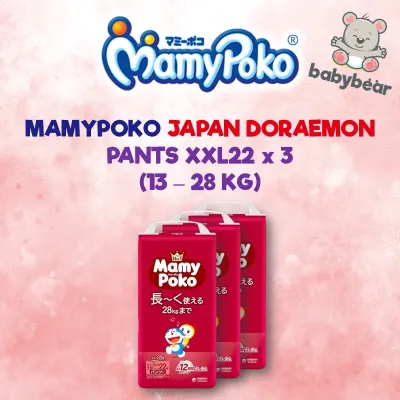
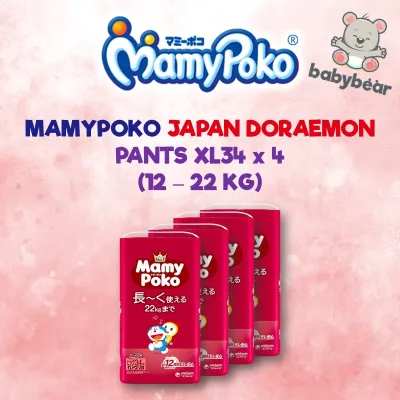
![Mamypoko Standard Pants [Carton Sales] - M to XXL Sizes](https://img.lazcdn.com/g/p/4abd1e406e814adc9dd4f00c1ccbbb58.jpg_400x400q80.jpg_.webp)
![Mamypoko Airfit Japan Tape & Pants [Carton Sales] - NB to XXL sizes](https://img.lazcdn.com/g/p/c0b1edea94375e8da7368b87443b1644.jpg_400x400q80.jpg_.webp)
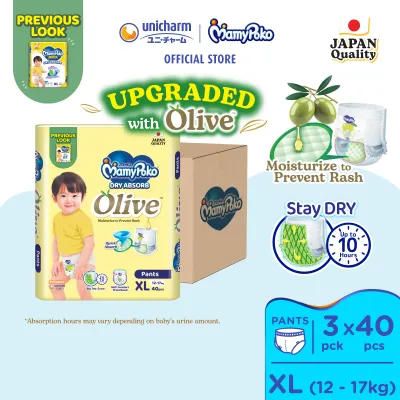
![[1 Carton] Mamypoko Standard Pants Dry Absorb Size L (48s x 3)](https://img.lazcdn.com/g/p/89e17ba576e817a54c7f7e2f8d614593.png_400x400q80.png_.webp)

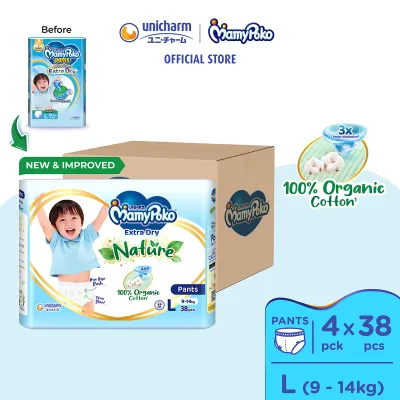
Prices are valid at publication and may change. Please refer to the product page for the latest price.
Beyond the external barriers, the distribution of the absorbent core determines how well the diaper handles sudden fluid loads. Different brands shape their internal padding differently, with some concentrating the absorbent material in the center and others distributing it evenly from front to back. For active babies who sleep on their stomachs or roll frequently, a diaper with an extended front absorbent zone is often necessary. Observe how the diaper swells when wet; if the gel clumps in one area and causes the diaper to sag prematurely, it may indicate that the core distribution is not matching your baby’s posture or movement patterns.
Evaluating Breathability and Skin Dryness
In warm and humid climates, maintaining airflow through the diaper is essential for reducing the risk of diaper rash and keeping skin dry. The outer layer, or backsheet, plays a primary role in this process. Many premium diaper brands, including MomyPoko, use cloth-like nonwoven fabrics laminated with microporous films that allow moisture vapor to escape while keeping liquid contained. You can assess this by checking the packaging descriptions for terms like “breathable outer cover” and feeling the material yourself; a softer, more fabric-like texture generally indicates better airflow than a stiff, plastic-feeling backsheet.

Wetness indicators provide a convenient, non-intrusive way to monitor saturation levels before moisture can compromise skin health. These color-changing lines, typically running down the center of the diaper, react to pH changes or moisture, shifting from yellow to blue or green. While most leading brands feature these indicators, their sensitivity can vary. Relying on these visual cues allows you to change the diaper promptly, minimizing the time your baby’s skin is exposed to wetness without having to repeatedly break the waist seals or disturb a sleeping infant.
Ultimately, direct skin observation is the most reliable way to evaluate a diaper’s real-world breathability. During diaper changes, take a moment to feel your baby’s skin; it should feel cool and dry to the touch. If you notice persistent dampness, localized redness around the waistband or leg cuffs, or a noticeable rise in skin temperature, the diaper may not be venting heat and moisture effectively. If skin irritation or persistent redness develops despite frequent changes, it is important to stop using the current brand and consult a qualified healthcare professional or pediatrician for guidance.
Practical Comparison Framework for Daily Use
To find the best diaper for your baby, conducting a structured home trial is far more effective than relying on generic recommendations. Start by verifying the sizing, as fit is the foundation of both leak protection and breathability. Diaper packaging lists weight ranges as general guidelines, but babies with chubby thighs or a rounder tummy may require a size up even if their weight falls within the lower end of the printed range. Measure your baby’s waist and thighs, and compare these to the physical dimensions of the diaper when fully stretched to identify potential fit gaps before purchasing bulk packs.
Next, observe the absorption speed and surface dryness during daily use. After a heavy wetting or a feeding session, wait a few minutes and then gently press a dry paper towel against the inside liner of the diaper. A diaper with high-performance absorption technology should leave the paper towel dry, indicating that the core has successfully locked away the liquid and kept it from rewetting the skin. If the paper towel comes away damp, the diaper’s absorption speed may be too slow for your baby’s fluid volume, increasing the risk of irritation.
Finally, track how the diaper performs during different times of the day. A diaper that works well during high-movement daytime play may not hold up during ten to twelve hours of overnight sleep. Use the daytime to monitor how well the elastic moves with your baby and whether the diaper sags when wet. For overnight use, focus on leak frequency and morning skin dryness; if you notice consistent leaks during sleep, you may need to test a dedicated overnight diaper or size up specifically for bedtime to accommodate the extended wear.
Decision Framework: Choosing the Right Diaper
Choosing whether to stick with MomyPoko pants or transition to an alternative brand depends on several observable factors. You should generally choose MomyPoko pants if your baby’s physical proportions align well with their specific cut, resulting in a snug fit around the legs and waist without leaving deep red marks. They are also highly suitable if your baby is highly active, as the flexible waistband and secure leg gathers are designed to move dynamically with crawling or walking toddlers while maintaining reliable leak protection.
Conversely, you should consider exploring alternative brands if you observe consistent edge leaks despite having the correct size, or if your baby’s body shape leaves visible gaps around the thighs or lower back. Additionally, if your baby has highly sensitive skin that reacts to standard materials, you may need to switch to alternative brands that offer specialized dermatological features, such as organic cotton top sheets, hypoallergenic certifications, or fragrance-free formulations that you can verify on the product label.
Before making any permanent brand switch, always verify a few key variables. Ensure that the sudden increase in leaks or skin irritation is not simply a sign that your baby is transitioning between sizes or that the diaper was applied incorrectly. If you are unsure about material compatibility or if your baby experiences sudden, severe skin reactions, consult a qualified professional or dermatologist to rule out underlying skin conditions before testing new diaper varieties.
Frequently Asked Questions (FAQ)
How often should I change MomyPoko pants to prevent leaks and rashes?
Rather than adhering to a strict hourly schedule, you should rely on the diaper’s wetness indicator and physical weight checks to determine when a change is needed. In warm, humid climates, changing the diaper as soon as the indicator changes color helps prevent moisture buildup that can lead to skin irritation. You should also adjust the change frequency based on your baby’s fluid intake, ambient temperature, and individual skin sensitivity, ensuring a fresh diaper is applied before the core reaches full saturation.
Do MomyPoko pants run smaller or larger than other leading brands?
Diaper sizing is not standardized across manufacturers, meaning the printed weight ranges on MomyPoko packaging should be treated as estimates rather than strict rules. Some brands cut their diapers narrower in the crotch or tighter around the waist, which can cause fit variations even within the same weight category. To avoid fit issues, it is best to purchase small trial packs first, measure your baby’s current waist and thigh dimensions, and physically compare the diaper’s stretch and coverage against your baby’s body shape before committing to bulk purchases.

Community discussion
Share your experience or ask a question. Comments are reviewed before publication.