
Finding the right diaper in Singapore’s warm and humid climate involves balancing a baby’s skin sensitivity, activity level, and the household budget. While MommyPoko, Pampers, and Merries are all popular choices among local parents, no single brand is a universal winner. The ideal choice depends on matching your baby’s current developmental stage and physical build to each brand’s specific design strengths.
Parents often find themselves navigating a complex mix of product lines, from standard daytime options to premium overnight variants. To make an informed decision, you must look beyond brand names and evaluate structural features like waistband elasticity, inner lining textures, and cost-per-unit calculations. This guide provides a practical framework to help you compare these three leading brands, assess their real-world performance, and optimize your diapering budget.
Understanding the Core Differences in Diaper Design
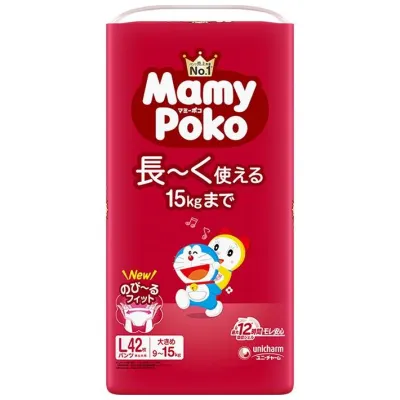
Diaper performance starts with structural design, and each of these three brands approaches comfort and fit with a distinct philosophy. MommyPoko is widely recognized for its focus on a soft, cotton-like texture, aiming to provide a gentle, cushioned feel against a baby’s skin. This design philosophy often appeals to parents who prioritize physical softness and a snug, cozy fit around the waist and thighs.
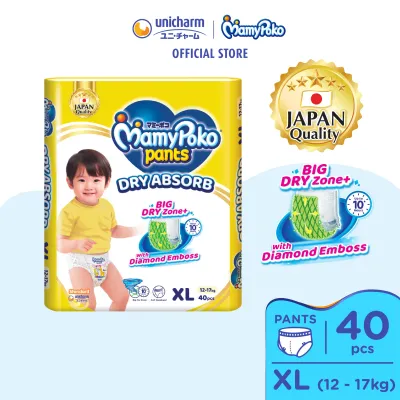
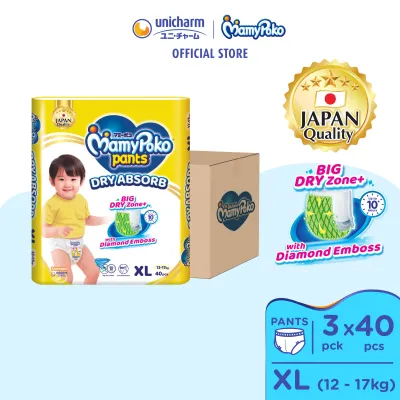
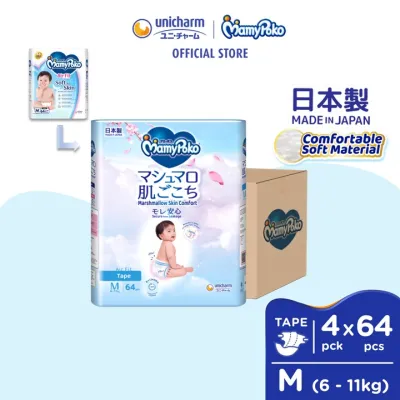
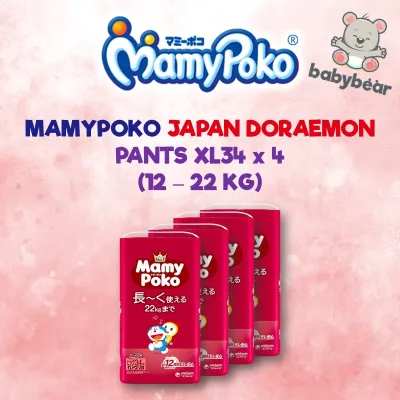
Products mentioned in this guide
![MamyPoko Extra Dry Pants Premium Baby Diapers [UNISEX] XL32 (4 Packs) (12 - 17kg)](https://img.lazcdn.com/g/p/5b6058567bfc55657495390de0e16873.jpg_400x400q80.jpg_.webp)
![Mamypoko Airfit Japan Tape & Pants [Carton Sales] - NB to XXL sizes](https://img.lazcdn.com/g/p/c0b1edea94375e8da7368b87443b1644.jpg_400x400q80.jpg_.webp)
![MamyPoko Extra Dry Pants Boy Baby Diapers XXXL 14pcs x 4 Packs(18 - 35kg) [Carton]](https://img.lazcdn.com/g/p/0989817a6f4fb2141d016acfea4aedb4.jpg_400x400q80.jpg_.webp)
Prices are valid at publication and may change. Please refer to the product page for the latest price.
Pampers typically emphasizes a streamlined, high-stretch design engineered to move with an active baby. Their diapers often feature highly elastic side tabs and a thinner profile, which aims to minimize bulkiness while maintaining a secure hold. This focus on stretch and fit is designed to keep the diaper in place during crawling, walking, and active play.
Merries places a strong emphasis on breathability and ventilation, particularly in its outer and inner cover designs. The brand often utilizes textured, wavy inner sheets designed to create air channels, reducing the surface area in direct contact with the skin. This approach is intended to facilitate airflow and keep the diaper interior dry and comfortable.
When shopping, you can verify these design elements by examining the packaging for specific material descriptions or by feeling sample diapers often displayed in baby specialty stores. Look for terms like “air-through,” “cottony soft,” or “stretchable waistbands” to understand the primary focus of each product line.
It is crucial to remember that absorbency and fit are highly dependent on the specific product tier rather than the brand name alone. Each brand offers multiple lines, ranging from basic, budget-friendly options to premium, high-performance variants. For instance, a brand’s premium overnight line will feature a significantly different core structure and thickness compared to its standard daytime line.
Evaluating Absorbency and Leak Protection for Daily Use
Evaluating how well a diaper manages moisture requires observing how it behaves under real-world conditions. A highly absorbent diaper should keep the surface closest to your baby’s skin feeling dry to the touch, even after several hours of use. You can monitor this during changes by gently pressing a dry tissue against the inner lining of a wet diaper to check for moisture transfer.

Another key indicator of absorbency performance is how the diaper distributes liquid. A well-designed absorbent core distributes moisture evenly throughout the diaper, preventing heavy sagging in a single spot. If you notice the diaper sagging excessively or clumping between your baby’s legs, it may indicate that the core has reached its capacity or that the liquid is not distributing efficiently.
Your baby’s developmental stage and activity level should guide your choice of diaper features. For sleeping infants who remain in one position for long periods, a diaper with a reinforced back barrier and high-capacity core is essential to prevent leaks while lying down. For active crawlers and toddlers, look for diapers with reinforced leg cuffs and highly flexible waistbands that adapt to constant movement without shifting out of place.
Regardless of the brand’s technology, the most critical factor in preventing leaks is a proper fit. Parents should regularly consult the manufacturer’s weight charts and size guides printed on the packaging. Because babies have different body shapes—some having rounder bellies or chubbier thighs—a diaper that fits one baby perfectly might leak on another of the exact same weight.
If you experience persistent leaks, check the fit before assuming the diaper’s absorbency is at fault. Ensure the leg cuffs are fully pulled out and flared, the waistband is snug but allows two fingers to fit comfortably, and the diaper rises high enough on both the front and back. If leaks continue despite a correct fit, it may be time to try a different size or a premium variant designed for higher volume.
Assessing Skin Comfort and Breathability
Singapore’s warm and humid climate makes diaper breathability a top priority for preventing skin irritation. When evaluating diapers, look for packaging indicators that highlight ventilation features, such as microporous outer covers or textured inner linings. Many modern diapers also feature wetness indicators—lines that change color when wet—which help caregivers identify exactly when a change is needed without opening the diaper.
Monitoring your baby’s skin health is the most reliable way to assess whether a diaper’s materials are compatible with their skin. Regularly check for signs of redness, chafing, or localized irritation around the waistband, leg cuffs, and diaper area. If you observe persistent redness or a diaper rash developing, it is important to reassess the fit, increase change frequency, or consider switching to a diaper with a different material composition.
While diaper brands often advertise advanced breathability and hypoallergenic materials, frequent changes remain your primary defense against diaper rash. Prolonged exposure to moisture and enzymes in urine and stool is the leading cause of skin breakdown. Caregivers should establish a regular changing schedule, typically every two to three hours during the day, and immediately after bowel movements.
If skin irritation persists despite frequent changes, proper hygiene practices, and switching diaper brands, consult a pediatrician or qualified healthcare professional. They can provide a proper diagnosis, recommend appropriate barrier creams, and rule out underlying issues such as yeast infections. Never rely solely on a diaper’s advertised skin-friendly claims to resolve ongoing dermatological concerns.
Calculating Value and Cost per Diaper
To manage your household budget effectively, you must look past the retail price of a single pack and calculate the cost per diaper. You can easily determine this by dividing the total price of the pack by the number of diapers inside. For instance, divide the retail price of the package by the total count of diapers listed on the label to find the exact unit cost.
When performing these calculations, you will find that buying in bulk or purchasing larger carton boxes from online marketplaces and local retailers often yields a lower cost per unit. Many e-commerce platforms in Singapore offer subscription services or bundle deals that provide additional savings for recurring deliveries. However, always calculate the unit price of these deals to ensure they offer genuine value.
There is often a clear trade-off between standard and premium diaper lines within the same brand. Premium lines generally carry a higher cost per diaper but may offer enhanced features, such as softer materials, wetness indicators, or higher absorbency cores suitable for overnight use. Standard lines are typically more economical and are highly practical for frequent daytime changes when diapers are replaced more often.
A cost-effective strategy is to use a mix of product tiers based on your daily routine. You might choose a budget-friendly standard diaper for daytime use, when changes are frequent and immediate, and reserve a premium, high-absorbency diaper for overnight sleep or long outings. This hybrid approach helps optimize your monthly diaper spend without compromising your baby’s comfort during extended wear.
Keep in mind that diaper prices fluctuate due to promotions, seasonal sales, and retailer discounts. Instead of relying on fixed price points, develop a habit of checking unit costs during shopping trips. Keeping a simple note on your phone with your target cost per diaper for each size will help you quickly identify genuine discounts and bulk-buy opportunities.
Decision Framework: Which Brand Fits Your Baby Best?
Choosing the right diaper involves matching your baby’s specific needs and your household’s priorities to the strengths of each brand. Consider MommyPoko if your primary focus is a soft, cushioned, cotton-like texture and you prefer to purchase in bulk to maximize cost-efficiency. This brand is often a practical choice for parents seeking reliable daily performance and a comfortable, classic fit.
Opt for Pampers if your baby is highly active, crawling, or walking, and requires a diaper with exceptional stretch and a secure, contoured fit. The streamlined design and flexible side panels are engineered to stay in place during vigorous movement, making it a strong candidate for daytime wear during active play.
Select Merries if your baby has highly sensitive skin and you prioritize maximum breathability and a lightweight, airy feel. The textured inner lining and focus on ventilation make it well-suited for Singapore’s humid climate, helping to minimize moisture retention against delicate skin.
Before committing to a large bulk purchase or carton deal, always test a small pack first. This is especially important if your baby is currently between sizes, has a unique physical build, or has a history of skin sensitivity. Testing a small quantity allows you to observe the fit, check for any skin reactions, and verify the diaper’s real-world performance under your specific daily routine.
Diapering Questions (FAQ)
How do I know if I need to size up in MommyPoko, Pampers, or Merries?
You should consider sizing up if you observe red marks or indentations on your baby’s thighs or waist, which indicate the elastic is too tight. Frequent leaks, blowout incidents, or the diaper failing to cover the baby’s backside fully are also clear signs of an improper fit. Additionally, if your baby’s weight is approaching the upper limit of the manufacturer’s recommended weight guide on the packaging, transitioning to the next size up often provides better coverage and absorbency.
Can I mix different diaper brands for day and night use?
Yes, mixing different diaper brands or product lines is a highly effective strategy for balancing cost and performance. Many parents use standard, cost-effective diapers for daytime wear, when changes occur frequently and absorbency demands are lower. For overnight sleep or long travel periods, they switch to a premium, high-absorbency variant from another brand to ensure the baby remains dry and comfortable for longer stretches without a change.

Community discussion
Share your experience or ask a question. Comments are reviewed before publication.