
Choosing the right diaper involves balancing tactile comfort with reliable leak protection. While established brands like Pampers and Huggies have long dominated the market, newer premium options like Millie Moon have gained traction by focusing on a luxury feel and simplified ingredient lists. Deciding between them requires looking beyond marketing claims to evaluate how each diaper performs on your baby’s unique body.
Softness and absorbency are the two most critical factors in preventing diaper rash and ensuring uninterrupted sleep. A diaper that feels incredibly soft might lack the structural integrity needed for heavy overnight wetting, while an ultra-absorbent diaper might feel stiff or cause friction against delicate skin. By understanding how to test and compare these brands, you can find the optimal balance of comfort, performance, and value.
Understanding the Core Comparison: Softness and Material Feel
To evaluate the tactile differences between Millie Moon, Pampers, and Huggies, start by examining the inner lining that directly touches your baby’s skin. Gently run your fingers over the interior sheet of each diaper to assess its texture. Some premium diapers utilize a high-gsm (grams per square meter) non-woven fabric that mimics the feel of natural cotton, whereas other brands may use embossed patterns or textured channels designed to minimize skin contact with wetness.
Products mentioned in this guide
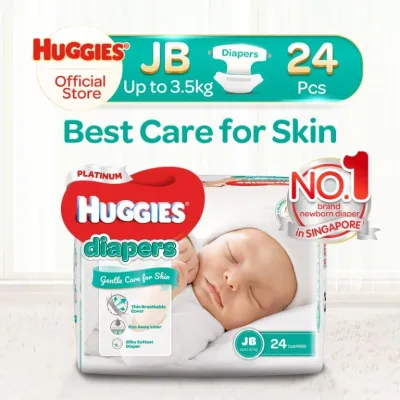
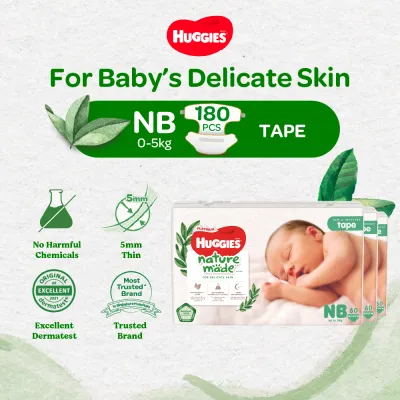
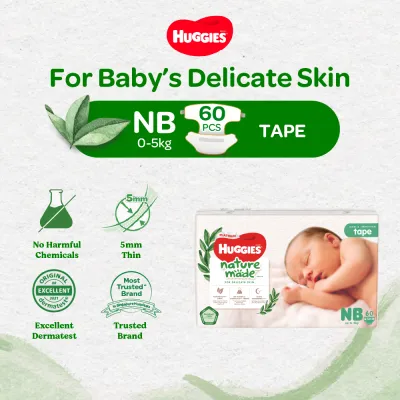
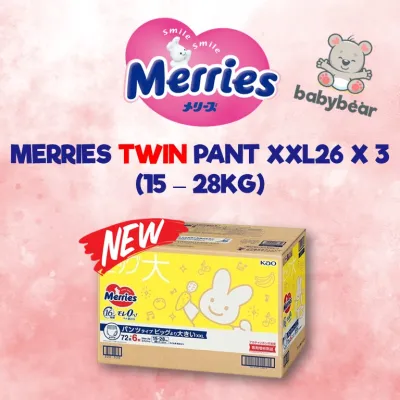
![[2 Pack] Merries Twin Pack Tape & Pants](https://img.lazcdn.com/g/p/348053c64b1a4c161da0969a47f664f5.png_400x400q80.png_.webp)
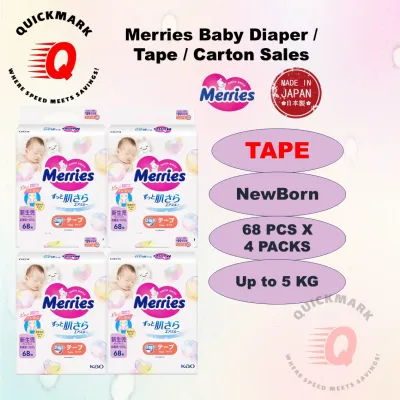
Prices are valid at publication and may change. Please refer to the product page for the latest price.
Next, test the elasticity and softness of the waistband and side tabs. Stretch the side panels fully to observe whether the edges feel scratchy or stiff under tension. A high-quality waistband should stretch smoothly and recover its shape without leaving sharp, rigid folds that can dig into a baby’s abdomen or hips.
The outer cover’s breathability is equally important for temperature regulation, especially in warm, humid climates. Hold the diaper up to the light and gently squeeze it to feel the thickness of the outer shell. A breathable outer layer allows microscopic moisture vapor to escape while keeping liquid contained, reducing the risk of heat rash.
When reviewing packaging, look closely at the manufacturer’s material claims. Many modern brands highlight features such as chlorine-free processing, fragrance-free formulations, or the use of plant-based materials. Verify whether these claims apply to the entire diaper or only to specific components, such as the top sheet.
During the initial trial of any new diaper brand, closely monitor your baby’s skin for signs of friction or irritation. Check the leg creases and waistline immediately after removing a wet diaper. If you notice localized redness, chafing, or small red bumps, the material may be rubbing against the skin excessively, indicating a need to adjust the fit or switch to a softer alternative.
Evaluating Absorbency and Leak Protection
Absorbency is not just about how much liquid a diaper can hold, but how quickly it draws moisture away from the skin and locks it inside the core. To evaluate this, observe the diaper immediately after a heavy wetting event. Touch the inner lining with a dry tissue; if the tissue remains dry, the diaper’s superabsorbent polymer (SAP) core is successfully locking away moisture.

If you notice gel-like beads on your baby’s skin after use, this indicates that the SAP core has ruptured or seeped through the inner lining. While these non-toxic polymers are common in modern disposable diapers, frequent gel leakage suggests that the diaper’s structural layers are failing under pressure.
You can conduct a simple, standardized absorbency test at home to compare different brands objectively. Pour a measured amount of lukewarm water (approximately 100 to 150 milliliters, simulating a typical baby’s urine output over several hours) onto the center of each diaper. Wait two minutes, then press a dry paper towel onto the surface with a consistent weight, such as a small book, to see which brand leaves the least wet residue.
Observe how each diaper behaves when your baby is active or sleeping. Some diapers tend to sag heavily or bunch up between the thighs when wet, which can distort the leg cuffs and cause side leaks. A well-designed diaper should distribute liquid evenly along its length rather than pooling in a single spot.
Keep in mind that even the most absorbent diaper will leak if it is applied incorrectly or if the sizing is wrong. Ensure the inner leg guards (the double elastic barriers) are pulled outward and stand upright around the thighs. If the diaper is too loose around the waist or legs, liquid will escape before the absorbent core has a chance to draw it in.
Assessing Fit, Comfort, and Skin Sensitivity
Every baby has a unique body shape, meaning a diaper shape that fits a long, lean baby perfectly might cause leaks or discomfort on a rounder, chubby baby. Compare the physical cut of each diaper by laying them flat next to each other. Note the width of the crotch area, the height of the rise (from crotch to waistband), and the angle of the leg openings.
Leg cuff design is a primary defense against blowouts and leaks. Look for diapers with wide, flexible leg cuffs that offer a gentle but secure seal. If the elastic is too tight, it can restrict circulation or leave deep red indentations; if it is too loose, it will fail to contain liquid and solid waste during active movement.
Skin sensitivity issues like contact dermatitis or heat rash often arise when moisture is trapped against the skin or when elastics rub continuously against the same spot. If your baby has highly sensitive skin, look for diapers that minimize the use of added lotions, dyes, and fragrances, as these are common triggers for skin reactions.
Pay close attention to deep pressure marks left by the elastic bands. While light, temporary pink marks are normal—similar to the marks left by socks on adults—deep, dark red indentations that persist for more than ten minutes after diaper removal indicate that the diaper is too tight or the cut is incompatible with your baby’s build.
Be prepared to switch sizes or brands if you experience frequent blowouts, especially up the back. A blowout is often a clear signal that the diaper’s volume capacity has been exceeded or that the waistband lacks the necessary pocket or tension to contain waste. If you are consistently between sizes, it is generally safer to size up to ensure adequate coverage.
Price, Availability, and Overall Value
To determine the true financial impact of your diaper choice, calculate the unit price rather than comparing the total cost of a pack. Divide the retail price of the package by the number of diapers inside. In Singapore, premium diapers can range significantly in cost per unit, and these differences accumulate rapidly over the course of a year when a baby goes through six to ten diapers a day.
Consider the hidden costs associated with diaper performance. A cheaper diaper that requires more frequent changes, leads to regular clothing leaks, or causes diaper rash can end up costing more in the long run. Factor in the cost of extra laundry detergent, water bills, rash creams, and the sheer inconvenience of cleaning up after leaks.
Availability is another crucial factor in the overall value equation. A diaper brand is only useful if you can purchase it reliably when you run out. Check whether your preferred brand is consistently stocked at local supermarkets, specialty baby stores, or major online marketplaces.
Relying on a brand that is frequently out of stock or requires long shipping times can force you to make sudden, inconvenient brand switches. If you decide on a less common or imported brand, consider setting up a subscription service or buying in bulk during promotional events, but avoid overcommitting to a large stockpile before you are certain your baby will not outgrow the size quickly.
Decision Framework: Which Diaper Fits Your Baby's Needs?
Choosing between Millie Moon, Pampers, and Huggies comes down to matching your baby’s specific physical needs and your family’s lifestyle priorities. If your primary goal is an exceptionally soft, cloth-like feel and you prefer diapers designed with simplified, fragrance-free materials, Millie Moon is a strong candidate. This option is particularly suitable for parents who prioritize tactile comfort and are willing to verify material labels to ensure they align with their preferences.
If your baby is an extremely heavy wetter, particularly overnight, or if you require a diaper with a long, proven track record of structural reliability during active play, legacy brands like Pampers or Huggies may be more appropriate. These brands often feature specialized overnight variants and advanced channel designs engineered specifically to prevent sagging and lock away high volumes of liquid.
For babies with highly reactive skin, existing dermatological conditions, or unusual body proportions, always proceed with caution. Before committing to a bulk purchase of any brand, buy a small trial pack to test the fit and skin compatibility over a few days. If your baby exhibits persistent skin irritation, consult a pediatrician or pediatric dermatologist for professional guidance on selecting hypoallergenic materials.
Frequently Asked Questions (FAQ)
Are Millie Moon diapers hypoallergenic compared to Pampers and Huggies?
To determine if a diaper is truly hypoallergenic, you must carefully read the ingredient and material exclusion lists printed on the packaging. Look for explicit statements confirming the absence of chlorine, latex, fragrances, and parabens. Additionally, check for independent dermatological certifications, such as the Dermatest seal or approval from skin health alliances, which indicate the product has undergone standardized safety testing. If your baby has a history of severe eczema or allergic skin reactions, consult a pediatrician before introducing a new diaper brand to your routine.
How do I know if a diaper's absorbency is failing my baby?
A diaper’s absorbency is failing if the inner lining feels damp to the touch shortly after your baby urinates, or if you notice frequent leaks despite a proper fit. Heavy sagging that pulls the diaper away from the waistband is another clear sign that the core cannot distribute or lock away liquid effectively. To resolve this, first verify that you are using the correct size based on your baby’s current weight; if leaks persist despite a snug, well-fitted diaper, it may be time to transition to a brand with a more robust absorbent core or a dedicated overnight diaper.

Community discussion
Share your experience or ask a question. Comments are reviewed before publication.