
Determining whether a mifold car seat is suitable for your child requires verifying the exact weight and height limits specified for your particular model and assessing your child’s physical and behavioral development. Because compact booster seats function differently than traditional high-back boosters, you must check the physical safety labels permanently attached to the device and consult the official user manual to ensure your child falls safely within the manufacturer’s approved ranges. Relying on general age recommendations or third-party retail descriptions is not enough to guarantee a secure fit in your vehicle.
Why Strict Weight and Height Limits Dictate Booster Seat Safety
Booster seats bridge the gap between a child’s physical size and adult vehicle safety systems. Unlike a harnessed car seat, which restrains a child using its own integrated straps, a booster relies entirely on the vehicle’s three-point seat belt. The primary purpose of a booster is to reposition the lap and shoulder belts so they route across the strongest parts of the child’s skeletal frame rather than their soft tissues.
Using a booster before a child reaches the minimum weight or height thresholds prevents the seat belt from sitting in the correct anatomical positions. The lap belt, which should rest low across the upper thighs and pelvis, can easily ride up onto the vulnerable abdomen. In a sudden stop or collision, a misplaced lap belt can cause severe internal injuries.
Products mentioned in this guide
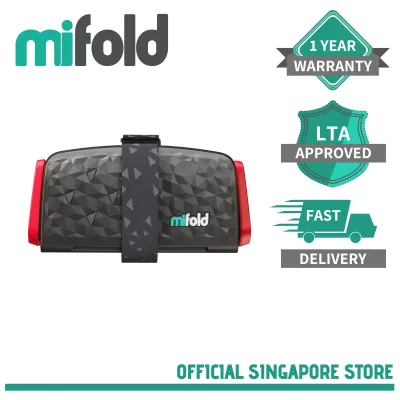
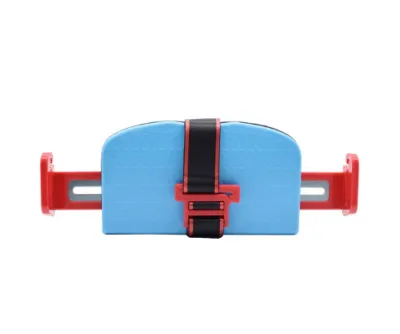
Prices are valid at publication and may change. Please refer to the product page for the latest price.
Similarly, if the child is too short, the shoulder belt may cut directly across their neck or face instead of resting flat across the center of the collarbone. This improper routing often prompts children to pull the belt behind their back or under their arm, disabling the upper-body restraint system.
Exceeding the maximum limits is equally hazardous. As a child outgrows the structural capacity or the belt-guiding channels of the seat, the device may fail to hold the seat belt in place during an impact, compromising its structural integrity.
How to Find the Exact Limits for Your Specific mifold Model
To find the precise weight and height limits for your mifold car seat, look directly at the physical product rather than relying on general online summaries. Every approved child restraint features a permanent certification label affixed to its base or underside. This label details the specific regulatory standards the seat meets, along with the exact minimum and maximum weight and height ranges allowed for safe operation.

Consulting the official user manual for your specific model is the next critical step. The mifold brand includes several distinct designs, such as highly compact travel models and adjustable variants, each carrying different physical limits depending on the region of purchase and the safety standards to which they were certified. A manual tailored to your exact model outlines these specifications clearly, helping you avoid the danger of applying limits from one model to another.
It is highly risky to rely on general brand marketing, third-party ecommerce listings, or parenting forums for safety-critical data. Online product descriptions on retail platforms are frequently simplified, outdated, or generalized across multiple product generations. Furthermore, safety regulations and approved limits vary significantly between countries, meaning a model sold in one market may have different certified limits than the same model sold elsewhere.
Always verify that the information you read matches the exact serial number and manufacturing date printed on your device’s registration card. If you no longer have the physical manual, you can typically download an official digital copy from the manufacturer’s website.
Assessing Your Child's Behavioral Readiness for a Booster
Physical size is only one part of the safety equation; your child must also possess the behavioral maturity required to use a compact booster seat. Unlike a five-point harness that physically restrains a child’s torso, a booster seat allows for significant freedom of movement. For a booster to protect your child, they must be able to sit relatively still and maintain a proper seating position for the entire duration of every car ride.
A behaviorally ready child must sit upright continuously without slouching, leaning sideways, or sliding forward in the seat. If a child shifts out of position, the vehicle seat belt will immediately migrate away from the safe zones on the pelvis and shoulder, leaving them unprotected in a sudden stop.
Additionally, your child must consistently keep the shoulder belt positioned flat across their chest. They must understand that they cannot tuck the belt behind their back, place it under their arm, or pull it away from their body. If your child frequently fidgets with the seat belt or struggles to stay seated upright, they are not yet ready for a booster seat, regardless of whether they meet the physical height and weight requirements.
Before transitioning fully to daily use, perform a physical fit test in your actual vehicle. Secure your child in the booster seat with the vehicle’s seat belt routed through the guides, and observe how the belt lies across their body. The lap belt must sit flat across the upper thighs, touching the pelvis, and the shoulder belt must cross the middle of the shoulder and chest without rubbing against the neck.
Checking Singapore Safety Regulations and Vehicle Belt Compatibility
In Singapore, child passenger safety is governed by specific traffic laws that dictate when and how child restraints must be used. According to the Land Transport Authority (LTA) and traffic police guidelines, anyone under the height of 1.35 metres must be secured with an appropriate child restraint, booster seat, or adjustable seat belt when traveling in a passenger vehicle. Failing to use an approved restraint that matches your child’s height and weight can result in legal penalties and severe safety risks.
You must also verify that your vehicle’s seat belts are fully compatible with the compact booster seat. Inspect the seat belts in your car to ensure the webbing is in good condition, free of frays, and that the retractor mechanism locks properly when pulled sharply. The seat belt must route smoothly through the booster’s designated belt guides without twisting or binding, allowing the belt to retract and tighten snugly against your child’s body.
If you notice that the vehicle’s seat belt does not route correctly through the booster’s guides, or if the belt buckle sits in a position that prevents the booster from resting flat on the vehicle seat, do not use the setup. In cases of poor fit or conflict with your vehicle’s owner manual, stop using the booster immediately. You should consult a certified child passenger safety technician or contact the manufacturer directly to resolve the compatibility issue.
Frequently Asked Questions (FAQ)
What if my child meets the height limit but not the weight limit?
If your child meets only one of the physical limits specified by the manufacturer, they are not yet ready to use the booster seat safely. Both the height and weight requirements must typically be met simultaneously to ensure the vehicle’s seat belt routes correctly across your child’s body. Check your specific model’s user manual for the explicit ‘stop use’ conditions, which will clarify which limit triggers the end of the seat’s safe lifespan and when you must transition to a different restraint system.
Is a compact travel booster suitable for daily school commutes?
While compact travel boosters are highly convenient for carpooling, taxis, and travel, they are designed with a focus on portability and may offer different comfort levels compared to traditional, full-size high-back boosters. Full-size boosters often provide additional side-impact protection and head support, which can be beneficial for daily, long-term use. You should consult your product documentation to review the manufacturer’s specific recommendations regarding daily versus occasional travel use for your exact model.

Community discussion
Share your experience or ask a question. Comments are reviewed before publication.