
Quick Answer: Is Merris XL the Right Choice for Your Toddler?
Choosing the right diaper pants for an active toddler in Singapore requires balancing reliable performance, skin comfort, and household budget. Merris XL diaper pants are designed to address this balance by offering a functional middle ground. While they provide the generous absorbency and structural security needed for older toddlers, they do so without the premium price tag associated with high-end luxury diaper lines. However, because every child has a unique physical build and skin sensitivity level, there is no single diaper brand that works perfectly for every household.
Merris XL pants typically cater to toddlers who have outgrown large sizes and require a more accommodating cut around the waist and thighs. While mainstream premium brands often focus on ultra-thin profiles, specialized organic cotton sheets, or proprietary moisturizing lotions, Merris emphasizes a straightforward, highly absorbent core and a flexible fit. This makes them highly suitable for parents looking for a dependable daytime or overnight diaper that handles heavy wetting without sagging excessively.
Before committing to a bulk purchase, it is essential to remember that diaper sizes and cuts vary significantly between manufacturers. A toddler who fits comfortably in a size Large from one brand may require an XL in Merris, or vice versa. Always verify the exact weight range printed on the specific packaging you are considering, as these guidelines are the most reliable starting point. Purchasing a single trial pack is the most practical way to assess the physical fit and skin compatibility on your child before investing in carton-sized orders.
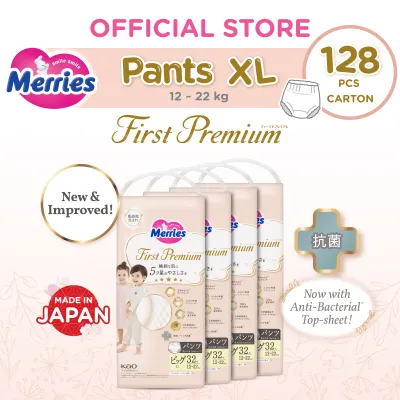
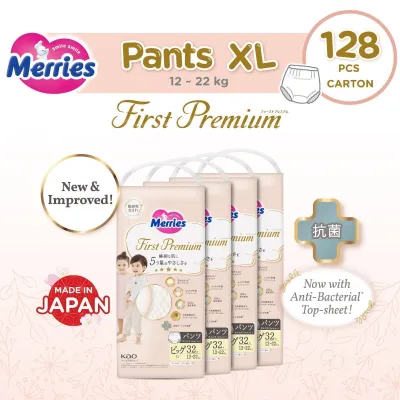
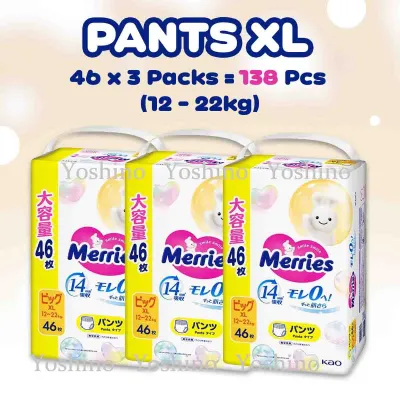
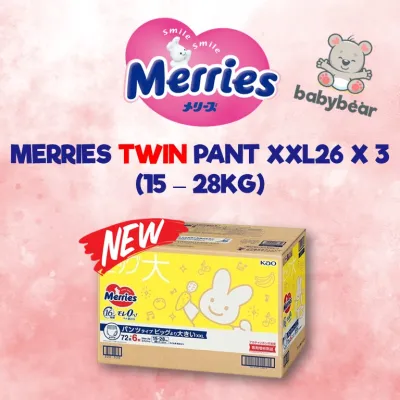
Products mentioned in this guide
![[NEW] Merries Ultra Jumbo Pants Diapers XL (46s x 6 Packs)](https://img.lazcdn.com/g/p/5436bdb18d892d4eab1ab8c1106ff37a.png_400x400q80.png_.webp)
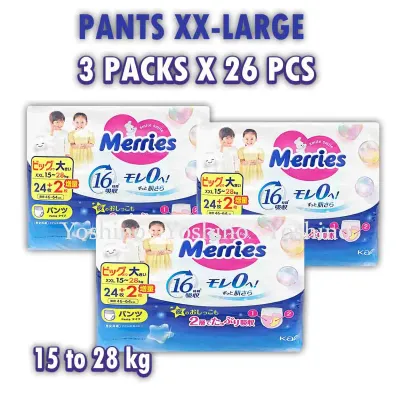
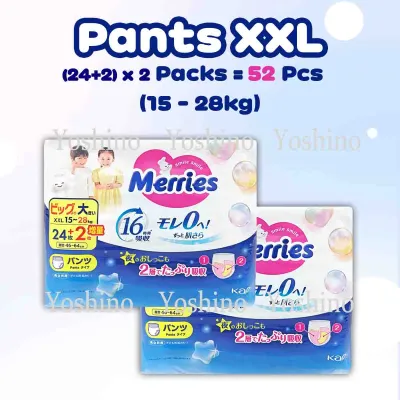
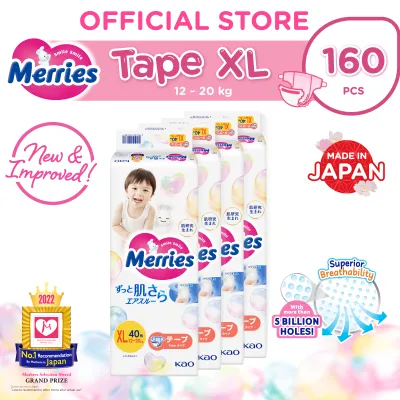
Prices are valid at publication and may change. Please refer to the product page for the latest price.
Core Comparison Dimensions for Toddler XL Diapers
Evaluating toddler diaper pants requires looking beyond brand marketing and focusing on observable structural features. At the extra-large size stage, toddlers are highly active, walking, climbing, and putting physical stress on the diaper. Understanding how different design elements perform under these conditions will help you make an informed choice.

Absorbency and Leak Protection
The primary job of any diaper is to lock away moisture quickly and keep it away from your toddler’s skin. When evaluating an XL diaper, inspect the absorbent core structure. High-quality diaper pants utilize a blend of Superabsorbent Polymer (SAP) and cellulose wood pulp, or a fully integrated SAP paper core. A well-designed core distributes liquid evenly across the diaper rather than allowing it to pool in one spot, which can cause the diaper to sag and leak.
Leak protection also relies heavily on physical barriers. Examine the standing leak guards, which are the elasticized ruffles that run along the inside leg cuffs. These guards should stand upright and hug the toddler’s groin area snugly without cutting into the skin. Additionally, look for a secure, elasticized waistband that prevents urine from escaping through the back when your toddler is lying down or sitting.
Fit and Comfort
As toddlers grow, their body shapes diverge significantly; some children have slender waists and long legs, while others have rounder tummies and chunky thighs. A diaper’s cut determines how well it accommodates these differences. Stretchy side panels are crucial for diaper pants, as they must expand comfortably during movement while maintaining enough tension to keep the diaper in place.
To assess fit, observe your toddler after they have worn the diaper pants for a few hours. Look for deep red marks around the thighs or waist, which indicate that the elastic is too tight or the cut is too narrow. Conversely, gaps between the diaper and the skin around the legs suggest that the diaper is too loose, which will inevitably lead to leaks. A well-fitting diaper should sit comfortably above the hips and provide full coverage across the backside.
Breathability and Skin Health
Singapore’s tropical climate, characterized by high temperatures and humidity, makes diaper breathability a non-negotiable factor for skin health. When moisture and heat are trapped inside a diaper, the skin barrier weakens, making the toddler highly susceptible to diaper rash. Inspect the outer cover, or backsheet, of the diaper; it should feel cloth-like and micro-perforated to allow air to circulate while keeping liquid contained.
Furthermore, pay close attention to any hypoallergenic claims, fragrance-free labels, or wetness indicators printed on the packaging. A wetness indicator is a highly convenient feature that changes color when the diaper is saturated, helping caregivers avoid unnecessary changes while ensuring the toddler does not sit in a wet diaper for too long. Always verify these material claims by physically feeling the diaper’s inner lining, which should be soft to the touch.
Evaluating Merris XL Diaper Pants: Features and Sizing
Merris XL diaper pants are positioned in the market as a practical, high-utility option for growing toddlers. To determine if they are the right fit for your household, you must examine their specific design elements and understand how their sizing compares to the broader industry.
Merris diaper pants generally feature a moderately thick absorbent core designed to handle multiple wettings, making them a popular choice for both active daytime wear and overnight use. The inner lining is textured to help channel liquid away from the surface quickly. When examining the physical diaper, you will notice that the waistband is highly elasticized, featuring multiple rows of fine elastic threads that distribute tension evenly across the toddler’s stomach and lower back.
Sizing is an area where parents must exercise caution. The weight guidelines printed on Merris XL packaging serve as a general recommendation, but they do not account for individual body proportions. For instance, if your toddler is at the lower end of the XL weight spectrum but has particularly chunky thighs, the leg cuffs may fit snugly, while the waist might feel slightly loose. Conversely, a taller, leaner toddler might require a different diaper cut altogether to prevent gaps at the leg openings.
To ensure a proper fit, conduct a manual check once the diaper pants are on your toddler. You should be able to slide two fingers easily under the waistband and around the leg cuffs. If the elastic feels strained or leaves immediate red impressions, it is time to adjust the sizing or explore a brand with a wider cut. Remember that transitioning between sizes should always be guided by physical fit and leak frequency rather than age alone.
Merris XL vs. Mainstream Premium and Value Brands
To understand where Merris XL fits within the wider Singapore market, it is helpful to compare its structural characteristics against two distinct categories: premium market leaders and value-focused alternatives.
Merris XL vs. Premium Market Leaders
Premium diaper brands often command a high price point by incorporating advanced material technologies and specialized skin-care features. Many high-end Japanese and European brands feature ultra-thin, fully chemical-free cores that maintain an incredibly slim profile even when wet. These premium options frequently include organic cotton top sheets, proprietary lotion infusions designed to protect the skin barrier, and highly sophisticated, multi-channel distribution layers that dry almost instantly.
In comparison, Merris XL pants typically feature a slightly thicker, more traditional core structure. While this makes the diaper marginally bulkier under clothing, it often provides a reassuring physical barrier and a high total capacity that some parents prefer for overnight use. While premium brands may offer superior surface dryness immediately after wetting, Merris holds its own by providing reliable containment at a significantly lower cost. Parents must decide whether the ultra-thin profile and specialized dermatological certifications of premium brands justify the ongoing premium expense for their specific child.
Merris XL vs. Other Value or Mid-Tier Brands
When compared to budget-friendly or value-tier diaper brands, Merris XL pants generally stand out in terms of material softness and elastic quality. Many lower-cost diapers utilize stiffer plastic-like backsheets and coarser elastics that can cause friction and discomfort during active play. Furthermore, budget diapers may feature simpler absorbent cores that are prone to clumping, breaking apart, or sagging heavily between the toddler’s legs once wet.
Merris XL avoids these common value-tier pitfalls by utilizing softer, more flexible materials and a more stable core design that retains its shape during movement. While you might save a few cents per diaper by choosing a bare-minimum budget brand, those savings can quickly be offset if you have to change the diaper more frequently due to leaks or if your toddler develops skin irritation. Merris represents a step up in comfort and reliability without requiring a jump to premium-tier pricing.
Assessing Price and Value Across Retailers
Evaluating the true cost of diapering requires looking beyond the shelf price of a single pack. Because manufacturers package diapers in varying quantities, comparing pack prices directly can be highly misleading.
To calculate the true cost, always use the cost-per-diaper formula. Divide the total price of the pack by the number of diapers inside. For example, if a pack of Merris XL pants costs S$18.00 and contains 36 pieces, the cost per diaper is S$0.50. In Singapore, budget diaper pants typically cost between S$0.25 and S$0.35 per piece, mid-tier options like Merris XL generally range from S$0.35 to S$0.55 per piece, and premium brands can easily exceed S$0.60 to S$0.80 per piece.
Prices also fluctuate significantly depending on where and how you shop. Physical supermarkets and neighborhood baby specialty stores offer the convenience of immediate purchase, but they may not always have the best rates. Local online marketplaces and ecommerce platforms frequently offer bulk-buy discounts, carton sales, and subscription models that can lower the cost per diaper substantially. When ordering online, however, always factor in shipping fees or minimum spend thresholds for free delivery, as these can impact the overall value.
Additionally, keep an eye out for major baby fairs and seasonal shopping events in Singapore, where distributors often offer deep discounts on carton purchases. If you find that Merris XL fits your toddler well and does not cause skin irritation, buying in bulk during these promotional periods is the most effective way to optimize your household diapering budget.
Decision Framework: Choosing the Best XL Diaper Pants
To make your final decision, consider your toddler’s specific physical needs, skin sensitivity, and your household’s financial preferences. Use the following conditional framework to guide your next purchase.
- Choose Merris XL if: You are looking for a reliable, mid-priced diaper that offers a practical balance of absorbency and softness. It is an excellent choice if your toddler has a standard physical build, does not have highly sensitive skin, and you require a dependable diaper for both active daytime play and overnight use without paying premium prices.
- Choose Premium Competitors if: Your toddler has highly sensitive skin, is prone to severe diaper rash, or requires specific organic materials and dermatological certifications. Premium brands are also ideal if you prioritize an ultra-thin, highly breathable profile to maximize comfort during outdoor activities in Singapore's humid weather.
- Verify First if: Your toddler is experiencing persistent leaks, as this may indicate they are between sizes or require a different cut. If you notice red marks around the thighs or waist, or if the diaper sags excessively after a single wetting, you should test a small pack of an alternative brand or size up before buying in bulk.
Frequently Asked Questions (FAQ)
When should I transition my toddler from L to XL diaper pants?
The transition to XL diaper pants should be guided by your toddler’s physical development and comfort rather than age alone. Look for clear signs such as the waistband sitting significantly below the belly button, or the elastic leaving red, irritated marks on your toddler’s waist or thighs. Frequent leaks, especially during overnight sleep or active play, also suggest that the current size no longer has sufficient absorbent capacity. Always check the weight guidelines on the diaper packaging as a primary reference point.
Do XL diaper pants hold more urine than taped diapers?
Absorbency is determined by the volume and quality of the Superabsorbent Polymer (SAP) and wood pulp inside the diaper’s core, not by whether the diaper is a tape or pants format. However, diaper pants are specifically engineered for active, upright toddlers, featuring highly elasticized waistbands and leg cuffs that maintain their position during movement. While taped diapers allow for a highly customizable waist fit that some parents prefer for overnight use, pants offer superior leak protection and convenience for children who are constantly on the go.

Community discussion
Share your experience or ask a question. Comments are reviewed before publication.