
Choosing the right pull-up diaper for a growing toddler is a pivotal decision for parents in Singapore, where the tropical climate and high humidity demand excellent breathability and reliable moisture management. When comparing Merries XL pants to other premium options like Mamypoko and Huggies, the ideal choice depends heavily on your toddler’s unique physical build, skin sensitivity, and daily activity levels. While Merries is highly regarded for its exceptional softness and airy waistband design, Mamypoko is frequently favored for its high-capacity absorption cores, and Huggies is known for its secure, snug fit tailored for highly active children. Because diaper performance can vary based on the specific product tier—such as standard, premium, or dedicated overnight lines—caregivers should always verify the exact specifications on the packaging to match their child’s current weight and developmental stage.
Evaluating Absorbency, Fit, and Comfort in XL Pants
As toddlers transition into the XL size range, their diapering needs change dramatically from the infant stage. Toddlers are constantly on the move, crawling, walking, climbing, and exploring their environment. This high level of physical activity requires a diaper that can stretch and flex without slipping or causing friction against the skin. Therefore, evaluating waistband elasticity and leg cuff security is paramount when selecting an XL pant diaper. A well-designed waistband should distribute pressure evenly around the toddler’s midsection, preventing red marks while keeping the diaper securely in place during vigorous play.
Another critical metric is absorbency capacity, particularly for overnight wear. During long sleep stretches, a diaper must not only hold a significant volume of liquid but also lock it away from the toddler’s skin to prevent irritation. The speed of absorption and the effectiveness of the distribution layer play vital roles in maintaining dryness. In Singapore’s warm and humid climate, trapped moisture can quickly lead to skin breakdown and diaper rash. Consequently, material breathability—specifically how well the outer cover and waistband allow heat and moisture vapor to escape—is just as important as liquid capacity.
Products mentioned in this guide
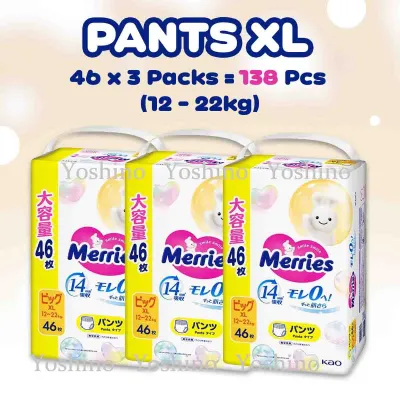
![[NEW] Merries Ultra Jumbo Pants Diapers XL (46s x 6 Packs)](https://img.lazcdn.com/g/p/5436bdb18d892d4eab1ab8c1106ff37a.png_400x400q80.png_.webp)
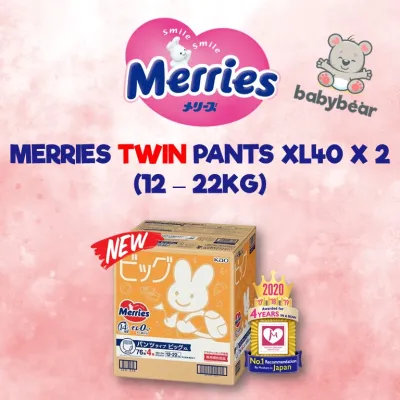
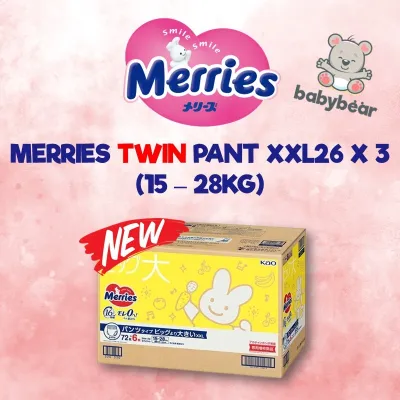
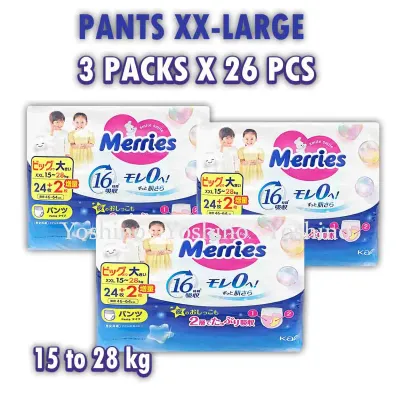
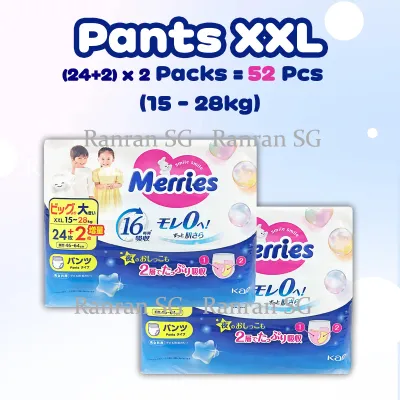
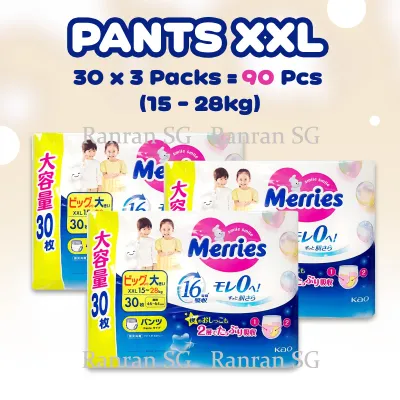
Prices are valid at publication and may change. Please refer to the product page for the latest price.
Parents must also recognize that diaper brands offer multiple product lines within the same size category. A brand’s standard line may have different materials, elastic configurations, or absorption limits compared to its premium or overnight-specific variants. Before making a purchase, it is essential to inspect the packaging for details regarding the specific sub-brand or product tier. Relying solely on the brand name without checking these product-specific features can lead to mismatched expectations regarding performance and fit.
Merries XL Pants: Design Traits and Ideal Use Cases
Merries XL pants are designed with a strong emphasis on skin comfort and advanced ventilation. The brand utilizes a unique micro-airy channel system within the waistband and outer cover, which is engineered to release heat and moisture outward. This design is particularly beneficial for toddlers living in warm climates, as it helps keep the diaper area dry and cool even during active daytime play. The inner sheet of the diaper features a wavy, textured surface that minimizes direct contact with the skin, creating air pockets that allow ventilation while trapping soft stools and liquid.

The physical texture of Merries pants is exceptionally soft, aiming to reduce friction against the toddler’s delicate skin. The gathers around the legs and waist are designed to stretch smoothly, accommodating various body shapes without digging into the skin. This makes Merries XL pants an ideal option for toddlers who have highly sensitive skin or are prone to heat rashes and chafing. The focus on airflow and gentle materials supports overall skin health, making them a popular choice for daytime wear when toddlers are most active and generating body heat.
However, there are limitations to consider. While Merries pants offer reliable daytime protection, their focus on breathability and softness may mean the standard daytime pants have a different absorption profile compared to heavy-duty overnight diapers. Parents of heavy overnight wetters should carefully monitor the diaper’s performance during long sleep cycles. If leaks occur during the night, it is advisable to verify the specific absorbency limits on the packaging or consider transitioning to a dedicated overnight diaper variant, rather than relying solely on the standard daytime pant design.
Mamypoko and Huggies XL Pants: Competitor Profiles
To make an informed comparison, it is helpful to look at the distinct design philosophies of Mamypoko and Huggies. Mamypoko is widely recognized for its focus on high-capacity absorption and leak prevention. Many of their product lines feature a robust absorbent core designed to lock away large volumes of liquid over extended periods. This makes Mamypoko a frequent choice for parents seeking reliable overnight protection. The brand’s design often incorporates deep double leg gathers that act as physical barriers to prevent side leaks, providing peace of mind during long car rides or uninterrupted night sleeps.
Huggies, on the other hand, often emphasizes a secure, contoured fit that moves with the child. Their diaper pants typically feature highly elastic waistbands and reinforced leg cuffs designed to hug the toddler’s body snugly. This snug fit is particularly advantageous for very active toddlers who are constantly climbing, running, or bending, as it minimizes the risk of the diaper sagging or shifting out of place. The materials used in Huggies pants are selected to provide a balance of durability and comfort, ensuring the diaper remains intact and functional even during rough-and-tumble play.
It is important to note that both Mamypoko and Huggies offer a wide array of sub-models, ranging from budget-friendly everyday options to premium, organic, or specialized overnight lines. Features such as wetness indicators, specific types of inner liners, and exact waistband designs can vary significantly depending on the specific sub-brand and the region where the product was manufactured. Caregivers should perform a quick check of the product label and packaging specifications before purchasing to ensure they are getting the exact features required for their toddler’s needs.
Assessing Value and Cost Per Diaper
When managing a household budget, evaluating the financial aspect of diapering is just as important as assessing performance. Because retail prices fluctuate due to promotions, store locations, and seasonal sales, relying on the shelf price of a single pack can be misleading. Instead, parents should use a simple formula to calculate the true cost-effectiveness of each option:
Cost per diaper = Total pack price in S$ / Number of diapers in the pack
By calculating the cost per individual unit, you can make objective comparisons across different brands and pack sizes. XL diapers naturally contain fewer pieces per pack than smaller sizes like Medium or Large, making the cost per unit higher. To optimize value, parents can look for bulk purchasing options, carton deals, or subscription services offered by online marketplaces and local retailers. Buying in bulk often reduces the unit cost significantly, providing substantial savings over time.
However, a lower cost per diaper does not always equate to better overall value. If a cheaper diaper has lower absorbency or a less secure fit, it may require more frequent changes throughout the day or lead to leaks that require extra laundry and cleanup. In contrast, a slightly more expensive premium diaper that keeps the toddler dry for longer periods might reduce the total number of diapers used daily. Parents should balance the upfront unit cost with the diaper’s actual performance in real-world scenarios to determine which brand offers the best practical value for their family.
Decision Framework: Choosing the Right Brand for Your Toddler
To simplify the selection process, parents can use a structured decision framework based on their primary caregiving priorities and their toddler’s specific physical needs.
- Choose Merries if: Your primary concern is skin sensitivity, heat rash prevention, or daytime comfort. The ultra-soft materials and highly breathable waistband design make Merries XL pants excellent for keeping active toddlers cool and dry in humid conditions, minimizing friction and chafing.
- Choose Mamypoko if: Your main priority is maximum liquid capacity and preventing overnight leaks. If your toddler is a heavy wetter or sleeps for long stretches without a diaper change, the high-capacity core and deep leg gathers of Mamypoko can provide the necessary security.
- Choose Huggies if: Your toddler is exceptionally active, and you require a highly secure, snug fit that stays in place during vigorous movement. The stretchy waistband and robust leg cuffs of Huggies are designed to prevent sagging and shifting during play.
Before committing to a bulk purchase or a subscription carton, always verify if your toddler is currently between sizes. If your child’s weight is near the upper limit of a size range, or if they have a unique body shape (such as chunky thighs or a very slim waist), it is highly recommended to purchase a small trial pack first. Testing a small quantity allows you to observe the fit, check for any skin reactions, and evaluate the absorbency in real-time before investing in a larger supply.
Frequently Asked Questions (FAQ)
When Should You Transition Your Toddler to XL Diapers?
Knowing when to move up to an XL diaper involves observing physical and behavioral cues rather than relying solely on age. One of the most common signs is the appearance of red, indented marks on your toddler’s thighs, hips, or waist, indicating that the current size is too tight and restricting movement. Another clear indicator is a sudden increase in leaks or blowouts, even when the diaper is applied correctly and changed at regular intervals. This often means the absorbent core of the smaller size can no longer handle the volume of urine produced by a growing toddler.
Additionally, if the waistband sits significantly below the belly button or if the diaper looks visibly strained when your toddler bends or sits, it is time to transition. Always consult the specific weight and size guidelines printed on the diaper packaging. Because sizing standards and cut shapes can vary slightly between Merries, Mamypoko, and Huggies, checking the manufacturer’s chart ensures you select the correct fit for your toddler’s current weight range.

Community discussion
Share your experience or ask a question. Comments are reviewed before publication.