
Selecting the right premium diaper for your baby in Singapore is a balancing act between comfort, performance, and cost. While Merries Ultra is a popular choice known for its soft texture and reliable design, determining how it compares to other premium options requires looking closely at your baby’s unique shape, skin sensitivity, and daily movement patterns. No single brand offers a universal solution for every infant, making a structured comparison of absorbency, softness, and fit essential for local parents. By evaluating these key performance indicators, you can make an informed decision that keeps your baby dry and comfortable throughout the day and night.
Core Comparison Criteria: Absorbency, Softness, and Fit
To objectively evaluate any premium diaper, including Merries Ultra, parents should look past marketing claims and focus on observable, real-world performance metrics. The first and most critical metric is absorbency. A high-performing diaper must not only hold a significant volume of liquid but also draw it away from the skin quickly to prevent diaper rash. You can assess this by monitoring the wetness indicator line, which changes color when wet, and by gently touching your baby’s skin during changes to ensure it feels dry to the touch. Additionally, take note of how often leaks occur, especially during long stretches of sleep or active play.
Softness is another vital factor, as diaper materials are in constant contact with your baby’s delicate skin. To evaluate softness, physically compare the inner lining of different diaper brands by running your fingers over the material. The texture should feel smooth and fabric-like, rather than papery or stiff. Pay close attention to the waistband and leg cuffs, as these areas are prone to causing friction. Look for breathability features printed on the packaging, such as multi-layer ventilation designs or micro-pores, which help release heat and moisture to keep the diaper area cool in Singapore’s warm climate.
Products mentioned in this guide
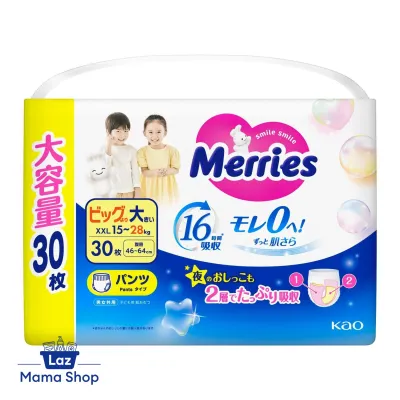
![[NEW] Merries Ultra Jumbo Pants Diapers XL (46s x 6 Packs)](https://img.lazcdn.com/g/p/5436bdb18d892d4eab1ab8c1106ff37a.png_400x400q80.png_.webp)
![[NEW] Merries Ultra Jumbo Pants Diapers XXL (30s x 6 Packs)](https://img.lazcdn.com/g/p/b2254c474f85e46b9740be27d9d4be53.png_400x400q80.png_.webp)
![[NEW] Merries Ultra Jumbo Pants Diapers L (54s x 3 Packs)](https://img.lazcdn.com/g/p/a946667aef44479eb0fab5c49c634100.jpg_400x400q80.jpg_.webp)
![[NEW] Merries Ultra Jumbo Pants Diapers L (54s x 6 Packs)](https://img.lazcdn.com/g/p/6a59589d63deb9d3c576bb62968a1d82.png_400x400q80.png_.webp)
![[NEW] Merries Ultra Jumbo Pants Diapers XXL (30s x 3 Packs)](https://img.lazcdn.com/g/p/5403d06d3e31e965fc37ae26fa48b944.png_400x400q80.png_.webp)
![[NEW] Merries Ultra Jumbo Pants Diapers XL (46s x 3 Packs)](https://img.lazcdn.com/g/p/c717d956d83100fc53830b1ebfd99bc6.png_400x400q80.png_.webp)
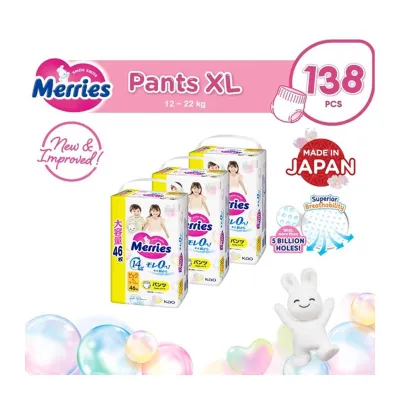
Prices are valid at publication and may change. Please refer to the product page for the latest price.
Fit is the final pillar of diaper performance, directly influencing both comfort and leak prevention. A well-fitting diaper should wrap snugly around your baby’s waist and thighs without being restrictive. When putting on the diaper, check the leg cuffs to ensure the double gathers are flared outward rather than tucked inward, as tucked cuffs are a primary cause of side leaks. The waist tapes should fasten securely and symmetrically, leaving enough room for you to comfortably slide two fingers between the diaper and your baby’s tummy. After removing the diaper, inspect your baby’s skin for any red marks or indentations, which are clear signs that the diaper is too tight or the elastic is too stiff.
Evaluating Merries Ultra Against Other Premium Brands
When comparing Merries Ultra to other premium diaper brands available in Singapore, a practical, hands-on approach is the most reliable way to find the best match. Before committing to a large purchase, consider conducting a side-by-side touch and stretch test. Take a fresh Merries Ultra diaper and a competitor’s diaper of the same size, and gently stretch the waistbands and leg cuffs to compare their elasticity and resistance. Feel the inner linings simultaneously to determine which texture feels gentler against the skin. This physical comparison provides immediate, practical insight that packaging descriptions cannot fully convey.

It is also important to monitor how different diapers perform under varying conditions, specifically during overnight sleep versus active daytime movements. A diaper that performs excellently during the day, when changes are frequent, may not have the capacity or distribution channels needed to keep your baby dry through a twelve-hour night. Conversely, a highly absorbent overnight diaper might feel too bulky or restrictive when your baby is crawling, rolling, or walking. Observing how your baby moves in each brand and checking for dampness after long periods of use will help you identify which diaper excels in each scenario.
Finally, take the time to read and verify the information on manufacturer labels. Premium diaper brands often highlight specific material technologies, such as structured channels designed to distribute liquid evenly, or specialized topsheets that minimize contact with runny stool. Look for indications of dermatological testing or hypoallergenic certifications, which can provide peace of mind for parents of babies with sensitive skin. Because these standards and certifications can vary widely between brands and manufacturing regions, verifying these claims on the manufacturer’s official website is a prudent step before making a final choice.
Assessing the Jumbo Pack: Sizing, Usage, and Value
For many parents in Singapore, purchasing diapers in bulk jumbo packs is a practical way to manage household expenses and ensure a steady supply. However, determining whether a jumbo pack of Merries Ultra offers genuine value requires a systematic approach. Start by calculating the cost per diaper rather than relying solely on the retail price of the pack. Divide the total price in S$ by the number of diapers inside the package. This simple calculation allows you to make direct, accurate value comparisons between different brands, pack sizes, and retail outlets, helping you identify the most cost-effective option for your budget.
Before purchasing a jumbo pack, it is crucial to verify your baby’s current weight against the manufacturer’s official size chart. Infant growth is highly individual, and the weight ranges printed on diaper packaging often overlap significantly. For instance, if your baby is approaching the upper limit of a size range, buying a large jumbo pack may result in leftover diapers that are too small before you can finish the pack. Checking your baby’s weight regularly and observing how the current size fits around the waist and thighs will help you avoid the waste and inconvenience of outgrown bulk purchases.
Additionally, storing bulk diapers in Singapore’s hot and humid climate requires careful attention to maintain material integrity. High humidity can cause the superabsorbent polymers inside the diaper to absorb moisture from the air before use, reducing their overall capacity and effectiveness. It can also weaken the adhesive quality of the fastening tapes, making them less secure. To prevent this, store your jumbo packs in a cool, dry area of your home, away from direct sunlight and high-moisture zones like bathrooms or laundry areas. Keeping the diapers in sealed plastic containers or airtight storage bags can further protect them from environmental moisture.
Decision Framework: Choosing the Right Premium Diaper
To help you navigate the final choice, establishing a clear decision framework based on your baby’s specific reactions is highly beneficial. You should choose to stick with or transition to Merries Ultra if your physical observations confirm that the diaper consistently meets your baby’s needs. If the absorbency keeps their skin dry, the softness prevents chafing, and the fit remains secure without leaving red marks or causing leaks, the jumbo pack represents a reliable and convenient choice for your daily routine.
On the other hand, you should consider exploring alternative premium brands if you observe persistent issues with fit or performance. If your baby frequently experiences side leaks, blowouts, or friction marks along the waistband and thighs, it indicates that the diaper’s cut or elasticity may not align with their body shape. Different premium brands utilize distinct shapes—some are designed with a narrower crotch area, while others feature higher waist rises—so switching to a brand with a different design philosophy can often resolve recurring fit issues.
Regardless of the brand you choose, if your baby has known skin sensitivities, eczema, or exhibits signs of persistent diaper rash, always verify your diapering routine with a qualified pediatrician. A medical professional can help determine if the irritation is caused by friction, moisture retention, or a specific sensitivity to materials or fragrances. They can also provide guidance on selecting specialized hypoallergenic diapers, adjusting your changing frequency, or incorporating appropriate barrier creams to protect your baby’s delicate skin.
Frequently Asked Questions (FAQ)
How do I know if my baby needs a different premium diaper brand?
Your baby may need a different premium diaper brand if you notice persistent physical signs of poor fit or skin irritation. These signs include red marks or indentations around the waist and thighs after removal, frequent leaks or blowouts despite using the correct size, and unexplained skin redness or diaper rash. If these issues persist even after you have verified the sizing and adjusted the fit, trying a different brand with an alternative cut or material composition is a practical next step. Always consult a pediatrician if skin irritation does not improve, to ensure there are no underlying medical concerns.
Is it safe to stock up on jumbo diaper packs for a growing baby?
While stocking up on jumbo diaper packs can be highly convenient, it carries the risk of your baby outgrowing the size before you can finish the supply, especially during rapid infant growth spurts. To manage this risk, adopt a balanced purchasing strategy. Avoid buying multiple jumbo packs of the same size at once, particularly when your baby is nearing the upper weight limit of that size. Instead, keep a small, manageable reserve of your current size while purchasing a single pack of the next size up to test the fit as your baby grows, ensuring a smooth transition without wasted inventory.

Community discussion
Share your experience or ask a question. Comments are reviewed before publication.