
Finding the right diaper for your growing baby is a process of matching physical design with your child’s unique anatomy. While Merries Tape L is widely recognized as a premium option, there is no single diaper that performs flawlessly for every infant. The ideal choice depends heavily on your baby’s specific body proportions, skin sensitivity, and urination patterns.
To determine if Merries Tape L or a competing premium brand is the right fit, parents must look beyond marketing claims and evaluate how the diaper performs in real-world conditions. This involves assessing how well the diaper manages moisture, how securely it wraps around your baby’s waist and thighs, and whether it allows for unrestricted movement. By focusing on observable criteria—such as leak prevention, skin dryness, and the absence of deep red pressure marks—you can establish a reliable framework for choosing the most suitable diaper for your baby’s daily needs.
Evaluating Absorbency: What to Look for in Size L
Absorbency is a critical factor when comparing premium diapers in size L, as babies at this stage are more active and produce larger volumes of urine. To objectively evaluate the absorbency of Merries Tape L against other premium brands, parents should start by examining the physical construction of the diaper’s core. Look at the manufacturer’s packaging to verify the structural design, such as whether it utilizes a structured channel system, a distributed pulp layer, or a high concentration of superabsorbent polymers. These materials dictate how quickly liquid is drawn away from the surface and how evenly it is distributed throughout the core.
Products mentioned in this guide
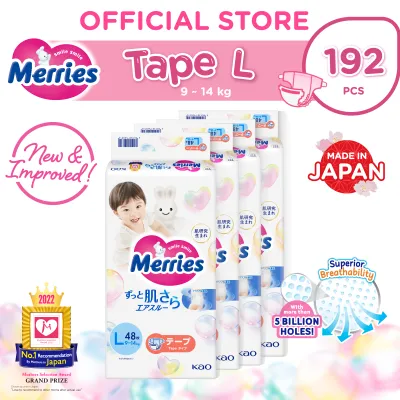
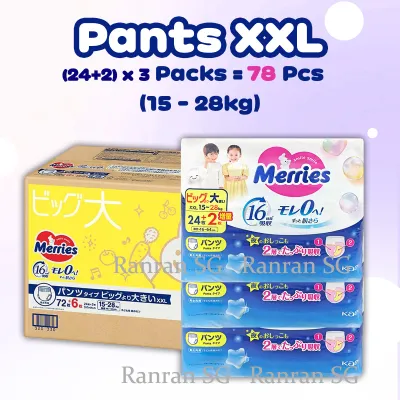
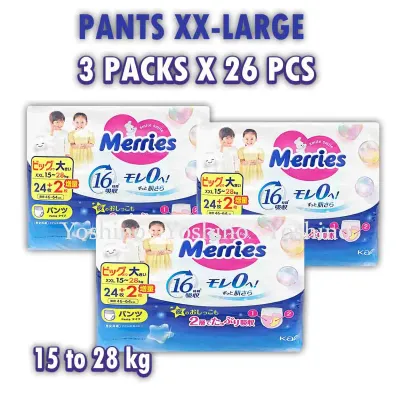
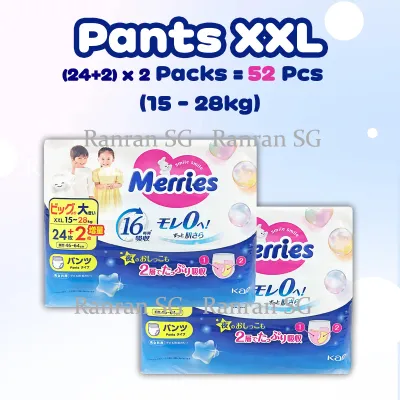
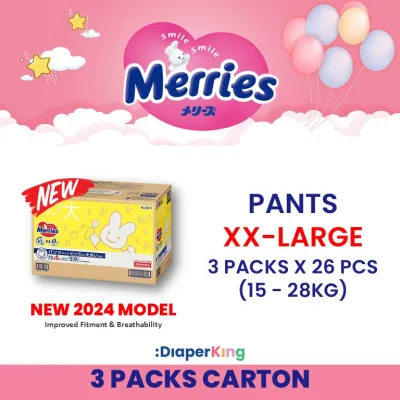
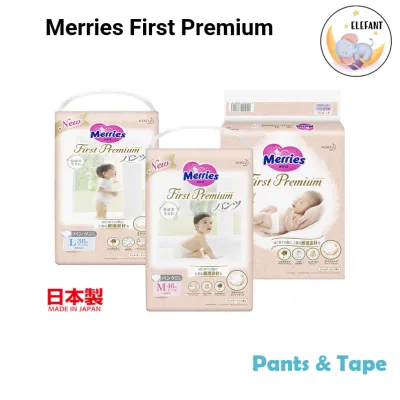
Prices are valid at publication and may change. Please refer to the product page for the latest price.
During use, pay close attention to how the diaper behaves as it becomes saturated. A well-designed core should distribute moisture evenly to prevent sagging and clumping. If you notice that the diaper bulges heavily in a single spot or clumps into hard, uncomfortable lumps, the core may not be distributing liquid effectively for your baby’s movement patterns. Furthermore, check the outer cover of the diaper; a premium diaper should feel dry on the outside, indicating that the breathable outer membrane is allowing moisture vapor to escape without letting liquid seep through.
Wetness indicators are another valuable tool for monitoring absorbency, but they must be interpreted with care. These color-changing strips show when moisture has entered the diaper, but they do not measure the remaining capacity of the absorbent core. For heavy wetters or overnight use, do not rely solely on the indicator color. Instead, perform a physical check by gently pressing your hand against the outside of the diaper to gauge its fullness, and verify that the inner lining remains dry to the touch when you change your baby. If the inner lining feels damp or cold against your baby’s skin, it is a clear sign that the diaper’s absorption speed or capacity is being exceeded.
Assessing Fit and Comfort: Beyond the Weight Chart
While weight guidelines on diaper packaging provide a helpful starting point, they cannot account for the diverse body shapes of babies. A baby weighing 11 kg might have a slender waist and chunky thighs, while another of the same weight might have a round tummy and slim legs. Therefore, evaluating the physical cut and elasticity of Merries Tape L compared to other premium brands is essential for ensuring both leak prevention and comfort.

Begin by assessing the waistband stretch and the flexibility of the fastening tapes. The back waistband should offer enough elasticity to expand and contract as your baby breathes, sits, and crawls. When securing the fastening tapes, check how easily they attach to the front landing zone. The tapes should hold securely without peeling back during active play, and the waistband should sit comfortably flat against your baby’s back without gaping. A proper fit allows you to slide two fingers easily between the waistband and your baby’s tummy, ensuring the diaper is secure but not constricting.
Next, inspect the leg cuffs and double leak guards, which are the primary defense against leg-hole leaks. These elastic barriers must sit snugly in the groin creases rather than wrapping tightly around the outer thighs. After your baby has been wearing the diaper for a few hours, check the skin around the waist and thighs. If you notice deep, persistent red marks, the elastic tension may be too high, or the cut of the diaper may be too narrow for your baby’s proportions. Conversely, if you see gaps between the elastic and the skin when your baby moves, the diaper is too loose, which will inevitably lead to leaks.
Finally, consider the texture of the inner lining and its impact on skin comfort during active daytime play. As babies become more mobile, the friction between the diaper and their skin increases. Feel the inner sheet of Merries Tape L and compare it to alternative brands; look for a texture that feels soft and minimizes friction. A highly breathable lining that reduces the contact area between the skin and wetness is crucial for preventing chafing and maintaining skin health. If skin irritation or diaper rash persists despite adjusting the fit and changing diapers frequently, stop using the brand and consult a qualified healthcare professional.
Specification Checklist: Comparing Merries Tape L with Alternatives
To make an informed comparison, parents can use a structured checklist to verify the physical specifications of Merries Tape L against alternative premium brands. Because physical design directly dictates performance, comparing these elements side-by-side helps clarify why one diaper might perform better than another for your specific baby.
Use the following comparison table to guide your physical inspection of the diaper packaging and the diapers themselves:
| Key Feature | Merries Tape L (Verify on Packaging) | Alternative Premium Brand (Verify on Packaging) |
|---|---|---|
| Stated Weight Range | Verify the recommended weight range on the packaging (typically 9–14 kg). | Check the equivalent size L weight range, as boundaries vary by brand. |
| Core Thickness Profile | Inspect the physical thickness and flexibility of the dry absorbent core. | Compare whether the alternative core is thinner, stiffer, or more flexible. |
| Waistband Elasticity | Check for the presence of gathered elastic at the back and stretchable tapes. | Verify if the brand uses a fully elasticized waistband or stretchable side panels. |
| Leg Cuff Design | Examine the height and softness of the double-layered leak guards. | Measure the relative height and feel the elasticity of the leg barriers. |
| Wetness Indicator | Confirm the presence, layout, and visibility of the color-changing lines. | Check if the indicator runs fully from front to back for easy viewing. |
When using this checklist, remember that a thicker core does not automatically guarantee higher absorbency, nor does a thinner core guarantee better comfort. The efficiency of the absorbent materials and the overall shape of the diaper are what determine real-world success. Use this table to note the physical differences, then observe how those differences translate to your baby’s comfort and dryness during daily wear.
Decision Framework: Choosing the Right Diaper for Your Baby
To help you navigate the choice between Merries Tape L and other premium options, use this condition-based decision framework. By matching your baby’s specific physical traits and your daily routines to these scenarios, you can determine the most practical path forward.
Choose Merries Tape L if…
- Standard Proportions: Your baby has standard, proportional body dimensions that align well with the typical size L weight guidelines.
- Textured Lining Preference: You prioritize an inner lining with a distinct, textured surface designed to minimize direct skin contact with moisture.
- Sensitive Skin Needs: Your baby has sensitive skin that benefits from a highly breathable outer cover that allows heat and moisture vapor to escape easily.
- Stable Fit: You do not experience issues with the diaper shifting or gaping during your baby's normal daily movements.
Choose alternative premium brands if…
- Chunky Proportions: Your baby has exceptionally chunky thighs or a very prominent tummy, requiring a diaper cut with wider side panels or more generous leg cuff elasticity.
- Overnight Wetting Patterns: You require a specialized, high-density core designed specifically for heavy overnight wetters who sleep in positions that concentrate moisture in one area.
- Mobility Restrictions: The physical shape of the diaper's crotch area appears too wide or bulky, visibly restricting your baby's ability to crawl, walk, or sit comfortably.
- Waistband Preferences: You prefer a waistband design with a different style of elastic distribution, such as a fully elasticized back band rather than stretchable fastening tapes.
Verify first if…
- Frequent Leaks: You experience frequent leaks or blowouts. Before switching brands, verify that the diaper is applied symmetrically, the leak guards are pulled out fully, and the fastening tapes are secured in the correct zone.
- Persistent Red Marks: You notice persistent red marks on your baby's skin. Check if the diaper is fastened too tightly, or if your baby's weight and proportions indicate it is time to transition to a larger size, even if they are still within the official weight range for size L.
Purchasing Guide: Where to Buy and What to Verify in Singapore
When purchasing premium diapers in Singapore, sourcing them from reliable channels is essential to ensure product quality and authenticity. To avoid committing to a large volume of diapers that may not fit your baby, it is highly recommended to purchase initial trial packs or single packs from official brand stores, major local supermarkets, or established online marketplaces. This allows you to test the fit and absorbency in real-world conditions before investing in bulk cartons.
Upon receiving your diapers, take a moment to inspect the packaging. Verify the manufacturing dates and batch codes printed on the plastic wrap, and ensure the outer seal is completely intact. Diapers are highly sensitive to environmental moisture; storing them in a cool, dry place away from direct sunlight is crucial to prevent the wetness indicators from changing color prematurely due to Singapore’s high ambient humidity.
Be cautious of unverified third-party sellers on online platforms offering prices significantly below the standard market rate in S$. Extremely low prices can sometimes indicate parallel imports that may have different specifications, older stock with degraded adhesive tapes, or packages that have been stored in sub-optimal conditions. Purchasing from authorized retailers ensures you receive genuine products that meet the manufacturer’s quality standards.
Frequently Asked Questions (FAQ)
How do I know if my baby needs to move up from size L?
While the weight range printed on the diaper packaging serves as a general guideline, your baby’s physical development and comfort are the true indicators for sizing up. You should consider moving up to a larger size if you observe frequent leaks that cannot be resolved by adjusting the fit, or if the diaper consistently leaves deep, red compression marks on your baby’s waist or thighs. Another clear sign is the positioning of the fastening tapes; if you find that the tapes must be secured at the very outer edges of the landing zone to fit around your baby’s waist, the diaper is becoming too small. Additionally, if the rise of the diaper no longer covers your baby’s belly button, it is time to transition to the next size to ensure adequate coverage and protection.
Can I mix different premium diaper brands for day and night use?
Mixing different premium diaper brands for daytime and nighttime use is a highly practical and cost-effective strategy for many parents. During the day, when diaper changes are more frequent and your baby is highly active, you may prefer a lighter, more flexible diaper that prioritizes breathability and freedom of movement. For overnight sleep, when you want to minimize disruptions, you can switch to a diaper with a thicker, high-capacity absorbent core designed to lock away moisture for extended periods. If you choose to mix brands, monitor your baby’s skin closely for any localized reactions, as different manufacturers use varying inner lining materials, lotions, and adhesives. If your baby’s skin remains clear and dry, using a dual-brand routine can optimize both comfort and budget.

Community discussion
Share your experience or ask a question. Comments are reviewed before publication.