
Determining whether Merries Size S or another premium diaper is the best choice for a 4-8kg baby depends on individual factors like skin sensitivity, mobility, and overnight wetting patterns. Rather than relying on generalized marketing claims, parents need a practical way to evaluate how different premium brands perform on their specific child. This guide outlines the observable criteria for fit, absorbency, and comfort, and provides a clear decision framework to help you choose the right diaper based on your baby’s daily needs.
Selecting the right diaper during the early months of a baby’s life is a balancing act between comfort, skin health, and household budget. In the 4-8kg weight range, babies undergo rapid physical developments, transitioning from relatively stationary newborns to active infants who roll, kick, and stretch. A diaper that worked perfectly during the first few weeks may suddenly present fit challenges or leakage issues as your baby’s body shape changes. By understanding how to evaluate and compare premium options, you can ensure your baby remains dry and comfortable throughout this dynamic developmental stage.
Understanding the 4-8kg Weight Range and Size S Fit
While diaper packaging prominently displays weight guidelines like 4-8kg, these numbers represent a broad statistical range rather than a guarantee of a perfect fit. Every baby possesses a unique body shape, meaning that two infants of the identical weight can require completely different diaper cuts. For instance, a baby with a longer torso and lean legs will require a different rise and waistband tension compared to a baby of the same weight who has a shorter torso and chunky thighs. Understanding these anatomical differences is the first step in finding a diaper that prevents leaks and ensures comfort.
Products mentioned in this guide
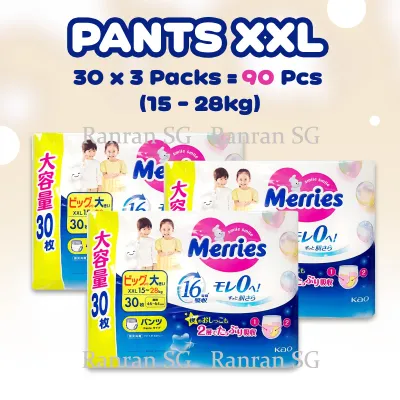
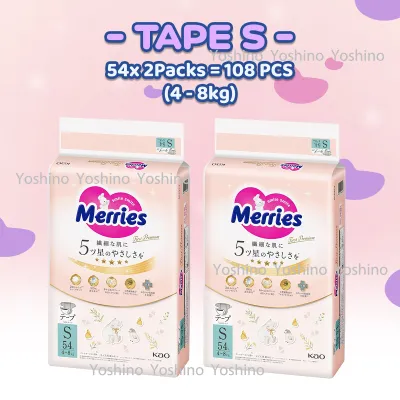
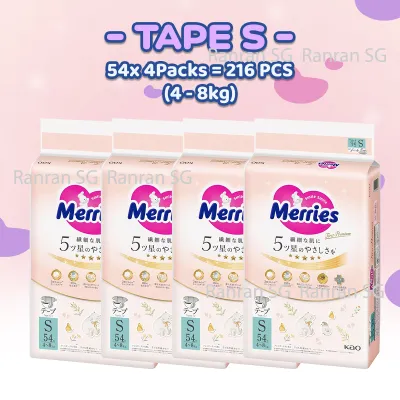
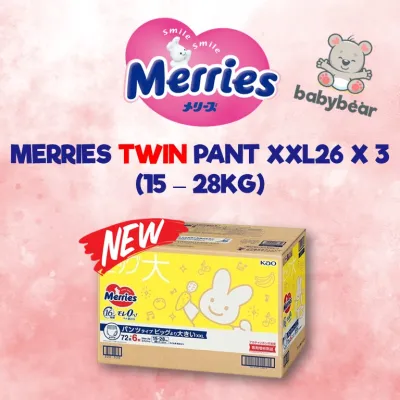
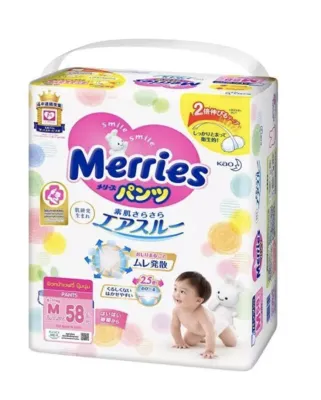
![Merries GIANT Tape Diapers/Walker Pants [4 Packets] NB/S/M/L/XL/XXL Made in Japan](https://img.lazcdn.com/g/p/917a4d0fb99f52684e79d3b232131dc7.jpg_400x400q80.jpg_.webp)

![[4 Pack] Merries Disposable Diapers Giant Tape & Pants](https://img.lazcdn.com/g/p/ae796b690948415dc2e0f9a27f6395c6.png_400x400q80.png_.webp)
Prices are valid at publication and may change. Please refer to the product page for the latest price.
As your baby grows within the 4-8kg range, you must remain vigilant for physical signs that they are outgrowing their current size. One of the most common indicators is the appearance of red, indented marks around the baby’s thighs or waist, which suggests that the elastic bands are under too much tension. Additionally, if you notice frequent leaks occurring during normal daily activities, or if the diaper appears to restrict your baby’s natural leg movements, it is highly likely that the diaper is becoming too small. These signs indicate that the diaper’s physical dimensions and absorbent capacity are no longer matching your baby’s growth.
To avoid the inconvenience of purchasing bulk quantities of diapers that your baby might quickly outgrow, always cross-reference the manufacturer’s size charts and physical fit indicators. When putting on the diaper, observe where the fastening tapes secure on the front landing zone; if they consistently fasten near the outer edges rather than the center, the diaper is reaching its limit. Checking these indicators before buying large cartons ensures you only invest in bulk quantities when you are confident the size will fit your baby for several weeks.
Core Comparison Criteria for Premium Diapers
To make an objective comparison between Merries Size S and other premium diaper brands, you need a structured set of criteria based on observable performance. Relying solely on brand reputation or packaging promises can lead to trial-and-error purchases that result in unused diapers. By focusing on absorbency, skin comfort, and ease of use, you can systematically evaluate how any premium diaper performs under real-world conditions.

Absorbency and leak protection are the primary functions of any disposable diaper, especially during active daytime hours and long overnight stretches. When evaluating a diaper, observe how the absorbent core distributes wetness; a high-quality core should distribute liquid evenly rather than allowing it to pool in a single spot, which causes heavy sagging. Sagging not only causes discomfort but also pulls the diaper away from the body, creating gaps where leaks can easily occur. Furthermore, inspect the inner leak guards—the raised elastic barriers along the leg cuffs—to ensure they stand upright and maintain a gentle, secure seal against the skin during movement.
Breathability and skin comfort are equally critical, particularly for babies with sensitive skin or those living in warm, humid climates. To evaluate this, physically feel the inner lining of the diaper to assess its softness and texture, looking for materials that minimize friction against delicate skin. The waistband should offer high elasticity, stretching easily to accommodate a full belly after feeding while returning to its original shape without leaving deep marks. A well-designed diaper should also facilitate airflow, allowing heat and moisture vapor to escape, which is essential for maintaining dry skin and preventing diaper rash.
Finally, consider the ease of use and practical design features that simplify daily diaper changes for caregivers. A clear, highly visible wetness indicator that changes color rapidly when exposed to moisture helps you determine exactly when a change is needed without opening the diaper. The fastening mechanisms, whether they are adjustable tapes or the stretchy waistbands of pants-style diapers, must be robust enough to stay secure during active play while remaining easy to peel open or tear away during quick changes.
Evaluating Merries Size S: Key Features to Verify
When examining Merries Size S, there are several specific design elements that parents should physically inspect to verify their suitability. Rather than accepting product descriptions at face value, a close physical inspection allows you to assess the material quality and construction. Start by opening a diaper and feeling the inner lining, which features a textured, wavy surface designed to trap loose stool and minimize direct contact with the baby’s skin. Gently stretch the waistband and leg cuffs to evaluate the elasticity, ensuring they feel soft and pliable rather than stiff or abrasive.
It is also important to check the packaging to ensure you are selecting the correct variant for your baby’s current developmental stage. Merries Size S is available in both tape and pants formats, each serving different needs. Tape diapers are highly adjustable and ideal for younger babies who spend most of their time lying down, allowing for a customized fit around the waist. Pants diapers, on the other hand, are designed for older or more active babies who resist lying still during changes, offering a quick pull-up design that accommodates rolling and crawling.
To guarantee the safety and performance of the diapers, always verify the authenticity markers, batch codes, and manufacturing dates printed on the packaging. Genuine products from authorized distributors are stored and transported under controlled conditions, which prevents the adhesive tapes from degrading and ensures the wetness indicators remain sensitive to moisture. Checking these details helps protect your baby from counterfeit or improperly stored products that may cause skin irritation or fail to perform as expected.
Practical At-Home Testing: Merries vs. Competitors
Conducting a safe, structured at-home comparison is the most reliable method for determining which premium diaper brand performs best for your baby. Instead of relying on laboratory tests, a real-world trial under your direct supervision provides direct evidence of how a diaper interacts with your baby’s skin and movements. Begin by conducting a supervised daytime wear test with a single diaper from each brand you wish to compare. Observe your baby during a typical period of active play, checking the diaper periodically for signs of sagging, shifting, or leakage, and inspect the skin for any redness or dampness immediately after removal.
Overnight performance is another critical test that reveals the true limits of a diaper’s absorbent capacity. Use the diaper during a long sleep stretch and monitor whether your baby remains dry and comfortable until morning. A diaper with superior overnight performance should absorb multiple wettings without leaking or leaving the baby’s skin feeling damp to the touch. Pay attention to the external surface of the diaper after a long night; a slightly damp feel on the outside can actually indicate that the breathable outer cover is successfully allowing moisture vapor to escape.
In addition to physical performance, you should calculate the true cost per diaper to assess the long-term value of each brand. To do this, divide the total purchase price of a pack by the number of diapers it contains, which gives you the exact unit cost in S$. Be sure to use current, non-promotional prices from official brand stores on reputable e-commerce platforms to ensure a fair comparison. This calculation helps you determine whether a slightly more expensive diaper offers enough performance benefits to justify the extra cost over time.
Decision Framework: Choosing the Right Premium Diaper
To make a final purchasing decision, you should match your baby’s specific physical characteristics and your family’s daily routine to the unique strengths of each diaper option. If your primary goal is to find a diaper with an exceptionally soft, textured inner lining that minimizes skin contact, and your baby has sensitive skin with standard wetting patterns, Merries Size S is an excellent option to test first. Its design focuses heavily on skin dryness and gentle materials, making it highly suitable for babies prone to mild irritation.
If your baby is highly active, frequently rolling, kicking, or beginning to crawl, you may find that a competitor with a highly flexible, form-fitting cut is more suitable. Look for brands that feature ultra-stretchy waistbands and contoured leg openings that adapt dynamically to rapid movements. This flexibility helps maintain a secure seal around the legs and waist, preventing gaps and leaks during active play that a more structured diaper might not accommodate.
For babies who are heavy overnight wetters, a high-capacity competitor designed specifically for extended wear may be the most practical choice. These diapers often incorporate a thicker absorbent core or specialized distribution layers that can hold larger volumes of liquid over twelve hours, reducing the risk of wetness-induced night wakings. Choosing a high-capacity option for nighttime use can provide both you and your baby with more restful, uninterrupted sleep.
Regardless of the brand you choose, safety and skin health must always remain your top priorities. If your baby has existing skin conditions, severe diaper rash, or known material allergies, do not attempt to resolve these issues solely by switching diaper brands. Always consult a pediatrician or a qualified healthcare professional first to obtain a proper diagnosis and treatment plan before introducing new diapering products to your routine.
Frequently Asked Questions (FAQ)
Can I mix Merries Size S with another premium brand during the day and night?
Yes, mixing diaper brands is a highly practical strategy that many parents use to optimize both comfort and budget. You can use a highly breathable, lightweight diaper like Merries Size S during the day when changes are frequent, and switch to a high-capacity, heavy-duty competitor for overnight sleep. This allows you to leverage the specific strengths of each brand when they are needed most.
However, when alternating between different brands, you must carefully monitor your baby’s skin for any signs of irritation. Because different manufacturers use distinct materials, elastic tensions, and cuts, switching back and forth can sometimes cause localized friction or skin reactions. If you notice red marks or irritation appearing in specific areas after switching, it may be best to stick to a single, consistent brand that fits your baby well.
How do I know if my 4-8kg baby needs Size S or Size M?
While your baby’s weight may still fall within the 4-8kg range, several physical indicators can signal that it is time to transition from Size S to Size M. If you find that the waistband sits too low on your baby’s hips, or if the fastening tapes must be secured at the very outer edges of the landing zone, the diaper is likely too small. Frequent leaks around the leg cuffs or deep red marks left by the elastic are also clear signs that the diaper is too tight.
To avoid purchasing a large quantity of diapers that may not fit, buy a small trial pack of Size M first. Test the larger size during a supervised daytime period to ensure there are no gaps around the thighs or waist when your baby moves. If the larger size fits securely without leaking, you can confidently transition to Size M for your daily routine.

Community discussion
Share your experience or ask a question. Comments are reviewed before publication.