
Finding the right premium diaper for an active toddler in Singapore’s warm, humid climate is a balancing act between absorbency, fit, and skin health. When comparing Merries Premium XL against other premium diaper brands, there is no single universal winner that suits every child. Performance depends heavily on your toddler’s unique body proportions, skin sensitivity, and wetting patterns. While one toddler may thrive in a diaper designed with highly elastic waistbands, another might require a specific inner lining texture to prevent irritation. This guide provides a structured framework to evaluate the physical design, material features, and real-world fit of XL-size premium diapers, helping you make a condition-based decision rather than relying on generic brand claims.
Evaluating Absorbency for Heavy Wetting and Overnight Use
To determine how well Merries Premium XL or any competing premium diaper handles heavy wetting, parents must look closely at the core construction. Start by checking the packaging for details on the core technology. Premium diapers typically utilize either a traditional fluff pulp and superabsorbent polymer (SAP) blend or a modern, pulp-free channel design. Channel designs are engineered to distribute liquid evenly along specific pathways, preventing the diaper from sagging in a single spot. When evaluating a diaper, look for these structural channels, which help maintain the diaper’s shape even when fully saturated.
Real-world observation is the most reliable way to assess absorbency. After a full night of sleep, observe how the diaper distributes weight. A high-performing diaper should feel relatively firm and evenly distributed, rather than forming a heavy, saggy lump between the toddler’s thighs. Sagging not only causes discomfort but also pulls the waistband down, increasing the risk of leaks around the waist and legs. Note whether the outer cover feels damp to the touch after several hours, which can indicate that the core has reached its maximum capacity or that the breathable barrier is letting too much moisture escape.
Products mentioned in this guide
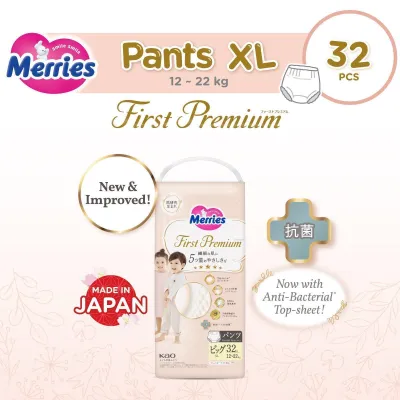
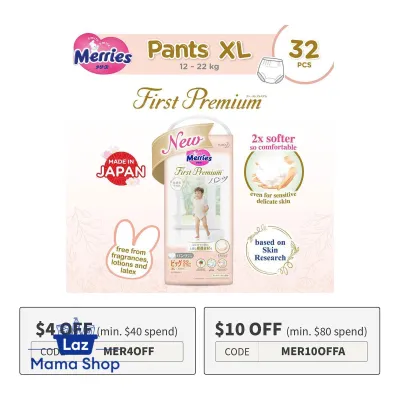
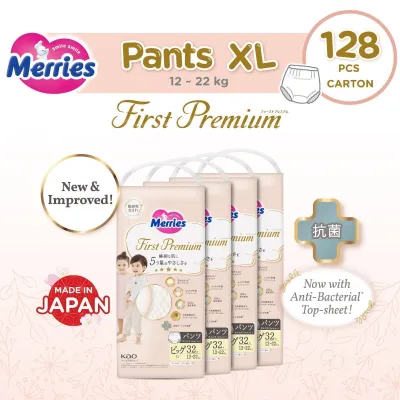
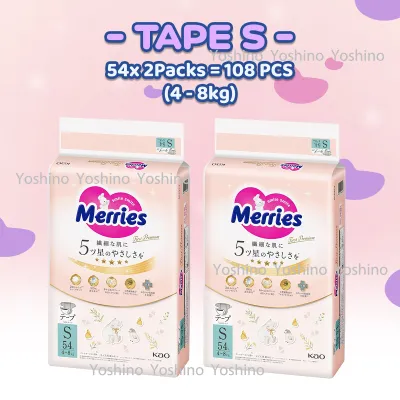
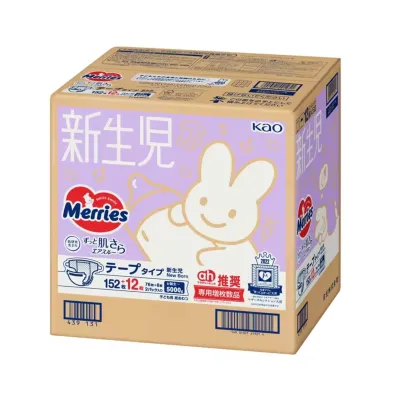
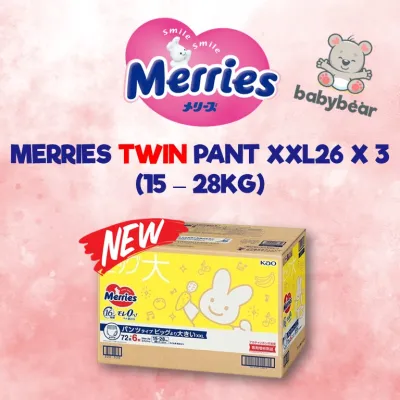
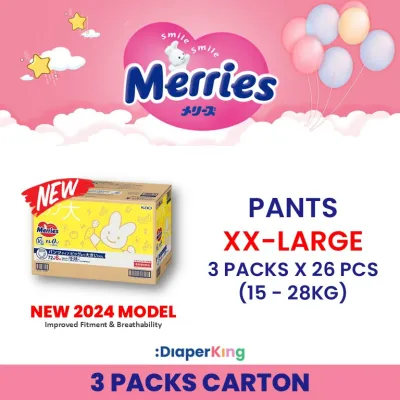
Prices are valid at publication and may change. Please refer to the product page for the latest price.
Additionally, evaluate the utility of the wetness indicator line. On premium diapers, this line should run clearly from the front to the back of the diaper. Check how quickly the color changes from yellow to blue or green upon wetting. While a fast-changing indicator is helpful for daytime monitoring, its accuracy over a long overnight stretch is what truly matters. If the indicator changes color completely within the first hour but the diaper remains dry to the touch on the inside, the core is successfully locking moisture away from your toddler’s skin.
Comparing Fit and Leak Protection for Active Toddlers
Active toddlers require a diaper that moves with them without shifting out of place. When comparing XL diapers, pay close attention to the waistband elasticity and stretch recovery. Gently pull the waistband of an unused diaper to its maximum limit and release it; it should snap back to its original shape quickly without losing its structure. For tape-style diapers, examine the fastening tabs. They should be wide enough to secure the diaper firmly without digging into the skin, and the adhesive or hook-and-loop material must remain secure even when exposed to sweat, baby oil, or lotion during active play.

The leg cuff design is another critical area for leak prevention, especially for toddlers with thicker thighs. Examine the height and flexibility of the inner leg gathers. These double-layered barriers should stand upright when the diaper is opened, acting as a physical wall against leaks. If the gathers are too tight or lack sufficient elasticity, they can restrict movement or leave deep red marks on your toddler’s skin. Conversely, if they are too loose, gaps will form when your toddler crawls, climbs, or sits, leading to immediate leaks.
To assess the fit on your toddler, look for physical warning signs during daily wear. Check for deep red marks around the waist and thighs immediately after removing a diaper, which indicates the size is too small or the elastic is too restrictive. Look for waist gaps at the back when your toddler bends forward, as well as sagging around the leg openings. If you notice frequent leaks despite the diaper not being fully saturated, the issue is likely a mismatch between the diaper’s cut and your toddler’s physical build rather than an absorbency failure.
Assessing Material Comfort and Skin Breathability
Singapore’s tropical climate makes material comfort and breathability top priorities for toddler diapers. To evaluate the inner lining, gently run your fingers over the surface of an unused diaper. Premium diapers often feature textured inner sheets, such as wavy, quilted, or honeycombed patterns. These textures are designed to minimize direct contact between the skin and wetness, creating tiny air pockets that allow ventilation. A softer, more textured lining is generally gentler on sensitive skin, reducing the friction that can lead to diaper rash during active movement.
Next, examine the outer cover for breathability features. Many premium brands claim to use breathable outer sheets that allow moisture vapor to escape while keeping liquid locked inside. You can often verify this by looking closely at the outer material under a bright light to check for visible micro-pores or a fabric-like texture rather than a plastic feel. In a humid environment, a non-breathable outer cover traps heat and sweat, creating a warm, damp environment that encourages the growth of bacteria and yeast.
Monitor your toddler’s skin closely during extended daytime wear, particularly during outdoor activities or in rooms without air conditioning. Check for signs of heat retention, such as localized sweating under the waistband or a damp feeling on the skin when changing the diaper. If you notice persistent skin redness, warmth, or a mild heat rash, it may indicate that the diaper’s material is trapping too much moisture and heat, necessitating a switch to a brand with higher air permeability or a different inner sheet design.
Decision Framework: Choosing the Right Premium Diaper
Selecting the right premium diaper requires matching your toddler’s specific physical traits and sensitivities to the design characteristics of each brand. Consider Merries Premium XL if your toddler has standard body proportions and responds well to a highly textured, pillowy inner lining. This design is particularly suitable for toddlers who experience mild skin irritation from flat diaper surfaces, as the textured sheet minimizes skin contact and allows air to circulate. It is also an excellent option if you prefer a diaper that maintains a soft, flexible feel even when moderately wet, ensuring comfort during daytime play.
On the other hand, you may want to explore alternative premium diaper brands if your toddler has unique physical requirements. For instance, if your toddler has exceptionally chunky thighs, look for brands that feature wider, more accommodating leg gathers with high-stretch elastics that do not leave deep indentations. If your toddler is an extremely heavy wetter overnight, you might require an alternative brand that utilizes specialized, high-density polymer channels designed specifically to lock away large volumes of liquid without sagging or leaking at the back.
Before making a final decision, always verify your toddler’s skin health history. If your child has a history of contact dermatitis, eczema, or highly sensitive skin, do not rely solely on marketing terms like “hypoallergenic” or “organic.” Instead, check the packaging or the manufacturer’s official website for detailed material disclosures, looking for the absence of added fragrances, chlorine processing, and natural rubber latex. If your toddler experiences persistent skin irritation regardless of the brand used, consult a pediatrician or a qualified dermatologist to identify potential triggers and receive personalized skin care recommendations.
How to Test and Transition Diaper Brands Safely
Transitioning to a new diaper brand should be a gradual, structured process to avoid wasting money on bulk packages that may not fit or suit your toddler. Start by purchasing small trial packs or single-pack samples rather than full cartons. Many official brand stores, local pharmacies, and established e-commerce platforms in Singapore offer these smaller quantities specifically for parents to test fit and compatibility.
Once you have a trial pack, conduct a structured three-day test. Use the new diaper during three distinct scenarios: active daytime play, daytime naps, and overnight sleep. During active play, check for shifting, sagging, and ease of movement. During naps, monitor how well the diaper handles a single, concentrated wetting. Finally, use it overnight to test its maximum absorbency and leak protection over an eight-to-twelve-hour period.
Throughout this trial period, monitor your toddler’s skin daily. If you observe any persistent redness, raised bumps, or signs of discomfort, stop using the new brand immediately. Revert to your previous diaper or leave the skin bare to air out, and consult a healthcare professional if the rash does not improve within a few days or if it appears painful.
Frequently Asked Questions (FAQ)
When should I size up from XL to XXL or toddler pants?
To determine if it is time to transition from XL to XXL, start by checking the manufacturer’s weight guidelines on the packaging. However, physical fit is often a more accurate indicator than weight alone. If you notice the waistband sitting far below your toddler’s belly button, or if the fastening tabs must be secured at the very edge of the landing zone, the diaper is too small. Frequent leaks, red marks around the thighs, and restricted movement during play are clear signs that your toddler requires a larger size or a transition to pull-up style toddler pants for a more flexible fit.
Are premium diapers worth the higher cost for daytime use?
Whether premium diapers are worth the investment for daytime use depends on your toddler’s skin sensitivity and your household budget. If your toddler has highly sensitive skin prone to diaper rash, the superior breathability and textured inner linings of premium diapers can help maintain skin health during the day. However, if your toddler does not have sensitive skin and you change diapers frequently—such as every two to three hours—you might consider using a standard diaper during the day to manage costs, while reserving premium diapers for overnight wear when maximum absorbency and long-term comfort are essential.

Community discussion
Share your experience or ask a question. Comments are reviewed before publication.