
As your baby transitions from a crawling infant to an energetic toddler, diaper needs shift dramatically. Finding the right pull-up pants is crucial to prevent leaks during active play, running, and climbing. The merries pants l size is a highly popular choice among parents in Singapore looking for a reliable, high-quality diaper that can withstand the demands of a busy toddler. However, premium competitors like Pampers and Moony also offer compelling designs tailored for active children. Selecting the ideal diaper is not about finding a single “perfect” option, but rather choosing the design that best matches your toddler’s unique body shape, skin sensitivity, and daily activity level.
To help you navigate these options, this comparison evaluates how each brand performs in key areas such as fit, absorbency, and comfort. Merries pants are widely recognized for their exceptional breathability and plush softness, making them an excellent choice for sensitive skin in humid conditions. Pampers pants generally offer a slimmer, more streamlined fit with high-speed absorbency, which is ideal for high-intensity movement. Moony pants focus heavily on an ergonomic, cushioned fit that accommodates rounder bellies and provides excellent overall comfort. This comparison focuses specifically on Size L pull-up pants, which are typically designed for toddlers weighing between 9 and 14 kilograms, evaluating how each brand supports active play and movement.
Understanding Size L: Weight Ranges and Fit for Merries Pants L and Competitors
Before comparing the specific performance of Merries, Pampers, and Moony, it is essential to verify whether Size L is the correct starting point for your toddler. While most premium brands align their Size L pants with a weight range of approximately 9 to 14 kilograms, sizing is not standardized across all manufacturers. A toddler’s weight is only a baseline metric; their physical build, height, and leg thickness play equally significant roles in how a diaper fits. Parents must consult the specific packaging of the brand they are using, as a 10-kilogram toddler with chunky thighs might require a different fit than a toddler of the same weight with a slender build.
Products mentioned in this guide
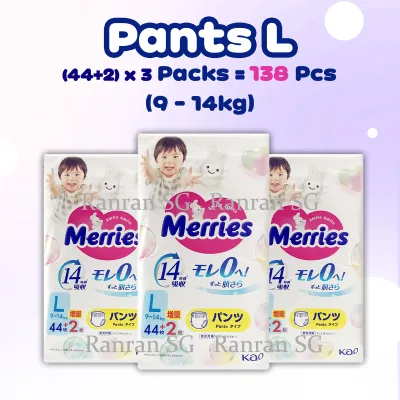
![[LIMITED EDITION] Merries GIANT PANTS L54 x 3 packs](https://img.lazcdn.com/g/ff/kf/S00c74cba66d14c6abc99259f5df06b7fQ.jpg_400x400q80.jpg_.webp)
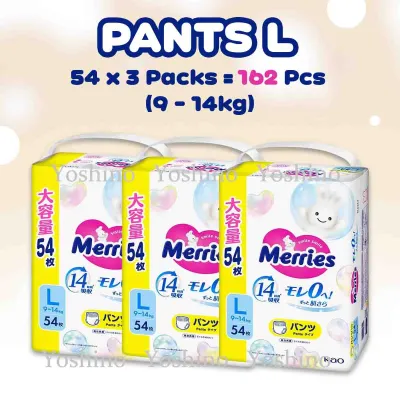
![[NEW] Merries Ultra Jumbo Pants Diapers L (54s x 3 Packs)](https://img.lazcdn.com/g/p/a946667aef44479eb0fab5c49c634100.jpg_400x400q80.jpg_.webp)
![[1 Carton] Merries Walker Pants Large 54s x 3 packs (9-14 kg)](https://img.lazcdn.com/g/p/b319871e204bbd8e0aa65e3589483d4a.jpg_400x400q80.jpg_.webp)
![[NEW] Merries Ultra Jumbo Pants Diapers L (54s x 6 Packs)](https://img.lazcdn.com/g/p/6a59589d63deb9d3c576bb62968a1d82.png_400x400q80.png_.webp)
![MERRIES GIANT [TWIN Packs] Tape Diapers/Walker Pants NBS/M/L/XL/XXL Made in Japan](https://img.lazcdn.com/g/p/eb169334be1c344058c66ada97d0288e.jpg_400x400q80.jpg_.webp)
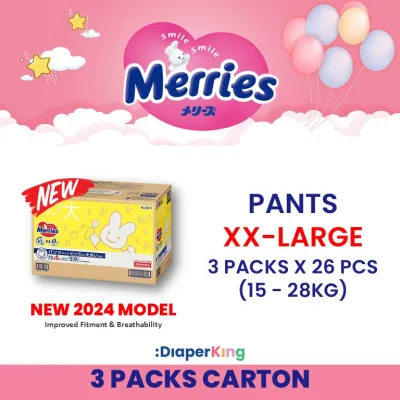
Prices are valid at publication and may change. Please refer to the product page for the latest price.
Transitioning to pull-up pants is highly beneficial once a toddler begins to wriggle, stand, or resist lying down during diaper changes. However, staying in a size that is too small can lead to discomfort and structural failures. Look for clear physical indicators that your toddler is ready for Size L, or perhaps needs to transition to a larger size if they are already wearing it. If you notice deep red marks around your toddler’s thighs or waist, it is a clear sign that the elastics are under too much tension. Frequent leaks, particularly around the leg cuffs when your child is sitting or squatting, also suggest that the diaper’s absorbent core or coverage area is no longer sufficient. Additionally, if the waistband sits well below the belly button or if you find yourself struggling to pull the pants up over your child’s hips, it is time to reassess the size.
Proper sizing is critical for active toddlers because a diaper that does not fit correctly can directly hinder their physical development and comfort. If a diaper is too loose, the weight of urine will cause it to sag, which can trip a toddler who is learning to run or climb. Conversely, a diaper that is too tight restricts natural hip movement and causes painful friction against the skin. Ensuring a proper fit allows your toddler to move freely and explore their environment without physical restriction or the distraction of a shifting diaper.
Absorbency and Leak Protection During Active Play
When a toddler is constantly on the move, a diaper’s absorbency and leak-protection systems are put to the test. Merries, Pampers, and Moony each employ distinct core technologies designed to lock away moisture quickly under pressure. Merries pants utilize a dual-channel absorbent core that distributes liquid evenly, preventing the diaper from ballooning in a single spot. This design helps maintain a balanced center of gravity for your toddler as they run and jump. Pampers relies on its signature rapid-absorption layers, which are engineered to draw wetness away from the skin almost instantly upon contact. This high-speed absorption is particularly effective for toddlers who release large volumes of urine at once. Moony features a highly flexible, contoured absorbent core that molds to the child’s movements, ensuring that the absorbent material remains positioned directly beneath the wetness zone even during vigorous physical activity.

Beyond the absorbent core, the physical barriers around the legs and waist are the secondary line of defense against leaks. Active toddlers spend their days squatting, climbing, and twisting, which can easily displace a poorly designed diaper. Merries pants are equipped with soft, double-up leg gathers that hug the thighs gently but firmly, creating a secure seal without leaving harsh elastic marks. Pampers utilizes high-tension leg cuffs designed to maintain contact with the skin during high-speed running, though some parents find these cuffs can be slightly tighter on chubbier legs. Moony incorporates a specialized pocket-like barrier at the back of the waistband, which is specifically engineered to catch loose stools and prevent back leaks when the toddler is sitting or bending forward.
When purchasing diapers, parents should carefully review the product packaging to understand the intended use of the specific line. Many premium pants are designed as versatile, all-day diapers, but some sub-lines are optimized specifically for high-activity daytime wear or extended overnight protection. Daytime active pants prioritize a slimmer profile and high flexibility to facilitate movement, whereas overnight options focus on maximum fluid capacity and wider coverage.
It is important to remember that absorbency and leak protection are highly dependent on your child’s individual physiology. A diaper’s performance will vary based on your toddler’s unique urination volume, frequency, and movement patterns. No diaper can guarantee absolute leak-proof protection under all circumstances. Parents should treat absorbency claims as design features to be verified through daily observation rather than absolute guarantees of performance.
Comfort, Breathability, and Skin Health in Singapore's Climate
In Singapore’s hot and humid tropical climate, diaper breathability is a primary concern for parents. When a toddler is active and sweating, heat and moisture can quickly build up inside the diaper, creating a humid microclimate that increases the risk of diaper rash and skin irritation. To combat this, premium diaper brands focus heavily on material engineering and ventilation. The merries pants l diaper is highly regarded for its triple-layer breathable design, which allows air to flow freely through the outer cover while keeping moisture locked inside the core. This air-through ventilation system is designed to release damp air from the waistband and the body-fitting area, helping to keep the toddler’s skin dry and cool even during outdoor play in local parks.
Pampers takes a different approach, utilizing a lightweight, micro-pore design that prioritizes rapid moisture-wicking to keep the skin’s surface dry. While highly effective at managing wetness, some parents find the texture of the dry-weave topsheet slightly less plush than its competitors. Moony offers a premium, cushioned topsheet, often incorporating organic cotton fibers in its high-end lines. This material is exceptionally gentle on highly sensitive skin, providing a soft barrier that minimizes friction against the toddler’s delicate skin during repetitive movements like walking or climbing.
When selecting a diaper for sensitive skin, parents should inspect the packaging for specific quality indicators. Look for clear labels indicating dermatological testing, hypoallergenic materials, or certifications from independent skin health organizations. These labels provide assurance that the materials used have undergone rigorous safety evaluations to minimize the risk of contact dermatitis.
However, even the most breathable, dermatologically tested diaper cannot replace basic hygiene practices. The primary defense against diaper rash remains frequent diaper changes and proper skin care. Parents should change their toddler’s pants immediately after bowel movements and at regular intervals throughout the day, ensuring the skin is completely clean and dry before applying a new diaper. In a humid climate like Singapore, allowing the skin to air-dry briefly during changes can also significantly reduce the likelihood of irritation.
Fit and Flexibility: How Each Brand Moves with Your Toddler
The structural design of a pull-up diaper dictates how well it conforms to a toddler’s body as they navigate their daily physical milestones. The waistband is a critical component of this fit. Merries pants feature a unique “airy well-fit” waistband that stretches up to 2.5 times its original size, allowing it to accommodate a toddler’s expanding belly after meals without digging in or slipping down. The elastic gathers are designed to distribute pressure evenly across the waist, reducing the likelihood of red marks. Pampers pants generally feature a more structured, high-tension waistband that provides a very secure, snug fit. This design is highly effective at keeping the diaper in place during intense running, though it may feel tighter on toddlers with a rounder abdominal profile. Moony pants are engineered with an exceptionally soft, low-tension waistband that stretches easily, prioritizing maximum comfort and a gentle hug around the child’s waist.
The flexibility of the leg cuffs and the overall bulkiness of the diaper also influence a toddler’s mobility. A bulky diaper can force a toddler into an unnatural, wide-legged gait, which can affect their balance and movement patterns. Pampers is known for its ultra-slim profile, which fits neatly under clothing and minimizes bulk between the thighs, allowing for a completely natural range of motion. Merries and Moony are slightly more padded, offering a cushioned feel that some parents prefer for protection against minor bumps, though this can result in a slightly wider profile when the diaper is fully saturated.
Ease of use is another vital consideration for parents managing active toddlers who dislike standing still for changes. All three brands feature tear-away side seams that allow caregivers to remove the pants quickly and cleanly, especially during messy diaper changes. The ease of tearing these seams varies: Merries and Moony side seams are designed to tear smoothly from the top down with minimal effort, while Pampers seams are slightly more robust, requiring a firmer pull but reducing the risk of accidental tearing while the child is pulling the pants up independently. Additionally, parents should look for the roll-up tape on the back of the pants, which allows for neat, compact disposal after use.
Decision Framework: Choose Merries, Pampers, or Moony?
To make an informed decision for your active toddler, it is helpful to evaluate each brand’s strengths against your child’s specific physical needs and your daily routine. No single diaper is universally superior; instead, the best choice depends on a set of conditional factors.
- Choose Merries Pants L if: Your primary concerns are skin sensitivity, maximum softness, and breathability. If your toddler is highly prone to heat rash or diaper irritation, or if you spend a significant amount of time outdoors in Singapore's humid weather, the air-through ventilation of Merries provides excellent moisture management. It is also an ideal choice for toddlers with a standard or slightly chubbier build who benefit from a highly stretchable, gentle waistband.
- Choose Pampers if: Your toddler is extremely active, constantly running, jumping, or climbing, and has a relatively slender or average build. The slim profile of Pampers minimizes bulk and friction between the thighs, while the high-speed absorbent core and snug waistband keep the diaper securely in place during high-intensity movement.
- Choose Moony if: Your toddler has a rounder, chubbier build with a prominent belly and thick thighs. Moony's highly ergonomic, cushioned design and low-tension waist elastics accommodate these curves beautifully without leaving red marks. It is also an excellent option if you prefer a plush, cotton-like feel and a specialized pocket design to prevent back leaks.
- Verify first if: Before committing to purchasing large bulk boxes of any premium diaper brand, it is highly recommended to buy small trial packs or request samples from local retailers or online marketplaces. This allows you to test the actual fit, elasticity, and real-world absorbency on your specific child under normal daily conditions. A diaper that works perfectly for one toddler may fit differently on another due to variations in body shape and movement patterns.
Frequently Asked Questions (FAQ)
How do I know if Merries Pants L are too small for my toddler?
You can identify if your toddler has outgrown Merries Pants L by checking for several physical indicators. Look for deep red elastic marks around your child’s waist or thighs, which indicate the diaper is too tight. If the waistband sits significantly below the belly button, or if you experience frequent leaks around the leg cuffs during active play, the diaper’s coverage and absorbency may no longer be sufficient. Additionally, if pulling the pants up over your toddler’s hips requires significant stretching and effort, it is a clear sign to transition to the next size up.
Can I use these premium pants for overnight sleep?
While premium pants like Merries, Pampers, and Moony offer excellent daytime absorbency, their suitability for overnight use depends on your toddler’s individual sleeping habits and urination volume. For heavy wetters or toddlers who sleep on their sides or stomachs, standard daytime pants may saturate quickly, leading to morning leaks. In these scenarios, parents may need to verify the product packaging for specific overnight lines, use dedicated overnight diapers with higher fluid capacities, or consider using specialized diaper booster pads to ensure uninterrupted sleep.

Community discussion
Share your experience or ask a question. Comments are reviewed before publication.