
Selecting the right premium diaper for your baby in Singapore’s persistent heat and high humidity is a balancing act between skin health, movement, and containment. While Merries, Moony, and Pampers each offer high-quality, premium lines, there is no single diaper that fits every baby perfectly. The ideal choice depends on your baby’s specific body shape, skin sensitivity, and daily activity levels. Merries is widely recognized for its textured, airy liner designed to facilitate airflow; Moony is celebrated for its body-conforming, gentle stretch that prevents gaps; and Pampers premium lines focus on ultra-thin, highly absorbent cores that minimize bulk. By understanding how these design philosophies interact with tropical conditions, you can make an informed decision that keeps your baby comfortable and rash-free.
What to Look for in a Diaper for a Tropical Climate
In a tropical environment like Singapore, where relative humidity often exceeds 80 percent, a diaper’s primary challenge is managing the microclimate inside the diaper zone. High humidity and trapped body heat create a breeding ground for bacteria and yeast, which are the primary causes of diaper rash. Therefore, breathability is the most critical feature to evaluate. Look for packaging indicators such as “air-through” outer covers, porous back sheets, and micro-ventilation claims. These structural elements allow hot air and moisture vapor to escape from the diaper while keeping liquid securely contained inside.
Another key factor is the balance between absorbency and bulk. While a thick diaper might seem like it offers more protection, heavy padding can trap heat and sweat against your baby’s skin, leading to heat rash around the waistband and thighs. Modern premium diapers utilize advanced superabsorbent polymers (SAP) that lock away moisture in a very thin layer. A thinner profile not only keeps your baby cooler but also allows for greater freedom of movement as they begin to roll, crawl, and walk.
Products mentioned in this guide
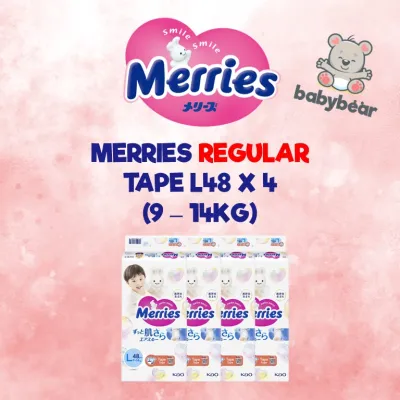
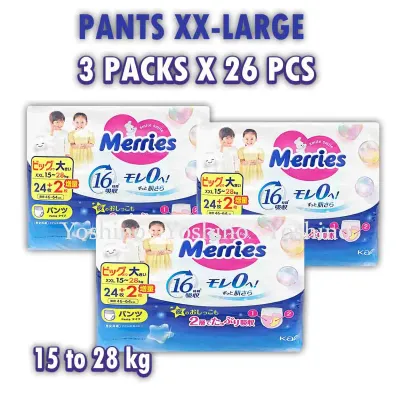
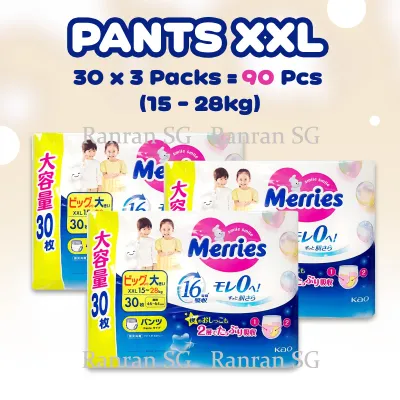
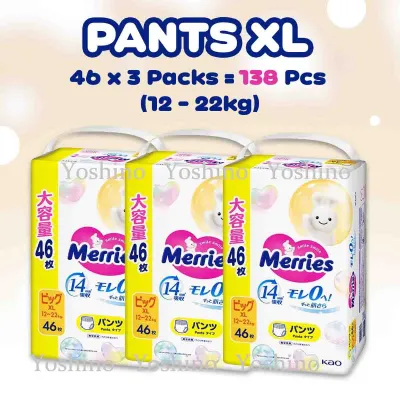
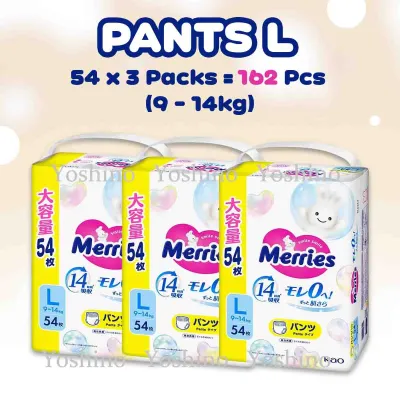
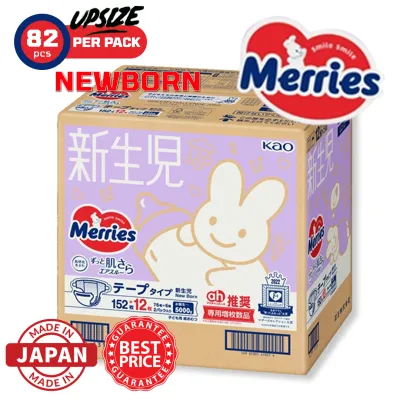
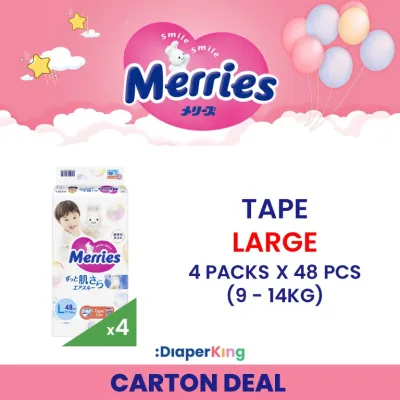
![[4 Pack] Merries Disposable Diapers Giant Tape & Pants](https://img.lazcdn.com/g/p/ae796b690948415dc2e0f9a27f6395c6.png_400x400q80.png_.webp)
Prices are valid at publication and may change. Please refer to the product page for the latest price.
Finally, pay close attention to the materials that come into direct contact with your baby’s skin. Some premium diapers feature textured inner liners that lift liquid away quickly, reducing the total surface area of wet material touching the skin. Others incorporate mild botanical extracts, lotions, or are completely fragrance-free to minimize the risk of contact dermatitis. If your baby has highly sensitive skin, prioritizing fragrance-free options with hypoallergenic certifications is a prudent step.
Merries vs Moony vs Pampers: Official Features Compared
Each of these three Japanese-heritage premium brands approaches diaper design with distinct structural features aimed at maximizing baby comfort. Understanding these official design differences helps you match the diaper’s strengths to your baby’s specific physical needs and daily routine.

Merries diapers are highly regarded for their signature wavy, waffle-textured inner liner. This three-dimensional surface is designed to create air channels between the diaper and the skin, allowing moisture to escape freely. The brand markets an “air-through” ventilation system across its layers, which aims to release heat and moisture from the entire diaper surface. This makes it a popular choice for parents prioritizing maximum airflow to combat heat rash.
Moony focuses heavily on ergonomics and a gentle, customized fit. Many of their premium lines feature a contoured, curved shape designed to mimic a baby’s natural posture, reducing pressure on the tummy and legs. Moony utilizes highly elastic, soft waistbands and leg gathers that stretch smoothly with your baby’s movements. Their inner liners often feature organic cotton blends or specific plant-derived oils designed to soothe and protect delicate skin.
Pampers premium lines, such as their Japanese-import series, emphasize a highly streamlined, ultra-thin design. They utilize advanced absorbent channel technology that distributes liquid evenly across the core, preventing the diaper from sagging or becoming bulky when wet. Pampers diapers also feature highly stretchable side tabs and soft, breathable outer covers, along with clear wetness indicators that change color to signal when a change is needed.
| Feature | Merries | Moony | Pampers (Premium) |
|---|---|---|---|
| Liner Texture | Wavy, waffle-textured air channels | Smooth, organic cotton blend or textured | Flat or micro-textured absorbent channels |
| Waistband Design | Soft, breathable air-in-cushion | High-stretch, contoured elastic | Highly stretchable side tabs or soft elastic |
| Wetness Indicator | Yes (color-changing lines) | Yes (color-changing lines) | Yes (color-changing lines) |
| Primary Focus | Airflow and breathability | Ergonomic fit and skin-soothing materials | Thin profile and rapid liquid distribution |
| Available Formats | Tape and Pants | Tape and Pants | Tape and Pants |
How to Test Breathability and Fit at Home
Because every baby’s skin sensitivity and body shape are unique, the most reliable way to find the perfect diaper is through systematic home testing. When trialing a new brand, start by purchasing a small travel pack or obtaining sample pieces before committing to a full carton. This allows you to observe how the diaper performs under real-world conditions without significant upfront expense.
To evaluate breathability, perform a simple touch-and-feel check during your diaper changes. After your baby has worn the diaper for two to three hours, gently feel the outside of the diaper cover. A highly breathable diaper will often feel slightly cool or damp on the exterior, which indicates that moisture vapor is successfully escaping through the outer layer. Conversely, check your baby’s skin; it should feel dry to the touch. If the skin feels clammy, sweaty, or wet, the diaper may not be ventilating adequately for your baby’s output level.
Next, observe the physical fit and containment capabilities during active play and sleep. Check the leg cuffs and waistband immediately after removing a diaper. While a secure fit is necessary to prevent leaks, the diaper should not leave deep, persistent red marks or indentations on your baby’s thighs or waist. If you notice red chafing marks, the elastic may be too tight, or the diaper shape may not align well with your baby’s build. Ensure the double-layered leg gathers are fully flared outward to prevent side leaks.
Finally, monitor your baby’s skin reactions closely over a trial period of three to five days. Note any changes in redness, especially in the skin folds around the groin and waistband where sweat tends to accumulate. If a rash develops, consider whether the cause is friction, trapped moisture, or a sensitivity to the diaper’s materials. Adjusting your change frequency or switching to a brand with a different liner texture can help pinpoint the cause of the irritation.
Getting the Right Size and Fit for Your Baby
Choosing the correct diaper size is just as important as selecting the right brand. Many parents rely solely on the weight guidelines printed on the packaging, but these ranges are broad and do not account for differences in body shape. A baby with chubby thighs and a slim waist may require a completely different size or brand than a baby of the exact same weight who is tall and lean.
When evaluating size transitions, look for clear physical signs that your baby is ready to move up. If the diaper’s fastening tape needs to be secured at the outermost edges of the landing zone, or if the waistband sits significantly below your baby’s belly button, the diaper is likely too small. Frequent blowouts or wetness leaking from the top of the waistband are also strong indicators that the diaper’s absorbent capacity is being outgrown, even if the baby’s weight falls well within the recommended range.
Conversely, a diaper that is too large will sag excessively and leave gaps around the legs, leading to immediate leaks. If you find yourself between sizes, pay attention to the style of diaper you are using. Tape diapers offer highly adjustable waist fits, making them ideal for newborns and younger infants. However, as your baby becomes highly active, rolls over, or begins to crawl, transitioning to pant-style diapers can provide a more secure, wrap-around fit that moves dynamically with their body.
Where to Buy and How to Verify Authenticity
To ensure your baby receives the genuine comfort and safety features designed by these premium brands, it is essential to purchase from reputable sources. Counterfeit or poorly stored diapers may lack proper breathability, contain substandard absorbent materials, or use adhesives that cause severe skin irritation.
In Singapore, the safest channels include official brand flagship stores on major ecommerce platforms, established local supermarkets, and authorized baby specialty retailers. Purchasing from these authorized sellers guarantees that the products have been imported through official supply chains and stored under climate-controlled conditions that preserve the integrity of the materials.
When your diaper package arrives, take a moment to verify its authenticity. Inspect the packaging print quality; genuine premium diapers feature sharp, high-resolution graphics and clear, legible text without spelling errors. Look for the manufacturer’s batch codes, production dates, and any official holographic seals or QR codes on the exterior of the pack. If the packaging appear unusually thin, poorly sealed, or has a strong chemical odor upon opening, do not use the diapers and contact the retailer immediately.
Proper storage at home is also vital for maintaining diaper performance in a humid climate. Store your diaper packs in a cool, dry room away from direct sunlight, high humidity areas like bathrooms, or laundry rooms. Exposure to excessive moisture before use can prematurely activate the wetness indicators or degrade the superabsorbent polymers, reducing the diaper’s overall effectiveness when worn.
Frequently Asked Questions (FAQ)
How often should I change diapers in a humid climate?
In Singapore’s humid climate, it is recommended to change your baby’s diaper every two to three hours during the day, or immediately after they have a bowel movement. Prolonged contact with wetness and stool quickly breaks down the skin’s natural protective barrier, especially when trapped in a warm, humid environment. For newborns, changes may need to be even more frequent due to their sensitive skin and frequent, loose stools. Utilizing diapers with clear wetness indicators can help you monitor wetness levels without constantly opening the diaper.
Can I mix different diaper brands for day and night use?
Yes, mixing different diaper brands for day and night use is a highly effective and cost-efficient strategy for many parents. During the day, when changes are frequent and your baby is active, you might prefer a highly breathable, lightweight diaper like Merries or Moony to keep skin cool and prevent heat rash. At night, when uninterrupted sleep is the priority, switching to a diaper with an ultra-absorbent core, such as Pampers premium lines, can help keep your baby dry for up to twelve hours. Always monitor your baby’s skin to ensure they do not experience sensitivity when transitioning between different diaper materials.

Community discussion
Share your experience or ask a question. Comments are reviewed before publication.