
When choosing a hair care product for your child, safety is always the top priority. Many parents in Singapore look for Health Sciences Authority (HSA) certification as a seal of safety before purchasing products like Merit Kids Shampoo. However, the regulatory landscape for baby cosmetics is often misunderstood, leading to confusion about what safety labels actually mean.
In Singapore, cosmetic products—including children’s shampoos, body washes, and lotions—do not receive an official “HSA certification” or “HSA approval” before they are allowed on store shelves. Instead, the regulatory framework relies on a notification system. Understanding how this system works, how to read product labels, and how to safely introduce new products to your child’s routine will help you make informed decisions for your family.
This guide explains the regulatory standards for baby bath products in Singapore, details how to verify safety claims, and provides practical steps for introducing Merit Kids Shampoo or any other children’s hair care product safely.
Products mentioned in this guide
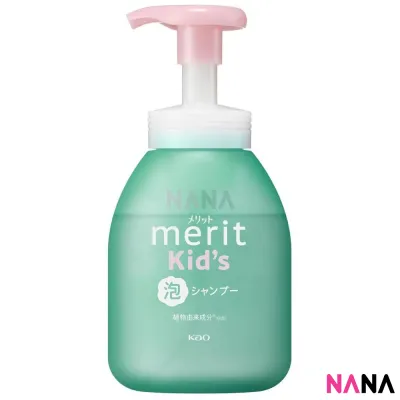
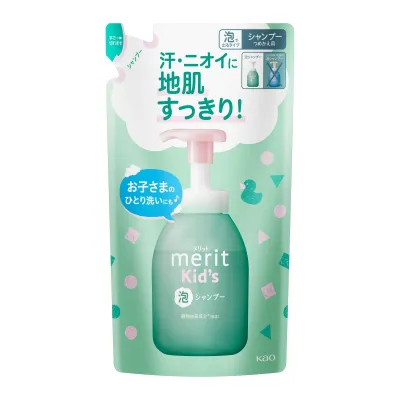
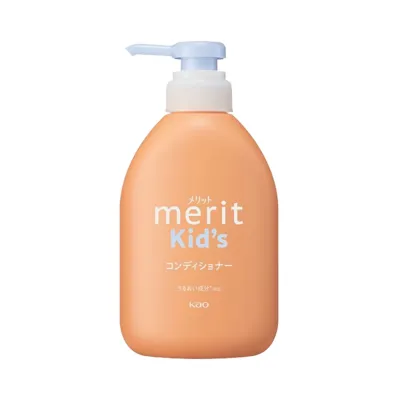
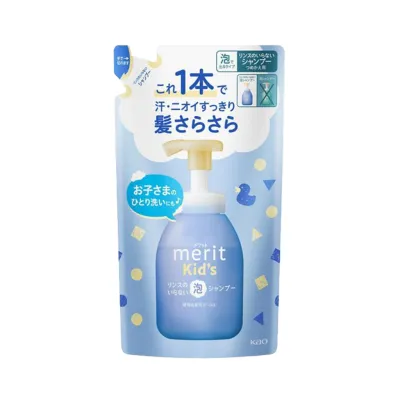
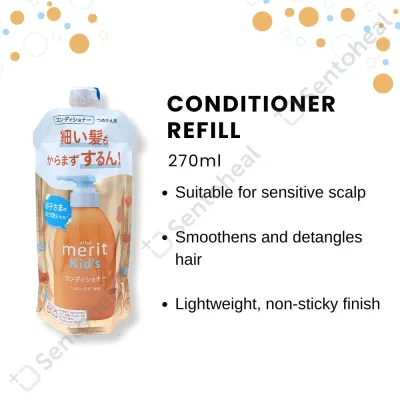
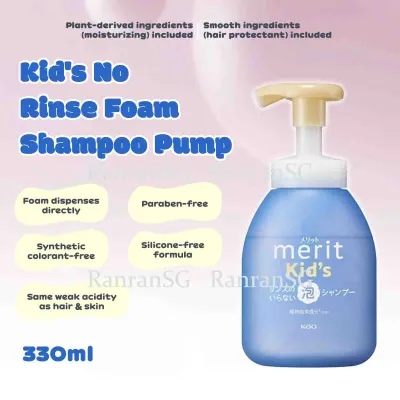
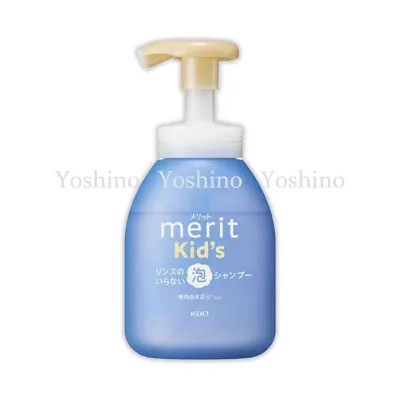
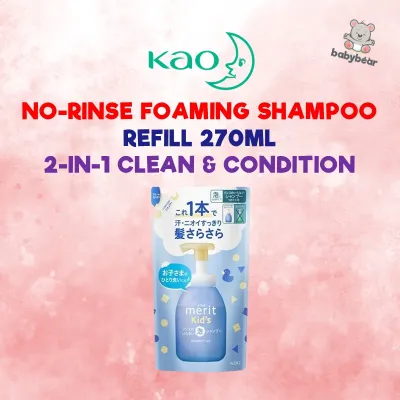
Prices are valid at publication and may change. Please refer to the product page for the latest price.
Understanding HSA Regulations for Baby Bath Products
The Health Sciences Authority (HSA) regulates cosmetic products in Singapore under the ASEAN Cosmetic Directive. This directive sets out strict requirements for ingredient safety, labeling, and manufacturing standards. However, it is important to distinguish between cosmetic notifications and therapeutic product approvals.
Unlike prescription medications or medical devices, which undergo rigorous pre-market evaluation and approval by the HSA, cosmetic products do not go through an approval process. Instead, the local importer, manufacturer, or distributor must submit a cosmetic product notification to the HSA before placing the product on the market. This notification is a declaration by the company that the product complies with all safety guidelines and contains only permitted ingredients.
Because of this distinction, any marketing claim stating that a baby shampoo is “HSA approved” or “HSA certified” is inaccurate. The correct terminology is that the product has been “notified with the HSA.” This notification ensures that the regulatory authority has a record of the product and its responsible local party, allowing for swift action and post-market surveillance if any safety issues arise.
Parents can verify the notification status of a cosmetic product by using the official HSA online database. By visiting the HSA’s Infosearch portal, you can search for the product name or the local notification holder. If a product is imported directly by an individual or purchased from an unauthorized overseas seller on an online marketplace, it may not be notified with the HSA, which increases the risk of purchasing counterfeit or non-compliant formulations.
How to Check Merit Kids Shampoo Ingredients and Safety Claims
When evaluating Merit Kids Shampoo or any other children’s bath product, the physical packaging is your primary source of reliable information. Legitimate products notified for sale in Singapore should feature clear labeling, often including an English ingredient list, batch numbers, and the details of the local distributor.

Start by locating the full ingredient list, which is typically written using the International Nomenclature of Cosmetic Ingredients (INCI) standards. Look for the batch number and manufacturing date or expiry date. These details are crucial if you ever need to contact the manufacturer or check for product recalls. A period-after-opening (PAO) symbol—represented by an open jar icon with a number followed by “M” (such as “12M”)—indicates how many months the product remains safe to use after it has been opened.
Children’s skin is thinner and more sensitive than adult skin, making it more susceptible to irritation from certain ingredients. When reviewing the label, look out for potential irritants. While many children’s shampoos use mild surfactants, some formulations may contain sulfates like Sodium Lauryl Sulfate (SLS), which can strip natural oils and cause dryness. Parents of children with sensitive skin or eczema often prefer sulfate-free options or products utilizing gentler cleansing agents like cocamidopropyl betaine.
Fragrances and certain preservatives are also common triggers for skin sensitivities. If your child has reactive skin, look for fragrance-free options or formulas specifically designated for sensitive scalps. Merit Kids Shampoo is widely known for its weak-acid, silicone-free formula designed to match the natural pH of a child’s scalp, but you should always verify the exact ingredient list on your specific bottle, as formulations can vary across different regions and batches.
To verify claims such as “hypoallergenic,” “tear-free,” or “dermatologically tested,” remember that these terms are not strictly defined by global regulatory bodies. If you want to understand the basis of these claims, you can contact the manufacturer or the official local distributor listed on the packaging. They should be able to provide information regarding the testing methodologies used to support their product claims.
Safe Introduction and Patch Testing for Your Child
Even if a children’s shampoo is properly notified with the HSA and formulated with mild ingredients, individual skin sensitivities can still occur. The hot and humid climate in Singapore can also make a child’s skin more prone to heat rashes and irritation, making a cautious introduction of any new bath product highly advisable.
Before using a new shampoo for a full hair wash, perform a simple, low-risk patch test at home. This helps identify any immediate or delayed skin reactions before exposing the child’s entire scalp and face to the product. Follow these steps to conduct a proper patch test:
- Dilute a single drop of the shampoo with a small amount of warm water. Because shampoo is a rinse-off product, testing it completely undiluted for an extended period can cause artificial irritation that does not reflect normal use.
- Apply a small dab of the diluted mixture to a discreet area of your child's skin, such as the inner forearm or the crook of the elbow.
- Leave the mixture on the skin for two to three minutes, then rinse it off thoroughly with lukewarm water, mimicking the typical duration of a hair wash.
- Observe the test area over the next 24 to 48 hours for any signs of redness, swelling, itching, or tiny bumps.
If the patch test area remains clear, you can proceed with using the shampoo during bath time. When introducing the product to the actual bath routine, use a minimal amount to start. Ensure the bathroom is well-ventilated, and always supervise your child closely to prevent accidental ingestion or prolonged contact with the eyes.
Even when using a product labeled as “tear-free,” try to minimize eye contact. You can use a damp washcloth to shield your child’s eyes or encourage them to look upward while you rinse their hair. Always rinse the shampoo out completely with clean, lukewarm water, as dried soap residue can lead to itching and scalp irritation.
Recognizing Reactions and When to Seek Medical Help
Despite careful selection and testing, skin reactions can occasionally happen. Being able to recognize the signs of a reaction early allows you to take immediate action and prevent further discomfort for your child.
Observable signs of a localized skin reaction include redness, dry or flaky patches on the scalp, small raised bumps, hives, or persistent scratching. If the shampoo accidentally gets into your child’s eyes, they may experience immediate discomfort, redness, tearing, or rubbing of the eyes.
If accidental eye contact occurs, act quickly but calmly. Immediately flush the eyes with a gentle stream of clean, lukewarm water for several minutes. Ask your child to blink repeatedly while flushing, and discourage them from rubbing their eyes, as this can worsen irritation or cause corneal scratches.
For mild skin redness or irritation on the scalp or body, stop using the shampoo immediately. Rinse the affected area thoroughly with plain, lukewarm water to ensure no product residue remains on the skin. Avoid applying any self-prescribed topical creams, steroid ointments, or heavily fragranced lotions to the irritated skin, as these can exacerbate the reaction.
You must seek professional medical help from a pediatrician or a dermatologist if the skin reaction does not improve within a few days, or if you observe red-flag symptoms. These symptoms include severe swelling, blistering, oozing, spreading hives, or if your child exhibits signs of systemic distress, such as difficulty breathing, swelling of the lips or tongue, or extreme lethargy. Always bring the product bottle with you to the clinic so the doctor can review the ingredient list.
Frequently Asked Questions (FAQ)
Does a baby shampoo need HSA approval to be sold in Singapore?
No, cosmetic products like baby shampoos do not undergo a pre-market approval process by the Health Sciences Authority (HSA). Instead, the local importer or distributor must submit a cosmetic product notification to the HSA before the product can be legally sold in Singapore. This notification system places the responsibility on the company to ensure the product complies with safety standards and contains permitted ingredients. Parents can verify if a product has been notified by searching the official HSA Infosearch database.
What should I do if my child develops a rash after using Merit Kids Shampoo?
If your child develops a rash, stop using the shampoo immediately and rinse the affected skin or scalp thoroughly with lukewarm water to remove all product residue. Keep the area clean and dry, and avoid applying any self-prescribed creams. Monitor the rash closely; if you notice swelling, blistering, spreading hives, or if your child is in significant pain or discomfort, consult a pediatrician or dermatologist promptly for an accurate diagnosis and safe treatment plan.

Community discussion
Share your experience or ask a question. Comments are reviewed before publication.