
Selecting the right breast pump is a highly personal decision that directly impacts your breastfeeding journey, comfort, and daily schedule. Rather than searching for a single ‘best’ overall brand, the ideal choice depends on your specific pumping frequency, lifestyle mobility, and budget. In Singapore, three brands frequently stand out to new parents: Medela, Spectra, and Unme. Each of these manufacturers approaches breast pump design with a distinct philosophy, catering to different maternal needs and routines.
Medela has established a long-standing presence in the maternal health space, often recognized for its deep roots in hospital-grade technology and research-backed expression phases. Many parents encounter Medela first in clinical settings, where its heavy-duty, multi-user pumps are standard. The brand’s consumer line typically mirrors this heritage, focusing on robust closed-system designs, efficient milk expression, and a wide ecosystem of compatible accessories.
Spectra has built a strong reputation by focusing on user-centric customization, quiet motor operation, and integrated convenience features. Known for its highly adjustable suction cycles and vacuum levels, Spectra allows users to fine-tune their pumping experience to mimic a baby’s natural nursing pattern. Many of their popular models also feature built-in night-lights and digital screens, making them a common choice for parents who pump frequently at night.
Products mentioned in this guide
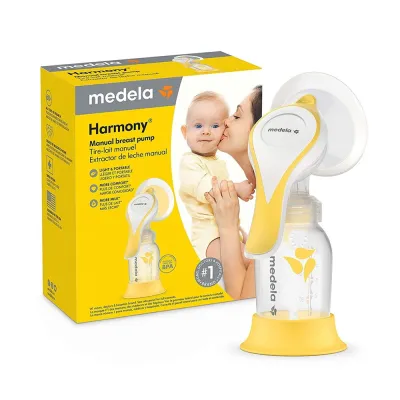
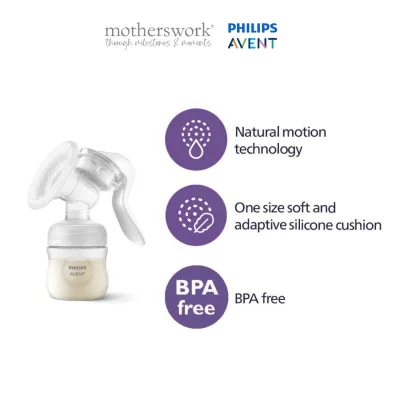
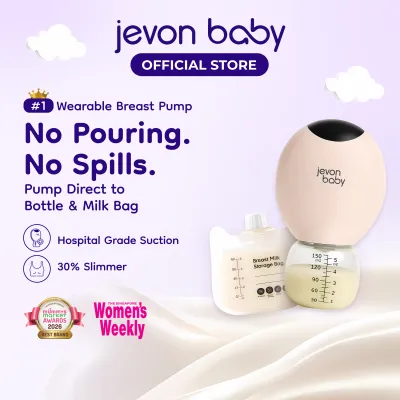
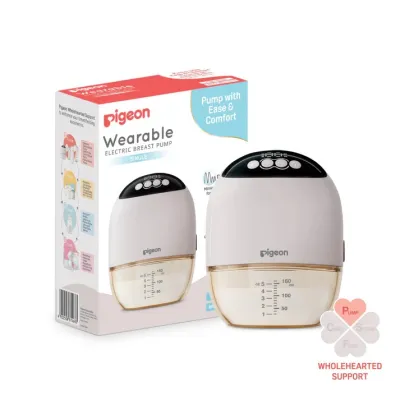
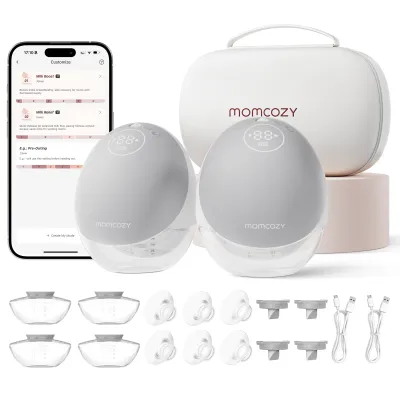
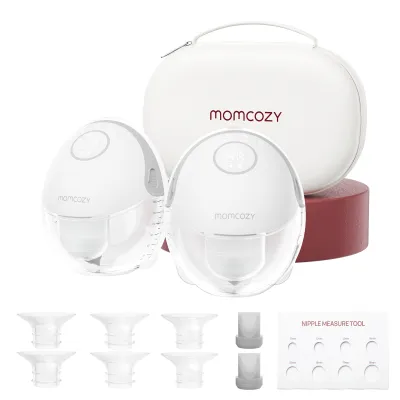
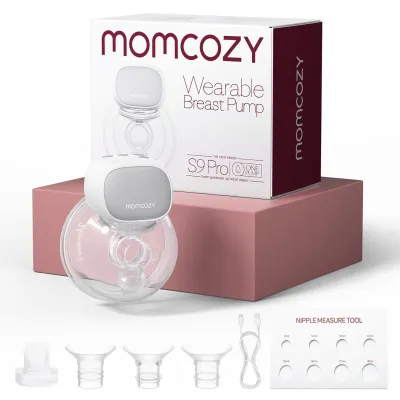
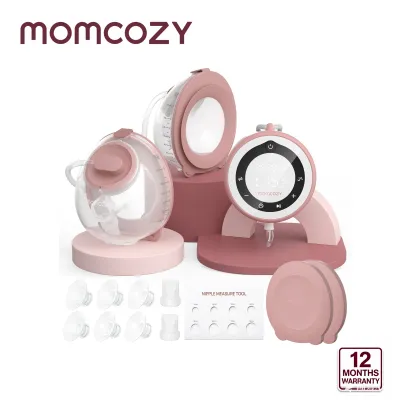
Prices are valid at publication and may change. Please refer to the product page for the latest price.
Unme positions itself as a practical, budget-friendly alternative, focusing on compact designs and straightforward functionality. This brand appeals to parents who need a reliable, no-frills pump for occasional use, return-to-work transitions, or as a secondary backup unit. By prioritizing essential features over complex electronic programming, Unme offers an accessible entry point into electric breast pumping without a premium price tag.
It is important to remember that features, weight, and overall performance vary significantly depending on the specific model you choose within each brand’s lineup. A brand’s reputation for portability or high suction power does not automatically apply to every unit they manufacture. Carefully evaluating individual model specifications against your daily routine is the most reliable way to ensure a successful match.
Key Specifications to Verify Before You Buy
Before committing to a specific breast pump, you must examine several technical and physical attributes on the product packaging or official manufacturer website. Suction strength, typically measured in millimeters of mercury (mmHg), and cycle speed, measured in cycles per minute (CPM), are critical indicators of how a pump will perform. Look for models that offer independent adjustment of both vacuum strength and cycle speed, as this flexibility allows you to find a comfortable setting that encourages efficient milk let-down. Additionally, verify whether the model supports single pumping, double pumping, or both, as double pumping can significantly reduce session times.
Power source compatibility is another vital specification that dictates where and how you can use your pump. Some models rely solely on a direct plug-in connection to an electrical outlet, which limits your mobility but ensures consistent, uninterrupted power. Other units feature built-in rechargeable lithium-ion batteries or USB charging ports, offering the freedom to pump without being tethered to a wall. When reviewing battery-operated models, check the manufacturer’s stated battery life per full charge and the required charging time to ensure it aligns with your daily schedule outside the home.
The distinction between open-system and closed-system designs is paramount for hygiene and long-term motor protection. A closed-system breast pump features a physical barrier, usually a silicone diaphragm, that prevents expressed milk and moisture from entering the tubing and reaching the motor. This design prevents mold growth inside the internal components and makes the pump safe for multi-user scenarios if the collection kit is replaced. An open-system pump lacks this barrier, meaning moisture can occasionally enter the tubing, requiring diligent cleaning and drying of the lines to prevent contamination.
Finally, do not overlook the physical dimensions and weight of the pump motor unit. If you plan to transport your pump between home, work, and travel destinations, a heavy or bulky motor can quickly become a logistical burden. Compare the weight of the motor unit alone, excluding accessories and bottles, and consider how easily it will fit into a standard diaper bag or tote. Checking these physical specifications beforehand helps prevent post-purchase frustration regarding portability and storage.
Matching the Pump to Your Daily Routine
Your daily routine and primary pumping environment should dictate the specific features you prioritize when selecting a breast pump. A pump that excels in a quiet, stationary home environment may not perform as well for a parent who is constantly on the move or working in a shared office space. By analyzing where and how often you will pump, you can narrow down your choices to models that seamlessly integrate into your lifestyle.

For the Working or Commuting Mother
For parents returning to the workplace or managing a busy commute in Singapore, portability, discretion, and speed are the most critical factors. Lightweight, battery-operated, or wearable hands-free models are highly advantageous in these scenarios, allowing you to pump without being restricted to a single location. Wearable pumps fit directly inside a standard nursing bra, eliminating the need for external tubing and dangling bottles, which can make pumping during a commute or at a desk much more manageable.
Motor noise is another crucial consideration for professional or public settings. Look for models that specify quiet or low-decibel operation to ensure your pumping sessions remain discreet. Hands-free compatibility, whether through wearable cups or a specialized pumping bra, allows you to multitask, such as typing on a computer or organizing files, while expressing milk.
Before purchasing a portable pump for work, carefully verify the manufacturer’s battery life specifications. Ensure the battery can reliably sustain the number of sessions you require throughout a standard workday without needing a recharge. It is also wise to check if the pump can be charged via a standard USB port or power bank, which provides valuable flexibility when wall outlets are unavailable.
For the Stay-at-Home or Nighttime Pumper
If you plan to pump primarily at home or require frequent sessions to build and maintain your milk supply, your priorities will likely shift toward power consistency and user comfort. Stationary, plug-in models often provide highly consistent suction levels because they do not rely on fluctuating battery levels. These pumps are excellent for frequent daily use, as they are built to withstand heavy duty cycles without performance degradation.
For nighttime pumping sessions, integrated convenience features can make a significant difference in your overall comfort and sleep quality. Models equipped with built-in, adjustable night-lights allow you to assemble parts and monitor milk flow in a dark room without waking your baby or partner. Additionally, look for pumps that feature a dedicated massage or stimulation mode, which gently stimulates the breast to encourage let-down before transitioning to the deeper expression mode.
Frequent pumping at home also means managing a higher volume of parts and bottles. Consider setups that offer larger milk capacity collection bottles to accommodate high-yield sessions without needing to pause and change containers. Prioritize pump designs with fewer, easily accessible parts to minimize the time spent washing, sterilizing, and reassembling components multiple times a day.
Where to Buy and How to Verify Warranty Support
When purchasing a breast pump in Singapore, it is essential to buy from authorized retailers, official brand stores, or reputable pharmacies. Purchasing through official channels ensures that you receive a genuine product, safe materials, and a valid manufacturer’s warranty. Buying from unauthorized online sellers or parallel importers may seem cost-effective initially, but it often leaves you without recourse if the motor malfunctions or if you receive counterfeit parts that compromise safety and suction efficiency.
Before finalizing your purchase, carefully read the warranty terms provided by the manufacturer or local distributor. It is important to distinguish between motor coverage and accessory coverage, as they are treated differently. Most warranties cover the internal motor unit for a specific period, typically one to two years, but exclude consumable accessories such as valves, membranes, tubing, and breast shields. Understanding these distinctions helps you set realistic expectations for long-term maintenance costs.
Additionally, verify the local availability of replacement parts and accessories before choosing a brand. Consumable parts like silicone valves and membranes wear out over time and must be replaced regularly to maintain optimal suction. Ensure that authorized replacement parts for your chosen model are easily accessible through local retail stores or official online marketplaces in Singapore, preventing prolonged downtime when a part needs urgent replacement.
Decision Framework: Choosing the Right Brand for You
To finalize your decision, align your primary pumping goals with the core strengths of each brand. Choose Medela if you prioritize established, research-backed technology, widely available replacement parts in Singapore, and robust closed-system designs that mirror clinical equipment. This brand is highly suitable for parents who anticipate frequent, long-term pumping and value a highly standardized ecosystem of accessories.
Choose Spectra if your priority is a highly customizable pumping experience with quiet motor operation and convenient features like night-lights. Spectra is an excellent fit for parents who pump frequently at home, especially during late-night or early-morning hours, and who want precise control over suction patterns to maximize comfort.
Choose Unme if you are looking for a budget-friendly, straightforward, and compact pump for occasional use, short trips, or as a reliable backup unit. This brand is ideal for parents who do not require complex electronic programming and prefer a simple, cost-effective solution for their feeding routine.
If you have specific medical needs, such as a premature infant, low milk supply, or latching difficulties, consult a qualified professional or a lactation consultant before purchasing a pump. In these situations, renting a hospital-grade breast pump may be recommended to provide the specialized stimulation and suction required to establish your milk supply safely.
Frequently Asked Questions (FAQ)
Are all these breast pumps closed-system?
Not all models across these brands are guaranteed to be closed-system, although the feature is highly common in modern lineups. A closed-system pump utilizes a physical barrier, such as a silicone diaphragm or backflow protector, to prevent expressed milk, condensation, and humidity from entering the tubing and motor. You must verify this specific feature on the exact model’s packaging or official specifications before purchasing, as some entry-level or older models may still use an open-system design.
Can I use third-party bottles with these pumps?
Bottle compatibility depends entirely on the thread size of the pump’s breast shield connector and the bottle neck design. You should always check the manufacturer’s guidelines and official compatibility lists before attempting to mix brands. Avoid using incompatible adapters or unverified third-party bottles, as a poor fit can cause air leaks that reduce suction efficiency, lead to milk spills, or compromise the hygiene of the collection system.

Community discussion
Share your experience or ask a question. Comments are reviewed before publication.