
Selecting the right baby food involves matching your child’s physical development and oral motor skills with the appropriate food textures and ingredients. While age guidelines on packaging offer a helpful starting point, every infant develops at their own pace. Observing your baby’s readiness signs and understanding how to navigate different food stages will help ensure a safe, positive, and nutritionally balanced transition to solid foods.
Gerber offers a structured progression of baby foods, ranging from single-ingredient purees to complex textured snacks. Navigating these options requires looking beyond the front of the package to evaluate the specific texture, ingredient list, and safety indicators. By aligning these product characteristics with your baby’s physical milestones, you can support their natural chewing and swallowing progression while minimizing safety risks.
Understanding Your Baby's Weaning Stages and Readiness Signs
Before introducing any commercial baby food, it is essential to identify whether your baby is developmentally ready for solids. Age is only a general reference point; physical and behavioral milestones provide a far more accurate measure of readiness. A baby who is ready to begin weaning should be able to sit upright with minimal support and maintain steady head and neck control. These physical capabilities are crucial for safe swallowing and reducing the risk of choking.
Products mentioned in this guide
![Gerber 1st Foods Prunes Puree Baby Food 80G - From 6 Months [Carton of 6]](https://img.lazcdn.com/g/p/a9c2d888c5e27a7939c4b3af2246bdcf.jpg_400x400q80.jpg_.webp)
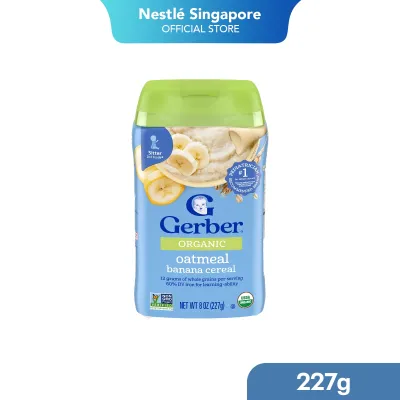
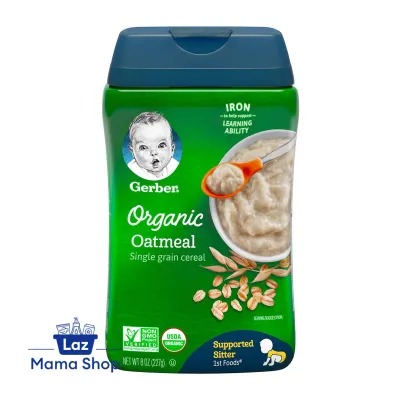
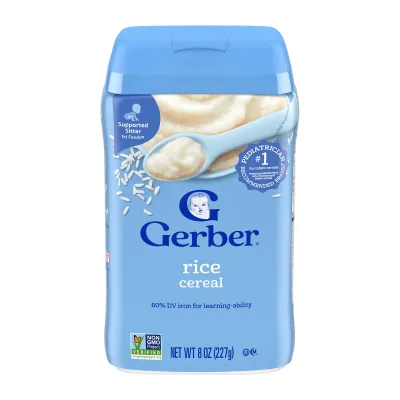

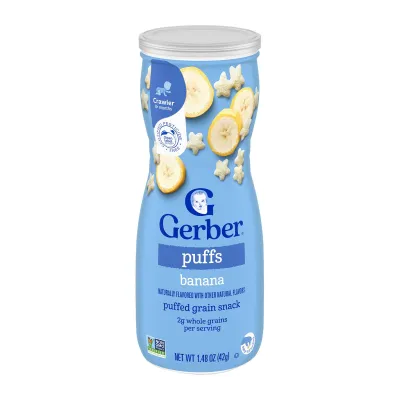

Prices are valid at publication and may change. Please refer to the product page for the latest price.
Behavioral signs also play a significant role in determining readiness. You may notice your baby watching you intently during family meals, reaching out for your food, or opening their mouth when a spoon is brought near. Another critical physiological milestone is the gradual disappearance of the tongue-thrust reflex. This natural reflex causes young infants to push solid objects out of their mouth with their tongue; once this reflex diminishes, they can successfully move food from the front of the mouth to the back to swallow.
Oral motor skills must always take precedence over strict age brackets when transitioning between weaning stages. Some babies may reach these milestones slightly earlier or later than average. Forcing solids before these physical signs are present can lead to feeding aversion or safety hazards. It is highly recommended to consult a pediatrician or family doctor to confirm your baby’s readiness and discuss their individual dietary needs before introducing any solid foods.
How to Read Gerber Packaging and Stage Indicators
Deciphering the labeling on baby food packaging is a vital skill for selecting the right products. Gerber categorizes its products using developmental stage markers, such as “Supported Sitter,” “Sitter,” “Crawler,” and “Toddler.” These indicators are designed to help parents quickly filter options based on their baby’s physical abilities rather than age alone. However, parents should always verify the specific texture description on the label to ensure it matches their child’s current chewing and swallowing competency.

The ingredient list is another critical area of focus when reading packaging. For beginners, look for products with a single-ingredient profile, which typically lists only the fruit, vegetable, or grain along with water needed for preparation. As your baby progresses, you can transition to multi-ingredient blends. Always check the ingredient list to verify the absence of added sugars, salt, or artificial preservatives, as young infants do not require these additives, and their developing kidneys are not suited for high sodium levels.
Before purchasing or serving any baby food, perform a thorough physical inspection of the packaging. For glass jars, ensure the safety button on the lid is down and makes a distinct “pop” sound when opened, indicating the vacuum seal was intact. For plastic tubs and flexible pouches, inspect the seals for any signs of leakage, bloating, or puncture. Always check the expiration date printed on the packaging, and discard any product that shows signs of damage or compromise.
Matching Food Textures and Ingredients to Developmental Milestones
The transition from a liquid-only diet to solid foods is a gradual process that relies on a logical progression of textures. This journey begins with smooth, runny liquids, moves to thicker mashes, and eventually advances to soft, chewable solids. This progression directly supports your baby’s oral motor development, helping them learn how to control their tongue, move food around their mouth, and eventually use their gums or emerging teeth to chew.
Using texture as your primary decision-making metric is far safer and more effective than relying solely on age recommendations. A baby’s ability to handle different consistencies depends on their individual muscle development and coordination. Introducing complex textures too early can lead to gagging or choking, while delaying texture progression for too long may hinder the development of essential chewing muscles. Observing how your baby manages each texture will guide you on when to advance.
Early Stage: Smooth Purees and Single Ingredients
Early-stage baby foods are specifically formulated for infants who are just beginning their weaning journey. These products feature a very runny, completely smooth consistency with no lumps or fibers, making them easy to swallow for a baby transitioning from breast milk or formula. The primary goal at this stage is to introduce the concept of eating from a spoon and to experience new flavors rather than to provide a significant portion of daily calories.
Single-ingredient profiles are a fundamental characteristic of early-stage foods, typically featuring one vegetable, fruit, or grain. Introducing only one new ingredient at a time—and waiting several days before introducing another—is crucial for systematically identifying potential food sensitivities or allergic reactions. If an adverse reaction occurs, having served a single-ingredient food makes it much easier to isolate and identify the specific trigger.
When selecting early-stage products, carefully examine the label to ensure the food contains no unnecessary thickeners, sweeteners, or complex spices. The ingredient list should be simple and clean, focusing entirely on the primary food item. This helps your baby develop a preference for the natural flavors of whole foods without the influence of added sugars or artificial flavor enhancers, setting a foundation for healthy eating habits.
Mid Stage: Thicker Mashes and Flavor Combinations
Once your baby has successfully mastered smooth, single-ingredient purees, they are ready to transition to mid-stage foods. These products feature a thicker, slightly mashed consistency that does not run off the spoon as easily. This increased thickness encourages your baby to use more deliberate tongue movements and coordinates their swallowing reflex to handle foods that require a bit more effort to move to the back of the mouth.
Mid-stage options also introduce multi-ingredient blends and complementary flavor combinations. These blends combine fruits, vegetables, grains, and sometimes mild proteins that your baby has already tried and tolerated individually. Introducing these combinations helps expand your baby’s palate, exposes them to a wider variety of nutrients, and prepares them for the diverse flavors of family meals.
As you introduce these thicker consistencies, closely monitor your baby’s physical response and comfort level. It is normal for babies to experience occasional mild gagging as they learn to navigate thicker textures; this is a natural safety reflex. However, if your baby consistently struggles, gags excessively, or shows distress, it is a sign that they may need to return to smoother purees for a bit longer before trying thicker mashes again.
Advanced Stage: Soft Chunks and Finger Foods
Advanced-stage baby foods are designed for older infants who are developing active chewing motions, even if they do not yet have a full set of teeth. These products include soft chunks, dissolvable melts, and puffed grain snacks that encourage your baby to practice biting and chewing. This stage is critical for supporting jaw development and helping your baby transition toward eating modified versions of family foods.
This stage also aligns with the development of the pincer grasp, where your baby begins to pick up small objects using their thumb and index finger. Self-feeding snacks, such as soft puffs or melts, are excellent tools for building fine motor skills and hand-eye coordination. Allowing your baby to feed themselves these soft, dissolvable items helps build confidence and independence at the dining table.
Safety is paramount when introducing advanced-stage foods and finger snacks. Always check the packaging for specific warnings regarding choking hazards, required caregiver supervision, and appropriate seating positions. Ensure your baby is seated completely upright in a secure high chair, and never leave them unattended while eating. Avoid serving these foods while your baby is moving around, playing, or riding in a stroller or car seat.
Safety Checks, Allergens, and Storage Guidelines
Introducing solid foods requires strict adherence to safety and hygiene practices to protect your baby from foodborne illness and choking. When introducing common food allergens—such as peanut, egg, soy, wheat, dairy, fish, shellfish, and sesame—do so systematically. Introduce one allergen at a time in a very small quantity, and observe your baby closely for at least three to five days for any signs of an allergic reaction, such as hives, vomiting, or breathing difficulties, before introducing another.
To prevent contamination and food spoilage, never feed your baby directly from the commercial jar or container if you plan to save leftovers. Saliva from the spoon introduces bacteria and enzymes into the container, which can cause the food to spoil rapidly. Instead, spoon a small portion of the food into a separate, clean bowl for serving, and immediately recap and refrigerate the remaining portion in the original container.
Proper storage of opened baby food is essential for maintaining safety and freshness. Opened jars or plastic tubs of purees must be refrigerated immediately and are typically safe to consume within 24 to 48 hours, depending on the specific manufacturer instructions on the label. For flexible pouches, ensure the cap is tightly sealed before refrigerating, and follow the package guidelines for consumption limits. In warm, humid climates like Singapore, prompt refrigeration is especially critical to prevent rapid bacterial growth.
Frequently Asked Questions (FAQ)
Can I mix different Gerber stages in one meal?
Yes, you can mix different stages of baby food under specific conditions to help your baby transition between textures. For example, mixing a familiar, smooth early-stage puree with a small amount of a thicker mid-stage mash can help ease your baby into accepting the new consistency. However, you must ensure that the overall texture of the mixture remains appropriate for your baby’s current swallowing ability. Avoid mixing multiple new ingredients or stages if you are still in the process of tracking potential food allergens, as this can make it difficult to identify the cause of an adverse reaction.
How do I know if my baby is ready to move to the next stage?
Your baby will show clear physical and behavioral signs when they are ready to progress to thicker or chunkier foods. Look for indicators such as easily swallowing their current smooth purees without spitting them out or gagging, and showing continued hunger after finishing a full serving. A baby who is ready to advance may also attempt to make chewing motions with their gums, actively reach for your spoon or food, and demonstrate the ability to pick up small items using their fingers. If your baby displays these signs and can manage thicker textures comfortably, they are likely ready to transition.

Community discussion
Share your experience or ask a question. Comments are reviewed before publication.