
Choosing the right baby feeder depends on your child’s physical readiness cues, motor skills, and weaning progress. Instead of relying solely on age guidelines, parents should observe specific developmental milestones—such as sitting stability and grasp development—to choose between starter spoons, suction bowls, silicone feeders, or open cups. Aligning these tools with your baby’s current abilities ensures a smoother, safer transition to solid foods.
Recognizing Your Baby's Weaning and Motor Skill Signals
Before purchasing any baby feeder, observing your child’s physical readiness is the most reliable starting point. Developmental milestones provide a much safer and more accurate gauge of when to introduce new feeding tools than a strict calendar age.
Early readiness signs indicate that a baby is physically prepared to move beyond a liquid-only diet. Look for the ability to sit upright with minimal support, which is crucial for safe swallowing. Another key indicator is the gradual disappearance of the tongue-thrust reflex, where the baby stops automatically pushing solid objects out of their mouth. Watch also for active interest in family meals, such as reaching for your food.
Products mentioned in this guide
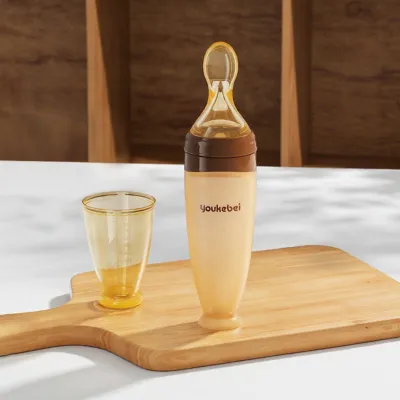
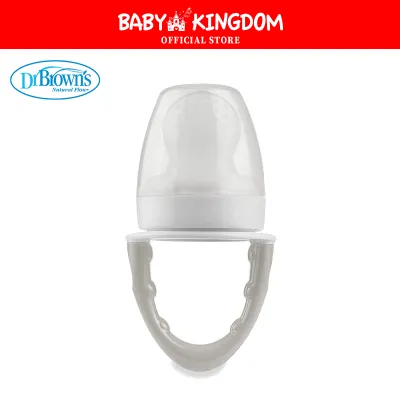
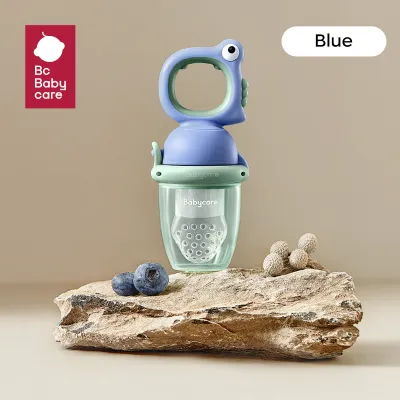
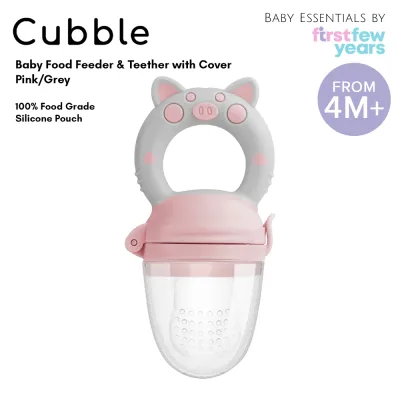
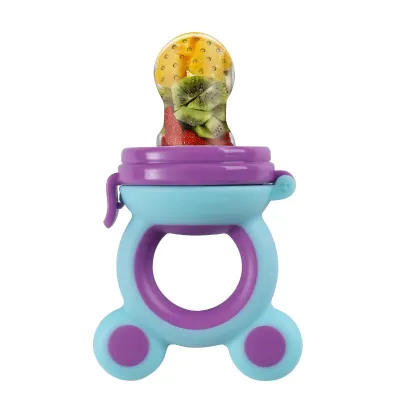
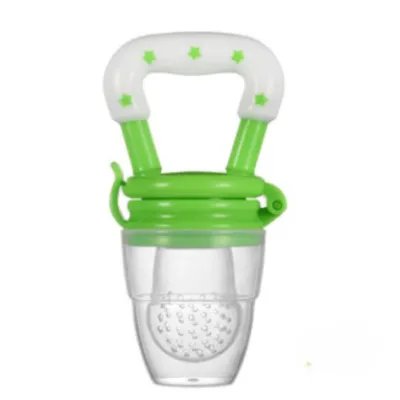
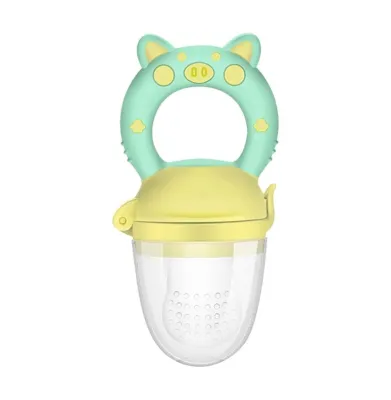
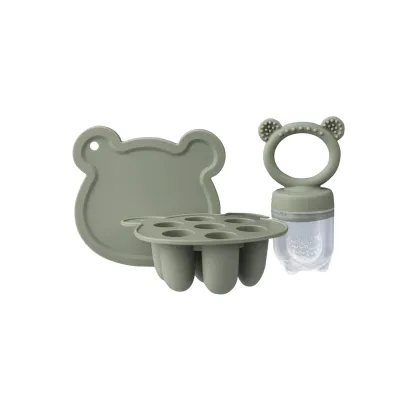
Prices are valid at publication and may change. Please refer to the product page for the latest price.
As your baby progresses, mid-stage motor skills begin to emerge, signaling readiness for interactive feeding tools. During this phase, infants typically develop the palmar grasp, using their entire hand to clutch objects. They will also start bringing toys and hands to their mouth, which is a precursor to self-feeding, alongside early chewing motions.
Eventually, late-stage independence markers show that your child is ready for advanced utensils. The development of the pincer grasp—using the thumb and index finger to pick up small items—allows them to handle small finger foods. You will also notice them attempting to grab utensils or scoop food themselves, showing they can manage a wider variety of food textures safely.
Selecting Feeder Types Based on Developmental Readiness
Choosing the right baby feeder involves matching the complexity of the tool with your child’s current physical capabilities. Introducing a tool that is too advanced can lead to frustration or safety hazards, while holding a baby back on simpler tools might delay their motor skill development.

Always verify any product selection against the manufacturer’s stated age, weight, or stage recommendations printed on the packaging. Because developmental rates vary widely, these manufacturer guidelines serve as an essential safety baseline to ensure the materials and designs are appropriate for your baby’s current stage.
Early Exploration: Spoons and Starter Cups
For babies starting solid foods, the primary goal is gentle exploration. Look for shallow, soft-tipped spoons made from flexible silicone or soft plastic. These materials protect sensitive, teething gums and are sized appropriately to fit comfortably inside a small mouth without triggering a gag reflex.
When introducing liquids other than breast milk or formula, starter cups can help build early drinking skills. Look for cups equipped with easy-grip handles that fit small hands, weighted bases to prevent accidental tipping, and spill-resistant valves that control the flow of liquid. These features allow babies to practice tilting and sipping without becoming overwhelmed.
Always check the manufacturer’s labels to ensure that all materials are specifically rated for early oral exploration. Verify that the plastics and silicones used are free from harmful chemical compounds and are certified food-safe. Since babies at this stage learn about their environment by putting everything in their mouths, the physical integrity of these starter tools is paramount.
Active Grasping: Suction Bowls and Self-Feeding Pouches
Once your baby develops a strong palmar grasp and begins actively reaching for food, the dining environment becomes much more dynamic. Suction bowls and plates are excellent tools during this phase, as they adhere firmly to the highchair tray or table. This strong base adhesion prevents enthusiastic arm movements from sending the entire meal flying, allowing the baby to focus on scooping.
Self-feeding pouches and silicone mesh feeders are also popular for introducing whole foods safely. When selecting these feeders, look for models with secure, child-proof locking mechanisms that prevent the baby from opening the compartment. Ensure the feeder holes are small enough to let only tiny, manageable pieces of food pass through, which helps minimize choking hazards.
Because these active-feeding tools often come into contact with sticky purees and mashed foods, hygiene is a critical consideration. Verify that all components of the suction bowls, silicone feeders, and pouches can be fully disassembled. This allows for thorough cleaning and sterilization, preventing mold and bacteria from building up in hidden crevices.
Independent Eating: Open Cups and Toddler Utensils
As your child masters the pincer grasp and shows a keen interest in copying how you eat, they are ready to transition to independent dining tools. Small, lightweight open cups are ideal for this stage, especially those designed with rolled rims. These rims support proper lip sealing and help the child learn to control the flow of liquid using their own oral muscles.
When choosing independent utensils, look for toddler sets featuring short, chunky handles. These handles are specifically designed to accommodate a developing fist grip, making it easier for your child to guide the spoon or fork to their mouth. The heads of these utensils should be small and shallow, matching the child’s current bite capacity to prevent overfilling.
Additionally, inspect the design of plates and utensils to ensure all edges are smooth and rounded. Plate dividers can help keep different food groups separated, which is often appealing to toddlers, but the dividers should not have sharp or hard plastic ridges. Ensuring that the utensils have blunt, rounded tines or spoon bowls protects your child’s mouth as they practice self-feeding.
Verifying Safety Standards and Product Condition
Ensuring the safety of your baby’s feeding equipment requires a consistent routine of inspection and verification. Before using any baby feeder, always cross-reference the manufacturer’s specified age range and weight limits with your child’s current developmental metrics. Never assume a product is safe for your baby simply because of its category or name; the manufacturer’s documentation is the definitive guide.
Regularly inspect all silicone, plastic, and wooden feeders for signs of wear and tear. Look closely for micro-tears in silicone nipples, discoloration in plastics, loose parts on multi-piece feeders, or splintering on wooden handles. Any of these physical defects can pose a serious choking or ingestion risk, meaning the item should be discarded immediately if damage is detected.
To maintain the integrity of these materials, strictly follow the manufacturer’s exact cleaning, sterilization, and heat-exposure instructions. Some plastics and silicones degrade quickly when exposed to high temperatures in steam sterilizers, while wooden components should never be submerged in water or placed in a dishwasher. Adhering to these care guidelines prevents premature material breakdown and ensures the tools remain safe for daily use.
Knowing When to Transition to the Next Feeder Stage
Knowing when to move your baby to the next stage of feeding tools is just as important as choosing the initial equipment. One of the clearest indicators that it is time to transition is your baby’s behavior during meals. Watch for signs of frustration, such as throwing beginner spoons, refusing to use a restrictive silicone feeder, or struggling to extract enough food from a self-feeding pouch. These behaviors often mean their oral and motor skills have outgrown the tool’s limitations.
You should also monitor how well your child manages different food textures and liquid volumes. If they can swallow thicker purees or soft mashed foods without gagging, or if they can sip from a starter cup without excessive spilling, they may be ready for more advanced utensils or an open cup. Progress should always be measured by their comfort and control rather than a desire to reach the next milestone quickly.
It is vital to avoid rushing these transitions, as every child develops at their own unique pace. If you introduce a more advanced feeder and notice your baby struggling, gagging frequently, or becoming anxious, do not hesitate to revert to an earlier, more comfortable feeder type. Being flexible and responsive to these developmental plateaus or temporary regressions ensures that mealtime remains a positive, stress-free experience for your baby.
Frequently Asked Questions (FAQ)
Can I skip the spoon and start directly with finger foods and self-feeding pouches?
While self-feeding and baby-led weaning are popular approaches, spoons still play a valuable role in your child’s development. Offering foods like yogurts, oatmeals, and smooth purees on a spoon helps babies practice different lip and tongue movements that finger foods do not require. Before deciding to skip spoons entirely, consult your pediatrician or a qualified child health nurse to ensure your chosen feeding method fully supports your baby’s unique nutritional and developmental needs.
How do I know if a suction bowl is safe and effective for my highchair tray?
The effectiveness of a suction bowl depends heavily on the surface it is applied to. Suction mechanisms require a completely smooth, non-porous, and clean surface to create and maintain an airtight seal; textured plastic, wood grain, or matte finishes will often cause the suction to fail. To ensure compatibility, test the bowl on your specific highchair tray before mealtime, and consult your highchair manufacturer’s guidelines regarding compatible materials and accessories.

Community discussion
Share your experience or ask a question. Comments are reviewed before publication.