
Choosing the right diaper pants for your baby is a highly individualized decision that directly impacts their daily comfort and skin health. While many parents in Singapore frequently discuss ManyPoko pants as a popular option, the ideal diaper depends entirely on your baby’s unique skin sensitivity, physical activity level, and urine output rather than brand reputation alone.
In Singapore’s warm and humid climate, finding a diaper that balances rapid absorption with high breathability is essential to prevent discomfort. ManyPoko pants are often favored by parents who prioritize highly elastic waistbands and reliable daytime containment, whereas other mainstream brands might be more suitable if your baby requires specialized hypoallergenic materials or a different physical cut. Before purchasing a bulk supply, it is always wise to inspect product labels for specific material compositions, weight ranges, and dermatological testing certifications to ensure a safe match for your child.
Core Dimensions for Comparing Diaper Pants
To make an objective comparison between ManyPoko pants and other mainstream options, you need to look past marketing slogans and focus on verifiable design features. Evaluating diapers across specific physical dimensions allows you to predict how they will perform during daily wear and overnight sleep.
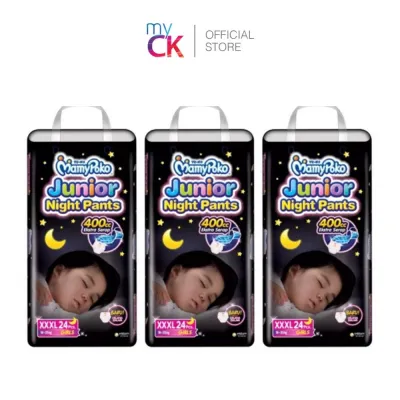
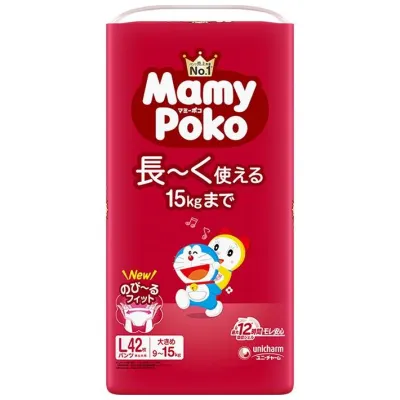
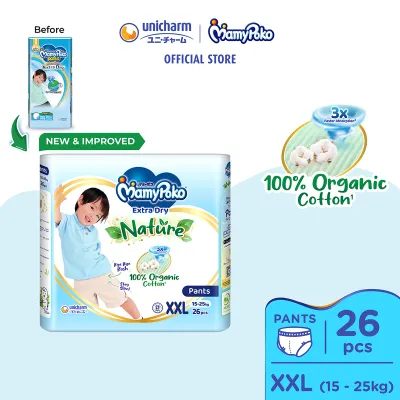
Products mentioned in this guide
![Mamypoko Airfit Japan Tape & Pants [Carton Sales] - NB to XXL sizes](https://img.lazcdn.com/g/p/c0b1edea94375e8da7368b87443b1644.jpg_400x400q80.jpg_.webp)
![MamyPoko Air Fit Marshmallow Pants Super Premium Baby Diapers [GIRL] XXL26 (3 Packs) (13 - 28kg)](https://img.lazcdn.com/g/p/9e635e643a164e1d30d3f2a97fbf7113.jpg_400x400q80.jpg_.webp)
![MamyPoko Air Fit Marshmallow Pants Super Premium Baby Diapers [BOY] XXL26 (3 Packs) (13 - 28kg)](https://img.lazcdn.com/g/p/70fae47b949b514995f5835a013094c1.jpg_400x400q80.jpg_.webp)
![MamyPoko Air Fit Marshmallow Pants Super Premium Baby Diapers [BOY] XXL26 (1Pack) (13 - 28kg)](https://img.lazcdn.com/g/p/f9ff53b584c309d883e8187e7e545163.jpg_400x400q80.jpg_.webp)
Prices are valid at publication and may change. Please refer to the product page for the latest price.
Absorbency and Leak Protection Standards
When assessing absorbency, look closely at the diaper’s core construction and leak-guard features. Most modern diaper pants utilize a blend of superabsorbent polymers (SAP) and wood pulp to trap moisture away from the skin, but the distribution of these materials varies significantly between brands.
- Wetness Indicators: Verify if the diaper features a clear external wetness indicator line that changes color when wet, which helps you avoid unnecessary changes or leaving a wet diaper on too long.
- Multi-Layer Cores: Check the packaging for details on channel designs or multi-layer cores, which are engineered to distribute liquid evenly and prevent the diaper from sagging or clumping in one spot.
- Standing Leg Cuffs: Inspect the inner leg gathers physically; they should feature double-layered, standing elastic barriers that sit snugly in the groin crease to block side leaks.
Rather than relying on generic packaging claims of long-lasting dryness, observe how the diaper performs during high-volume periods, such as after long naps or during active play. A high-performing core should feel relatively dry to the touch even when saturated, indicating that moisture is locked deep inside the polymer matrix.
Breathability and Material Comfort
Singapore’s persistent humidity makes breathability a critical factor in preventing diaper rash and heat friction. A diaper with poor air circulation traps warm, moist air against your baby’s delicate skin, creating an environment where bacteria and yeast can thrive.
- Breathable Membranes: Look for specifications indicating a micro-porous outer cover or backsheet that allows air to circulate while keeping liquid contained.
- Dermatological Labels: Check for explicit labels indicating the product is dermatologically tested, hypoallergenic, or free from added fragrances and elemental chlorine.
- Texture and Softness: Physically feel the inner lining and the waistband of the diaper; they should feel soft and fabric-like rather than stiff or plastic-to-the-touch.
After your baby wears a new brand for a few hours, carefully inspect their skin during a change. Any signs of localized redness, localized heat, or mild chafing around the waist or thighs suggest that the material is either too abrasive or is trapping excessive moisture.
Fit, Elasticity, and Movement
As babies grow and become more active, diaper pants must provide a secure fit that accommodates crawling, walking, and climbing without shifting out of place or causing restriction.
- Waistband Stretch: Test the elasticity of the waistband by gently pulling it apart; it should stretch easily to accommodate your baby's tummy after feeding, yet retract gently to prevent slipping.
- Leg Gather Softness: Ensure the elastic threads in the leg gathers are wrapped in soft fabric to prevent them from digging into your baby's thighs.
- Sizing Accuracy: Always refer to the manufacturer's weight range guidelines on the packaging rather than relying solely on age categories, as diaper cuts vary widely between brands.
Keep in mind that a baby’s physical build plays a massive role in how a diaper fits. A diaper designed with a high-waisted cut may fit a long, lean baby perfectly, while a wider, lower-cut design might be more comfortable for a baby with a rounder tummy and chubby thighs.
Comparing ManyPoko Pants with Mainstream Alternatives
When comparing ManyPoko pants to other mainstream diaper brands available in Singapore, parents generally navigate trade-offs between value-oriented options and premium, specialized products. Understanding these structural and financial trade-offs helps you align your purchase with your household budget and your baby’s physical needs.

Value-oriented and mid-range diaper brands often focus on providing reliable daytime protection at a lower price-per-diaper (measured in S$). These options are highly practical for families who change diapers frequently throughout the day. However, they may feature slightly thicker cores that utilize more fluff pulp and less superabsorbent polymer, which can feel bulkier under clothing and may sag more quickly when wet.
In contrast, premium mainstream brands—including certain premium lines of ManyPoko pants—often incorporate advanced, ultra-thin core technologies. These designs use highly concentrated SAP sheets that absorb large volumes of liquid while maintaining a slim profile. Premium options also tend to feature exceptionally soft, cotton-like waistbands and advanced ventilation channels, though they carry a higher price-per-diaper in local supermarkets and online marketplaces.
To conduct a practical comparison, you can evaluate the following physical attributes of the diapers you are considering:
- Waistband Width and Height: ManyPoko pants are widely recognized for their high-rise, wide waistbands, which provide extensive coverage around the midsection. Compare this to alternative brands that may feature lower-rise waistbands designed for a more discreet fit.
- Polymer Distribution: Gently feel the dry diaper core; some brands distribute the absorbent polymers evenly throughout the entire length, while others concentrate them in the front or center to cater to gender-specific wetting patterns.
- Ease of Removal: Examine the side seams of the diaper pants. High-quality pants should tear open smoothly down the sides during changes without requiring excessive force, which can be frustrating when managing an active toddler.
Ultimately, no single brand offers a universal performance advantage. A diaper that keeps one baby dry and rash-free for hours might cause frequent leaks or skin irritation on another baby simply due to differences in body shape, sleeping positions, and urine concentration.
Decision Framework: Which Diaper Pants Should You Choose?
To simplify your decision-making process, use this structured framework to determine which diaper pants best suit your baby’s current developmental stage and skin condition.
Choose ManyPoko pants if:
- Your baby has standard skin sensitivity and does not regularly react to standard synthetic diaper materials.
- You prefer a diaper with a highly elastic, forgiving waistband that is easy to pull up quickly on an active, squirming toddler.
- You are looking for a reliable, widely available diaper option that fits comfortably within a moderate diapering budget.
- Your baby has successfully completed a daytime trial of the brand without showing any signs of redness, chafing, or leakage.
Choose mainstream premium alternatives if:
- Your baby has highly sensitive skin, eczema, or a history of frequent diaper rash, requiring certified organic cotton, chlorine-free processing, or specialized hypoallergenic materials.
- Your baby is an exceptionally heavy wetter overnight, and you require a diaper with a specialized, high-capacity overnight core verified by independent testing or consistent parent feedback.
- Your baby's unique body shape (such as an extremely slim waist or very thick thighs) consistently results in gaps or red marks when wearing standard ManyPoko cuts.
Verify first if:
- Your baby has a known allergy to specific adhesives, lotions, or synthetic fragrances commonly used in disposable diapers.
- If your baby experiences persistent, severe diaper rash that does not resolve with standard barrier creams, you must consult a pediatrician or dermatologist before switching brands to identify potential material triggers.
Purchasing Guidelines and Pre-Use Verification
Once you have decided to try a new diaper brand, taking a cautious approach to purchasing and initial use can save you money and protect your baby from unnecessary skin discomfort.
Always start by purchasing small trial packs or sample packs rather than committing to bulk cartons. Buy these initial packs from authorized official brand stores, established local supermarkets, or reputable online marketplaces. Avoid purchasing from unauthorized parallel importers, as poor warehouse storage conditions in hot, humid environments can degrade the diaper’s elastic bands and adhesives, compromising their fit and performance.
When your order arrives, perform a quick quality check before opening the pack. Verify that the outer plastic packaging is completely sealed, clean, and free of punctures or tears. Locate the manufacturing and expiration dates printed on the packaging; disposable diapers generally have a shelf life of three years from the manufacture date, and using older stock may result in reduced absorbency or brittle elastic.
Before using a new diaper brand overnight, conduct a short-term trial during the day. Dress your baby in the new diaper pants during their most active hours when you can monitor them closely. Check the diaper every two to three hours to observe how the material handles urine output, whether the elastic leaves deep red marks on the skin, and if any redness or irritation develops. If the diaper passes this daytime test successfully, you can confidently transition to using it for longer stretches and overnight sleep.
Frequently Asked Questions (FAQ)
How can I safely transition my baby to ManyPoko pants from another brand?
To safely transition your baby to a new diaper brand, avoid switching abruptly. Instead, alternate between your current brand and the new ManyPoko pants over a period of three to five days. Start by using the new diaper for just one or two changes during the day when your baby is active, and use your familiar brand for naps and overnight sleep. This gradual introduction allows you to monitor your baby’s skin closely for any signs of sensitivity or friction. If your baby has a history of mild skin sensitivity, applying a thin layer of a standard zinc oxide-based barrier cream during the transition period can help protect the skin barrier while it adjusts to the new materials.
What should I do if ManyPoko pants leak more frequently than our previous brand?
If you experience frequent leaks after switching to ManyPoko pants, begin by troubleshooting the fit and sizing. First, verify that your baby’s current weight falls comfortably within the manufacturer’s recommended range on the packaging; if your baby is near the upper weight limit, transition to the next size up to secure a larger absorbent core. Second, during application, ensure the waistband is pulled up straight and even, and physically run your finger around the inner leg gathers to make sure the standing cuffs are fully flipped outward rather than tucked inward. If the sizing and application are correct but leaks persist, your baby’s specific sleeping position or urine volume may require a diaper with a different core distribution or a specialized overnight design.

Community discussion
Share your experience or ask a question. Comments are reviewed before publication.