
Trimming a baby’s nails can be one of the most nerve-wracking tasks for new parents. Infant nails grow surprisingly fast, often requiring attention multiple times a week to prevent babies from accidentally scratching their delicate faces. Because newborn nails are incredibly soft and closely attached to the surrounding skin, finding a tool that balances safety with efficiency is essential for a stress-free grooming routine.
Choosing between a traditional manual baby nail clipper and an electric nail file depends entirely on your baby’s age, nail texture, and willingness to stay still, as well as your own comfort level. There is no universally “safest” tool; manual clippers offer precision for tiny, soft nails, while electric files provide a forgiving buffer for active, wiggly infants. This guide breaks down the practical differences to help you select the right tool for your child’s current developmental stage.
Key Differences Between Manual and Electric Nail Trimmers
Understanding the fundamental mechanics and design goals of each tool type is the first step in deciding which option fits your family’s needs. Manual clippers and electric files approach nail care from completely different angles, each offering distinct physical advantages and operational trade-offs.
Products mentioned in this guide
![[NEW] SEEMAGIC Electric Nail Clippers - Trimmers Safe for Kids](https://img.lazcdn.com/g/p/06dd5840e5c6c7a49a91e668a07484ba.jpg_400x400q80.jpg_.webp)

![[Kawaii Kiddy] Pigeon Newborn Baby Nail Scissors & Nail Clipper (NB - 9m+)](https://img.lazcdn.com/g/p/75970d3011c4d2d0270fb46299ee31cb.png_400x400q80.png_.webp)
Prices are valid at publication and may change. Please refer to the product page for the latest price.
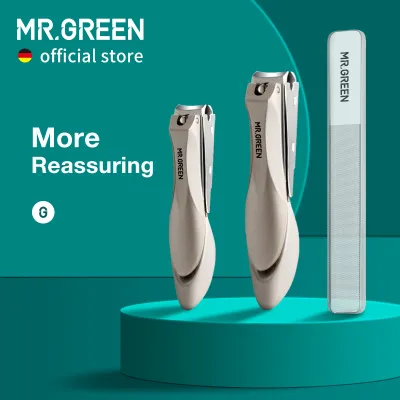
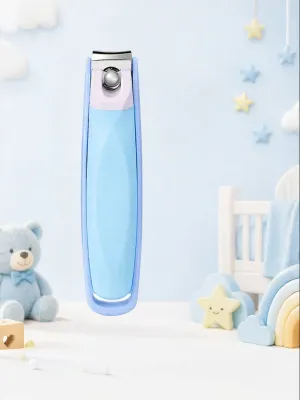
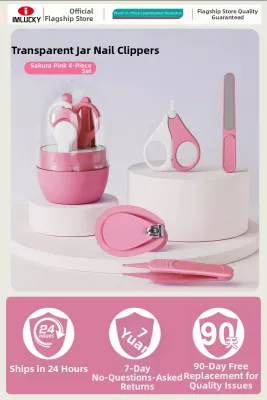
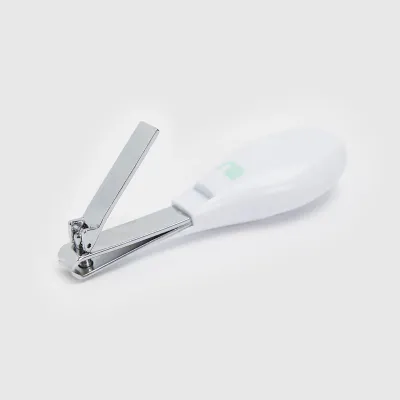
Manual baby nail clippers typically feature scissor-style or plier-style blades specifically scaled for tiny, soft fingers and toes. These tools rely on a clean, direct cutting action to clip the nail in a single motion. Many modern manual designs include safety guards, built-in magnifying glasses, or ergonomic handles to help parents maintain a secure grip and avoid cutting too close to the quick.
Electric baby nail files, often called nail trimmers or buffers, are battery-operated devices that use rotating, cushioned pads to gently wear down the nail. Instead of slicing through the nail, these devices buff and file the edges down gradually. They usually come with multiple interchangeable pads of varying grits, each designed for different age groups and nail thicknesses.
The core trade-off between these two tools lies in precision and speed versus forgiveness and reduced risk of skin nicks. Manual clippers allow you to trim nails quickly in a few precise snips, but they require a steady hand and a cooperative child. Electric files are much more forgiving if your baby moves suddenly, but the filing process takes longer and requires ongoing replacement of the abrasive pads.
Safety and Effectiveness by Age and Development Stage
As your baby grows, their nail texture and physical mobility change dramatically. A tool that works perfectly during the first few weeks of life may become difficult or unsafe to use as your child enters toddlerhood. Matching the grooming tool to your baby’s current developmental stage is crucial for maintaining safety and efficiency.

In the early weeks, a baby’s nails are paper-thin, highly flexible, and closely integrated with the surrounding skin bed. As they grow, the nails gradually harden, becoming more brittle and structured by the time they reach toddlerhood. Simultaneously, a baby’s increasing physical strength and awareness mean they are much more likely to resist having their hands held still, which directly impacts how safely you can operate any grooming tool.
Newborns to 6 Months
During the first six months, a baby’s nails are exceptionally soft and grow at a rapid pace. Manual clippers offer precise control for these tiny nails, allowing you to target specific sharp corners. However, because the nail bed is so small, using manual clippers requires a very steady hand, excellent lighting, and extreme care to avoid catching the delicate skin or the quick.
Electric files are highly popular for this age group because they are gentle on the skin when used correctly. If the rotating pad accidentally touches the baby’s fingertip, it generally causes no harm, reducing parental anxiety. However, even the lowest grit pads can become abrasive to sensitive newborn skin if pressed too hard or held in one spot for too long. Always verify the manufacturer’s minimum age and weight recommendations on the product packaging before using an electric file on a newborn.
6 Months to Toddlerhood
As babies reach six months and transition into toddlerhood, their nails thicken and their physical strength increases. Manual clippers can become challenging to use safely during this stage if your child actively pulls away or squirms. A sudden jerk of the hand while using manual clippers increases the risk of uneven cuts, jagged edges, or accidental skin nicks.
Electric files often become the preferred choice for wiggly babies and toddlers because the spinning pad is less likely to cause deep cuts if the child suddenly moves. To handle the thicker nail texture of older babies, ensure your electric file features adjustable speed settings and coarser pads designed specifically for toddler nails. Always check the manufacturer’s guidelines to ensure you are using the correct pad grit for your child’s age to prevent premature wear of the tool or discomfort for the child.
Comparing Ease of Use, Maintenance, and Cost
Beyond safety and age suitability, the practical daily realities of using, maintaining, and purchasing these tools should guide your decision. Both manual and electric options come with distinct learning curves and long-term upkeep requirements that impact their overall value.
The learning curve for manual tools centers on mastering proper technique, angle control, and depth perception. Parents must learn to gently push the fingertip skin away from the nail before clipping. In contrast, electric files require you to understand pad grits, rotation directions, and pressure limits. Pressing too hard on an electric file can cause the motor to stall or create friction heat, which may startle or discomfort your baby.
Maintenance requirements also differ significantly between the two categories. Metal manual clippers are highly durable, require no power source, and are easy to clean and sterilize using a simple alcohol wipe. Electric files require regular battery replacements or recharging, and the proprietary abrasive pads wear out over time. This means you must regularly purchase replacement pads compatible with your specific device model to maintain its effectiveness.
From a financial perspective, manual clippers represent a highly affordable, one-time investment. They are widely available across Singapore retail outlets and online marketplaces, lasting for years without additional costs. Electric files carry a higher initial purchase price in S$ and introduce ongoing operational costs for batteries and replacement pads, making them a more significant long-term financial commitment.
How to Decide: A Practical Selection Framework
To make the best choice for your household, consider your personal comfort level, your baby’s temperament, and your budget. This practical framework can help you decide which tool to prioritize for your child’s nail care routine.
Choose manual clippers if you prefer a quick, precise grooming session and have a relatively calm baby who does not mind hand-holding. Manual tools are also ideal if you travel frequently and want a lightweight, low-maintenance option that does not rely on batteries, charging cords, or proprietary replacement parts.
Choose an electric file if you experience high anxiety about accidentally cutting your baby’s skin, or if your baby is highly active and constantly wiggles during grooming. Electric files are also excellent if you prefer to trim your baby’s nails while they are asleep, as the gentle buffing action is less likely to wake a sleeping child than the sudden sensation of a manual clip.
Before making your final decision, verify if your baby has any specific skin conditions, unusually thick or thin nails, or sensory sensitivities that might make the vibration of an electric file uncomfortable. If your child has underlying health conditions or sensitive skin, consult a pediatrician for tailored advice on the safest grooming practices. If your baby is extremely resistant to both methods, consider seeking professional help from a healthcare provider or exploring specialized baby nail scissors as an alternative.
Frequently Asked Questions (FAQ)
How often should I trim my baby's nails?
A baby’s fingernails grow rapidly and typically require trimming once or twice a week to prevent accidental scratching. In contrast, toenails grow much slower and may only need to be trimmed once or twice a month. Rather than sticking to a rigid calendar schedule, regularly check the length and sharpness of your baby’s nails to determine when it is time for a trim.
Is it safe to use an electric nail file while my baby is sleeping?
Yes, many parents find that trimming nails during sleep is the easiest way to manage the task. However, you must consider the noise level and vibration of your specific electric file, as some models may startle a light sleeper. Always ensure you have adequate, focused lighting to see the nail bed clearly, even in a darkened nursery, to avoid filing the surrounding skin.
What should I do if I accidentally nick my baby's skin?
If an accidental nick occurs, do not panic. Apply gentle, continuous pressure to the area using a clean, damp cloth or sterile gauze until the bleeding stops. Avoid applying adhesive bandages to a baby’s fingers or toes, as these can easily come loose, present a serious choking hazard, or be swallowed. If the bleeding does not stop after several minutes of direct pressure, or if you notice signs of infection such as redness, swelling, or pus in the following days, consult a qualified professional or seek medical attention immediately.

Community discussion
Share your experience or ask a question. Comments are reviewed before publication.