
Quick Answer: Evaluating Safety for Newborn Nail Care
Caring for a newborn’s razor-sharp, paper-thin nails is one of the most nerve-wracking tasks for new parents. When deciding between manual baby nail clippers and electric nail files, there is no single “safer” option that fits every family. Instead, the ideal choice depends on your personal comfort level, your baby’s temperament, and how well you can manage the specific risks associated with each tool.
Manual baby clippers offer quiet precision, allowing you to trim nails quickly in a single clip, but they carry a higher risk of accidentally nicking the skin if the baby wiggles. Electric nail files, on the other hand, significantly reduce the risk of cutting the skin by using a rotating buffer, but they introduce noise and physical vibrations that can startle a sensitive newborn. Ultimately, safety relies on matching the tool to your own confidence and your baby’s tolerance.
How Manual Clippers and Electric Files Actually Work
Manual baby nail clippers typically feature a miniature scissor design or a classic guillotine-style lever. These tools are engineered specifically for tiny fingers, featuring curved blades that mimic the natural arc of an infant’s nail bed. They operate by physically shearing the nail plate in a single, decisive movement. Because newborn nails are incredibly soft and often adhere closely to the underlying skin, these blades must be sharp enough to cut cleanly without tearing the nail.
Products mentioned in this guide
![[SG SELLER] Electric Baby Nail Trimmer with LED Light 6 in 1 Baby Nail File Kit No Claws Hurt for Newborn Toddler](https://img.lazcdn.com/g/p/02552c6b2758eefb2cb6fa7e9c4e898d.jpg_400x400q80.jpg_.webp)

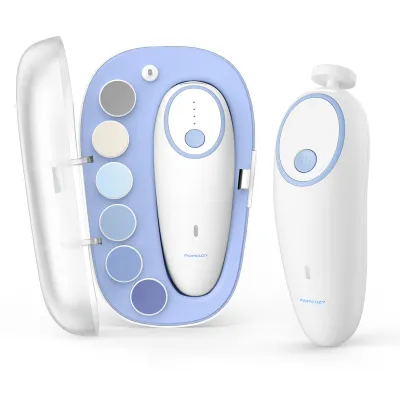
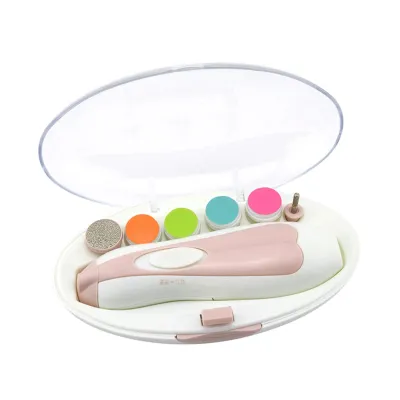
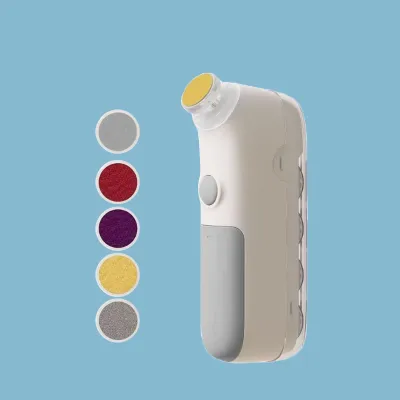
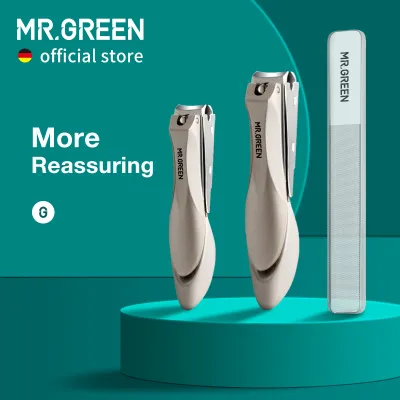
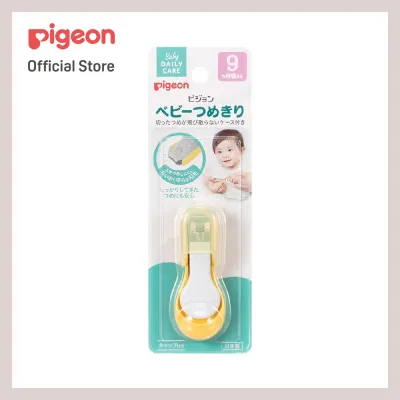
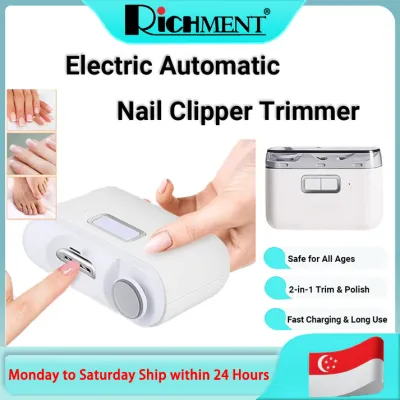
Prices are valid at publication and may change. Please refer to the product page for the latest price.

In contrast, an electric nail file—often referred to as a baby nail trimmer or buffer—utilizes a battery-powered motor to rotate a cushioned, abrasive pad. Instead of cutting the nail in one stroke, this device gradually files down the nail edge through friction. These files usually come with multiple interchangeable pads, each featuring a different grit level tailored to specific age ranges. It is essential to check the manufacturer’s guidelines on the packaging, as using a pad designed for older toddlers on a newborn can be too abrasive for their delicate skin.
Comparing Safety, Usability, and Comfort
To determine which grooming tool deserves a spot in your nursery, it helps to evaluate how they perform across three critical areas. Every parent prioritizes safety, but usability and your baby’s comfort will ultimately dictate how smoothly your grooming sessions go. By breaking down these practical trade-offs, you can choose a tool that minimizes stress for both you and your little one.
Injury Risk and Skin Protection
The primary fear when using manual baby clippers is accidentally nicking the baby’s sensitive skin. Because a newborn’s fingernails are tiny and highly pliable, it can be difficult to distinguish where the nail ends and the skin of the fingertip begins. A sudden wiggle from your baby can easily result in a painful pinch or a small cut. To mitigate this, many modern manual clippers feature built-in safety guards or magnifying glasses to help you see the cutting area more clearly.
Electric nail files virtually eliminate the risk of deep cuts because they do not use sharp metal blades. If the rotating pad accidentally contacts the surrounding skin, it generally stops or slips without breaking the skin barrier. However, they are not entirely risk-free. The friction generated by a rapidly spinning pad can produce heat. If you hold the file in one spot for too long, or if you use a grit level that is too coarse for a newborn, you risk causing friction burns or localized skin irritation. Verifying the correct pad selection and keeping the tool in constant, gentle motion are key safety steps.
Precision and the Learning Curve
Manual clippers offer immediate results, allowing you to trim a nail with one or two quick clips. This speed is highly advantageous if you have a steady hand and a cooperative baby. However, the learning curve can be steep for anxious parents. Achieving a smooth, snag-free edge requires precise positioning and confidence. If you hesitate mid-clip, you may leave behind sharp corners that can still scratch your baby’s face.
Electric files require a different kind of coordination. Instead of a single clip, you must gently glide the spinning pad back and forth across the nail edge until it is buffed down to a safe length. This process takes longer than using manual clippers, but it is highly forgiving. It allows you to round out the corners of the nail easily, leaving a perfectly smooth finish. For parents who feel nervous about using blades, practicing the filing motion on your own nails first can help you get a feel for the pressure and movement required before attempting it on your newborn.
Sensory Impact: Noise and Vibration
The sensory experience of nail trimming can make or break the session. Manual clippers operate in complete silence, save for a tiny, barely audible click. This makes them the perfect tool for trimming nails while your baby is asleep. Many parents find that sneaking into the nursery during a nap is the easiest way to manage nail care without any resistance.
Electric nail files, on the other hand, rely on a small motor that produces a low buzzing sound and physical vibrations. While many modern models are designed to be whisper-quiet, the sensory input can still startle a sensitive newborn. The physical sensation of vibration on their tiny fingertips may trigger the Moro reflex, causing them to jerk their hands away. Before using an electric file for the first time, turn it on near your baby so they can get used to the sound, and check the product specifications to ensure the decibel level is low enough to keep them calm.
At-a-Glance Comparison of Baby Nail Trimmers
| Feature | Manual Baby Nail Clippers | Electric Baby Nail Files |
|---|---|---|
| Mechanism | Curved metal blades that shear the nail in one quick motion. | Rotating cushioned pad that gently buffs down the nail edge. |
| Primary Risk | Accidental skin nicks or cuts if the baby moves suddenly. | Friction burns or skin irritation if held in one spot too long. |
| Noise Level | Silent; ideal for use during sleep. | Low buzzing sound; may startle sensitive infants. |
| Learning Curve | Requires a steady hand, excellent lighting, and confidence. | Easy to use, but requires patience and constant movement. |
| Best Use Case | Deeply sleeping babies or parents confident with blades. | Awake, active babies or parents anxious about using blades. |
Decision Framework: Which Tool Fits Your Routine?
Choosing the right tool is about matching the device to your household’s daily rhythm and your personal comfort. There is no need to struggle with a tool that makes you anxious or upsets your baby.
Choose manual clippers if:
- You prefer a silent tool that allows you to trim nails while your baby is deeply asleep.
- You have steady hands, excellent eyesight, and feel confident aligning small blades.
- You want a quick, one-and-done grooming session without dealing with batteries or replacement parts.
Choose an electric file if:
- You experience high anxiety at the thought of using metal blades near your baby's skin.
- Your baby is relatively calm around mild sensory inputs like low buzzing and gentle vibrations.
- You prefer a gradual, highly controlled grooming process that naturally rounds out sharp nail corners.
Verify first if:
- You are checking the manufacturer's packaging to ensure the tool is rated for newborns (0+ months).
- You have confirmed that replacement filing pads are readily available for your specific electric model.
- You are inspecting the tool before each use to ensure blades are clean or the filing pad is not overly worn.
Essential Safety Steps for Trimming Newborn Nails
Regardless of which tool you select, establishing a safe, calm routine is essential for preventing accidents. Newborn nails grow incredibly fast, meaning you will be grooming them frequently. To make the process as stress-free as possible, try to time your sessions strategically. Trimming right after a bath is highly effective because the warm water softens the nails, making them much easier to cut or file. Alternatively, waiting until your baby is in a deep sleep cycle can eliminate the challenge of a squirming target.
Always ensure you have excellent lighting. If you are grooming indoors, sit near a bright window or directly under a reliable lamp so you can clearly see the boundary between the nail and the skin. If your baby is awake, having a partner or family member gently hold their arm or distract them can make a massive difference. When holding your baby’s hand, gently press the fingertip pad away from the nail to create a clear clearance space for your clippers or file.
Finally, establish clear stopping conditions. If your baby becomes highly distressed, starts crying, or pulls away aggressively, pause the session immediately. It is far better to trim just one or two nails at a time than to force the process and risk an injury. If you notice any redness, irritation, or if you accidentally nick the skin, stop using the tool, apply gentle pressure with a clean tissue to stop any minor bleeding, and consult a healthcare professional if you have concerns about healing or infection.
Frequently Asked Questions (FAQ)
How often should I trim a newborn's nails?
Newborn nails grow surprisingly fast and can become sharp enough to scratch their delicate facial skin within days. Instead of following a strict weekly calendar, monitor your baby’s hands daily. You should trim or file the nails whenever they extend past the fingertip or if you notice your baby scratching themselves. For many newborns, this means their fingernails may need attention every few days, while their slower-growing toenails might only require trimming once or twice a month.
Can I use regular adult nail clippers on my baby?
You should strongly avoid using adult nail clippers on a newborn. Adult clippers are designed for much thicker, harder nails and are far too large for an infant’s tiny fingers. The blades lack the tight curvature required for a baby’s nail bed, making it incredibly easy to accidentally clip the surrounding skin or the quick. Always use grooming tools that are specifically designed, labeled, and safety-tested for infants to ensure a secure grip and appropriate blade sizing.

Community discussion
Share your experience or ask a question. Comments are reviewed before publication.