
Trimming a newborn’s tiny, paper-thin nails can be one of the most nerve-wracking tasks for new parents. When searching for solutions, the term “electronic nail clipper” frequently appears. In the baby care market, this term usually refers to rotating electric nail trimmers or files rather than motorized blades. These electronic files are generally considered safe and are often preferred over traditional metal clippers or scissors for newborns because they significantly lower the risk of accidentally cutting the baby’s delicate skin.
However, actual motorized clipping blades—which mimic the mechanical clipping action of adult clippers—are not safe for newborns and should be avoided entirely. Even with a gentle rotating trimmer, no tool is completely risk-free. Safe usage depends entirely on active caregiver supervision, proper technique, and strict adherence to the manufacturer’s age guidelines. Before using any device, parents must thoroughly review the product’s manual and guidelines to ensure it is appropriate for their infant’s developmental stage.
Clarifying the Tools: Electric Trimmers vs. Motorized Electronic Nail Clippers
Navigating the baby care aisle reveals a wide variety of grooming gadgets, making it easy to confuse different types of devices. When evaluating an electronic nail clipper for a young infant, it is critical to distinguish between rotating electric files and motorized blade clippers. Using the wrong tool can lead to painful skin nips or nail bed damage.
Products mentioned in this guide
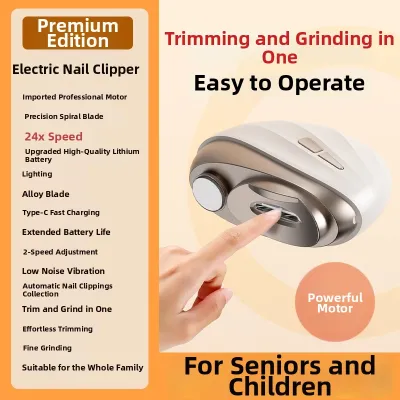
![[NEW] SEEMAGIC Electric Nail Clippers - Trimmers Safe for Kids](https://img.lazcdn.com/g/p/06dd5840e5c6c7a49a91e668a07484ba.jpg_400x400q80.jpg_.webp)
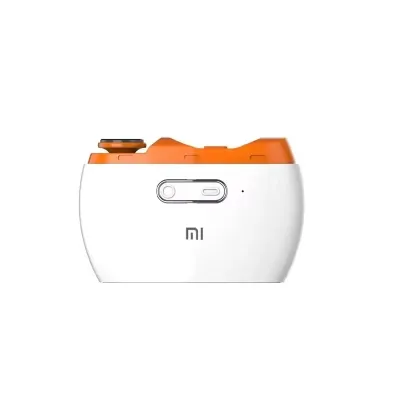
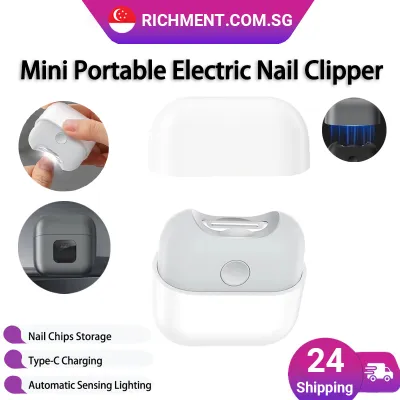
Prices are valid at publication and may change. Please refer to the product page for the latest price.
Rotating Electric Nail Trimmers (Files)
These devices operate using a gentle, battery-powered rotary action. Instead of sharp metal blades, they utilize cushioned, abrasive pads that spin rapidly to file down the nail edge. The key safety feature of these trimmers is their pressure-sensitive design. When the rotating pad encounters the resistance of soft skin rather than the hard surface of a nail, the motor typically slows down or stops completely. This mechanism virtually eliminates the risk of deep cuts, making them highly recommended for anxious parents.
Motorized Nail Clippers
In contrast, true motorized nail clippers employ an automated mechanical cutting mechanism with rigid, moving metal blades. While designed to make nail trimming faster for older children or adults, they lack the tactile feedback required for infant care. The automated blades cannot distinguish between a tiny nail and the surrounding skin. Because a newborn’s fingers are exceptionally small and their movements are unpredictable, these motorized clippers pose an unacceptably high risk of pinching or cutting the sensitive nail bed and should not be used on newborns.
Age Guidelines for Electronic Nail Care
As an infant grows, their nails undergo rapid developmental changes. Grooming techniques and tool settings must evolve alongside these milestones to prevent injury and ensure comfort.

Newborns (0 to 1 Month)
During the first few weeks of life, a baby’s nails are incredibly soft, thin, and pliable. They often grow so fast that they look like tiny claws, yet they frequently remain physically attached or fused to the delicate skin of the fingertip. Because the boundary between the nail and the skin is highly indistinct, many pediatricians recommend postponing the use of mechanical devices during this initial month, opting instead for a manual soft glass file.
If you decide to use an electric trimmer on a newborn, you must exercise extreme caution. Always select the lowest speed setting available on your device. Ensure you are using the most delicate, extra-fine filing pad, which manufacturers often color-code specifically for ages zero to three months. When filing, keep the pad strictly aligned with the nail edge and avoid making any contact with the cuticle or the surrounding skin.
Infants (1 to 6 Months)
Between one and six months of age, an infant’s nails gradually begin to harden and separate more clearly from the underlying nail bed. During this stage, using a standard baby electric trimmer becomes both safer and highly efficient. The nails still grow rapidly, often requiring weekly maintenance to prevent accidental face scratching.
As the nails thicken slightly, you can transition to the next level of age-graded filing pads as specified in your device’s instruction manual. Continue to use a slow speed setting to maintain maximum control, especially as your baby becomes more aware of their surroundings and may begin to wiggle or pull their hands away during grooming sessions.
Older Babies and Toddlers (6 Months and Up)
By the time a baby reaches six months, they have developed significantly more mobility, and their nails are noticeably thicker and more defined. At this stage, grooming can become more challenging due to the child’s increased strength and desire to explore.
To keep grooming sessions efficient, you can transition to higher speed settings on the trimmer. You may also begin using slightly coarser pads designed for older babies and toddlers, always adjusting the texture based on your child’s specific nail thickness and comfort level. Ensure you hold the finger securely to counteract sudden movements, and always stop if the child becomes highly distressed.
Essential Safety Precautions for Newborns and Infants
Using an electronic nail care device safely requires more than just turning it on. Implementing a structured routine and adhering to strict safety protocols will help minimize risks and ensure a calm, tear-free experience for both you and your baby.
- Verify Specifications: Before using any electronic nail trimmer for the first time, carefully read the manufacturer's age, weight, and usage guidelines on the product packaging or instruction manual. Never assume a device is suitable for a newborn based solely on its name or appearance. If the manufacturer's instructions conflict with standard advice, always prioritize the official product manual or consult a healthcare professional.
- Environment Setup: Always work in a room with bright, direct lighting. If necessary, use a small directed lamp or trim nails near a well-lit window. You must be able to clearly distinguish the translucent edge of the baby's nail from the pink skin of the underlying nail bed.
- Baby's State: Timing is everything when handling delicate infant fingers. The ideal time to trim a baby's nails is when they are calm, deeply asleep, or feeding. When a baby is in a deep sleep state, their muscles relax, significantly reducing the likelihood of sudden, jerky movements that could lead to accidental skin contact.
- Proper Technique:
- Secure the Grip: Hold the baby's hand firmly but gently, isolating one finger at a time. Press down slightly on the fingertip skin to push it away from the nail edge, exposing the nail fully.
- Light Touch: Gently touch the spinning pad to the edge of the nail. Do not apply heavy downward pressure. Let the rotation of the pad do the work of shortening and smoothing the nail.
- Keep Moving: Keep the device in constant, gentle motion across the nail curve. Avoid lingering on a single spot, as the continuous rotation can generate friction heat, causing discomfort or mild thermal irritation to the baby's sensitive skin.
- Maintain Distance: Keep a safe clearance from the cuticle and the soft skin surrounding the sides of the nail.
- Time Management: Keep trimming sessions as short as possible. If your baby wakes up or becomes fussy, stop the session immediately. It is far safer to trim two or three nails at a time over several sessions than to force the process when your baby is restless.
Potential Risks and When to Stop Using the Device
While electric nail trimmers are designed with safety in mind, they are not completely foolproof. Caregivers must remain vigilant to prevent minor injuries that can quickly escalate into painful conditions or infections.
Over-Filing and Skin Friction Risks
Filing a baby’s nails too short is a common mistake. When you file past the natural boundary of the nail, you expose the highly sensitive nail bed underneath. This can cause immediate pain, tenderness, and make the area vulnerable to bacterial entry. Always leave a tiny, visible sliver of the white nail edge to protect the underlying tissue.
Additionally, even though cushioned filing pads are designed to minimize skin damage, prolonged or heavy contact with the skin can still cause friction burns or micro-abrasions. These tiny, often invisible scrapes can cause redness, irritation, and increase the risk of localized skin infections.
When to Stop Using the Device Immediately
You should turn off the device and pause the grooming session immediately if any of the following situations occur:
- The baby shows clear signs of distress, whimpers, or repeatedly pulls their hand away.
- The body of the electronic trimmer or the rotating pad feels unusually warm or hot to the touch, which may indicate a motor malfunction or excessive friction.
- You notice any sudden redness, swelling, or bleeding around the nail or cuticle area.
When to Consult a Professional
If you observe any signs of infection, such as persistent redness, swelling, warmth, or pus around the nail (conditions often associated with paronychia), or if you suspect an ingrown nail, do not attempt to treat it at home. You must consult a pediatrician or qualified healthcare provider for medical advice and diagnosis to ensure proper treatment and prevent further complications.
Safe Alternatives for Newborn Nail Care
If you feel uncomfortable using an electronic device on your newborn, or if your baby is highly sensitive to the sound or vibration of a motor, several reliable manual alternatives can keep their hands scratch-free.
Baby Nail Scissors
Specifically designed baby nail scissors feature rounded, blunt tips to prevent accidental puncture wounds. They require a steady hand and excellent lighting, but they offer precise, quiet control. They are particularly useful for trimming long, detached nail edges that are easy to slide the scissor blade under, allowing you to snip the nail cleanly in a single movement.
Soft Glass or Emery Board Nail Files
Manual files, especially those made of fine-grit soft glass, are widely considered the safest option for the first few weeks of life. Because they contain no moving parts or sharp blades, they carry absolutely zero risk of cutting or pinching the skin. While manual filing is more time-consuming and requires the baby to remain relatively still, it provides complete tactile feedback, allowing you to feel exactly how much pressure you are applying.
Scratch Mittens
It is important to clarify that scratch mittens are merely a temporary barrier to prevent a baby from scratching their face; they are not a substitute for proper nail care. While they can be helpful during the first few days of life or during sleep, prolonged use of mittens is not recommended. Restricting a newborn’s hands for extended periods can hinder their sensory development, tactile exploration, and early hand-eye coordination. Regular nail maintenance remains essential, and mittens should only be used as a short-term supplement.
Frequently Asked Questions (FAQ)
Can an electric nail trimmer cut a baby's skin?
While electric nail trimmers do not have sharp metal blades that can slice the skin, they are not entirely incapable of causing irritation. If used at an improper angle, with excessive downward pressure, or if held in one spot for too long, the rapid rotation of the abrasive pad can cause friction burns, redness, or micro-abrasions on a baby’s delicate skin. Using the correct age-graded pad and keeping the device in constant motion will prevent these issues.
How often should I trim a newborn's nails?
Newborn fingernails grow incredibly fast and typically require trimming once or twice a week to prevent them from scratching their face and eyes. In contrast, baby toenails grow much slower and usually only need to be trimmed once or twice a month. Rather than following a strict calendar schedule, inspect your baby’s hands regularly and trim their nails as soon as you notice sharp or long edges.
Do I need to sterilize the electric nail trimmer pads?
You do not need to sterilize the trimmer pads in boiling water or steam, as this can damage the adhesive and the cushioned material. Instead, maintain basic hygiene by wiping the device body and the filing pads with a clean, dry cloth or a lightly damp alcohol wipe after each use. Allow all parts to air-dry completely before storing them in their protective case. Always replace the filing pads promptly when they show visible signs of wear or lose their abrasive texture.
Community discussion
Share your experience or ask a question. Comments are reviewed before publication.