
Finding the right everyday diaper for your baby is a highly personalized journey. While MamyPoko, Pampers, and Huggies are all household names in Singapore, there is no single “best” option that fits every infant perfectly. The ideal choice depends on your baby’s unique body shape, skin sensitivity, and your family’s monthly budget. By evaluating how each brand designs its waistbands, absorbency cores, and leg cuffs, you can find a reliable option that keeps your baby dry and comfortable throughout the day.
Core Comparison Dimensions for Everyday Use
When comparing these three major brands, parents should focus on three primary pillars: absorbency, fit, and material feel. Absorbency is not just about how much liquid a diaper can hold, but how quickly it draws moisture away from the skin. Fit determines whether the diaper can contain sudden messes, which is heavily influenced by the elasticity of the waistband and the design of the leg cuffs. Finally, the material’s breathability and texture play a critical role in preventing diaper rash, especially in warm, humid climates.
In Singapore’s humid weather, breathability is a non-negotiable factor for everyday wear. High humidity can trap moisture inside the diaper, creating an environment prone to irritation. Therefore, evaluating how well a diaper allows air to circulate is just as important as checking its leak-prevention features. Parents must look at the physical construction of each diaper, noting the presence of micro-pores or textured inner liners designed to minimize direct skin contact with wetness.
Products mentioned in this guide
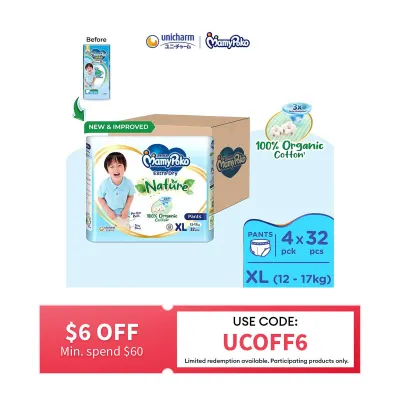
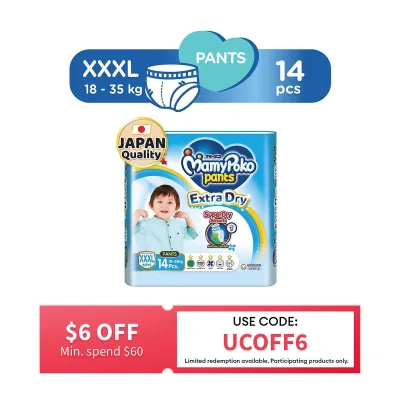



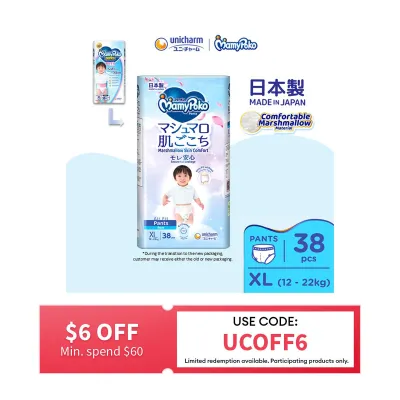
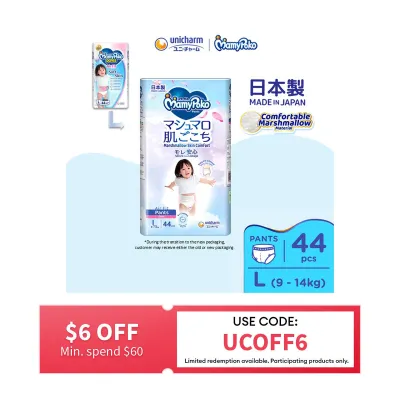
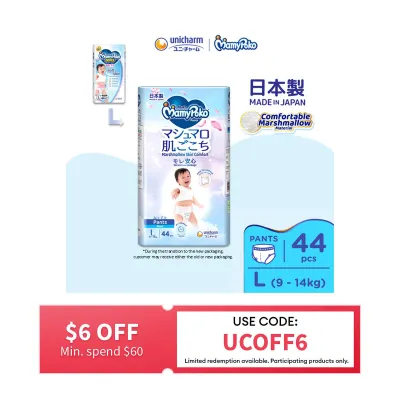
Prices are valid at publication and may change. Please refer to the product page for the latest price.
Another dimension to consider is the ease of use for caregivers. For active infants, pants-style diapers might offer a more convenient changing experience compared to traditional tape diapers. However, tape diapers often allow for a more customizable fit around the waist. Understanding these design differences helps you match the diaper type to your baby’s developmental stage, whether they are a newborn spending most of their time on their back or a toddler constantly on the move.
Evaluating Absorbency and Leak Protection
To compare absorbency effectively, start by examining the packaging for specific core technologies. Many modern diapers feature specialized channels designed to distribute liquid evenly rather than letting it pool in one spot. Look for terms like “speed wave channels” or “absorbent cores” on the labels, which indicate how the manufacturer manages fluid distribution. These designs help keep the surface dry, reducing the risk of skin irritation during long stretches between changes.

Wetness indicators—lines that change color when wet—are also highly useful for everyday monitoring. They help you avoid unnecessary changes while preventing leaks from over-saturation. For heavy wetters, observe how the diaper behaves after several hours; if the outer layer feels damp or the core clumps significantly, you may need a design with a more robust distribution layer.
Additionally, consider the difference between daytime and nighttime absorbency needs. Daytime diapers are often designed to be thinner and lighter to facilitate movement, while overnight options prioritize maximum fluid retention. When evaluating a diaper for overnight use, look for packaging claims that specify extended dryness protection, and observe whether the diaper maintains its structural integrity when fully saturated.
Assessing Fit, Sizing, and Comfort
A diaper’s fit is just as important as its absorbency. A diaper that is too loose will leak, while one that is too tight will cause discomfort and red marks. Pay close attention to the waistband stretch and the snugness of the leg cuffs. Some brands design their waistbands to sit higher on the back, which can be highly effective at preventing blowouts during tummy time or sleep. Others focus on highly elastic side tabs that allow for a more customized fit around the hips.
Always refer to the manufacturer’s official weight ranges on the packaging, but remember that these are general guidelines. If your baby is near the upper limit of a weight range or has chubby thighs, you may need to size up sooner than expected to maintain a proper seal. A good rule of thumb is the “two-finger rule”: you should be able to comfortably slide two fingers under the waistband and around the leg cuffs without forcing them.
Regularly inspect your baby’s skin during changes for any signs of friction or pressure. Red marks around the thighs or waist indicate that the elastic is too tight, suggesting a need to adjust the fit or transition to a larger size. Conversely, if you notice frequent gaps around the legs when your baby moves, the current size or cut may not be compatible with their body shape.
Comparing Value and Cost per Diaper
Calculating the true cost of diapering requires looking past the price of a single pack. To find the cost per diaper, divide the total price of the pack by the number of diapers inside. In Singapore, prices can vary significantly between physical supermarkets and online marketplaces. For long-term savings, consider purchasing in bulk or signing up for subscription delivery services on major e-commerce platforms, which often offer substantial discounts.
When calculating your budget, factor in the frequency of changes. A slightly more expensive diaper that offers superior absorbency might actually save you money if it reduces the total number of diapers used per day. For example, if a cheaper diaper requires changing every two hours to prevent leaks, whereas a premium option lasts four hours comfortably, the premium option may turn out to be more cost-effective over time.
Keep in mind that diaper sizes change as your baby grows, and larger sizes typically contain fewer diapers per pack, raising the cost per unit. Planning your purchases around major online sales events or looking for bundle deals can help mitigate these rising costs. However, avoid stockpiling too many packs of a single size, as babies can outgrow them rapidly.
Decision Framework: Which Brand Fits Your Baby?
To help you decide, consider this conditional framework based on your baby’s specific needs. Choose MamyPoko if your baby has a rounder build and benefits from a highly stretchable, soft waistband that minimizes pressure on the tummy. Choose Pampers if your baby has a slimmer profile and you prefer a thin, streamlined core design that fits snugly under clothing. Choose Huggies if your baby is highly active and requires robust, double-layered leg cuffs to prevent leaks during movement.
Before committing to a bulk purchase of any brand, always verify how your baby’s skin reacts by testing a small pack first. Every baby’s skin chemistry is unique, and what works perfectly for one infant might cause irritation for another. If your baby has highly sensitive skin or a history of eczema, look for fragrance-free and hypoallergenic options, and consult a pediatrician if you notice persistent redness or diaper rash.
Ultimately, the best everyday diaper is one that balances performance, comfort, and cost for your specific household. Do not hesitate to switch brands as your baby transitions through different developmental milestones, such as rolling, crawling, and walking, as their diapering needs will naturally evolve.
Frequently Asked Questions (FAQ)
How do I know if I need to size up in MamyPoko, Pampers, or Huggies?
Look for clear physical signs such as red marks on your baby’s thighs or waist, which indicate the elastic is too tight. Frequent leaks, blowouts, or difficulty fastening the tabs securely over the hips are also strong indicators that it is time to move to the next size.
Can I mix different diaper brands for daytime and nighttime use?
Yes, mixing brands is an excellent way to balance performance and budget. Many parents use a highly absorbent, premium diaper for overnight sleep to ensure uninterrupted rest, while opting for a more economical, standard diaper for frequent daytime changes.

Community discussion
Share your experience or ask a question. Comments are reviewed before publication.