
When managing a baby’s sensitive skin, choosing between Mamypoko and Merries is not a matter of finding a single, universal winner. Neither brand is universally superior for every infant, because diaper rashes and skin sensitivities stem from highly individualized triggers. For instance, Merries is widely recognized for its exceptionally soft, breathable surface textures that aim to minimize friction against delicate skin. On the other hand, Mamypoko is highly regarded for its robust absorbency and secure leak-prevention barriers, which excel at keeping heavy wetters dry.
Finding the ideal option for your baby requires identifying whether their skin reacts primarily to trapped moisture, physical friction from movement, or direct contact with specific materials. By aligning your choice with your baby’s unique skin triggers, you can select the diaper that offers the most comfortable, rash-free experience.
Identifying Your Baby's Specific Skin Triggers
To make an informed choice between these two popular brands, you must first pinpoint what causes your baby’s skin to flare up. Diaper rashes generally fall into three distinct categories: moisture-induced rashes, friction rashes, and contact irritation. A moisture-induced rash occurs when urine or stool remains in contact with the skin for too long, breaking down the skin’s natural protective barrier.
Products mentioned in this guide
![MamyPoko Swimming Pants Girl Baby Diapers M 3pcs (6-12kg) [Single]](https://img.lazcdn.com/g/p/780292decdbd13d5c432fd8d96a73672.jpg_400x400q80.jpg_.webp)
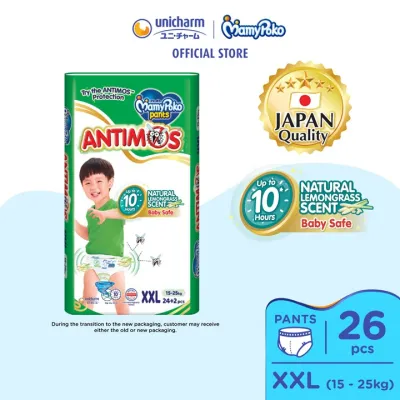
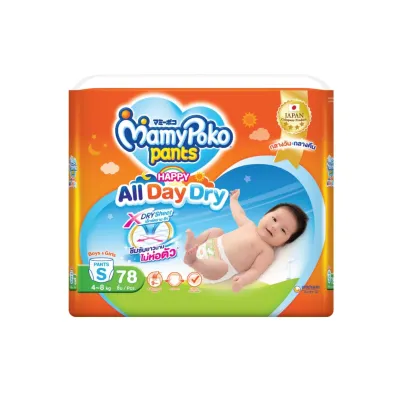
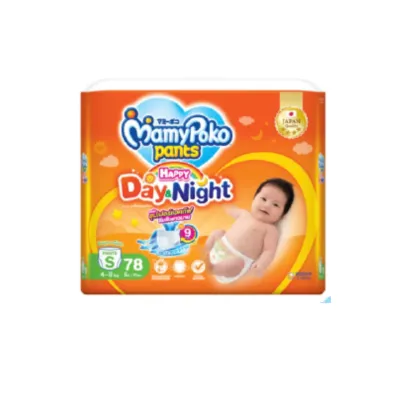
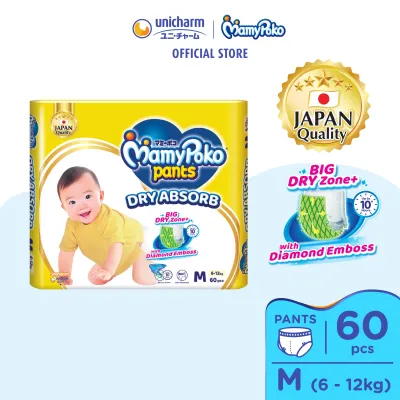
Prices are valid at publication and may change. Please refer to the product page for the latest price.
Friction rashes, conversely, develop where the diaper rubs continuously against the skin, such as around the thighs, waist, or leg cuffs. Contact irritation is an allergic or sensitive reaction to specific materials, fragrances, or chemical components within the diaper itself. Understanding these triggers allows you to look for specific diaper specifications that address your baby’s vulnerabilities.
If your baby is highly sensitive to dampness, you will need to prioritize rapid moisture absorption and high breathability. If physical rubbing is the primary issue, your focus should shift toward ultra-soft waistbands, flexible leg cuffs, and smooth top-sheets. While adjusting your diaper choice can resolve many mild skin issues, always consult a pediatrician if rashes persist, bleed, ooze, or are accompanied by a fever. These symptoms can indicate a secondary bacterial or fungal infection that requires targeted medical treatment rather than a simple change in diapering products.
Comparing Surface Softness and Friction
The physical texture of a diaper’s inner lining plays a critical role in preventing friction-induced skin irritation. When evaluating Mamypoko and Merries, parents should physically assess the top-sheet texture of each diaper. Merries diapers are well-known for their wavy, quilted, or embossed top-sheet patterns. This textured design is engineered to create tiny air channels, reducing the total surface area of the diaper that directly touches your baby’s skin.

By minimizing direct contact, this design helps lower the risk of friction when your baby crawls, rolls, or walks. Mamypoko takes a different structural approach, often utilizing smooth, flat, or gently grooved inner linings designed to distribute liquid quickly across the core. While this smooth surface provides a consistent feel, the lack of deep embossing means more of the material remains in contact with the skin.
When choosing between these designs, consider your baby’s activity level and how their skin responds to movement. Active babies who sweat easily in Singapore’s humid climate may benefit from the air-channel design of Merries, which keeps the material from sticking to damp skin. To ensure the best match, always check the product packaging for specific material claims, such as cotton-like textures, organic cotton blends, or lotion-infused layers. These features are designed to soothe sensitive skin, but their effectiveness can vary. Parents should verify these claims against their baby’s actual skin response during daily wear, as even natural-sounding materials can occasionally trigger sensitivities in highly reactive infants.
Evaluating Breathability and Wetness Control
In hot and humid environments, managing heat and dampness inside the diaper is paramount to preventing heat rash and moisture-induced irritation. A diaper’s breathability depends heavily on its back-sheet construction. High-quality diapers like Merries often feature advanced micro-pore back-sheets that allow hot air and moisture vapor to escape while keeping liquid securely contained inside.
This continuous airflow helps maintain a cooler, drier microclimate next to your baby’s skin, which is essential for preventing the sweat-gland blockages that lead to painful heat rashes. Absorbency speed is another critical factor in wetness control. A diaper must pull moisture away from the skin surface almost instantly to prevent the outer layer of the skin from softening and breaking down.
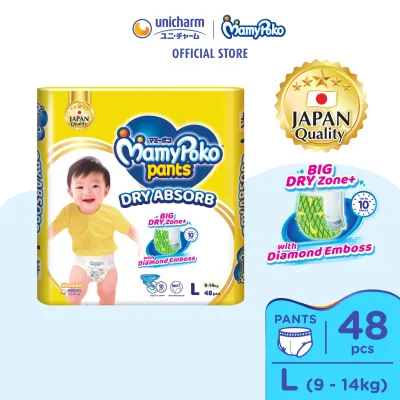
Mamypoko is highly praised for its powerful absorbent cores, which are designed to lock away large volumes of liquid quickly. This makes them a popular choice for overnight use or long outings. However, parents must remember that even the most absorbent diaper has its limits.
Regardless of the brand you choose, maintaining a strict changing schedule is the most effective way to protect sensitive skin. Relying solely on a diaper’s high capacity can lead to prolonged skin contact with trace moisture and bacteria. Use the diaper’s built-in wetness indicator—which typically changes color when wet—as a prompt for a timely change. Regularly replacing the diaper ensures that your baby’s skin remains dry, clean, and free from the damp conditions that foster rash-causing bacteria.
Checking the Fit and Elastic Pressure
A diaper’s fit and the elasticity of its bands are just as important as its materials when it comes to protecting sensitive skin. Both Mamypoko and Merries design their waistbands and leg cuffs with stretchable materials, but they distribute pressure differently. Merries is often noted for its soft, airy gather design that clings gently to the baby’s waist without applying excessive pressure.
Mamypoko diapers, particularly their pants range, are known for a secure, snug fit designed to prevent leaks during high-energy play. If a diaper’s elastic bands are too tight or if the diaper is improperly sized, they can leave deep red pressure marks on your baby’s waist and thighs. These marks are clear indicators of excessive friction and restricted airflow, which can quickly exacerbate friction rashes and trap sweat.
Conversely, a diaper that is too loose will sag, causing the material to rub repeatedly against the skin as the baby moves, while also increasing the risk of messy leaks. To find the perfect balance between comfort and leak protection, parents should practice the two-finger rule. After securing the diaper, you should be able to easily slide two fingers between the waistband and your baby’s tummy, as well as around the leg cuffs. If the fit feels too snug or if you consistently notice red marks, it is time to transition to the next size up, even if your baby’s weight is still within the lower range indicated on the packaging.
Decision Guide: Choosing the Right Diaper for Your Baby
To help you make the best decision for your household, consider this condition-based framework tailored to your baby’s specific skin needs and your daily routine.
Choose Merries if:
- Your baby is highly prone to heat rash or sweat-induced irritation, especially during warm, humid days.
- You prefer a diaper with a highly breathable, quilted surface texture that minimizes direct skin contact.
- Your baby has highly sensitive skin that reacts quickly to friction and physical rubbing from diaper movement.
Choose Mamypoko if:
- Your baby is a heavy wetter who requires robust, high-capacity absorbency to stay dry over longer periods.
- You need a secure, snug fit that provides excellent leak protection during active daytime play or overnight sleep.
- Your baby's skin is relatively resilient to friction but reacts quickly to lingering surface wetness.
Before making a bulk purchase, always verify if your baby has any known allergies to specific synthetic materials or fragrances. Additionally, it is wise to evaluate the cost per diaper in S$ based on current retail promotions at local supermarkets or online marketplaces. Balancing your household budget with your baby’s skin health ensures you can maintain a frequent, consistent diaper-changing routine without financial strain.
Frequently Asked Questions (FAQ)
Can I use diaper cream with both Mamypoko and Merries?
Yes, you can use diaper cream with both brands, but application technique is key to maintaining diaper performance. Thick, petroleum-based barrier creams can transfer onto the diaper’s top-sheet, clogging the absorbent polymers and reducing the diaper’s ability to pull wetness away from the skin. To prevent this, always check the manufacturer’s guidelines on the packaging regarding cream compatibility. If your baby requires heavy barrier protection, apply a very thin layer and ensure it is fully absorbed, or consider using a cream-compatible liner to protect the diaper’s absorbent surface.
How long should I test a new diaper brand before deciding it works?
A practical testing period of three to seven days is usually sufficient to observe how your baby’s skin reacts to a new diaper brand. It is best to purchase a small travel pack or request trial samples rather than buying a bulk box. During this test, closely monitor your baby’s skin for signs of redness, dryness, chafing, or changes in existing rash severity. To isolate the diaper’s effect accurately, keep other variables constant—avoid introducing new baby wipes, bath products, laundry detergents, or new foods during the trial period.

Community discussion
Share your experience or ask a question. Comments are reviewed before publication.