
Comparing MamyPoko tape XXL to other premium brands like Huggies and Pampers requires looking closely at physical dimensions, elastic design, absorbency features, and cost efficiency. For larger babies or toddlers who still use tape diapers, finding the right balance between a secure fit and skin comfort is essential. Because every baby has a unique body shape, parents must evaluate how each brand’s specific design elements align with their child’s weight and activity level.
Evaluating Sizing and Fit for Larger Babies
When babies reach the XXL size range, their physical proportions vary significantly. Some toddlers have rounder bellies, while others have chunky thighs or longer torsos. MamyPoko, Huggies, and Pampers each design their XXL tape diapers with distinct cut patterns and weight recommendations. Parents should first check the weight range printed on each manufacturer’s packaging, which typically covers older toddlers, but remember that these ranges often overlap and serve only as a general guideline.
The physical dimensions of the diaper determine how high it sits on the waist and how far it wraps around the hips. A diaper with a wider back panel and longer tape tabs provides more flexibility during fastening. When comparing these brands, look at the stretchability of the waistband. A highly elastic waistband helps the diaper stay secure when the baby sits or crawls, preventing the back from gaping.
Products mentioned in this guide
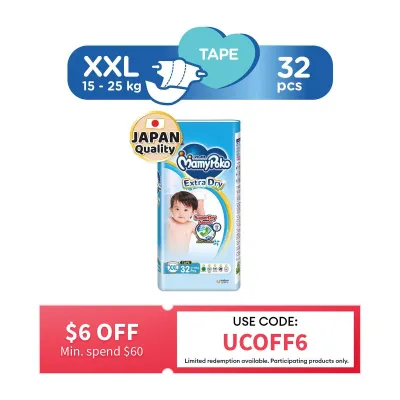
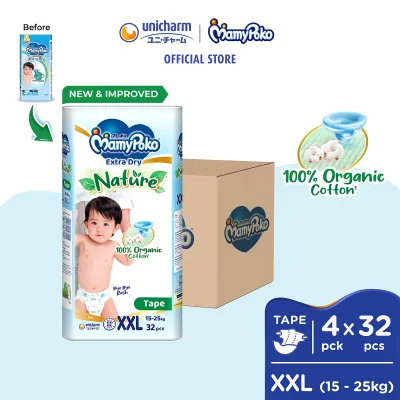
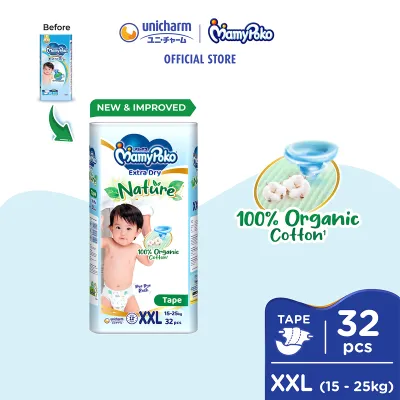
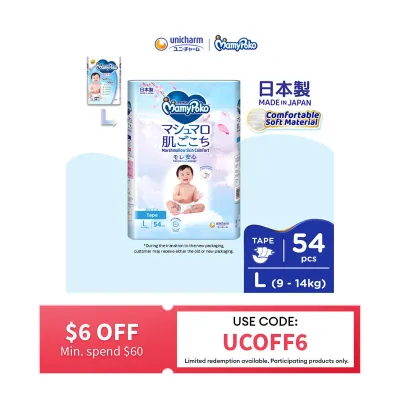
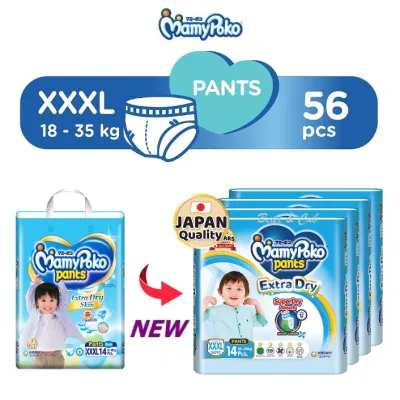
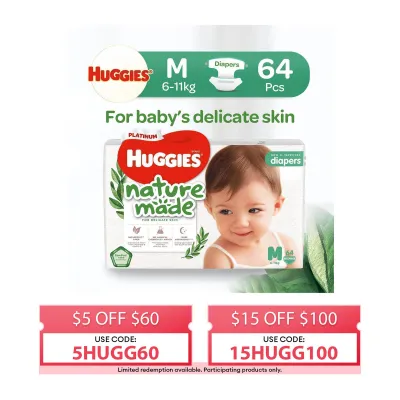
Prices are valid at publication and may change. Please refer to the product page for the latest price.
Leg cuff design is equally critical for larger babies. Double-layered leg guards help contain messes, but they must be soft enough to prevent red marks on chunky thighs. If the elastic is too tight, it can restrict circulation or cause chafing; if it is too loose, gaps will form. Parents should inspect the gathers after fastening to ensure they flare outward rather than folding inward.
To verify the fit before purchasing large quantities, parents can measure their baby’s waist and upper thigh circumference using a soft measuring tape. Compare these measurements to the diaper’s relaxed and fully stretched dimensions if available, or use them to assess where the tape tabs land on the front landing zone. If the tabs must be fastened at the very outer edges (often marked as zone 3 on some diapers), it is usually a sign that the baby needs a larger size or a different brand cut.
Comparing Absorbency and Leak Protection
Absorbency is the core function of any premium diaper, especially in larger sizes where urine volume is greater. Manufacturers use different proprietary core technologies, such as absorbent polymers, channels, or multi-layer sheets, to distribute liquid quickly. When evaluating MamyPoko, Huggies, and Pampers, look at the packaging for descriptions of their channel designs, which are intended to draw wetness away from the surface and distribute it evenly throughout the core.

To assess how well a diaper performs in daily use, parents can use a simple observation checklist. First, check the wetness indicator on the outside of the diaper to see how quickly it changes color. Second, feel the inner topsheet during a diaper change; a high-performing core should feel dry to the touch even when the diaper is heavy. Third, observe the distribution of wetness—if the liquid pools in one spot and causes severe sagging, the core may not be distributing moisture efficiently.
Sagging not only causes discomfort but also pulls the waistband down, increasing the risk of leaks. If a diaper regularly sags to the point of exposing the lower back or thighs, the fit or the core structure may not be matching the baby’s urine output. This is particularly common during long overnight sleep stretches when the baby remains in one position for hours.
There are specific conditions where tape diapers may struggle to perform, regardless of the brand. As toddlers become highly active, rolling, crawling, or standing during changes, securing tape tabs evenly becomes difficult. If you notice frequent leaks around the waist or legs despite a correct weight match, or if the tape tabs repeatedly tear or loosen during play, it may be time to transition to pants-style diapers which offer a more secure, 360-degree elastic fit.
Checking Material Comfort and Skin Sensitivity
Larger babies wear diapers for extended periods, making material softness and breathability crucial for maintaining healthy skin. When comparing premium options, parents should carefully read the product labels for specific skin-safety claims. Look for terms like “dermatologically tested,” “hypoallergenic,” or “fragrance-free,” and check if the manufacturer adds lotions or botanical extracts to the inner topsheet.
The texture of the inner topsheet varies across MamyPoko, Huggies, and Pampers. Some brands feature a quilted or embossed pattern designed to minimize direct skin contact with wetness, while others focus on a silky-smooth, flat texture. Additionally, the outer backsheet must allow air to circulate to prevent heat and moisture buildup, which is especially important in warm, humid tropical climates like Singapore.
The physical feel of the outer cover also impacts comfort. A stiff or paper-like backsheet can rub uncomfortably against a baby’s lower back or thighs during movement. Premium brands typically use non-woven fabrics that mimic the feel of cotton, which helps reduce friction and keeps the baby comfortable during active play.
Even with premium materials, individual skin sensitivities can cause adverse reactions. Parents should regularly inspect the diaper area for signs of redness, chafing, or localized rashes. If a rash develops, it is important to establish clear stop-use conditions. If the redness does not improve after a few days of frequent diaper changes and barrier cream application, or if the skin blisters, cracks, or causes obvious distress, stop using the brand immediately and consult a qualified pediatrician.
Calculating Price and Value per Diaper
Evaluating premium diapers requires looking beyond the shelf price of a single pack to calculate the true cost per piece. To do this, divide the total retail price in S$ by the number of diapers contained in the package. Because XXL diapers contain fewer pieces per pack than smaller sizes, this calculation helps parents make accurate financial comparisons across different brands.
The retail configuration significantly impacts the unit price. Standard packs purchased at local supermarkets often carry a higher cost per piece compared to bulk boxes or jumbo configurations available on online marketplaces and ecommerce platforms. Purchasing carton deals or subscribing to recurring delivery services can lower the cost per diaper, but parents should only commit to bulk purchases once they are certain of the fit.
Value is also directly tied to absorbency efficiency and daily diaper consumption. A slightly cheaper diaper that requires more frequent changes due to leaks or poor wetness distribution may end up costing more over a month than a premium diaper that keeps the baby dry for longer periods. If a highly absorbent diaper allows for fewer changes during the day and reliable overnight protection, the overall volume of diapers used decreases, providing better long-term value.
Additionally, parents should factor in the cost of supplementary products like diaper rash creams or extra wipes. If a cheaper diaper brand leads to more frequent skin irritation, the added cost of skin treatments can quickly offset any initial savings on the diapers themselves. Therefore, a comprehensive value calculation should always balance the unit price with the diaper’s real-world performance on your baby’s skin.
Final Decision: Which Tape Diaper Fits Your Baby?
Selecting the right XXL tape diaper depends on your baby’s unique physical build, skin sensitivity, and daily activity patterns. To simplify your decision, consider how your child’s needs align with the typical design strengths of each brand.
Choose MamyPoko if your baby is a heavy wetter who requires a highly absorbent core with reliable overnight protection, and you prefer a generous cut that accommodates rounder bellies. Choose Huggies if your baby has highly sensitive skin and you prioritize hypoallergenic materials, dermatologically tested topsheets, and a snug fit around the legs. Choose Pampers if you prefer a lightweight, thin diaper design that offers high breathability and flexibility for active toddlers who are still using tape fasteners.
Verify first if the diaper style is suitable by purchasing small trial packs or requesting samples before committing to full carton orders. This precaution prevents financial waste if the diaper cut does not match your baby’s thigh or waist shape. Testing a single pack also allows you to observe how your baby’s skin reacts to the specific materials and lotion additives used by the brand.
Keep a close eye on the physical signs that indicate it is time to transition away from XXL tape diapers. If the tape tabs must be fastened at the very edge of the landing zone, if the diaper leaves deep red marks on the waist or thighs, or if your toddler has learned to unfasten the tapes themselves, consider moving to XXL pants-style diapers or exploring larger specialty sizes to ensure continued comfort and leak protection.
Frequently Asked Questions (FAQ)
At what weight should I switch from tape to pants-style diapers?
While manufacturer weight charts provide a helpful baseline, the decision to switch from tape to pants-style diapers is often driven by developmental milestones rather than a specific weight. When babies begin to roll over, crawl, pull themselves up, or stand, keeping them still for a tape diaper change becomes challenging. Pants-style diapers can be pulled on quickly while the baby is standing, making changes much easier. Additionally, if your baby is within the recommended weight range but has highly active legs that cause tape tabs to shift and leak, transitioning to pants can provide a more secure, wrap-around fit.
Can I mix different diaper brands for day and night use?
Mixing different diaper brands for daytime and nighttime use is a highly practical and cost-effective strategy for many parents. During the day, when diaper changes are more frequent, you might choose a lighter, more budget-friendly diaper that offers standard protection. For overnight use, prioritizing a premium brand with maximum absorbency and advanced leak guards ensures your baby stays dry and comfortable during long sleep stretches. When alternating between brands, monitor your baby’s skin closely to ensure they do not experience irritation from switching between different material compositions or elastic designs.

Community discussion
Share your experience or ask a question. Comments are reviewed before publication.