
Choosing the right XXL diaper for a growing toddler in Singapore involves balancing fit, absorbency, and cost. At this developmental stage, toddlers are highly active, constantly moving, and producing larger volumes of urine, making the choice of diaper critical for both daytime comfort and uninterrupted overnight sleep.
MamyPoko Pants XXL is widely recognized for its generous cut and deep absorbent core, making it a common choice for parents of rounder toddlers or those seeking overnight security. Huggies XXL often focuses on a snug, secure fit with highly elastic waistbands, which can benefit highly active toddlers who need a diaper that moves with them. Pampers XXL typically emphasizes a slim profile and lightweight materials, which many parents prefer for daytime wear in Singapore’s warm, humid climate.
Because every toddler has a unique body shape and skin sensitivity, parents should verify performance with a small trial pack before purchasing bulk cartons. What works perfectly for one child may cause leaks or red marks on another, depending on their specific proportions and movement patterns.
Products mentioned in this guide
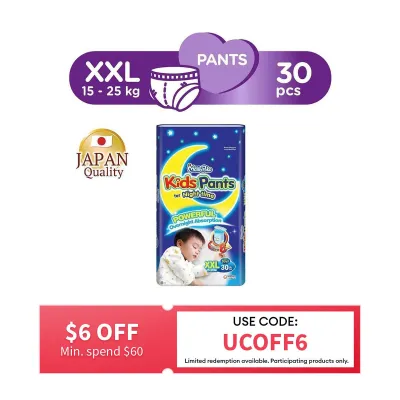
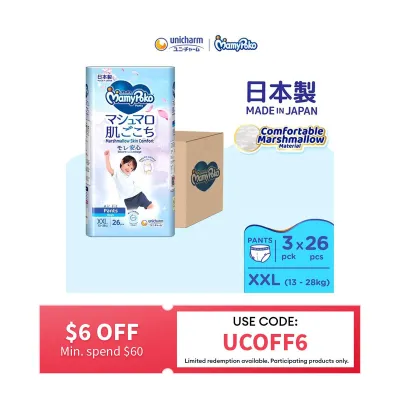
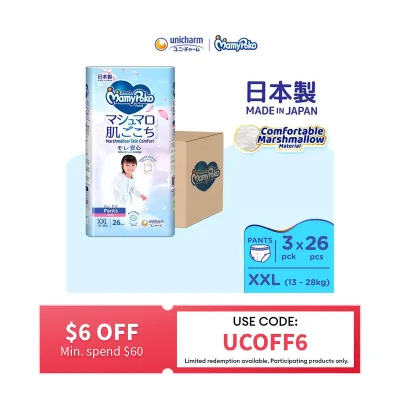
![MamyPoko Royal Soft Pants Diapers [GIRL] XXL38 (1 Pack)](https://img.lazcdn.com/g/p/65c3b9cff292fef109478a13ed9da526.jpg_400x400q80.jpg_.webp)
![MamyPoko Air Fit Marshmallow Pants Super Premium Baby Diapers [GIRL] XXL26 (3 Packs) (13 - 28kg)](https://img.lazcdn.com/g/p/9e635e643a164e1d30d3f2a97fbf7113.jpg_400x400q80.jpg_.webp)
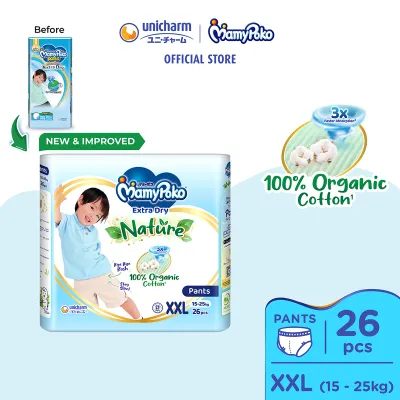
![MamyPoko Air Fit Marshmallow Pants Super Premium Baby Diapers [BOY] XXL26 (1Pack) (13 - 28kg)](https://img.lazcdn.com/g/p/f9ff53b584c309d883e8187e7e545163.jpg_400x400q80.jpg_.webp)
![MamyPoko Air Fit Marshmallow Pants Super Premium Baby Diapers [GIRL] XXL26 (1Pack) (13 - 28kg)](https://img.lazcdn.com/g/p/d0b52013b9364dfb9d4b00bbb3d3109f.jpg_400x400q80.jpg_.webp)
Prices are valid at publication and may change. Please refer to the product page for the latest price.
Absorbency and Leak Protection for Heavy Wetters
As toddlers grow, their urine output increases significantly, especially overnight. To evaluate absorbency, parents should examine the core technologies listed on the packaging. Look for terms like “superabsorbent polymers” (SAP), “absorbent channels,” or “distribution layers.” These components work together to draw moisture away from the skin and distribute it evenly throughout the diaper core, preventing pooling in a single area.
During active daytime play, a diaper must absorb liquid quickly under pressure. When a toddler sits, jumps, or climbs, pressure is applied to the wet core. A high-quality distribution layer prevents this liquid from squeezing back onto the skin, which is essential for maintaining skin dryness and preventing irritation.
For overnight use, the diaper must hold a larger volume of liquid over twelve hours. Parents should check if the manufacturer specifies overnight protection or extra absorbency zones on the packaging. Some brands design their XXL pants with additional absorbent material in the front for boys or in the center for girls, though many modern designs use a unisex central distribution zone.
Signs of inadequate absorbency are easy to spot. If you notice the diaper sagging heavily after only an hour or two, or if the outer surface feels damp to the touch, the core may not be managing the volume effectively. Morning leaks are another clear indicator. If your toddler consistently wakes up with wet pajamas, it suggests the diaper’s capacity has been exceeded or the distribution channels are saturated, indicating a need to try a different brand or upgrade the absorbency level.
Fit, Comfort, and Sizing Differences in the XXL Range
Sizing is not standardized across diaper brands. An XXL diaper from one manufacturer may fit significantly larger or smaller than an XXL from another, even if the weight guidelines on the packaging overlap. When evaluating fit during a trial, pay close attention to the waistband elasticity and the softness of the materials.

A good waistband should stretch easily to accommodate movement but return to its shape to prevent gaps at the back. The waistband should sit comfortably above the hips without sliding down during play. If the elastic is too stiff, it can restrict breathing or digestion, especially after meals.
Leg cuffs are the primary defense against leaks. Look for double-layered leg gathers that sit flat against the inner thigh without bunching or folding inward. When putting the diaper on, always run a finger around the leg cuffs to ensure they are flared outward; tucked-in cuffs are a common cause of immediate leaks.
To assess the fit, measure your toddler’s waist and thighs, and compare these measurements to the weight ranges on the packaging. Keep in mind that weight is only a rough guide; body shape matters more. A toddler with chunky thighs may require a larger size or a brand with more generous leg openings, even if their weight falls within the lower end of the XXL range. Conversely, a tall, lean toddler might experience gaps around the legs in a generously cut diaper, leading to leaks despite the weight range being correct.
Indicators of a poor fit include red marks or indentations on the toddler’s waist or thighs, which suggest the elastic is too tight. Restricted movement, chafing, or frequent blowouts at the back also signal that a size or brand change is necessary. If your toddler is constantly pulling at the waistband, it is a clear sign of discomfort.
Evaluating Price and Value Across Retailers in Singapore
Diaper costs can accumulate quickly, making value a major consideration for families in Singapore. To compare prices accurately, always calculate the cost per single diaper rather than comparing pack prices. To find the unit cost, divide the total price of the pack or carton by the number of diapers inside. For example, if a carton costs S$60 and contains 120 diapers, the unit cost is S$0.50 per diaper.
Bulk packs and carton deals available at local supermarkets or online marketplaces often offer a lower unit cost than single packs. However, true value is not just about the lowest unit price. If a cheaper diaper requires changing every two hours to prevent leaks, while a slightly more expensive diaper lasts four hours, the more expensive option may actually be more cost-effective in the long run.
Consider the cost of additional products as well. Frequent leaks mean more laundry, extra water usage, and more diaper rash creams, which add to the overall household expenses. A highly absorbent diaper that keeps the skin dry can reduce the need for these secondary products, providing better overall value.
To find legitimate promotions, check official brand stores on major ecommerce platforms or sign up for brand loyalty programs. Many brands offer subscription services that provide regular deliveries at a discounted rate. Always verify the seller’s credentials when buying online to ensure you are receiving genuine products stored in temperature-controlled environments, as high humidity can degrade diaper adhesives and absorbency over time.
Decision Framework: Which Brand Fits Your Toddler Best?
To help finalize your choice, use this structured framework based on your family’s specific priorities and your toddler’s physical needs.
- Choose MamyPoko Pants XXL if: Your toddler has a rounder build, chunky thighs, or requires a highly absorbent diaper for overnight use. This brand is often suitable for parents who prioritize a generous cut and deep absorbent cores to prevent overnight leaks.
- Choose Huggies XXL if: Your toddler is highly active, constantly climbing, and needs a secure, snug fit that stays in place. This option is ideal if you want to minimize sagging during physical play and prefer a highly elastic waistband.
- Choose Pampers XXL if: You prefer a slim, lightweight diaper that fits easily under clothing and offers high breathability. This is often a good choice for daytime wear in Singapore's humid climate, where minimizing bulk is a priority.
- Verify first if: Your toddler has extremely sensitive skin, unique body proportions, or specific medical needs. In these cases, look for hypoallergenic labels, fragrance-free options, or consult a pediatrician for specialized recommendations. Always check the manufacturer's packaging for specific safety warnings and usage instructions.
Frequently Asked Questions (FAQ)
When should I transition my toddler to XXL diapers?
The most reliable indicator is the physical fit rather than weight alone. If you notice the current size leaving deep red marks on your toddler’s waist or thighs, it is time to upgrade. Frequent leaks, blowouts, or the diaper failing to cover the toddler’s bottom fully also suggest that the current size is too small. Check the manufacturer’s weight guidelines on the packaging as a starting point, but let physical fit and comfort be your primary guide.
Are pull-up pants better than tape diapers for XXL sizes?
Pull-up pants are highly convenient for active toddlers who resist lying down during diaper changes. They allow for quick changes while the toddler is standing, which is especially useful when away from home or during potty training transitions. However, tape diapers offer greater adjustability. If your toddler has a unique body shape, such as a very narrow waist but chunky thighs, tape diapers allow you to customize the fit around the waist and legs more precisely. If persistent skin irritation or diaper rash occurs regardless of the diaper type, consult a qualified healthcare professional.

Community discussion
Share your experience or ask a question. Comments are reviewed before publication.