
Selecting the right diaper pants for an active toddler is a balancing act between leak prevention, skin comfort, and household budget. In Singapore’s warm, humid climate, finding a diaper that fits securely without causing chafing or heat rash is particularly crucial. While MamyPoko Pants Size L is a staple in many households, comparing it to other major brands like Pampers and Huggies reveals distinct differences in design, cut, and performance. The ideal choice depends heavily on your toddler’s physical build, activity level, and skin sensitivity rather than a single universal standard.
Core Differences in Fit and Sizing for Size L
Diaper pants in Size L generally cater to toddlers who are starting to walk, run, and explore. However, the way MamyPoko, Pampers, and Huggies construct their waistbands and leg cuffs affects how they sit on different body types. MamyPoko Pants are widely recognized for their deep, highly elastic waistband that sits relatively high on the waist. This design is often favored for toddlers with rounder bellies, as the soft tension distributes pressure evenly across the midsection.
In contrast, Pampers pants typically feature a slimmer, more streamlined cut with a highly flexible, thin waistband. This design often suits toddlers with a slender build, providing a snug fit that moves with them without bunching up. Huggies pants frequently utilize a secure, pocketed waistband design and robust leg guards, which can offer excellent containment for toddlers with chunky thighs.
Products mentioned in this guide
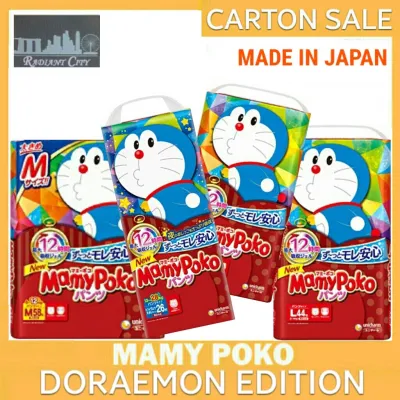
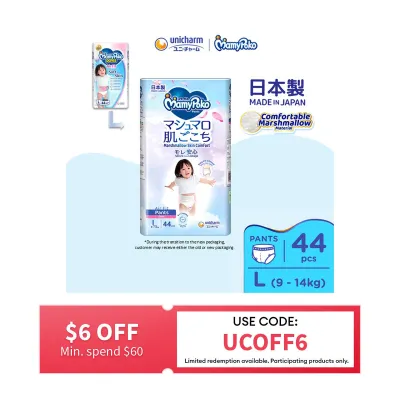
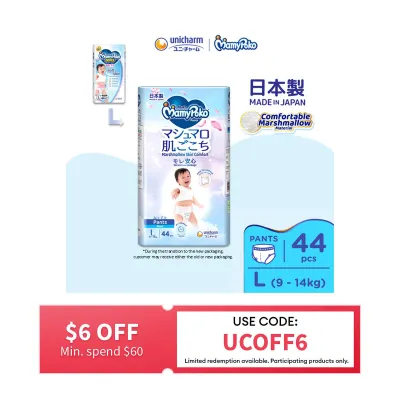
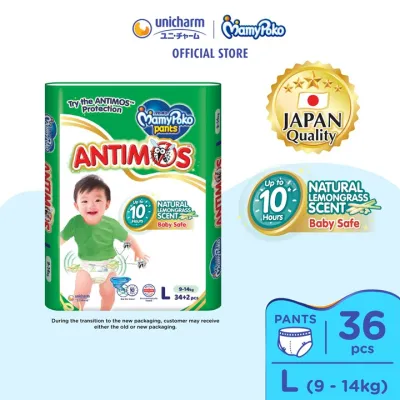
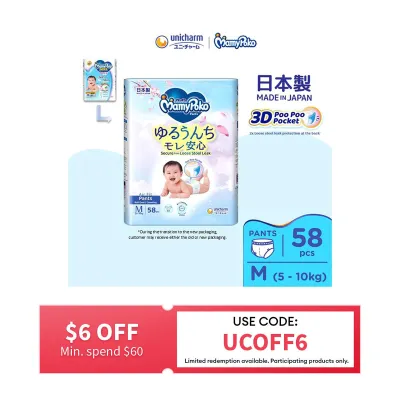
Prices are valid at publication and may change. Please refer to the product page for the latest price.
When selecting a brand, always check the manufacturer’s weight range printed on the packaging. For Size L, this range typically spans from 9 to 14 kilograms, though exact boundaries vary by brand. Because weight ranges overlap significantly between sizes, your toddler’s unique proportions—such as thigh circumference and torso length—will dictate the actual fit.
To ensure the diaper is performing correctly, monitor your toddler for observable signs of a poor fit. Red marks around the thighs or waist indicate that the elastic is too tight, suggesting it is time to size up or switch to a brand with a wider cut. Conversely, gaps between the diaper and the skin around the legs or back are clear indicators that the diaper is too loose, which will inevitably lead to leaks during active play.
Absorbency and Leak Protection Performance
The internal structure of a diaper determines how effectively it manages moisture during long stretches of wear. MamyPoko Pants often utilize a thick, multi-layered absorbent core designed to distribute liquid evenly across the padding. This uniform padding is highly effective at absorbing large volumes of liquid, making it a popular option for overnight use when diaper changes are less frequent.

Pampers pants frequently incorporate specialized channel designs within the core. These channels are engineered to lock wetness away quickly and distribute it longitudinally, preventing the diaper from sagging when full. This lightweight, low-bulk design is highly beneficial during daytime active play, as it allows the toddler to move freely without a heavy mass between their legs.
Huggies pants often feature targeted absorption zones that cater to the different wetting patterns of boys and girls, or a highly absorbent front-to-back core. This structured protection is designed to handle sudden, heavy flows during high-energy activities.
Rather than relying on brand claims, you can perform a simple morning check to evaluate real-world saturation. Feel the outside of the diaper after a full night’s sleep; if it feels damp or cold to the touch, the outer cover may be struggling with breathability under high saturation. Feeling the weight and thickness of the discarded diaper will help you determine if the core is fully saturated or if there is still capacity left, allowing you to adjust your changing schedule accordingly.
Material, Breathability, and Skin Comfort
In Singapore’s tropical climate, diaper breathability is essential for preventing diaper rash and heat irritation. The materials used in the inner lining and outer cover play a major role in how comfortable the diaper feels against your toddler’s skin. MamyPoko generally emphasizes a soft, cotton-like texture on both the inner sheet and the outer waistband to minimize friction during movement.
Pampers often utilizes smooth, synthetic microfibers designed to feel silky and reduce the risk of skin abrasion. Huggies frequently incorporates textured inner liners designed to pull runny messes away from the skin quickly. If you are unsure which texture suits your toddler, try to obtain individual sample packs to physically feel the materials before purchasing a full carton.
Most modern diaper pants include a wetness indicator—a colored line on the outside that changes hue when exposed to moisture. This visual cue helps caregivers identify when a change is needed without having to pull the waistband open. Additionally, look for packaging indicators that specify micro-pores or breathable outer layers, which allow hot air to escape while keeping liquid contained.
Despite advanced materials, friction and trapped moisture can still lead to localized skin irritation. Regularly inspect your toddler’s waistline and groin area for signs of heat rash, redness, or chafing. If persistent irritation or a severe rash occurs, stop using the current diaper brand immediately and consult a pediatrician or qualified healthcare professional for guidance.
Evaluating Value and Cost per Diaper
To manage your household budget effectively, it is helpful to calculate the true cost of diapering rather than looking only at the retail price of a single pack. You can determine the cost per diaper by dividing the total price of the pack in S$ by the number of pants inside. For example, if a pack costs S$22.00 and contains 44 pieces, the cost per diaper is S$0.50.
When comparing brands, keep in mind that absorbency directly impacts overall value. A cheaper diaper that requires changing every two hours may end up costing more over a month than a slightly more expensive, highly absorbent diaper that comfortably lasts four hours. Factor in your daily usage patterns—such as using a premium, highly absorbent diaper for overnight sleep and a more economical option for frequent daytime changes.
To secure the best value, monitor authorized online marketplaces, official brand stores, and local supermarket chains for bulk promotions or carton deals. Buying in bulk often reduces the cost per diaper significantly. However, exercise caution and avoid unverified third-party sellers on online platforms, as counterfeit or poorly stored diapers may compromise hygiene and safety standards.
Decision Framework: Which Brand Fits Your Toddler?
To simplify your selection, consider your toddler’s daily routine, physical build, and skin sensitivity when choosing between these options.
Choose MamyPoko Pants Size L if your toddler is a heavy wetter, requires reliable overnight protection, or has a rounder belly and thighs that benefit from a high-waisted, highly elastic fit.
Choose Pampers pants if your toddler is highly active during the day, has a slender or average build, and requires a lightweight, low-profile diaper that prevents sagging and allows maximum freedom of movement.
Choose Huggies pants if your toddler has sensitive skin that reacts quickly to moisture, or if you prefer a snug, pocketed fit that provides robust containment around the legs and lower back.
Verify first if your toddler has specific skin conditions, allergies, or unusual body proportions that do not align with standard sizing. In these cases, consult a pediatrician to identify potential material sensitivities.
Before committing to a bulk carton purchase, implement a practical trial strategy. Purchase the smallest available pack size or request trial samples of each brand. Test each diaper over a three-to-five-day period under various conditions—such as during naptime, active outdoor play, and overnight—to observe how the fit and absorbency perform on your toddler.
Frequently Asked Questions (FAQ)
When should I transition my toddler from tape diapers to pants in Size L?
The transition from tape diapers to pants is typically driven by your toddler’s physical mobility rather than weight alone. When your toddler begins rolling over, crawling, or standing during diaper changes, securing tape tabs can become extremely challenging. Diaper pants allow you to slip the diaper on quickly while your toddler is standing or moving. While the weight ranges for tape and pants in Size L often overlap, pants offer a more secure, wrap-around fit that accommodates the increased leg movement of active toddlers.
How do I know if MamyPoko Pants Size L is too small for my toddler?
Several physical indicators suggest that your toddler has outgrown Size L. Look for deep red marks or indentations left by the elastic waistband or leg cuffs on your toddler’s skin. If the waistband sits significantly below the belly button, or if you struggle to pull the diaper up fully, the rise is too short. Frequent leaks, especially when the diaper does not seem fully saturated, also indicate that the coverage is insufficient. If you observe these signs, check the manufacturer’s weight guidelines on the packaging and consider transitioning to Size XL.

Community discussion
Share your experience or ask a question. Comments are reviewed before publication.