
Selecting the right overnight diaper is a critical decision for parents seeking to support uninterrupted sleep for their babies. While many brands promise long-lasting dryness, the reality is that no single diaper performs identically for every infant. The effectiveness of MamyPoko Overnight, Huggies, and Pampers depends heavily on individual variables such as your baby’s sleep position, nighttime urine volume, and unique body shape.
Instead of searching for a universal winner, the key is to understand how different diaper designs interact with your baby’s anatomy. A diaper that keeps a back-sleeping baby dry might leak for a baby who sleeps on their stomach or rolls continuously throughout the night. By evaluating the specific structural features of these three popular brands, you can identify the option most likely to provide reliable overnight protection for your household.
What Makes an Overnight Diaper Effective?
To understand why overnight diapers differ from daytime options, it helps to look at their internal and external construction. The primary component of any overnight diaper is its absorbent core, which typically contains a blend of fluff pulp and superabsorbent polymers (SAP). These polymers are designed to lock moisture away from the skin, converting liquid into a gel to prevent re-wetting even when the baby rolls over or sits up.
Products mentioned in this guide
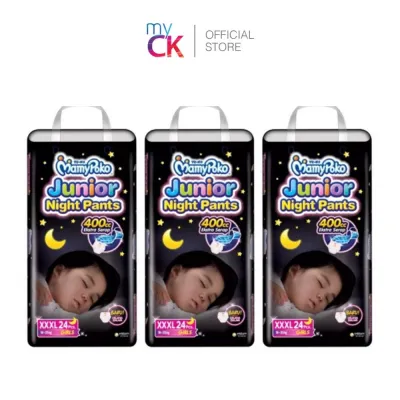


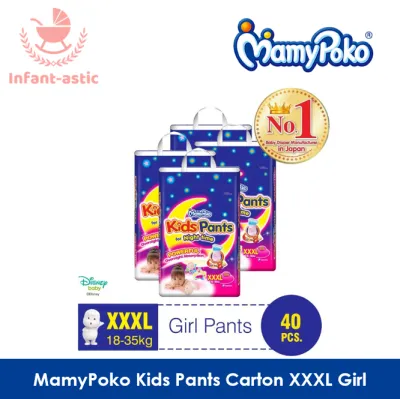
![[1 Carton] MamyPoko Kids Night Pants Girl Size XXL (30s x 3)](https://img.lazcdn.com/g/p/33addd1cd5190e329d5f73df0f575fcb.png_400x400q80.png_.webp)
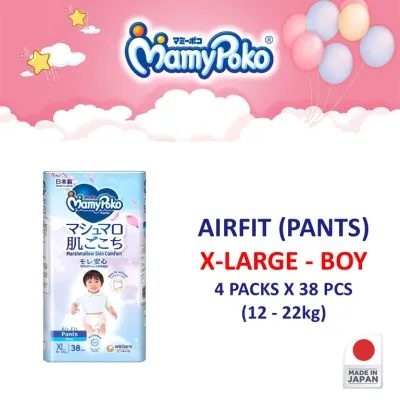
![Mamypoko Airfit Japan Tape & Pants [Carton Sales] - NB to XXL sizes](https://img.lazcdn.com/g/p/26fc31abef8843e7357faf4945c4b78f.jpg_400x400q80.jpg_.webp)

Prices are valid at publication and may change. Please refer to the product page for the latest price.
The distribution of this absorbent material is crucial. Some diapers concentrate the absorbent core toward the front, which can be highly beneficial for boys or stomach sleepers, while others distribute it evenly throughout the pad. When selecting a diaper, parents should check the packaging to see if the core layout aligns with their baby’s primary sleeping posture.
Beyond absorption, physical barriers play an essential role in leak prevention. Double-layered leg cuffs with high elastic barriers help contain liquid during sudden, high-volume releases. These cuffs must fit snugly in the groin creases without cutting into the skin, creating a secure seal that adapts as the baby moves.
The waistband is another critical area, particularly for babies who sleep on their backs. A high, stretchy waistband helps prevent blowouts and leaks from the rear. Additionally, because babies wear overnight diapers for up to twelve hours, the breathability of the outer cover is vital for maintaining skin health and preventing moisture buildup, especially in warm or humid climates.
Finally, wetness indicators are a common feature on many modern diapers. While highly useful during the day, their role overnight is primarily to help parents quickly assess if a diaper change is needed without fully undressing the baby in the dark.
MamyPoko Overnight vs. Huggies and Pampers: Feature Breakdown
When comparing MamyPoko Overnight, Huggies, and Pampers, examining the physical product specifications and packaging details reveals distinct design philosophies. MamyPoko is widely recognized in Singapore for its pants-style diapers, which are often favored for older, more active babies. When reviewing MamyPoko Overnight packaging, look for details regarding their specific absorbent pad layout, which is engineered to handle multiple wettings over extended periods. The thickness of these diapers is often slightly more pronounced than standard daytime versions, reflecting a higher concentration of absorbent materials designed to support long sleep windows.

Huggies overnight variants, including their premium tape and pants options, place a strong emphasis on secure fit and structural barriers. When examining Huggies packaging, pay close attention to the descriptions of their leg guard designs and waistband stretch features. Huggies often incorporates pocketed waistbands or specialized elastic zones designed to catch leaks at the back. Their fit indicators on the fastening tabs can also help parents verify if the diaper is centered and secured with the correct tension.
Pampers overnight variants frequently highlight thinness and advanced core channel technology. Rather than relying on bulkier padding, Pampers designs often utilize channels that distribute liquid evenly across the entire length of the diaper core. This design aims to prevent sagging and clumping, which can cause the diaper to pull away from the baby’s body. When reviewing Pampers packaging, look for information on their material softness claims and specific sizing charts, which may differ slightly from other brands.
Because manufacturers frequently update their diaper designs, materials, and sizing recommendations, it is essential to verify these specifications on the physical packaging or the official brand websites before purchasing in bulk. What worked for a previous child or in a different size may have changed due to product updates.
How to Choose the Right Brand for Your Baby
Selecting the most suitable overnight diaper requires matching your baby’s physical traits and sleep habits to the design strengths of each brand. If your baby prefers a specific pad feel or requires a high-rise fit that covers the lower back and stomach comprehensively, MamyPoko Overnight pants may be a suitable starting point. The pull-up design is also highly practical for toddlers who resist lying down for diaper changes before bed.
For babies who are highly active sleepers, rolling from side to side or tucking their knees up while sleeping, Huggies may offer the necessary structural support. The robust leg barriers and secure waistband stretch are designed to maintain a tight seal despite constant movement, reducing the risk of gaps forming around the thighs or waist.
If your baby has highly sensitive skin or is prone to diaper rash in humid environments, Pampers may be the preferred choice due to their focus on lightweight, breathable materials and even wetness distribution. The channel technology helps keep the wet diaper from clinging directly to the skin, which can minimize irritation over long sleeping hours.
Before making a final decision, always verify if your baby is currently between sizes. Overnight diapers often fit differently than daytime versions because they carry a heavier load. If your baby is near the upper weight limit of their current daytime diaper, it is highly recommended to cross-reference the weight chart on the overnight box and consider sizing up to ensure adequate absorption capacity and a comfortable fit.
Practical Tips to Prevent Overnight Leaks
Even the most advanced overnight diaper can leak if it is not applied correctly. To maximize diaper performance, parents should establish a consistent application routine. First, always ensure that the leg cuffs are fully pulled out and not tucked inward. The outer ruffles of the diaper should flare outward around the thighs to act as an effective barrier against leaks.
When securing tape diapers, adjust the waistband tightness so that you can comfortably fit two fingers between the diaper and your baby’s stomach. This level of tension ensures the diaper remains secure without sagging as it fills, while still allowing the baby to breathe and move comfortably. For pants-style diapers, ensure the waistband is pulled up fully over the hips and sits flat against the skin.
Regularly evaluate whether your baby has outgrown their current diaper size. Common indicators include red marks on the baby’s thighs or waist, frequent morning leaks, or finding the diaper completely saturated and heavy before the baby’s usual waking time. Sizing up is often the simplest and most effective solution to persistent overnight leaks.
If you observe excessive nighttime urination that persists despite proper diaper fit, sizing adjustments, and limiting fluid intake right before bed, it is advisable to consult a pediatrician. They can provide personalized guidance to ensure your baby’s hydration and urinary patterns are healthy and normal.
Frequently Asked Questions (FAQ)
Can I use regular daytime diapers for overnight sleep?
Daytime diapers are designed for shorter wear times and frequent changes, meaning they generally have a lower absorbent core capacity compared to dedicated overnight diapers. While daytime diapers may suffice for younger infants who wake frequently for feeding and are changed during the night, they often fall short for older babies who sleep for longer, uninterrupted stretches. Using a dedicated overnight diaper provides the extra capacity needed to keep skin dry and prevent leaks during extended sleep.
How do I know if I need to size up for overnight diapers?
You may need to size up if you notice red elastic marks on your baby’s thighs or waist, which indicate the diaper is too tight. Frequent morning leaks or a diaper that is completely soaked through before morning are also clear signs that the current size lacks the necessary absorption capacity. Always compare your baby’s current weight against the manufacturer’s sizing chart on the package, keeping in mind that overnight diapers often require sizing up sooner than daytime diapers.
Are overnight diapers safe for babies with sensitive skin?
Overnight diapers are generally safe, but parents should check the packaging for dermatological testing claims, hypoallergenic certifications, or fragrance-free labels to minimize the risk of irritation. Because babies wear these diapers for long periods, monitoring the skin for redness or rashes is essential. If irritation appears, discontinue use of that specific diaper and consult a pediatrician for persistent skin issues rather than relying solely on switching diaper brands.

Community discussion
Share your experience or ask a question. Comments are reviewed before publication.