
Selecting the right diaper in Singapore’s hot and humid climate is a balancing act that directly impacts your baby’s comfort and skin health. High ambient temperatures and elevated humidity accelerate moisture buildup, making the diaper environment highly susceptible to heat retention and skin irritation. Because every baby possesses a unique body shape, activity level, and skin sensitivity, there is no single diaper brand that serves as a universal solution. Instead, finding the ideal option requires a systematic evaluation of how different designs perform under tropical conditions.
To make an informed decision, parents must look beyond marketing claims and observe how a diaper interacts with their baby’s skin during peak heat hours and overnight sleep. By focusing on observable indicators of breathability, absorbency speed, and structural fit, you can identify which design characteristics best suit your child’s needs. This guide provides a practical framework to evaluate three of Singapore’s prominent diaper brands—Huggies, Pampers, and Mamypoko—helping you customize your choice based on real-world performance.
What Makes a Diaper Suitable for Singapore's Tropical Weather?
In a tropical climate like Singapore’s, where relative humidity frequently exceeds 80 percent, a diaper must actively manage the micro-climate within its core. When shopping, parents should look for specific structural indicators of breathability on the packaging, such as micro-pores, dedicated air-flow channels, and breathable outer back sheets. These features are designed to allow warm, moist air to escape while keeping liquid securely contained inside.
Products mentioned in this guide
![[1 Carton] Huggies Dry Comfort Silver Pants X-Large 40 Pcs x 3 Packs (14-18 KG)](https://img.lazcdn.com/g/p/67428ec55ded7b30d9fb8e8ae5dcc292.jpg_400x400q80.jpg_.webp)
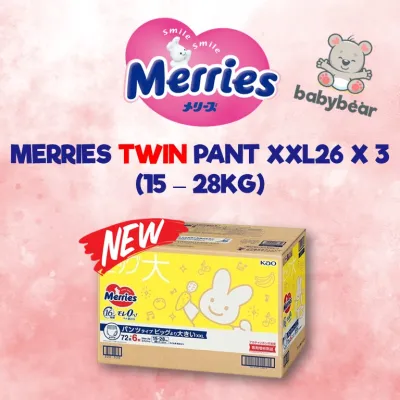
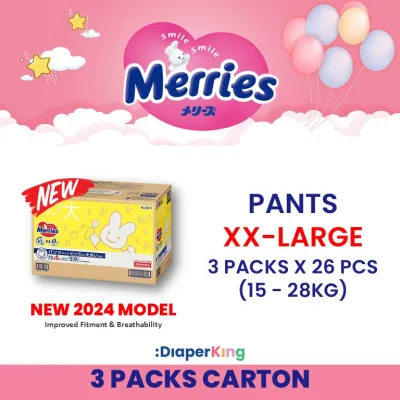
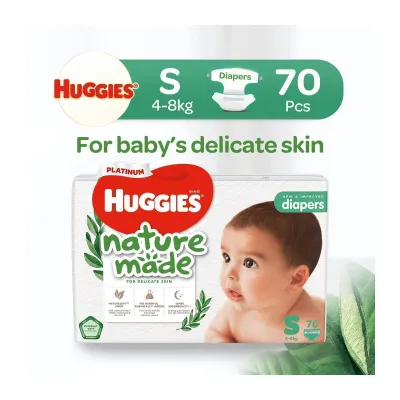
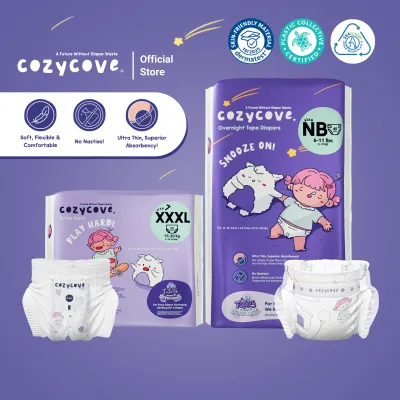
Prices are valid at publication and may change. Please refer to the product page for the latest price.
The balance between absorbency speed and total holding capacity is another critical factor in hot weather. A diaper with high capacity but slow absorption leaves wetness in direct contact with the baby’s skin for too long, which weakens the skin barrier. Conversely, a fast-absorbing core pulls moisture away instantly, keeping the surface dry even during active, sweaty daytime hours.
Leak protection barriers, including elasticized leg cuffs and waistbands, must establish a secure seal without trapping excessive heat. If the elastic materials are too stiff or non-breathable, they can cause localized sweating and chafing along the thighs and waist.
Parents should remain vigilant for observable signs of poor climate suitability. Frequent redness, localized sweating under the waistband, or the sudden appearance of heat rash are clear signals that the current diaper design is trapping too much heat or moisture. Monitoring these physical signs is the most reliable way to assess whether a specific diaper model is compatible with Singapore’s tropical environment.
Evaluating Huggies for Hot and Humid Conditions
When evaluating Huggies diaper lines for Singapore’s climate, parents should start by identifying specific product variants that emphasize skin protection, breathability, or organic materials. Huggies offers several tiers of diapers, and those formulated for sensitive skin often feature specialized liner textures designed to minimize contact points with wetness. Reviewing the packaging for terms indicating high-speed airflow or hypoallergenic properties is a useful starting point, though these claims must always be verified through direct observation of your baby’s skin.

The physical construction of the waistband and leg cuffs on Huggies diapers requires close inspection. In humid weather, damp skin is highly vulnerable to mechanical friction. Parents should physically feel the elastic gathers to ensure they are soft, highly flexible, and covered in a breathable fabric rather than a plastic-like film. A well-designed waistband should stretch easily to accommodate abdominal expansion after feeding without leaving deep, red indentation marks on the baby’s skin.
Another key observation point is the behavior of the diaper’s absorbent core when fully saturated. During active daytime play, some diaper cores tend to bunch up or sag significantly between the legs once wet. A sagging diaper not only restricts natural movement but also pulls the protective leg cuffs out of alignment, creating gaps that lead to leaks. When testing Huggies, observe whether the core maintains its structural integrity and distributes liquid evenly, or if it concentrates weight in a single area, causing the diaper to drag downward and trap heat in the lower groin.
Evaluating Pampers for Hot and Humid Conditions
Pampers is widely recognized for its focus on thin, lightweight diaper designs, which can be highly advantageous in Singapore’s warm climate. When assessing Pampers product lines, parents should examine manufacturer claims regarding specific airflow technologies, such as integrated air channels or breathable top sheets. Many Pampers variants also feature prominent wetness indicators—color-changing strips on the exterior of the diaper—which can help caregivers perform timely changes before moisture has a chance to irritate the skin.
The thinness and flexibility of the absorbent core are central to how Pampers manages heat. A thinner diaper generally allows for better heat dissipation compared to bulkier, heavily padded alternatives, making it a popular choice for daytime wear when temperatures peak. However, parents must verify that this thin profile does not compromise the diaper’s overall absorption capacity, especially during long overnight stretches when frequent changes are less practical.
Because Pampers diapers often utilize specific lotions, fragrances, or adhesives within their inner linings to maintain softness, close skin monitoring is essential. In a hot and humid environment, sweat can interact with these added components, potentially triggering localized allergic reactions or contact dermatitis in babies with highly sensitive skin. If you notice persistent redness or irritation that aligns precisely with the diaper’s adhesive zones or scented areas, it may indicate a sensitivity to these specific materials under humid conditions.
Evaluating Mamypoko for Hot and Humid Conditions
Mamypoko diapers are often characterized by their robust construction and generous sizing, making them a frequent choice for overnight use or for highly active toddlers. When evaluating Mamypoko for tropical suitability, parents should closely examine the texture of the inner surface sheet. Look for designs that incorporate raised ridges or deep pocket textures, which are intended to trap loose stool and keep liquid away from the skin, reducing the surface area of wetness in direct contact with the baby’s bottom.
The brand’s signature stretchable gathers around the waist and thighs are particularly relevant for active babies in warm weather. These gathers are designed to distribute pressure evenly across a wider surface area, which can help prevent the localized chafing often caused by thin, tight elastic bands. Parents should verify how quickly the inner surface feels dry to the touch after the baby urinates, as rapid dryness retention is crucial for preventing skin maceration in high-humidity environments.
However, the overall bulkiness of some Mamypoko variants must be carefully weighed against their high absorbency. A thicker, more heavily padded diaper can act as an insulator, trapping body heat and sweat during sleep or intense physical activity. Caregivers should observe whether the baby’s lower back and groin area feel excessively warm or damp when removing a saturated diaper, as this can indicate that the diaper’s thickness is hindering effective heat dissipation.
Side-by-Side Comparison and Decision Framework
To help you navigate these choices systematically, the following blank comparison matrix template allows you to record your own real-world observations over a trial period of three to five days per brand.
| Evaluation Criteria | Brand A (Huggies) | Brand B (Pampers) | Brand C (Mamypoko) |
|---|---|---|---|
| Fit & Waistband Flexibility | [Observe red marks/gaps] | [Observe red marks/gaps] | [Observe red marks/gaps] |
| Surface Dryness (Post-Wet) | [Touch-test inner lining] | [Touch-test inner lining] | [Touch-test inner lining] |
| Core Sagging & Bulkiness | [Check during active play] | [Check during active play] | [Check during active play] |
| Skin Reaction (Redness/Rash) | [Monitor sweat zones] | [Monitor sweat zones] | [Monitor sweat zones] |
When interpreting your observations, you can use the following conditional framework to guide your final selection:
- Choose Huggies if your baby has a body shape that benefits from a highly structured, secure waistband fit, or if you prefer to utilize their specific product lines tailored for ultra-sensitive skin that prioritize organic or hypoallergenic materials.
- Choose Pampers if you prioritize a highly flexible, ultra-thin diaper profile that minimizes bulk during hot daytime hours, and you rely on clear, highly visible wetness indicators to prompt immediate diaper changes.
- Choose Mamypoko if your baby is highly active, has rounder thighs that require wide, pressure-distributing stretchable gathers, or if you require a high-capacity diaper designed to handle heavy wetting during long overnight sleep.
- Verify first if your baby has an existing skin condition, such as eczema or severe diaper dermatitis. In these cases, always consult a qualified pediatrician for a personalized recommendation before switching brands or introducing new diaper materials.
Practical Tips for Preventing Diaper Rash in Humid Weather
Regardless of the diaper brand you select, maintaining a rigorous skin hygiene routine is the most effective way to prevent diaper rash in Singapore’s humid climate. Caregivers should establish a frequent changing schedule, ideally every two to three hours during the day, or immediately upon detecting soil. Prolonged exposure to urine and stool breaks down the skin’s natural protective barrier, a process that occurs much faster in warm, humid conditions.
When performing a diaper change, ensure the baby’s skin is completely clean, dry, and cool before securing a new diaper. Avoid rushing the process; allowing a few minutes of “air time” without a diaper lets trapped moisture evaporate naturally. If using wet wipes, opt for alcohol-free, fragrance-free varieties, or use a soft cloth with lukewarm water to avoid stripping the skin of its natural oils.
Apply a thin layer of zinc oxide-based barrier cream or petroleum jelly according to pediatric guidelines to shield the skin from moisture. If you observe persistent redness, skin peeling, or pustules that do not improve within two to three days despite frequent changes, stop using the current diaper brand immediately and consult a healthcare professional for proper diagnosis and treatment.
Frequently Asked Questions (FAQ)
How can I test a diaper's breathability and absorbency at home?
To safely evaluate a diaper’s performance at home, pour a measured amount of warm water (approximately 100 to 150 milliliters to simulate a typical infant void) onto the center of the diaper. Observe how quickly the liquid disappears into the core, and touch the surface with a dry paper towel after 60 seconds to check for wetness transfer. To assess breathability, you can place the diaper over a cup of hot water and hold a clear glass upside down over the outer back sheet; if condensation forms inside the glass, it indicates that water vapor is successfully passing through the diaper’s breathable outer layer. However, keep in mind that these home tests are indicators only and do not replace the necessity of monitoring your baby’s actual skin reaction over several days of continuous wear.
Should I size up in humid weather to improve airflow?
Sizing up a diaper solely to increase airflow in humid weather is generally not recommended, as a proper fit is essential for the diaper’s protective barriers to function correctly. If a diaper is too large, the elastic leg cuffs and waistband will not seal flush against the baby’s skin, creating gaps that inevitably lead to leaks and messy blowouts. Instead of sizing up, parents should strictly follow the manufacturer’s weight and size guidelines, ensuring the diaper fits snugly but comfortably. To improve airflow, focus on selecting diaper variants specifically labeled as breathable or lightweight within your baby’s correct size range, rather than compromising the structural fit of the diaper.
Community discussion
Share your experience or ask a question. Comments are reviewed before publication.