
The “best” diaper depends entirely on your child’s body shape, activity level, and skin sensitivity. MamyPoko Kids Pants often appeals to parents of active toddlers due to its stretchy, underwear-like waistband design, while Pampers and Huggies may offer specialized sub-lines for overnight use or sensitive skin, and Drypers frequently provides competitive bulk pricing. Since performance varies by individual child, use this guide to compare structural features, calculate true value, and run a structured trial to find the right fit for your little one.
Selecting the right diaper involves balancing comfort, leak protection, and household budget. In Singapore’s warm and humid climate, factors like breathability and fit become even more critical to prevent skin irritation and heat rash. By understanding the physical design differences between these major brands, you can make an informed choice that keeps your child dry and comfortable throughout the day and night.
Key Comparison Metrics for Toddler Diapers
When comparing toddler diapers, parents should look beyond brand names and focus on specific physical and structural design elements. The first critical factor is fit and flexibility. To evaluate this, examine the waistband stretch and leg cuff elasticity on the packaging or during a physical check. A high-quality pants diaper should stretch smoothly to accommodate a toddler’s expanding tummy after meals, yet retract gently to prevent slipping. The leg cuffs should feature double-layered elastic barriers that wrap snugly around the thighs without digging into the skin.
Products mentioned in this guide
![Mamypoko Kids Pants Premium Baby Diapers [GIRL] XXL30 (1 Pack) (15 - 25kg)](https://img.lazcdn.com/g/p/121a77c320c9994153c2c6927c7beb3e.jpg_400x400q80.jpg_.webp)
![Mamypoko Standard Pants [Carton Sales] - M to XXL Sizes](https://img.lazcdn.com/g/p/4abd1e406e814adc9dd4f00c1ccbbb58.jpg_400x400q80.jpg_.webp)
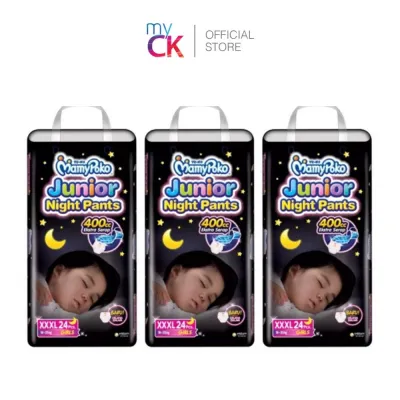
![[1 Carton] MamyPoko Kids Night Pants Girl Size XXL (30s x 3)](https://img.lazcdn.com/g/p/33addd1cd5190e329d5f73df0f575fcb.png_400x400q80.png_.webp)
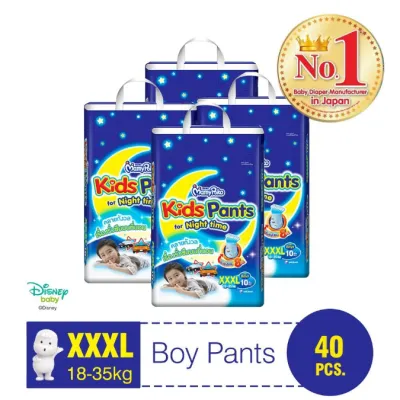
![[1 Carton] MamyPoko Kids Night Pants Girl Size XXXL (10s x 4)](https://img.lazcdn.com/g/p/5cd1d51f3f38022473905b5d9ef8cdf2.png_400x400q80.png_.webp)
![MamyPoko Extra Dry Pants Boy Baby Diapers XXXL 14pcs x 4 Packs(18 - 35kg) [Carton]](https://img.lazcdn.com/g/p/0989817a6f4fb2141d016acfea4aedb4.jpg_400x400q80.jpg_.webp)
Prices are valid at publication and may change. Please refer to the product page for the latest price.
Absorbency indicators are another vital metric to assess. Look for details on the packaging regarding core distribution channels, which help distribute liquid evenly to prevent sagging and heavy pooling in one spot. Some brands include a wetness indicator—a external line that changes color when wet—which is highly convenient for quick checks. Additionally, verify whether the manufacturer designates the specific product line for overnight use, which typically features a denser absorbent core, or daytime use, which prioritizes a lighter, slimmer profile.
Skin contact materials require careful verification, especially if your child has sensitive skin. Check the product labels to confirm breathability claims, such as the presence of micro-pores in the outer cover that allow heat and moisture to escape. Parents should also inspect the packaging for fragrance-free or lotion-free formulations. If your child is prone to diaper rash, avoiding added fragrances and checking for hypoallergenic labels can help minimize the risk of contact dermatitis.
Evaluating MamyPoko Kids Pants
MamyPoko Kids Pants are designed with a primary focus on active, moving toddlers who are transitioning into toilet training. The standout design characteristic of this brand is its highly elastic, underwear-like waistband. This design allows toddlers to easily pull the pants up and down themselves, fostering independence while ensuring a secure fit that moves with their body during active play.

During a trial period with MamyPoko Kids Pants, parents should use a simple observation checklist to evaluate the fit. After your child has been running or playing for an hour, gently pull back the waistband and leg cuffs to check for deep red marks on the thighs or waist. These marks indicate that the elastic is too tight or the cut is too small for your child’s current build. Additionally, assess the leak protection around the leg cuffs after active play or a long nap to ensure the barriers remained upright and effective.
It is also important to perform a variant verification before purchasing in bulk. MamyPoko offers several distinct product lines, such as their standard pants, extra dry variants, and premium soft lines. Because the absorbency capacity, material softness, and overall thickness differ significantly between these sub-types, ensure you are trialing the specific variant that matches your child’s daily needs and skin sensitivity.
How Major Alternatives Typically Differ
While MamyPoko focuses heavily on an active, elastic fit, major competitors in the Singapore market differentiate themselves through alternative design philosophies. These differences typically manifest in specialized padding technologies, unique waistband structures, or bulk-oriented pricing models designed for budget-conscious households.
Pampers and Huggies: Premium Features and Fit
When comparing MamyPoko against Pampers, the most noticeable difference is often the overall profile of the diaper. Pampers diapers typically feature a slimmer, more contoured cut. This slim design can feel less bulky under tight-fitting toddler clothing and allows for highly natural leg movement. When evaluating Pampers, check the packaging for their specific wetness indicator designs and look for their specialized sensitive skin lines, which are often formulated without added lotions or fragrances to protect delicate skin.
In contrast, Huggies often emphasizes robust protection with a slightly thicker, more cushioned padding structure. A key feature to look for on Huggies packaging is their pocketed waistband design, which is specifically engineered to contain runny messes at the back and prevent blowouts. When assessing Huggies pants, check the manufacturer’s labels for specific overnight absorbency claims, as their heavy-duty cores are frequently favored by parents looking for reliable, long-lasting protection during sleep.
Drypers and Value Brands: Bulk and Basic Absorbency
Value-oriented brands like Drypers focus primarily on cost-efficiency and straightforward, functional designs. When evaluating these brands, start by comparing the pack structures. Value brands often offer larger bulk pack counts, which can significantly lower the cost per diaper. However, parents should closely examine the basic core construction, which may use a more traditional pulp padding rather than advanced absorbent channels.
Using value-tier diapers often involves specific trade-offs that parents must observe during daily use. The outer covers may feel slightly less breathable, and the padding can be thicker and stiffer compared to premium alternatives. Because the core may not distribute wetness as quickly, you might observe sagging or surface dampness sooner. To prevent leaks and maintain skin health, you may need to increase the frequency of diaper changes, which is an important factor to consider when calculating overall value.
Assessing Value: Price-Per-Piece and Pack Sizes
To accurately compare the cost of MamyPoko Kids Pants against other brands, parents should avoid comparing total pack prices directly. Because pack sizes and diaper counts vary widely across brands and sizes, the most reliable method is to calculate the true price-per-piece. To do this, divide the total package price by the exact number of diapers inside. For example, if a pack costs S$24.00 and contains 40 pants, the price-per-piece is S$0.60. Keeping track of this unit price allows you to make fair comparisons.
Smart shopping requires monitoring different retail channels to find the best deals. Compare unit prices across official brand stores, local supermarkets, and major online marketplaces. Prices can fluctuate significantly during promotional periods, baby fairs, or when purchasing in carton quantities. Buying in bulk can offer substantial savings, but it is wise to only purchase cartons after you have successfully trialed a smaller pack on your child.
Finally, factor your child’s daily usage rate into the overall value equation. A cheaper diaper that requires six changes a day due to minor leaks or poor breathability may end up costing more over a month than a premium diaper that keeps your child dry with only four changes. Keep a simple log for a few days to track how many diapers of each brand you actually use, allowing you to calculate the true daily cost of diapering.
Decision Framework: Choosing the Right Fit for Your Child
To find the ideal diaper for your household, match your child’s physical needs and your budget to the specific strengths of each brand:
- Choose MamyPoko Kids Pants if your child is highly active, currently toilet training, and requires a highly flexible, underwear-like waistband that stretches easily to accommodate movement and self-dressing.
- Choose Pampers or Huggies if your child has highly sensitive skin, requires an ultra-slim profile under clothing, or needs specialized features like a pocketed waistband to prevent back leaks and dedicated overnight absorbency.
- Choose Drypers or other value brands if you are managing a strict household budget, prefer buying in bulk, and your child does not experience frequent heavy leaks or skin sensitivities.
Regardless of any brand’s hypoallergenic or dermatological claims, skin reactions can occur due to individual sensitivities, friction, or trapped moisture. Always stop use immediately and consult a qualified pediatrician if your child develops a persistent, severe, or worsening diaper rash.
Frequently Asked Questions (FAQ)
When should I switch from tape diapers to pants?
You should consider switching to pants diapers when your child becomes highly active during diaper changes. Common behavioral signals include rolling away, crawling, or standing up while you are trying to secure tape tabs. Pants diapers can be quickly pulled up while the child is standing, making changes much easier during active developmental stages.
How do I know if the diaper size is too small?
Signs that a diaper is too small include deep red marks or indentations left on your child’s thighs or waist after wear. You may also notice frequent leaks around the leg cuffs, or find that the waistband sits too low on the belly rather than covering the hips securely. If you experience these issues consistently, it is generally time to transition to the next size up.

Community discussion
Share your experience or ask a question. Comments are reviewed before publication.