
Selecting the ideal diaper to safeguard your baby’s skin requires balancing material design, fit, and individual skin sensitivity. While many parents compare specialized options like MamyPoko Antimos against household names like Merries and Pampers, there is no universal winner that guarantees absolute rash prevention. A diaper’s performance is highly conditional, relying on how its specific features interact with your baby’s unique skin type, body shape, and daily care routine. To find the right match, caregivers must evaluate the structural features of each brand, monitor for potential contact sensitivities, and maintain consistent hygiene habits.
In tropical climates like Singapore, where high humidity and heat can exacerbate diaper rash, choosing a diaper involves understanding how moisture, airflow, and friction interact. Specialized lines like MamyPoko Antimos introduce unique botanical elements designed for outdoor protection, while Merries and Pampers focus heavily on breathability and structured absorption. By examining these distinct design philosophies, you can make an informed, conditional choice that prioritizes your baby’s comfort and skin integrity.
Understanding What Protects Your Baby's Skin
To prevent diaper rash, a diaper must manage three primary environmental factors: moisture, heat, and friction. When urine and stool remain in contact with delicate skin, they break down the skin’s natural protective barrier. This exposure increases the skin’s pH level, making it highly susceptible to irritation from ammonia and digestive enzymes. A high-performing diaper must quickly draw wetness away from the surface and lock it deep within an absorbent core to minimize this contact.
Products mentioned in this guide
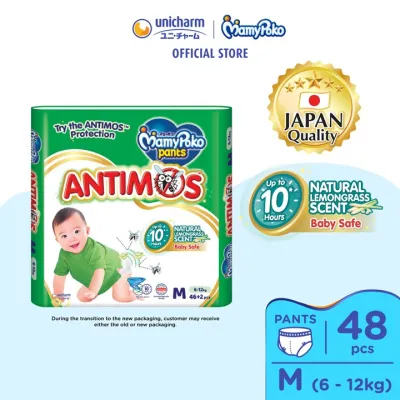
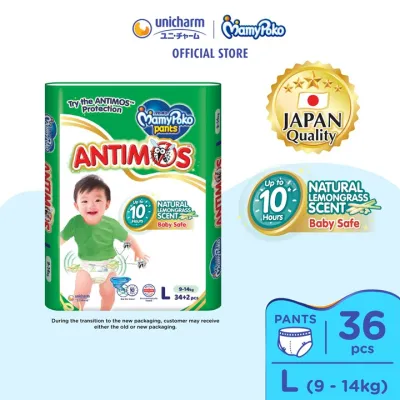
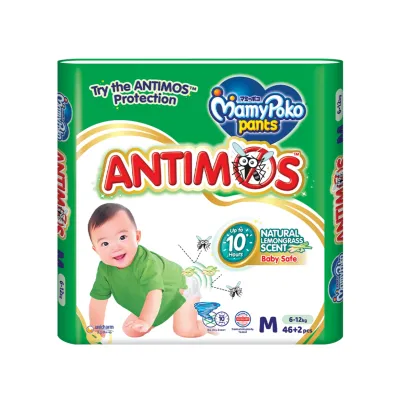
Prices are valid at publication and may change. Please refer to the product page for the latest price.
Breathability is equally critical, especially in warm, humid environments. Without adequate air circulation, heat and humidity build up inside the diaper, creating a warm, damp environment where yeast and bacteria thrive. Effective airflow helps keep the skin dry and cool, reducing the risk of heat rash and moisture-induced irritation.
Finally, surface friction plays a major role in skin health. As your baby moves, the diaper’s top sheet rubs against their skin. If the material is rough or if the diaper fits poorly, this friction can cause micro-tears in the skin barrier, leading to chafing and redness. Soft, smooth materials that minimize contact points help preserve the skin’s natural defenses.
Comparing Core Features: MamyPoko Antimos, Merries, and Pampers
When evaluating MamyPoko Antimos, caregivers should carefully inspect the product packaging for details regarding its specialized features. This variant is designed with integrated botanical extracts, such as lemongrass or citronella fragrance, aimed at repelling mosquitoes. While this feature is highly practical for outdoor activities, parents must verify whether their baby’s skin can tolerate these aromatic additives. Plant extracts and added fragrances can sometimes trigger contact dermatitis or allergic reactions in infants with highly sensitive skin or pre-existing eczema.

Merries diapers are widely recognized for their focus on breathability and surface texture. The brand typically utilizes an “air-through” channel design and a dimpled, wavy top sheet. This structure is designed to minimize direct skin contact with the diaper surface, allowing air to flow freely underneath the baby’s bottom. By creating small pockets of space, the design aims to trap soft stool and quickly channel wetness away, keeping the skin surface dry and reducing the likelihood of heat-related irritation.
Pampers takes a highly structured approach to moisture management, often featuring specialized absorbent channels that distribute wetness evenly across the core. This design helps prevent the diaper from sagging or clumping when full, which can otherwise concentrate moisture in one area. Many Pampers variants also include a wetness indicator strip that changes color when wet, helping caregivers time their changes accurately. Additionally, some lines feature a mild lotion or a pH-balancing layer on the top sheet to help neutralize the alkaline effects of urine and stool.
Because diaper manufacturers frequently update their formulations, material compositions, and structural designs, it is essential to verify these details on the physical packaging before purchasing. Check the ingredient list for any potential allergens, and look for specific labels indicating fragrance-free or hypoallergenic properties if your baby has reactive skin.
Why Fit and Sizing Matter Just as Much as Material
Even the most advanced diaper material cannot prevent rashes if the fit is incorrect. An improperly sized diaper can cause mechanical friction, leading to painful chafing and broken skin. When a diaper is too tight, the waistbands and leg cuffs press deeply into the baby’s skin, trapping moisture and sweat against the body. Conversely, a diaper that is too loose will sag, causing the material to rub excessively against the skin as the baby moves, while also increasing the risk of leaks.
To ensure a proper fit, caregivers should regularly check the leg cuffs and waistband. The leg cuffs should be gently flared outward, forming a secure seal around the thighs without leaving deep red indentations or marks. You should be able to slide two fingers comfortably under the waistband. If you notice persistent red lines around your baby’s waist or thighs, or if the diaper frequently leaks despite not being fully saturated, these are clear signs that it is time to size up.
Each of the three brands features a distinct cut and level of elasticity, making them suitable for different baby body types. For instance, some brands offer a wider, more generous cut that accommodates rounder babies, while others feature a slimmer, more contoured shape with highly elastic side tabs. If your baby experiences recurring friction rubs along the hips or thighs, switching to a brand with a different structural cut can often resolve the issue without needing to change your entire skincare routine.
How to Choose the Right Diaper for Your Baby
Choosing between MamyPoko Antimos, Merries, and Pampers requires a conditional decision framework based on your baby’s specific environment, skin sensitivity, and daily activities. No single diaper is ideal for every scenario, so parents should match the diaper’s primary features to their immediate needs. When budgeting for daily diapering needs, compare the cost per piece in S$ at local retailers, as specialized variants often carry a premium over standard bulk packaging.
Consider MamyPoko Antimos if you frequently take your baby outdoors, live in an area with high mosquito activity, and have verified that your baby’s skin does not react negatively to botanical fragrances. This diaper serves as a practical, dual-purpose option for outdoor play, provided your baby has previously tolerated the aromatic ingredients without showing signs of redness or irritation.
Opt for Merries if your baby has highly sensitive skin that is prone to heat rash, eczema, or moisture irritation. The brand’s emphasis on a soft, dimpled texture and high breathability makes it well-suited for babies who require minimal surface friction and maximum airflow to keep their skin dry and cool during sleep or humid days.
Select Pampers if your primary goal is high-capacity absorption and a structured, secure fit for active babies or overnight wear. The even distribution of wetness and reliable wetness indicators make this brand highly practical for longer intervals between changes, helping to prevent sagging and localized moisture buildup.
If your baby exhibits persistent redness, swelling, or allergic reactions regardless of the brand you try, none of these options may be suitable. In such cases, you should immediately switch to a completely fragrance-free, hypoallergenic diaper line designed specifically for ultra-sensitive skin, and consult a qualified healthcare professional to identify the underlying cause of the irritation.
Daily Care Habits to Prevent and Manage Diaper Rash
While selecting a high-quality diaper is important, daily care habits are the true foundation of diaper rash prevention. Even the most absorbent diaper cannot protect skin if it is left on for too long. Caregivers should establish a frequent changing routine, checking the diaper every two to three hours, or immediately after every bowel movement. After cleaning, it is crucial to let the baby’s skin air-dry completely before putting on a new diaper, as trapping residual moisture inside a fresh diaper can quickly lead to irritation.
When cleaning the diaper area, use gentle methods to avoid stripping the skin’s natural oils. Clean water and a soft cloth are ideal, but if you use disposable wipes, ensure they are fragrance-free and alcohol-free. Avoid rubbing the skin vigorously; instead, gently pat the area dry. Applying a thin layer of a zinc oxide-based or petroleum-based barrier cream during changes can help shield the skin from moisture and digestive enzymes.
Parents must monitor the diaper area closely for signs that require professional medical attention. If you observe broken skin, bleeding, pus, blistering, or a bright red rash with small “satellite” spots that does not improve after a few days of careful management, stop using your current diaper and skincare products immediately. These symptoms can indicate a secondary bacterial or fungal infection, which requires a proper diagnosis and targeted treatment from a pediatrician.
Frequently Asked Questions (FAQ)
Is MamyPoko Antimos safe for newborn skin?
Newborn skin is exceptionally thin and highly permeable, making it more vulnerable to external irritants. Before using MamyPoko Antimos on a newborn, caregivers must carefully check the product packaging to verify the recommended weight range and age suitability. Because this specific diaper contains botanical extracts or aromatic additives designed to repel insects, you should monitor your newborn’s skin very closely for any signs of redness, dryness, or irritation. For premature infants or newborns with highly reactive skin, it is best to stick to fragrance-free, hypoallergenic diapers and consult your pediatrician before introducing products with active botanical ingredients.
How do I know if the diaper is causing the rash?
To determine if a diaper is the source of irritation, observe the exact location of the rash. If the redness is concentrated along the friction points—such as the waistband, side tabs, or leg cuffs—while the skin inside the creases remains clear, the rash is likely caused by mechanical chafing or an improper fit. However, if the rash covers the entire wetness zone or if you notice a sudden reaction after switching brands, it may be a contact response to the diaper’s materials or fragrances. Be sure to rule out other variables, such as new baby wipes, laundry detergents, or barrier creams, and note if the skin’s condition improves during supervised diaper-free periods.

Community discussion
Share your experience or ask a question. Comments are reviewed before publication.