
Finding the right diaper for an active toddler is a balancing act between reliable leak protection, skin comfort, and overall value. In Singapore’s warm and humid climate, these factors become even more critical, as trapped heat and moisture can quickly lead to skin irritation. MamyPoko Air Fit XXL is a popular choice among local parents, but determining whether it is the right fit for your child requires comparing its physical design, absorbency, and structural flexibility against other leading brands in the market.
Rather than relying solely on brand promises, parents can make an informed decision by understanding how to evaluate these diapers under real-world conditions. By observing how a diaper performs during active daytime play and long overnight stretches, you can identify the specific features that match your toddler’s unique build and activity level. This guide provides a practical framework for comparing MamyPoko Air Fit XXL with other popular toddler diapers, helping you optimize both comfort for your child and value for your household budget.
Understanding MamyPoko Air Fit XXL Specifications
Before comparing MamyPoko Air Fit XXL to other brands, it is essential to verify its official specifications and design intentions. The XXL size is typically designed for older toddlers who are walking, running, and transitioning toward toilet training. Parents should first check the manufacturer’s packaging to confirm the recommended weight range, which generally accommodates toddlers from approximately 15 to 25 kilograms. However, because children have different body shapes—some being taller and leaner, others having rounder bellies or thicker thighs—weight ranges should only serve as a starting point.
Products mentioned in this guide
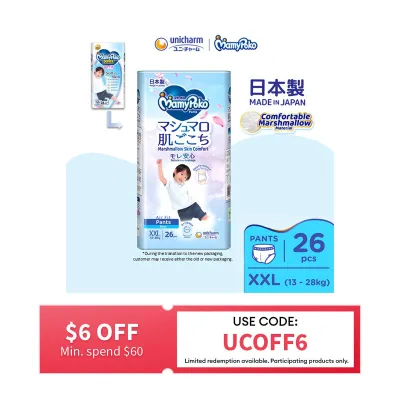
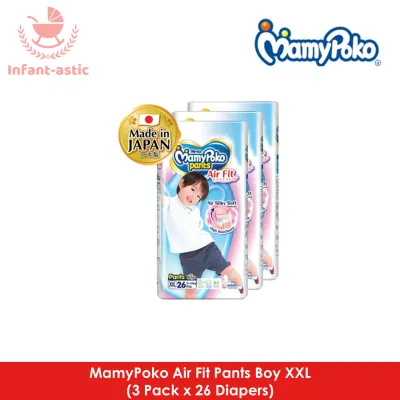
![MamyPoko Air Fit Marshmallow Pants Super Premium Baby Diapers [GIRL] XXL26 (3 Packs) (13 - 28kg)](https://img.lazcdn.com/g/p/9e635e643a164e1d30d3f2a97fbf7113.jpg_400x400q80.jpg_.webp)
![MamyPoko Air Fit Marshmallow Pants Super Premium Baby Diapers [BOY] XXL26 (3 Packs) (13 - 28kg)](https://img.lazcdn.com/g/p/70fae47b949b514995f5835a013094c1.jpg_400x400q80.jpg_.webp)
![MamyPoko Air Fit Marshmallow Pants Super Premium Baby Diapers [BOY] XXL26 (1Pack) (13 - 28kg)](https://img.lazcdn.com/g/p/f9ff53b584c309d883e8187e7e545163.jpg_400x400q80.jpg_.webp)
![MamyPoko Air Fit Marshmallow Pants Super Premium Baby Diapers [GIRL] XXL26 (1Pack) (13 - 28kg)](https://img.lazcdn.com/g/p/d0b52013b9364dfb9d4b00bbb3d3109f.jpg_400x400q80.jpg_.webp)
Prices are valid at publication and may change. Please refer to the product page for the latest price.
The “Air Fit” designation on the packaging points to specific structural features intended to enhance comfort and reduce skin friction. When examining the diaper, look for the soft, stretchable waistband and the curved fit design, which is engineered to follow the natural contours of an active toddler’s body. The material thickness is another key specification to observe; a thinner profile can offer better freedom of movement, provided the absorbent core is efficient enough to handle larger volumes of liquid.
Unlike diapers designed for infants, XXL sizes are predominantly structured as pull-up pants rather than tape diapers. This design supports the independence of active toddlers who may resist lying down for changes, and it simplifies the transition to potty training. The pull-up structure relies heavily on the elasticity of the side panels and waistband to stay secure without sagging, making the quality of the elastic materials a primary factor in the diaper’s overall performance.
Observable Metrics for Comparing Diaper Performance
Evaluating diaper performance does not require laboratory testing; instead, parents can rely on systematic, at-home observations during daily routines. Because every toddler has a unique physiology, sleeping position, and activity level, a diaper that works perfectly for one child might leak on another. By establishing a simple set of observational metrics, you can objectively compare MamyPoko Air Fit XXL with other popular brands available in Singapore.

Observational testing should cover both high-activity daytime wear and extended overnight sleep. During the day, the focus is on flexibility, secure fit, and breathability as the toddler moves. At night, the priority shifts to maximum absorbency and leak prevention over several hours. Keeping track of these observations over a few days of consecutive use with different brands will reveal clear patterns in performance and comfort.
Evaluating Absorbency and Leak Protection
To compare the absorbency of MamyPoko Air Fit XXL against other brands, start by monitoring the surface dryness of the diaper’s inner lining during routine changes. After your toddler has worn the diaper for a typical three- to four-hour period, gently touch the inner core with a dry tissue. A high-performing diaper will lock moisture away deep inside the core, leaving the surface dry to the touch and minimizing the risk of diaper rash.
Overnight performance is the ultimate test of a diaper’s capacity and leak protection. Observe where leaks occur, if any, and note your toddler’s sleeping position. For example, front-sleepers often require more absorbent material toward the front of the diaper, while back-sleepers need even distribution throughout the core. Check the leg cuffs and the back waistband immediately upon waking to see if the elastic barriers have successfully contained the liquid or if moisture has seeped onto the pajamas.
Additionally, compare the physical behavior of the absorbent core when wet. Some diaper brands use a traditional pulp-based core that swells significantly and can become clumpy or sag between the toddler’s legs, potentially restricting movement. Other modern designs utilize superabsorbent polymers or channeled cores that distribute liquid evenly, maintaining a flatter profile even when fully saturated. Observing how the MamyPoko core distributes wetness compared to its competitors will help you determine which structure keeps your toddler more comfortable.
Checking Breathability and Skin Comfort
In Singapore’s tropical climate, heat and humidity are constantly trapped inside a toddler’s diaper. To assess breathability, inspect your toddler’s skin immediately after removing a wet or soiled diaper. Look for localized redness, heat rash, or excessive sweating around the waistband and leg gathers. If the skin feels unusually hot or damp, it suggests that the diaper’s outer cover is not allowing sufficient air circulation.
You can also perform a simple physical check of the diaper’s outer cover during use. A highly breathable diaper will often feel slightly cool or clammy on the outside when wet; this is actually a positive sign, indicating that moisture vapor is successfully escaping through the microporous outer layer. If the outside of the diaper remains completely dry and warm while the inside is highly humid, the material may be trapping heat.
Finally, review the packaging labels of MamyPoko and competing brands for information regarding materials, lotions, or fragrances. Some brands incorporate botanical extracts, organic cotton, or specific textured linings designed to minimize friction against sensitive skin. If your toddler is prone to eczema or contact dermatitis, choosing a diaper with a fragrance-free, hypoallergenic label is a critical step in maintaining skin health.
Assessing Fit, Flexibility, and Sizing
A diaper’s fit directly influences both its leak protection and the toddler’s physical comfort. After removing your toddler’s diaper, carefully inspect their thighs, hips, and lower back. Red marks or deep indentations left by the elastic bands indicate that the diaper is too tight, even if the toddler’s weight falls within the manufacturer’s recommended range. Conversely, gaps between the leg cuffs and the skin suggest that the fit is too loose, which will inevitably lead to leaks.
Observe your toddler during active play, such as climbing, squatting, or running. A well-fitting XXL diaper should stay securely in place around the waist without sliding down or bunching up at the crotch. The waistband should stretch easily to accommodate a full belly after meals and contract gently when the toddler stands or sits, maintaining a consistent seal without causing discomfort.
When comparing MamyPoko XXL to other brands, physically align the unused diapers side-by-side. Compare the height of the rise (the distance from the crotch to the top of the waistband), the width of the crotch area, and the height of the double leg gathers. You will find that some brands favor a taller, narrower cut, which suits leaner toddlers, while others offer a wider, more generous seat that accommodates rounder builds.
Comparing Cost per Diaper and Purchasing Channels
While performance is paramount, the ongoing cost of diapering a toddler is a significant household expense. Because XXL diapers contain more raw materials and absorbent polymers than smaller sizes, they carry a higher unit cost and fewer pieces per pack. To make an accurate financial comparison, calculate the cost per piece in S$ by dividing the total retail price of the pack by the number of diapers inside.
When calculating these costs, factor in the various purchasing strategies available in Singapore. Buying single packs at local supermarkets or convenience stores often incurs the highest unit cost. In contrast, purchasing in bulk cartons, utilizing subscription services on major online marketplaces, or taking advantage of baby fairs and promotional events can significantly lower the cost per piece. Keep in mind that while bulk buying saves money, XXL diaper cartons are physically bulky and require substantial storage space, which can be a practical challenge in compact Singapore apartments.
Stock consistency is another crucial factor to consider. A diaper brand is only useful if you can reliably purchase it when needed. Evaluate the availability of MamyPoko Air Fit XXL across multiple local channels, including physical supermarkets, neighborhood pharmacies, and major ecommerce platforms. Opting for a brand that is widely distributed ensures you will not be left stranded if your primary online retailer experiences shipping delays or stock shortages.
Decision Framework: Choosing the Right Diaper for Your Toddler
Selecting between MamyPoko Air Fit XXL and an alternative brand comes down to a few clear, observable indicators. You should choose MamyPoko Air Fit XXL if your toddler’s weight and body shape align well with the manufacturer’s sizing, and your at-home observations show that the elastic waistband and leg cuffs prevent leaks during active play without leaving red marks on the skin. It is also an excellent choice if the diaper consistently maintains surface dryness and skin health during Singapore’s humid days and long overnight sleep.
On the other hand, you should consider exploring alternative brands if you observe frequent leaks despite a seemingly correct fit, or if your toddler develops skin irritation or heat rash, which may indicate a sensitivity to the specific materials or a need for higher breathability. Additionally, if your toddler is exceptionally lean or has a very round build, a competitor’s alternative cut might provide a more secure seal around the legs and waist.
Before making a permanent switch, always verify whether your toddler is simply transitioning between sizes. A sudden increase in leaks or a diaper that sits too low on the waist often indicates that it is time to move up a size, rather than change brands entirely. Finally, if your child has chronic skin conditions or severe eczema, consult a pediatrician to determine if specialized, medical-grade, or completely organic materials are required for their daily diapering routine.
Frequently Asked Questions (FAQ)
When should I transition my toddler from XL to XXL diapers?
You should consider transitioning your toddler to XXL diapers when they approach the upper limit of the XL weight range, or when you observe physical signs of poor fit. These signs include frequent leaks (especially overnight), the waistband sitting significantly below the belly button, or the elastic bands leaving deep, red indentations on your toddler’s thighs or waist. If you find yourself struggling to pull the diaper up or if the sides tear easily during application, these are clear indicators that a larger size is necessary to accommodate your child’s growth and active movement.
Can I mix different diaper brands for daytime and nighttime use?
Yes, mixing different diaper brands for daytime and nighttime use is a highly practical and cost-effective strategy for many parents in Singapore. During the day, when diaper changes are more frequent, you can prioritize a lighter, highly flexible, and more budget-friendly diaper that allows your toddler to move freely. For overnight sleep, you can invest in a premium diaper with maximum absorbency and a specialized core designed to lock away moisture for up to twelve hours. If you choose to mix brands, monitor your toddler’s skin closely for the first few days to ensure they do not experience any adverse reactions from switching between different material compositions and elastic designs.

Community discussion
Share your experience or ask a question. Comments are reviewed before publication.