
Selecting the right premium diaper for overnight protection involves balancing absorbency, fit, and skin comfort. MamyPoko Air Fit XL is designed with a focus on a flexible, breathable fit, making it a strong contender for babies who move actively during sleep. However, comparing it to other premium options reveals that there is no single “best” diaper for every child. The ideal choice depends on your baby’s specific nighttime urine volume, body shape, and skin sensitivity.
While some premium brands prioritize maximum liquid capacity, others focus on ultra-soft materials or specialized leak barriers. By understanding how these design philosophies align with your baby’s sleep habits, you can select a diaper that minimizes leaks and supports uninterrupted sleep. This guide provides a structured framework to compare these features and make an informed purchase based on official manufacturer specifications.
Understanding MamyPoko Air Fit XL Design for Nighttime Use
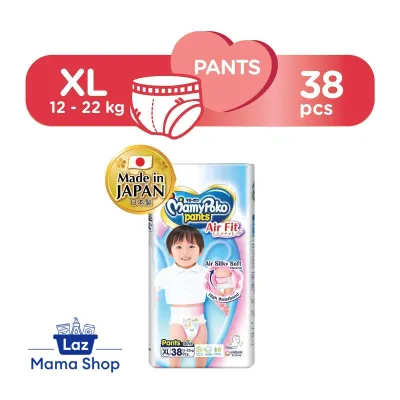
The MamyPoko Air Fit XL is engineered with specific structural elements aimed at enhancing comfort and reducing leaks during long stretches of sleep. The core of the “Air Fit” concept lies in its stretchable, soft waistband and leg gathers. This design is intended to conform gently to a baby’s natural curves, reducing the gaps that typically form when a baby rolls or changes positions during the night.
Products mentioned in this guide
![MamyPoko Air Fit Marshmallow Pants Super Premium Baby Diapers [BOY] XL38 (4 Packs) (12 - 22kg)](https://img.lazcdn.com/g/p/eacd96335d996f78b394f6a3845f958a.jpg_400x400q80.jpg_.webp)
![[1 Carton] MamyPoko Air Fit Pants Diapers Girl Size XL (38s x 4)](https://img.lazcdn.com/g/p/52b8b8b353b3b74debc6f40a8140f268.png_400x400q80.png_.webp)
![[1 Carton] MamyPoko Air Fit Pants Diapers Size XL (38s x 4)](https://img.lazcdn.com/g/p/3dc55146c5096c2995b1a99e679d633a.png_400x400q80.png_.webp)
![MamyPoko AIR FIT PANTS & TAPE DIAPERS [Size-M/L/XL/XXL] MADE IN JAPAN](https://img.lazcdn.com/g/ff/kf/S4d626b86fe6f40a6919ca71866aff0481.jpg_400x400q80.jpg_.webp)
![[BUY 2 FREE 1] MamyPoko Air Fit Tape Super Premium Baby Diapers NB90/S84 (3 options)](https://img.lazcdn.com/g/p/81d45b88383b034ec89ffe0bd86f900c.jpg_400x400q80.jpg_.webp)
Prices are valid at publication and may change. Please refer to the product page for the latest price.
In warm, humid tropical climates like Singapore’s, breathability is a critical factor for overnight wear. The Air Fit design incorporates breathable materials that allow air to circulate, helping to wick moisture away from the skin. This ventilation is essential for maintaining a dry environment inside the diaper, which directly helps in preventing heat rash and diaper dermatitis during extended twelve-hour wear.
For older babies and toddlers transitioning into the XL size, urine volume increases significantly. The absorbent core of the XL size is designed to distribute liquid across a larger surface area, preventing pooling in a single spot. The diaper features raised leak-guard barriers along the legs, which act as a physical dam to contain sudden releases of liquid before they can escape onto bedsheets.
Because baby shapes and wetting patterns vary, caregivers should always verify the recommended weight ranges and material compositions on the physical packaging. A diaper’s structural integrity relies heavily on being worn by a baby within the manufacturer’s specified weight bracket. Checking these details ensures the elastic gathers and absorbent core align correctly with your baby’s anatomy.
Core Criteria for Evaluating Premium Overnight Diapers
To objectively compare premium diapers, caregivers must look beyond marketing claims and focus on key engineering standards. The first criterion is the technology of the absorbent core. High-quality diapers utilize a blend of fluff pulp and superabsorbent polymers (SAP). The efficiency of this core is determined by how quickly it draws liquid away from the surface and locks it into a gel state, preventing wetness from rewetting the baby’s skin under pressure.

Another critical standard is the design of the leak prevention mechanisms. This includes the height, elasticity, and structure of the leg cuffs and the waistband. Double-layered leg barriers provide a secondary line of defense, while a flexible waistband helps prevent leaks at the back when the baby is sleeping on their back. The elasticity must be firm enough to hold the diaper in place but gentle enough to avoid leaving red marks on the skin.
Breathability and top-sheet dryness are equally important for skin health. The top sheet is the layer in direct contact with the baby’s skin. It should feature a textured or micro-porous surface that allows liquid to pass through instantly while remaining dry to the touch. High breathability in the outer cover allows heat and moisture vapor to escape, keeping the microclimate inside the diaper cool and dry.
Finally, structural integrity and fit dictate how well a diaper performs as it fills with liquid. As a diaper absorbs urine, it becomes heavy and prone to sagging. A well-designed premium diaper maintains its shape and stays snug against the baby’s body without bunching or slipping. If the adhesive tabs or waistband stretch out too much, gaps will form, leading to leaks regardless of the core’s remaining capacity.
Comparing MamyPoko Air Fit XL Against Premium Alternatives
When comparing MamyPoko Air Fit XL to other premium diaper options, the differences lie primarily in design priorities. Some brands focus on maximum raw absorbency and bulk capacity, while others prioritize a slim profile, flexibility, and skin-friendly materials. Understanding these trade-offs helps you choose the design that matches your baby’s specific needs.
| Feature | MamyPoko Air Fit XL | High-Capacity Alternatives | Ultra-Sensitive Alternatives |
|---|---|---|---|
| Core Technology Focus | Flexible, channeled distribution | Dense, high-volume SAP core | Hypoallergenic, organic top-sheet |
| Leg Cuff Design | Soft, low-tension elastic gathers | Tall, double-layered leak barriers | Gentle, wide-band leg cuffs |
| Breathability Features | Micro-porous outer cover & waistband | Standard breathable backsheet | Plant-based, highly breathable fibers |
| Best Suited Body Types | Active sleepers, standard-to-round builds | Heavy wetters, long/lean builds | Sensitive skin, standard builds |
Diapers that prioritize a slim-fit, highly breathable design like the Air Fit XL are excellent for babies who sweat easily or move constantly during sleep. The flexible materials adapt to movement, reducing friction against the skin. However, for babies who produce exceptionally large volumes of urine overnight, a diaper with a denser, higher-capacity core might be necessary, even if it feels bulkier and less flexible.
It is important to note that diaper manufacturers frequently update their product lines, materials, and sizing specifications. Caregivers should regularly check current product labels and official manufacturer websites for the most up-to-date information. Comparing these specifications directly allows you to monitor changes in material composition or fit guidelines that could affect overnight performance.
Decision Framework: Choosing the Right Overnight Diaper
To make the final purchasing decision, evaluate your baby’s unique sleep habits, physical build, and skin sensitivity. Choose MamyPoko Air Fit XL if your baby is highly active during sleep, tossing and turning frequently. The flexible waistband and soft leg gathers are designed to move with your baby, minimizing the risk of gaps forming. It is also a suitable choice if your baby is prone to heat rash, as the breathable design helps manage moisture in warm sleeping environments.
Consider alternative premium brands if your baby consistently sleeps for twelve or more hours and produces a very high volume of urine that saturates standard diapers. In such cases, a diaper engineered specifically for ultra-high capacity may be required to prevent saturation leaks. Additionally, if your baby has extremely sensitive skin or known allergies, you may want to look for premium alternatives that explicitly certify the absence of fragrances, chlorine processing, or specific lotions.
Before purchasing a large quantity of any diaper, always verify the fit on your baby. A baby’s body shape plays a significant role in diaper performance. For instance, a baby with thick thighs may require a different cut or size than a baby with a long, lean torso, even if both babies weigh the same. Testing a small pack first allows you to observe how the diaper fits around the waist and legs during a full night’s sleep.
Practical Steps to Maximize Overnight Leak Protection
Even the most advanced premium diaper can leak if it is not applied correctly. When putting on the diaper before bed, ensure that the inner leak guards—the elastic ruffles around the legs—are pulled completely outward and not tucked inward. Running your finger around the leg cuffs after fastening the tabs is a quick way to verify that the barriers are positioned correctly to catch leaks.
Adjust the fastening tabs symmetrically to ensure an even fit across the waist. The waistband should be snug enough to prevent the diaper from sagging when wet, but loose enough that you can comfortably slide two fingers between the diaper and your baby’s stomach. This balance ensures comfort while maintaining a secure seal against leaks at the back.
Managing fluid intake before bedtime can also help reduce the volume of urine produced overnight. While you should never restrict necessary hydration, try to offer the last large drink of water or milk a bit earlier in the evening routine, rather than right before putting your baby down. This allows the baby to wet their diaper once before the final bedtime change, reducing the load on the overnight diaper.
Despite the high capacity of premium diapers, there are times when a nighttime change is unavoidable. If your baby wakes up uncomfortable and the diaper feels completely saturated, a quick, quiet change in dim light is best. If you notice persistent skin irritation, severe diaper rash, or unusual changes in your baby’s urination patterns, consult a pediatrician for professional guidance.
Frequently Asked Questions (FAQ)
How Long Can an XL Premium Diaper Typically Last Overnight?
While many premium diapers are designed to provide up to twelve hours of protection, the actual duration depends heavily on your baby’s individual urine output and sleeping habits. For an XL diaper, which is built for older babies and toddlers, the absorbent core is larger, but a heavy wetter may still saturate the diaper in eight to ten hours. Caregivers should monitor the diaper’s weight and check for dampness to determine if a mid-night change is necessary to protect the skin.
Should You Size Up to XL for Better Overnight Absorbency?
Sizing up is a common method used to increase absorbency, as larger diapers contain more absorbent material. However, this strategy only works if the larger diaper still fits securely around your baby’s waist and thighs. If the XL size is too loose, gaps will form when your baby moves, leading to leaks despite the extra absorbency. Always refer to the manufacturer’s official weight guidelines and ensure there are no visible gaps before moving up a size for nighttime use.

Community discussion
Share your experience or ask a question. Comments are reviewed before publication.