
Finding the right disposable diaper in Singapore can feel like an endless cycle of trial and error for new parents. With the country’s year-round tropical heat and high humidity, a diaper’s performance is put to the ultimate test daily. A diaper that works perfectly in cooler climates might trap heat and moisture here, leading to discomfort, chafing, and diaper rash. Among the popular options lining supermarket shelves, MamyPoko Air Fit is frequently highlighted by parents seeking a balance of comfort, flexibility, and ventilation.
However, there is no single diaper that fits every baby perfectly. Differences in body shape, thigh circumference, skin sensitivity, and activity levels mean that what works beautifully for one infant might result in constant blowouts or red marks for another. To determine whether MamyPoko Air Fit is the right choice for your family, or if a competing brand would serve you better, it is essential to look past marketing buzzwords and evaluate how the diaper’s design matches your baby’s physical needs and your daily routine.
This guide establishes a practical, step-by-step comparison framework tailored to the local market. By understanding the specific design elements of MamyPoko Air Fit, comparing it across key performance dimensions, and learning how to run a safe home trial, you can make an informed decision that keeps your baby dry, comfortable, and rash-free.
Products mentioned in this guide
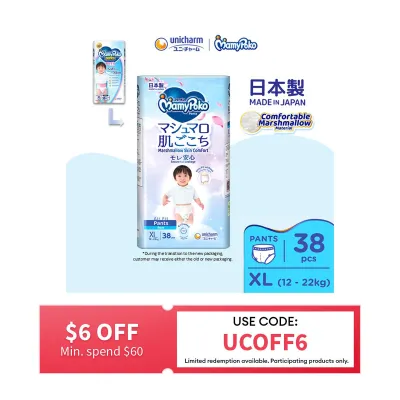
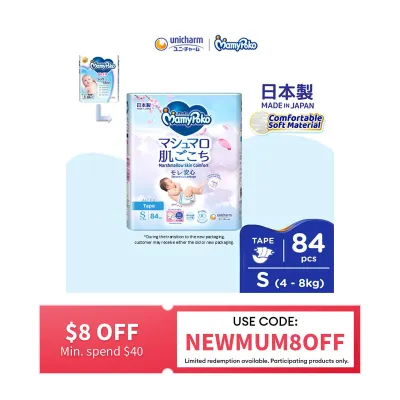
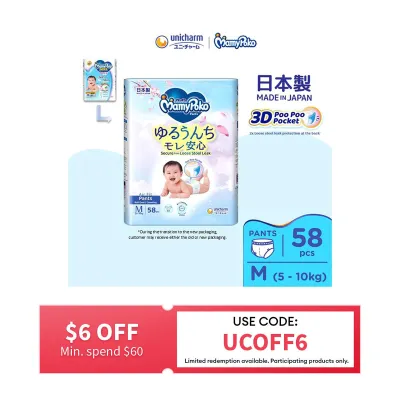
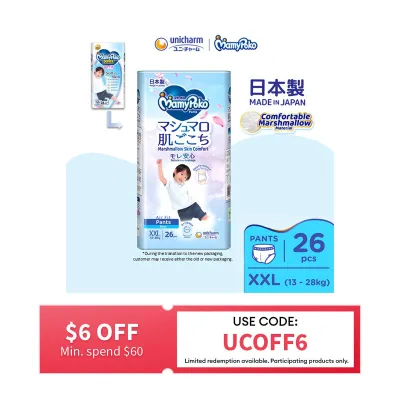
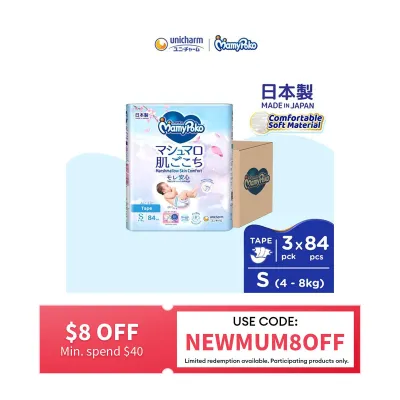
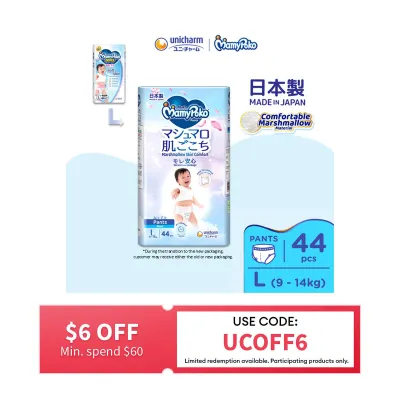
![MamyPoko Air Fit Marshmallow Pants Super Premium Baby Diapers [GIRL] L44 (4 Packs) (9 -14kg)](https://img.lazcdn.com/g/p/ca62e16d11e83f7e96ccf6259392a0f2.jpg_400x400q80.jpg_.webp)
![MamyPoko Air Fit Marshmallow Pants Super Premium Baby Diapers [UNISEX] M58 (1 Pack) (5 - 10kg)](https://img.lazcdn.com/g/p/e3ab49543e7caefd38f539d8f8d32ba7.jpg_400x400q80.jpg_.webp)
Prices are valid at publication and may change. Please refer to the product page for the latest price.
Understanding the MamyPoko Air Fit Design and Target Use
The MamyPoko Air Fit range is engineered with a clear focus on two primary physical attributes: breathability and physical contouring. The “Air” component of the name refers to the manufacturer’s use of ventilated materials designed to facilitate continuous airflow. In a humid environment, trapped moisture next to a baby’s delicate skin is a primary trigger for contact dermatitis. By incorporating micro-pores and breathable outer layers, this design aims to release warm, damp air from inside the diaper, helping to maintain a cooler, drier microclimate around your baby’s bottom.
The “Fit” aspect addresses the physical structure and elasticity of the diaper. Unlike rigid, boxy diaper cuts, the Air Fit series features a curved silhouette designed to mimic the natural posture of a baby’s body. The waistband and leg gathers are constructed with highly stretchable, soft elastics that expand and contract as the baby moves. This is particularly beneficial for active infants who are hitting major developmental milestones like rolling, crawling, or pulling themselves up to stand. The goal is to maintain a secure seal around the waist and thighs without digging into the skin or restricting natural movement.
These design priorities make the diaper highly suited for daytime wear, especially during outdoor play or in non-air-conditioned spaces where babies are prone to sweating. However, because material formulations and specific design features can change, parents should always verify the exact specifications on the packaging. For instance, check whether the specific pack you are purchasing features tape closures or a pull-up pants design, as this significantly affects how the diaper is applied and how it fits around your baby’s unique waistline.
Key Dimensions for Comparing MamyPoko Air Fit with Competitors
To make an objective comparison between MamyPoko Air Fit and other popular disposable diapers, parents should evaluate four primary dimensions: absorbency, material comfort, sizing structure, and overall cost efficiency.

Absorbency and Leak Protection
When comparing absorbency, look closely at the core construction described on the packaging. High-quality diapers utilize a blend of fluff pulp and superabsorbent polymers (SAP) to lock liquid away from the skin. Some competing brands feature specialized channel designs that distribute wetness evenly across the core, preventing the diaper from sagging or clumping in the middle. Additionally, examine the height and tension of the double-layered leg cuffs. These cuffs act as physical barriers against explosive bowel movements; a taller, more flexible cuff generally offers better containment during high-movement activities.
Material and Skin Comfort
The texture of the inner sheet that directly touches your baby’s skin is crucial. Some premium diapers offer a textured, wavy, or quilted top sheet, which minimizes the surface area in contact with wetness and allows air to circulate even when the diaper is partially full. When comparing brands, read the ingredient list on the packaging carefully. Note whether the materials are free from added fragrances, lotions, latex, or elemental chlorine. If your baby has highly sensitive skin, prioritizing diapers that explicitly state they are fragrance-free and hypoallergenic can help minimize the risk of allergic contact dermatitis.
Sizing and Fit
Diaper sizing is notoriously inconsistent across different brands and manufacturing regions. A size Medium in MamyPoko Air Fit may have a completely different physical cut, rise, and waist stretch compared to a size Medium from a European or American brand. Always refer to the manufacturer’s weight guidelines printed on the packaging as a starting point, but pay close attention to your baby’s build. Babies with chubby thighs often require diapers with highly elastic leg gathers or a larger size altogether, whereas slender, long-bodied babies may benefit from a narrower cut with a higher waistband to prevent blowouts at the back.
Cost per Diaper
Evaluating diaper expenses requires looking past the retail price of a single pack. Because pack counts vary widely between brands and sizes, the most accurate metric is the cost per diaper. To calculate this, divide the total price of the pack by the number of individual diapers inside. A typical premium disposable diaper can range from S$0.35 to S$0.65 or more per piece, depending on the size and purchase channel. Parents can often optimize their budget by purchasing bulk cartons, utilizing subscription services on local e-commerce platforms, or watching for promotional sales at major supermarkets.
How to Evaluate Diaper Performance During a Home Trial
The most reliable way to determine if a diaper works for your baby is to conduct a structured, observational home trial. Rather than buying a massive bulk box initially, purchase a single small pack or obtain trial samples to test the diaper under real-world conditions over a three-to-five-day period.
Fit Check
Every time you change your baby, perform a quick physical inspection of their skin. Look closely at the areas where the elastic bands sit around the thighs and waist. If you notice deep red marks, indentations, or chafing, the diaper is either too small or the physical cut is too tight for your baby’s body shape. Conversely, check for gaps between the diaper and your baby’s skin, particularly around the back of the waist and the leg openings. Gaps are a clear warning sign that the diaper is too loose, which will inevitably lead to leaks.
Dryness Test
To evaluate how well the diaper’s core locks away moisture, perform a simple touch test during a routine change after the diaper has been worn for a couple of hours. Gently press a dry, clean tissue against the inner lining of the wet diaper. If the tissue comes away damp, the core is not absorbing moisture quickly or efficiently enough, leaving your baby’s skin exposed to wetness. Ideally, the inner lining should feel relatively dry to the touch, and your baby’s skin should feel cool and dry rather than clammy.
Leakage Monitoring
Keep a mental or written log of any leaks that occur during the trial period. Note the timing and the baby’s position when the leak happened. For example, if leaks occur primarily when your baby is sleeping on their side, the leg cuffs may not be sealing properly. If leaks happen during tummy time, the front waistband might lack sufficient absorbent coverage. Tracking these patterns will help you identify whether a leak is a one-off occurrence due to improper application or a systemic issue with the diaper’s shape and absorbency limits.
Skin Reaction
Monitor your baby’s skin daily for any signs of irritation, redness, or localized warmth. Because every infant’s skin barrier is unique, a diaper that works perfectly for one baby might cause a reaction in another due to differences in skin pH or sensitivity to specific materials. If you observe any signs of diaper rash, stop using the trial diaper immediately. Keep the diaper area clean, dry, and exposed to air when possible, apply a protective barrier cream, and consult a pediatrician or qualified healthcare professional if the redness persists or worsens.
Decision Framework: Which Diaper Best Fits Your Baby?
Choosing between MamyPoko Air Fit and its competitors comes down to aligning the diaper’s specific design strengths with your baby’s physical needs, skin sensitivity, and your family’s budget.
Choose MamyPoko Air Fit if:
- Your baby is highly active, constantly moving, and requires a flexible diaper that stretches comfortably without restricting movement.
- You live in a warm, non-air-conditioned environment where maximizing airflow and breathability is essential to prevent sweat rash.
- Your home trial demonstrates that the curved cut fits your baby's body shape perfectly without leaving red marks or gaps.
Choose Competing Brands if:
- Your primary priority is finding a heavy-duty diaper that can reliably absorb high volumes of liquid over a 10-to-12-hour overnight sleep period without leaking.
- You prefer diapers made with specific eco-friendly, plant-based, or organic materials that carry recognized third-party environmental certifications.
- Your baby has a very round or very slender build that is better accommodated by a different physical cut or sizing structure.
Verify First if:
- Your baby has a known history of severe eczema or contact allergies; always check the packaging ingredient list and consult a dermatologist before introducing a new brand.
- Your baby's weight is currently on the boundary between two sizes (e.g., exactly 11 kg). In this scenario, it is highly recommended to test a small pack of both the smaller and larger sizes to see which provides the most secure, leak-free fit.
Frequently Asked Questions (FAQ)
How often should I change the MamyPoko Air Fit diaper?
For optimal skin health, pediatricians generally recommend checking your baby’s diaper every 2 to 3 hours during the day, and changing it immediately after any bowel movement. Leaving a wet or soiled diaper on for extended periods increases the risk of skin breakdown and diaper rash. If the specific packaging of your MamyPoko Air Fit diaper features a wetness indicator line, you can use it as a helpful visual cue, but always rely on your own physical checks and your baby’s comfort.
Can I use MamyPoko Air Fit for overnight sleep?
While some parents successfully use MamyPoko Air Fit overnight, diapers designed primarily for daytime breathability and active movement often feature a thinner, lighter core. This design may not have the high-capacity absorbency required to handle 10 to 12 hours of continuous wetting during deep sleep. To prevent middle-of-the-night leaks and sleep disruptions, it is wise to test the diaper during a shorter afternoon nap first, or consider switching to a dedicated overnight diaper variant with a thicker absorbent core for nighttime use.
Are there eco-friendly alternatives to compare against?
Yes, standard disposable diapers, including MamyPoko Air Fit, are typically manufactured using synthetic plastics, adhesives, and superabsorbent polymers. If reducing your environmental footprint is a key priority, you can compare these against alternative brands that incorporate biodegradable bamboo fibers, plant-based top sheets, or elemental chlorine-free wood pulp. When evaluating these options, always check the product packaging for specific, verified third-party environmental certifications rather than relying solely on generic green marketing claims.

Community discussion
Share your experience or ask a question. Comments are reviewed before publication.