
Finding the right tape diaper in Singapore’s warm, humid climate is a balancing act between skin health, leak prevention, and household budget. While MamyPoko Air Fit Tape, Pampers, and Huggies are household names, they cater to different infant body shapes and parental preferences. The ideal choice depends on how each brand’s unique cut, material breathability, and fastening system align with your baby’s physical development and daily routine. Rather than searching for a single ‘best’ diaper, parents benefit most from understanding how these structural differences perform under real-world conditions.
Understanding Design and Fit Differences
The physical cut of a diaper determines how well it conforms to your baby’s body as they move, sleep, and feed. MamyPoko Air Fit Tape is designed with a distinctive curved shape that aims to match the natural posture of an infant. This pre-curved structure helps reduce pressure on the baby’s abdomen and thighs, offering a gentle fit that does not rely solely on tight elastic tension. For babies who are highly active or have rounder tummies, this curved design can help prevent the diaper from bunching or sliding down during play.
Pampers tape diapers typically feature highly stretchable side panels and fastening tabs. This design provides a high degree of adjustability, allowing caregivers to customize the fit around the waist. The stretchy sides accommodate the natural expansion of a baby’s stomach after feeding, ensuring the diaper remains snug without becoming uncomfortably tight. This adaptability makes it a popular choice for babies with varying body shapes, from slender to more robust builds.
Products mentioned in this guide
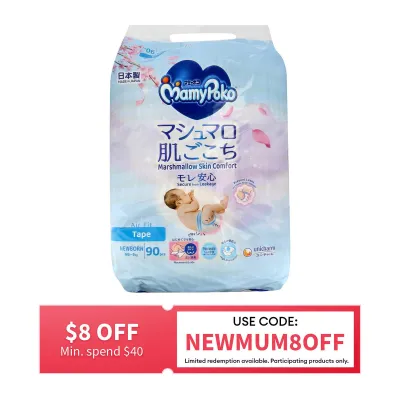
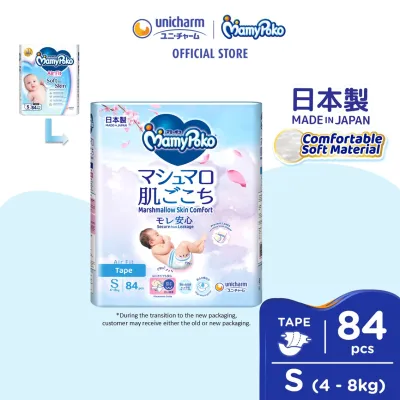
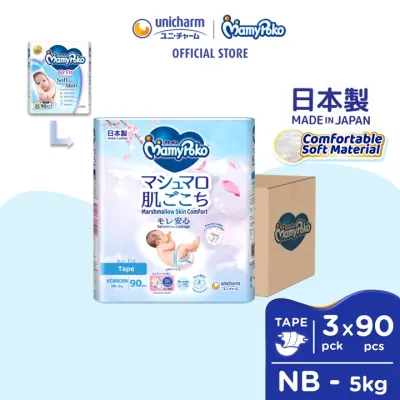
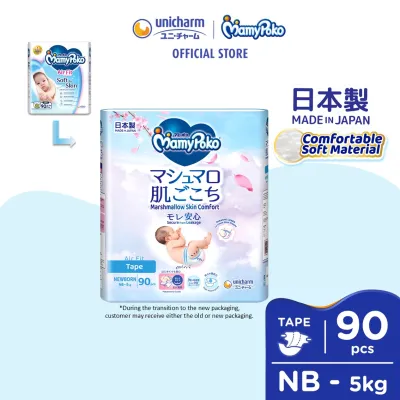
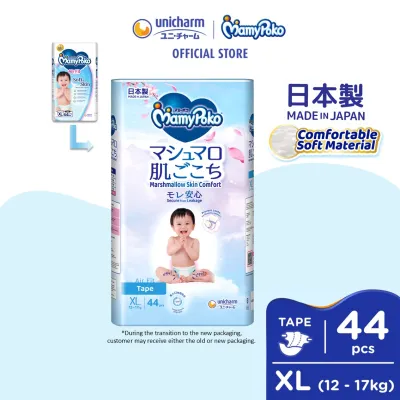
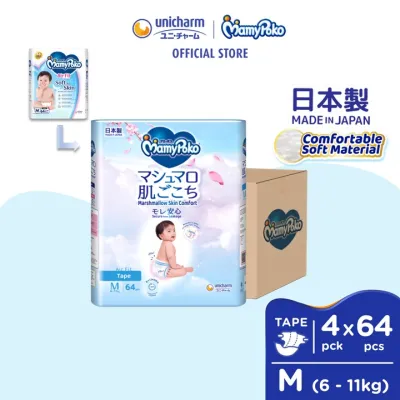
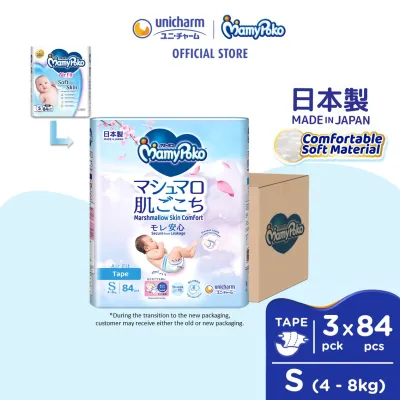
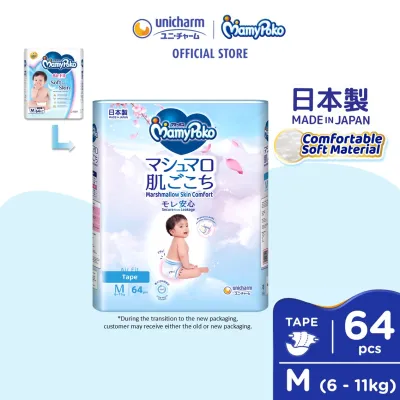
Prices are valid at publication and may change. Please refer to the product page for the latest price.
Huggies tape diapers often incorporate a pocketed waistband at the back. This structural feature is specifically designed to catch runny stools, which is particularly useful during the liquid-stool phase of early infancy. The waistband is engineered to sit flat against the baby’s back, creating a physical barrier that helps prevent messy blowouts. Additionally, the fastening tabs are designed to grip securely, maintaining the diaper’s position even when the baby is kicking or rolling.
To ensure the diaper is not too tight, caregivers should visually check the baby’s skin during changes. Look for red marks or deep indentations around the inner thighs, hips, and lower back. These marks are clear indicators that the elastic is putting too much pressure on the skin, suggesting that the diaper is fastened too tightly or that it is time to transition to a larger size. A properly fitting diaper should leave no lasting impressions on the skin.
Evaluating the leg cuffs is equally important for preventing leaks while maintaining comfort. When putting on the diaper, always run your fingers around the leg openings to ensure the outer ruffles, or leak guards, are fully flared outward rather than tucked inside. You should be able to slide two fingers comfortably between the diaper waistband and your baby’s tummy, as well as around the leg openings. This simple check ensures the diaper is secure enough to prevent gaps without restricting your baby’s natural circulation and movement.
Evaluating Absorbency and Breathability
Absorbency and breathability are critical factors in maintaining skin integrity and preventing diaper rash, especially in tropical climates. When selecting a diaper, check the packaging for specific absorbent core technologies. Manufacturers often highlight features such as superabsorbent polymers, specialized distribution channels, or breathable outer membranes. These technologies are designed to quickly draw moisture away from the skin and distribute it evenly throughout the diaper core, preventing sagging and wetness pooling.

Most premium tape diapers include a wetness indicator—a colored line on the outside of the diaper that changes color when exposed to moisture. This feature allows caregivers to monitor wetness at a glance without having to unfasten the diaper. Additionally, look for packaging indicators that specify breathable zones or micro-pores in the outer cover, which facilitate airflow and help heat and moisture escape from inside the diaper.
To monitor the effectiveness of a diaper’s absorbency, establish a simple post-use checklist. During changes, gently touch your baby’s skin in the diaper area; it should feel dry and cool. If the skin feels damp, sticky, or warm, the diaper’s moisture-wicking layer may not be performing adequately for your baby’s output. Keep an eye on the weight of the diaper as well; an overly heavy, saturated diaper can sag, causing the wet material to press continuously against the skin and increasing the risk of friction-induced irritation.
Watch closely for early signs of diaper rash, such as mild redness, small bumps, or warm skin in the diaper zone. In Singapore’s humid environment, trapped moisture can rapidly lead to skin breakdown. If redness appears, it is essential to increase the frequency of diaper changes, allow for diaper-free air time, and apply a protective barrier cream. If the rash persists, spreads, or appears painful, consult a qualified healthcare professional or pediatrician for advice.
While diaper packaging may claim ‘up to 12 hours’ of dryness, caregivers should always adjust changing frequency based on the baby’s actual output and skin sensitivity. A baby’s urine volume changes as they grow and consume more liquids. Relying solely on maximum capacity claims can lead to prolonged exposure to wetness. As a general practice, diapers should be changed immediately after bowel movements and every three to four hours during the day, regardless of how dry the outer surface appears.
Calculating Value and Cost per Diaper
Comparing the cost of different diaper brands requires looking beyond the retail price of a single pack. Because pack sizes vary significantly between brands and diaper sizes, the most accurate way to evaluate value is by calculating the unit price. To do this, use a simple formula: divide the total price of the pack by the number of diapers inside. For example, if a pack of size M diapers costs S$25.90 and contains 56 pieces, the cost per diaper is approximately S$0.46.
Calculating the cost per diaper allows you to make direct, objective comparisons. A pack that appears cheaper on the shelf may actually have a higher unit cost if it contains fewer diapers. Keeping track of this unit price helps you identify genuine savings when comparing MamyPoko, Pampers, and Huggies across different retail outlets.
There are distinct trade-offs between purchasing bulk cartons from online marketplaces and buying single packs from physical supermarkets. Ordering bulk cartons from ecommerce platforms often provides a lower unit cost and the convenience of home delivery. However, Singapore’s typical residential layouts mean storage space can be limited. Furthermore, babies grow rapidly; stockpiling too many cartons of a specific size risks leaving you with leftover diapers that your baby has outgrown. Physical supermarkets offer the flexibility of buying single packs as needed, allowing you to monitor fit and transition sizes smoothly.
When stockpiling diapers, always check the manufacturing and expiration dates printed on the packaging. While diapers do not have a strict expiration date like food, the materials can degrade over time, especially when stored in warm, humid conditions. High humidity can affect the adhesive strength of the fastening tabs and may cause the superabsorbent core to absorb ambient moisture, reducing its overall effectiveness.
To preserve the quality of stockpiled diapers, store them in a cool, dry place away from direct sunlight and off the floor. Keep the outer plastic packaging sealed until you are ready to use the diapers. If you open a pack and notice any discoloration, a musty odor, or a loss of elasticity in the waistband, it is best to discard those diapers to avoid exposing your baby’s skin to potential irritants.
Decision Framework: Which Tape Diaper Fits Your Needs?
Selecting the right tape diaper involves matching your baby’s physical characteristics and your household’s daily routine with the specific design strengths of each brand. Use the following guidelines to help structure your decision:
Choose MamyPoko Air Fit Tape if your primary goal is to find a diaper with a pre-curved, ergonomic shape that minimizes pressure on your baby’s tummy and thighs. This option is highly suitable for active babies who benefit from a tailored fit that moves naturally with their body, as well as parents who prioritize specific breathable waist features to manage heat in warm climates.
Choose Pampers if you prefer a highly adjustable, streamlined diaper with exceptionally stretchy side panels. This design is ideal for babies with varying body shapes, as the flexible tabs allow for a customized, snug fit that adapts to post-feeding tummy expansion without adding unnecessary bulk under clothing.
Choose Huggies if your baby is in the early infancy stage and you want robust protection against back leaks and runny stool blowouts. The pocketed waistband design and secure leak barriers provide peace of mind for parents navigating the frequent, liquid bowel movements typical of newborns.
If your baby has highly sensitive skin, eczema, or a history of severe diaper rash, do not purchase large quantities of any brand initially. Instead, consult a pediatrician for personalized recommendations on skin-safe materials. Always start by purchasing a single small trial pack to observe how your baby’s skin reacts to the diaper over several days before committing to bulk purchases.
Frequently Asked Questions (FAQ)
When should I switch from tape diapers to pants-style diapers?
The transition from tape diapers to pants-style diapers is typically guided by your baby’s physical milestones and behavior during changes. When your baby becomes highly mobile—such as rolling over, crawling, pulling themselves up to stand, or constantly wriggling on the changing mat—fastening tape diapers securely can become difficult and stressful for both caregiver and baby.
Additionally, observe how your baby interacts with the diaper. If they actively resist lying down for changes, or if they learn to pull the fastening tapes open during play, it is a clear signal to switch. Pants-style diapers can be quickly pulled up while your baby is standing or moving, making the changing process much easier during active developmental stages.
Can I mix different diaper brands for day and night use?
Mixing different diaper brands and tiers is a highly effective strategy for balancing your household budget with your baby’s comfort. During the day, when your baby is active and diaper changes are frequent (typically every three to four hours), you can opt for standard or value-tier diapers. Since these diapers are changed often, they do not need to withstand extended wetting periods.
For nighttime or long outings, switch to premium or overnight-specific diaper variants that feature advanced absorbent cores and enhanced leak barriers. These diapers are designed to handle higher volumes of moisture over extended periods, keeping your baby dry and comfortable throughout the night. This approach ensures your baby gets uninterrupted sleep while keeping your overall diapering expenses manageable.

Community discussion
Share your experience or ask a question. Comments are reviewed before publication.