
Choosing the right everyday diaper for your baby in Singapore requires balancing absorbency, skin comfort, and cost per piece. While Mamy Poko is widely recognized for specific design features like its highly elastic waistband and soft, cotton-like texture, determining if it is the right choice for your household depends on your baby’s unique body shape, movement level, and skin sensitivity. Rather than relying on broad marketing claims, parents can use a practical, observable framework to evaluate Mamy Poko against other major diaper brands available in local supermarkets and online marketplaces. This comparison helps you make an informed decision based on physical fit, leak protection, and true daily value.
Understanding Mamy Poko's Fit and Design Features
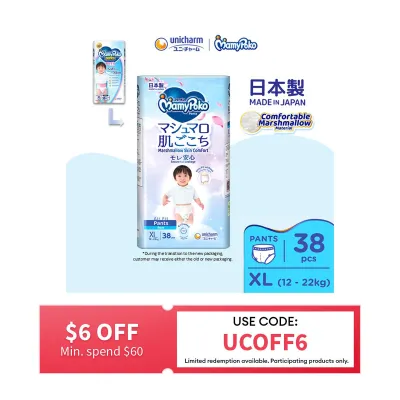
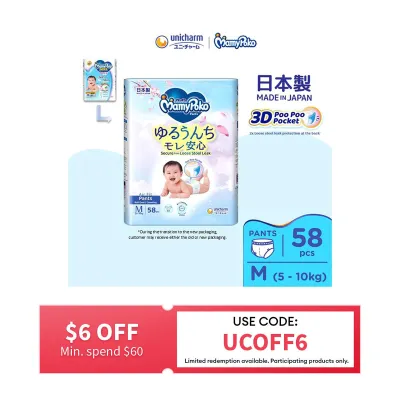
To determine if Mamy Poko is suitable for your baby, start by examining the structural design of the diaper, particularly the waistband and leg cuffs. Mamy Poko is well-known for its pants-style diapers, which feature a highly elastic, multi-thread waistband designed to sit comfortably above the baby’s hips. When evaluating this design, gently stretch the waistband to check its tension; it should offer enough resistance to stay secure without leaving deep, red indentations on your baby’s skin. The leg cuffs should also be inspected to ensure they have sufficient elasticity to wrap snugly around the thighs, creating a reliable barrier against leaks while allowing natural movement.
Observing how the diaper behaves during active movement is crucial as your baby transitions through different developmental stages. For babies who are crawling, pulling themselves up, or walking, a diaper must accommodate rapid leg and hip movements without riding up, twisting, or sagging. If a diaper shifts significantly during play, the alignment of the absorbent core and the leg guards is compromised, which often leads to unexpected leaks. Comparing how Mamy Poko pants hold their position during active play against other major brands will give you a clear indication of which cut best matches your baby’s physical build.
Products mentioned in this guide

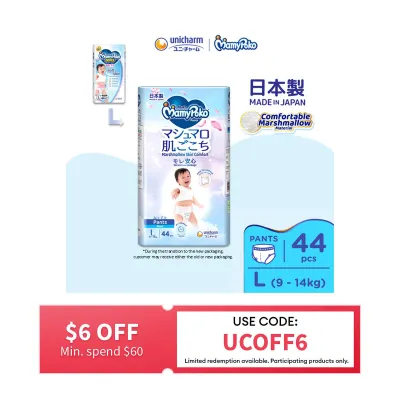
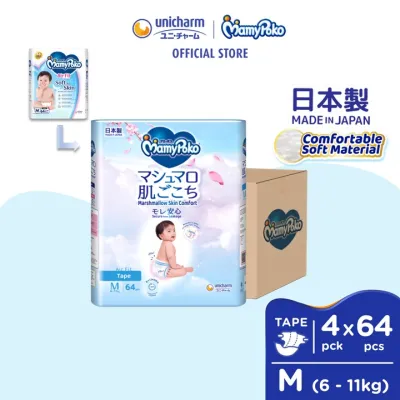
![Mamypoko Kids Pants Premium Baby Diapers [BOY] XXL30 (3 Packs) (15 - 25kg)](https://img.lazcdn.com/g/p/4f2d24b5d1279206ae4f73815d755047.jpg_400x400q80.jpg_.webp)
Prices are valid at publication and may change. Please refer to the product page for the latest price.
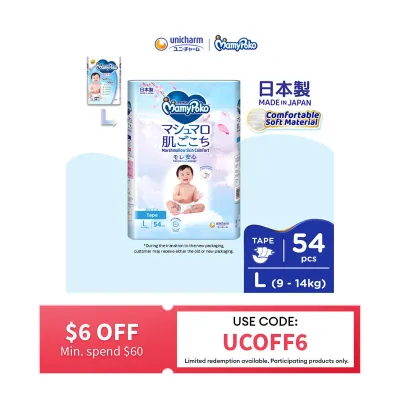
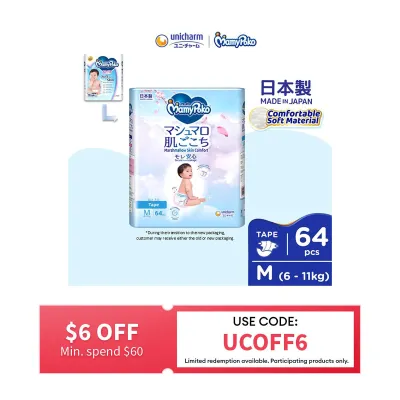
It is also important to differentiate between the brand’s tape and pants variants to match your daily changing routine. Tape diapers are generally preferred for newborns and younger infants because they allow for precise adjustments around a smaller waist and make changes easier when the baby is lying down. Pants diapers become highly practical once your baby becomes too active to lie still during changes, as they can be pulled on quickly while the baby is standing or wriggling. Assessing your baby’s current developmental milestones and your own convenience during changes will help you decide which style and brand variant fits seamlessly into your daily routine.
Evaluating Absorbency and Leak Protection Across Brands
Absorbency is a primary factor in diaper performance, and evaluating it requires looking closely at how the absorbent core behaves when wet. Most modern disposable diapers, including Mamy Poko, utilize a blend of superabsorbent polymers (SAP) and wood pulp to lock away moisture. When comparing brands, observe the diaper after several hours of wear to see if the core distributes wetness evenly or if it clumps and sags in one specific area. A core that clumps heavily can become uncomfortable for an active baby and may pull the diaper down, creating gaps around the waist and legs where leaks can easily occur.

Leg leak guards serve as the secondary line of defense against messy blowouts and liquid leaks. These are the inner fabric barriers that run along the inside of the diaper’s leg openings. When putting a diaper on your baby, always check that these guards are standing upright and are not folded inward. Compare the height and flexibility of these guards across different brands; taller, more flexible guards generally provide a more secure seal, especially for babies with slimmer thighs or those who sleep on their sides.
To establish a reliable baseline for leak protection, monitor your baby’s diaper during heavy wetting periods, such as overnight sleep or long car rides. Note how many hours the diaper can maintain a dry surface against your baby’s skin before requiring a change. If you notice frequent leaks during the night, it may indicate that the diaper’s core capacity is insufficient for extended wear, or that the fit is allowing gaps to form as the baby moves in their sleep. Tracking these occurrences helps you determine whether Mamy Poko or an alternative brand provides the consistent dryness your baby needs.
Checking Comfort, Breathability, and Skin Sensitivity
In Singapore’s warm and humid climate, maintaining skin health is a constant priority for parents, making comfort and breathability essential diaper features. Start by physically feeling the inner lining of the diaper with your hand to assess its softness. Some brands use textured sheets designed to minimize contact with wetness, while others focus on a smooth, cotton-like feel. Avoid diapers with a stiff or synthetic texture, as the constant friction against your baby’s delicate skin during movement can lead to chafing and irritation, particularly in the sensitive groin and thigh areas.
Breathability is critical for preventing heat rash and diaper dermatitis in tropical conditions. Look for breathability indicators on the product packaging, such as micro-porous backsheets that allow air to circulate while keeping liquid contained. You can observe how well a diaper ventilates by checking if your baby’s skin feels excessively hot or damp immediately after removing a wet diaper. A diaper that traps heat and moisture creates an ideal environment for bacteria and yeast to grow, increasing the likelihood of painful diaper rashes.
A wetness indicator is a highly practical feature that helps caregivers maintain a consistent and timely changing routine. This indicator, typically a line on the outside of the diaper that changes color when exposed to moisture, allows you to monitor wetness without having to unfasten or disturb the diaper. Utilizing this feature consistently helps prevent prolonged exposure to wetness, which is one of the most common causes of skin irritation. Comparing the sensitivity and visibility of the wetness indicators across different brands can help you establish a highly efficient changing schedule.
Calculating True Value: Cost Per Diaper and Sizing
To determine the true everyday value of a diaper brand, parents must look beyond the retail price of a single pack and calculate the cost per piece. Diaper packaging varies widely in quantity, meaning a cheaper pack may actually contain fewer diapers, resulting in a higher unit cost. Divide the total price of the pack by the number of diapers inside to find the cost per piece in S$. Perform this calculation across various local supermarkets and online marketplaces to identify where you can secure the best bulk pricing or promotional discounts.
Sizing inconsistencies between brands can also impact your calculations and purchasing decisions. A “Size L” diaper from Mamy Poko may have a completely different physical fit and weight recommendation than a “Size L” from another major brand. Before purchasing large quantities or bulk boxes, always check the weight ranges printed on the packaging and test a smaller pack first. If a brand’s sizing runs small, you may have to transition to a larger, more expensive size sooner than expected, which alters your long-term diapering budget.
Furthermore, the frequency of changes required plays a significant role in determining overall value. A lower-priced diaper that leaks frequently or lacks sufficient absorbency will require more frequent changes, meaning you will go through a pack much faster. Conversely, a slightly more expensive diaper that keeps your baby dry for longer periods and prevents leaks may turn out to be more cost-effective over time because you use fewer pieces per day. Balancing the unit cost in S$ with real-world performance is the key to finding the best financial value for your household.
How to Choose the Right Everyday Diaper for Your Baby
Finalizing your diaper choice involves matching your baby’s physical needs and your daily routine with the specific strengths of each brand. Choose Mamy Poko if your primary requirement is a highly elastic, secure waistband that accommodates an active, wriggling baby, and if the cost per piece aligns well with your calculated monthly budget. This brand is particularly suitable for parents who prefer pants-style diapers that are easy to pull on and off during quick changes, provided the physical cut matches your baby’s body shape without causing red marks.
Consider alternative major diaper brands if your baby has highly sensitive skin that requires specialized, hypoallergenic materials, or if you observe that Mamy Poko’s core structure tends to clump or sag excessively for your baby’s movement style. If you experience frequent blowouts or leaks around the legs, it may indicate that your baby’s body shape—such as having very slim or exceptionally chunky thighs—requires a diaper with a different cut, taller leak guards, or a more customizable tape closure system.
Before making a final decision or buying in bulk, always verify your baby’s current physical status and developmental stage. Check if they are currently transitioning between sizes, as being at the upper limit of a weight range often causes fit issues across all brands. Observe if they have deep thigh creases that require extra care when positioning the leg cuffs, or if a sudden increase in physical activity means it is time to transition from tape diapers to pants to ensure a more secure and reliable fit.
Frequently Asked Questions (FAQ)
Can I mix different diaper brands for daytime and nighttime use?
Yes, mixing diaper brands is a highly practical strategy used by many parents to balance cost and performance. You can use a lighter, more budget-friendly diaper during the day when changes are frequent and easily managed. For nighttime, you can transition to a highly absorbent, premium diaper designed for extended wear to ensure your baby remains dry and comfortable throughout the night, promoting uninterrupted sleep.
How do I know if I need to size up in Mamy Poko or another brand?
You should consider sizing up if you observe physical signs such as red elastic marks around your baby’s waist or thighs, or if the diaper regularly leaks despite being put on correctly. Other indicators include the diaper failing to fully cover your baby’s backside, or the tape tabs on a tape diaper fastening near the very outer edges of the landing zone.

Community discussion
Share your experience or ask a question. Comments are reviewed before publication.