
Finding the right disposable diaper for your baby in Singapore’s warm, humid climate involves balancing fit, absorbency, and skin comfort. While MamyPoko, Huggies, and Pampers are household names, there is no single “best” diaper that works universally for every infant. The ideal choice depends heavily on your baby’s unique body shape, skin sensitivity, and liquid output. By understanding how these brands differ in structural design, material texture, and sizing, you can make an informed decision that keeps your baby dry and comfortable throughout the day and night.
Core Design, Fit, and Material Differences
The physical structure of a diaper determines how well it conforms to your baby’s movements and prevents messy blowouts. When comparing MamyPoko, Huggies, and Pampers, the overall cut and elasticity vary noticeably. Some designs feature highly elastic waistbands that stretch generously to accommodate rounder bellies, while others prioritize a contoured, slimmer profile that fits snugly around the hips. You will want to observe how the diaper sits on your baby’s waist; a waistband that is too stiff can cause red marks, while one with insufficient elasticity may gap when your baby sits or crawls.
Leg cuff construction is another critical structural element to examine. Double-layered leg guards are common across these brands, designed to create a secure barrier around the thighs. However, the tension and width of these cuffs differ. A wider, softer cuff can distribute pressure more evenly, reducing friction on chubby thighs, whereas a tighter, narrower elastic might offer a highly secure seal but risk irritating sensitive skin. When fitting any of these diapers, always run your finger along the inner leg cuffs to ensure they are flared outward rather than tucked inward.
Products mentioned in this guide
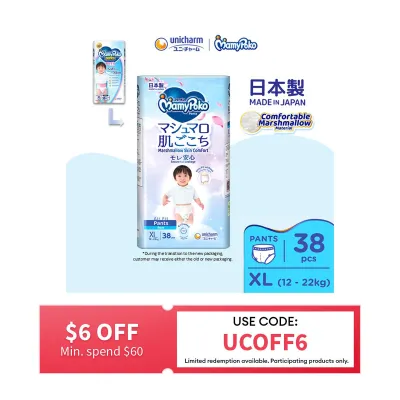
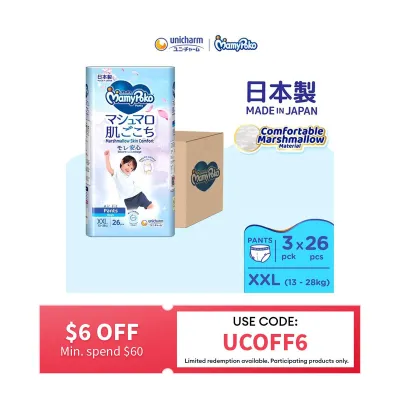
![MamyPoko Air Fit Marshmallow Pants Super Premium Baby Diapers [GIRL] L44 (4 Packs) (9 -14kg)](https://img.lazcdn.com/g/p/ca62e16d11e83f7e96ccf6259392a0f2.jpg_400x400q80.jpg_.webp)
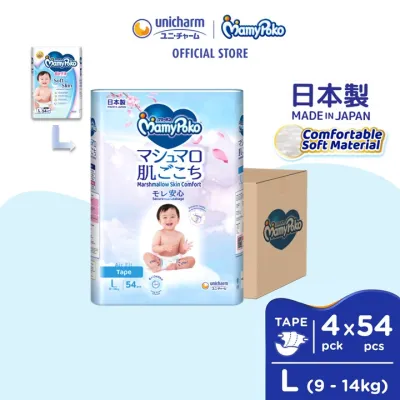
![MamyPoko Air Fit Marshmallow Pants Super Premium Baby Diapers [UNISEX] M58 (1 Pack) (5 - 10kg)](https://img.lazcdn.com/g/p/e3ab49543e7caefd38f539d8f8d32ba7.jpg_400x400q80.jpg_.webp)
![MamyPoko Air Fit Marshmallow Pants Super Premium Baby Diapers [UNISEX] M58 (3 Pack) (5 - 10kg)](https://img.lazcdn.com/g/p/99c2e6bafaf12352be9d27a3a2a5e222.jpg_400x400q80.jpg_.webp)
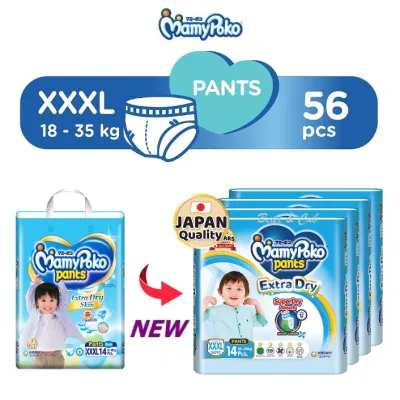
![Mamypoko Airfit Japan Tape & Pants [Carton Sales] - NB to XXL sizes](https://img.lazcdn.com/g/p/c0b1edea94375e8da7368b87443b1644.jpg_400x400q80.jpg_.webp)
Prices are valid at publication and may change. Please refer to the product page for the latest price.
Material texture is not uniform across a single brand; instead, it varies significantly depending on the specific product line. For instance, entry-level or standard lines from MamyPoko, Huggies, or Pampers may feature a simpler, smoother synthetic backsheet, whereas their premium tiers often utilize highly textured, cotton-like fibers designed for enhanced softness. Rather than assuming an entire brand is soft or stiff, caregivers should check the packaging of individual product variants—such as organic, premium, or active-play lines—to verify the specific materials used in the inner liner and outer cover.
Evaluating Absorbency and Leak Protection
Absorbency is more than just how much liquid a diaper can hold; it is about how quickly the core draws moisture away from your baby’s skin and locks it away. Rapid surface absorption prevents liquid from pooling on the surface, which is crucial for minimizing skin contact with wetness. Total liquid retention capacity, on the other hand, determines how long the diaper can perform before it becomes saturated and begins to sag or leak. A diaper that excels at quick absorption might still leak if its total capacity is exceeded during a long night’s sleep.

To evaluate leak protection at home, perform simple observable checks during diaper changes. Examine the inner core to see if the liquid is distributed evenly or if it clumps heavily in one spot, which can cause the diaper to sag and pull away from the body. Check the wetness indicator—a color-changing strip found on most modern variants of MamyPoko, Huggies, and Pampers—to ensure it functions reliably and is easily visible through light-colored clothing. Additionally, inspect the standing leak guards along the legs to verify they remain upright and elasticized after several hours of wear.
Manufacturers often design specific product lines tailored for either daytime activity or extended overnight use. Overnight variants typically feature reinforced absorbent zones and enhanced barrier walls to handle multiple heavy wettings. Before assuming a standard diaper can last twelve hours, verify the manufacturer’s specific usage recommendations on the product packaging. If your baby frequently wakes up wet, switching to a dedicated overnight line or a variant with a higher rated capacity is often more effective than simply sizing up.
Breathability, Skin Sensitivity, and Comfort
Singapore’s high humidity and warm temperatures create a challenging microclimate inside a baby’s diaper. If a diaper lacks sufficient breathability, heat and moisture become trapped against the skin, significantly increasing the risk of diaper rash and chafing. The outer backsheet plays a vital role here; breathable materials allow water vapor to escape while keeping liquid contained. Simultaneously, the inner liner must remain dry to the touch, preventing sweat and urine from creating a warm, damp environment that encourages bacterial growth.
Caregivers should actively monitor their baby’s skin during diaper changes for physical signs of friction, heat buildup, or moisture trapping. Look for localized redness along the waistband and leg cuffs, which often indicates friction from a tight fit or stiff materials. Heat rash, characterized by tiny red bumps, typically appears in areas where air circulation is restricted, such as the lower back or groin creases. If the skin feels unusually damp or pruned when you remove the diaper, it is a clear sign that the current diaper variant is trapping moisture rather than venting it effectively.
To protect babies with highly sensitive skin, always check the packaging for specific dermatological testing, hypoallergenic certifications, or sensitive skin labels. Brands like MamyPoko, Huggies, and Pampers offer specialized lines formulated without added fragrances, parabens, or elemental chlorine. Because formulations and materials can change, do not rely solely on brand reputation; inspect the exact product packaging of the specific pack you are purchasing to verify these skin-safety claims. If persistent redness or irritation occurs despite frequent changes, stop using the product and consult a qualified pediatrician or medical professional.
Sizing, Pricing, and Value Considerations
One of the most common pitfalls for parents is assuming that diaper sizes are standardized across all brands. A “Medium” diaper from MamyPoko may have a completely different weight range, waistband height, and leg circumference compared to a “Medium” from Huggies or Pampers. Even within the same brand, pants-style diapers often fit differently than tape-style diapers of the identical size. Always refer to the specific weight guidelines printed on the side of the packaging, but treat them as starting points rather than absolute rules, as your baby’s unique proportions will ultimately dictate the fit.
To manage your household budget effectively, calculate the true cost of diapering by comparing the price per piece in S$ rather than the price per pack. Diaper packs vary widely in quantity; a premium pack may contain fewer pieces than a standard pack of the same size, making the upfront price deceptive. Divide the total cost of the pack by the number of diapers inside to find the unit cost. Comparing this unit price across different retail channels—such as local supermarkets, specialized baby stores, and online marketplaces—can reveal significant savings, especially when buying in bulk or during promotional events.
Keep in mind that premium sub-lines, such as those featuring organic cotton, ultra-thin designs, or advanced ventilation channels, will significantly alter your baseline price comparison. While these premium options may offer enhanced comfort or specialized features, they come at a higher price per piece. Balancing value involves deciding whether these premium features are necessary for your baby’s daily routine, or if they are best reserved for specific situations, such as long outings or overnight wear, while using standard lines for regular daytime changes.
Decision Framework: Choosing the Right Diaper for Your Baby
To simplify your selection process, use this conditional framework to match a diaper brand to your baby’s specific needs:
- Choose MamyPoko if you prioritize generous waistband coverage, reliable overnight capacity, and a fit that accommodates babies with rounder bellies or those who require highly elastic pants-style diapers for active movement.
- Choose Huggies if you prefer a snug, contoured fit that minimizes gaps around the legs, features a highly reliable wetness indicator, and offers robust leak guards suitable for babies with a slimmer, more athletic build.
- Choose Pampers if you are looking for a lightweight, thin profile diaper that prioritizes rapid surface dryness, high breathability in humid weather, and a soft, flexible feel that moves easily with your baby.
Verify first if your baby has highly sensitive skin, deep thigh creases, or unique body proportions. For babies with deep thigh creases, you must verify that the leg cuffs of your chosen brand do not dig in or leave deep red marks, which may require sizing up even if your baby is within the recommended weight range. If your baby is prone to eczema or severe diaper rash, verify the ingredient list on the packaging to ensure the diaper is free from added fragrances and potential allergens before use.
Before committing to bulk cartons or multi-pack deals, always purchase small trial packs or request individual samples. Testing a small quantity allows you to observe how the diaper performs under real-world conditions—such as during a long nap or an active play session—without a significant financial commitment. This hands-on trial is the most reliable way to verify fit, absorbency, and skin compatibility for your individual baby.
Frequently Asked Questions (FAQ)
Can I mix different diaper brands for day and night use?
Yes, mixing different diaper brands or product lines for day and night use is a highly practical way to balance your budget with your baby’s comfort. Many parents choose a highly absorbent, premium diaper for overnight sleep to prevent leaks and ensure uninterrupted rest, while opting for a more affordable, standard diaper during the day when changes are much more frequent. If you decide to mix brands, monitor your baby’s skin closely for any localized reactions, as switching between different materials and elastic designs throughout the day can sometimes cause mild friction or sensitivity in babies with highly reactive skin.
How do I know when it is time to size up?
While the weight ranges printed on diaper packaging serve as helpful guidelines, your baby’s physical shape is the ultimate indicator of when it is time to size up. Clear signs that a diaper is too small include persistent red marks or indentations around your baby’s thighs or waist, frequent leaks or blowouts despite proper fitting, and a waistband that sits significantly below the belly button. If you find yourself struggling to fasten tape-style diapers securely or if pants-style diapers are difficult to pull up over your baby’s hips, it is time to transition to the next size up to ensure adequate coverage and protection.

Community discussion
Share your experience or ask a question. Comments are reviewed before publication.