
Finding the right diaper for an active toddler who has graduated to XXXL sizes can be a challenge. At this stage, toddlers are constantly on the move—running, climbing, and squatting—which puts immense pressure on diaper seams, waistbands, and absorbent cores. While MamyPoko, Huggies, and Pampers are household names, choosing the one that offers the most reliable leak protection is not about finding a universal winner. Instead, it depends on your toddler’s unique body shape, thigh circumference, and movement patterns.
Each brand approaches the design of their largest sizes with distinct structural priorities. MamyPoko is widely recognized for its highly stretchable waistbands and deep, high-capacity absorbent zones. Huggies often emphasizes a snug, contoured fit designed to hug the body closely during high-energy play. Pampers typically focuses on a slim, lightweight profile with specialized channels to distribute wetness quickly and prevent sagging. Before purchasing bulk cartons, parents should always check the specific weight and waist limits printed on the packaging, as sizing standards can vary significantly between these major brands.
Sizing and Fit: Comparing XXXL Dimensions and Cuff Designs
As toddlers grow, their body proportions change. Some retain thick, rounded thighs and soft tummies, while others stretch out and become leaner but highly muscular. A diaper’s ability to prevent leaks relies heavily on how well its dimensions match these physical traits. When evaluating MamyPoko Pants, Huggies, and Pampers in XXXL, parents must look closely at waistband elasticity and stretch recovery. A high-quality waistband should stretch easily to accommodate a full tummy after meals, yet recover its original shape quickly to prevent the diaper from slipping down during active play. You can test this manually by gently stretching the waistband of a fresh diaper; it should feel springy rather than stiff or loose.
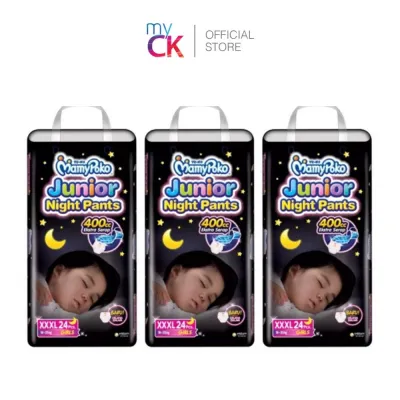
Products mentioned in this guide
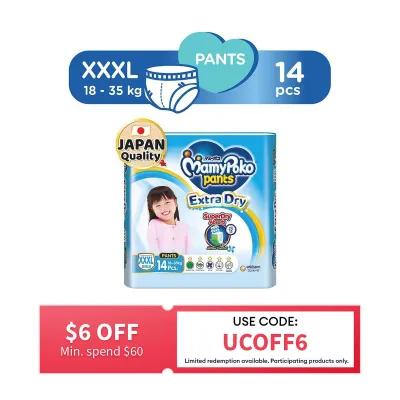
![MamyPoko Extra Dry Pants Boy Baby Diapers XXXL 14pcs x 4 Packs(18 - 35kg) [Carton]](https://img.lazcdn.com/g/p/7e0d140d5761ebfddfc96537f3183f83.jpg_400x400q80.jpg_.webp)
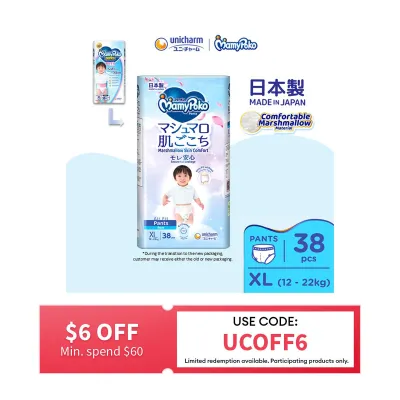
![Mamypoko Kids Pants Premium Baby Diapers [BOY] XXXL10 (4 Packs) (18 - 35kg)](https://img.lazcdn.com/g/p/cebe34828a761a690a79886c98e82630.jpg_400x400q80.jpg_.webp)
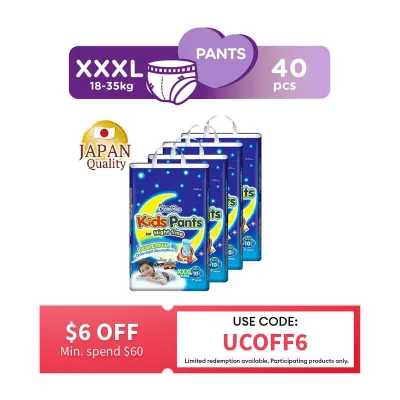
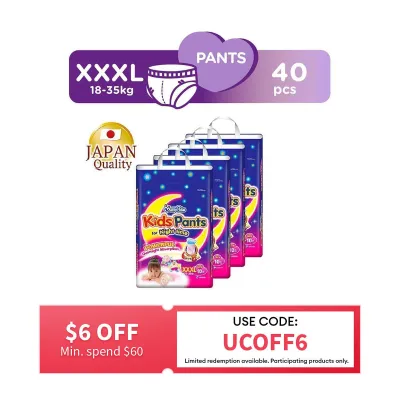
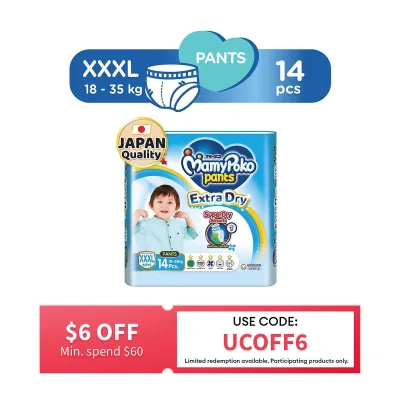
Prices are valid at publication and may change. Please refer to the product page for the latest price.
Leg cuff design is another critical area where leaks frequently occur. Active toddlers require a secure seal around the thighs that moves with them. Look for diapers featuring double-layered leg cuffs or standing inner barriers. These cuffs should be made of soft, elasticated materials that gather gently around the skin. When inspecting the diaper, ensure the outer ruffles flare outward rather than tucking inward, as tucked ruffles create direct pathways for moisture to escape.
To ensure a proper fit at home, parents can use a simple verification checklist:
- The Two-Finger Rule: Once the diaper is on, slide two fingers easily under the waistband. If it feels too tight, the diaper may cause discomfort; if it is too loose, leaks are highly likely.
- The Leg Cuff Check: Run your index finger around the inner leg bands to verify that the elastic ruffles are fully flared outward and sitting flat against the thigh.
- The Red Mark Inspection: After your toddler has been running or playing, check the waist and groin areas for deep, red indentations. Persistent marks indicate that the size is too small or the elastic is too restrictive.
- The Alignment Check: Ensure the waistband sits symmetrically above the hips and the front and back panels are level. An asymmetrical fit often leads to uneven wetness distribution and side leaks.
Leak Protection: Absorbency Layers and Barrier Features
The core of any diaper is its primary defense against leaks, especially for older toddlers who release larger volumes of urine at one time. When comparing these brands, parents should inspect the structural design of the absorbent core. Some diapers utilize a channel-based design, which divides the absorbent material into distinct vertical paths. This structure is designed to draw liquid away from the surface quickly and distribute it evenly from front to back, reducing the likelihood of pooling. Other designs rely on a more uniform, padded core that concentrates absorbency in the center. While padded cores can hold significant volumes, they may become bulky and heavy in one spot if the liquid does not distribute evenly.

Standing leak guards are another essential barrier feature to examine. In XXXL sizes, these inner barriers should stand upright when the diaper is opened and stretched. They act as a secondary wall to contain sudden, high-volume wetness before it can reach the outer leg cuffs. Parents can gently pull the diaper open to verify that these guards are resilient and do not lie flat against the core.
Monitoring the wetness indicator and understanding saturation limits is also key to preventing leaks. While many modern pants feature a color-changing line, the physical weight and feel of the diaper are often more reliable indicators of saturation. An active toddler will easily compress a fully saturated core during play, forcing liquid out through the seams. If you notice the diaper sagging heavily or feeling squishy to the touch, it has likely reached its capacity limit, regardless of what the wetness indicator shows. Parents should check the manufacturer’s packaging for specific absorbency claims and compare them against their child’s actual output patterns to determine if a brand is suitable for daytime play or overnight use.
Comfort and Mobility: Breathability and Flexibility for Active Play
For an active toddler, a diaper must function like high-performance sportswear. It needs to allow a full range of motion—including running, climbing, and squatting—without sagging, shifting, or causing skin irritation. The breathability of the outer cover is a major factor in maintaining skin health, particularly in warm and humid climates. Parents should look for packaging terms such as “breathable outer cover,” “micro-pores,” or “cotton-like materials.” A breathable cover allows hot air and moisture to escape, reducing the risk of diaper rash and keeping the skin dry during intense physical activity.
The behavior of the diaper core when wet is equally important for mobility. Some cores tend to clump or break apart when subjected to the friction of running and jumping. When a core clumps, it creates heavy, uneven lumps that can restrict movement and cause the diaper to sag. A sagging diaper pulls the waistband down, creating gaps at the lower back and thighs. To evaluate this, observe your toddler during play; if the diaper sags significantly even when only moderately wet, the core structure may not be resilient enough for your child’s activity level.
Friction and chafing are common issues for older toddlers with sensitive skin. The constant rubbing of diaper edges against the inner thighs and waist can lead to painful chafing. Parents should regularly inspect the groin creases and waistline after active play. If you notice redness or irritation, it may be due to stiff materials or a fit that is too tight. Choosing a brand with ultra-soft, seamless waistbands and flexible leg materials can help minimize friction and keep your toddler comfortable throughout the day.
Decision Framework: How to Choose the Right Brand for Your Toddler
Selecting the right XXXL diaper involves matching your toddler’s physical build and activity habits with the specific design strengths of each brand. Use the following conditional framework to guide your choice:
- Choose MamyPoko Pants XXXL if: Your toddler has a rounder tummy, thicker thighs, or a generally robust build. The highly stretchable, deep waistband is well-suited for accommodating larger midsections and preventing red marks during deep squats and active play.
- Choose Huggies XXXL if: Your toddler has a leaner, more athletic build and requires a highly contoured fit. The snug leg cuffs and tailored shape help prevent gaps around the thighs during high-speed running and climbing.
- Choose Pampers XXXL if: You prefer a slim, lightweight diaper that minimizes bulk under clothing. The channel-based core is ideal for toddlers who dislike the feeling of a heavy, sagging diaper and require rapid liquid distribution.
- Verify first if: Before committing to a bulk purchase of any brand, buy a small trial pack or a single pack from a local supermarket or online marketplace. Sizing up to XXXL is a significant transition, and testing the fit in real-world conditions can save you from spending S$30 or more on a bulk carton that does not fit your child's current shape. Always check the manufacturer's weight guidelines on the packaging, as weight ranges for XXXL can vary between brands.
- Consult a professional: If your toddler experiences persistent, severe diaper rash, or if frequent leaks continue despite trying multiple sizes and brands, consult a pediatrician or healthcare professional. They can help rule out skin sensitivities or provide guidance on bladder habits.
Frequently Asked Questions (FAQ)
When should I transition my toddler to XXXL diapers?
You should consider transitioning your toddler to XXXL diapers when their weight approaches or exceeds the upper limit of their current XXL size, or when you observe physical signs of poor fit. These signs include deep, persistent red marks around the waist or thighs, the waistband sitting too low on the hips, or frequent leaks occurring despite the diaper being applied correctly.
Why does my toddler's XXXL diaper still leak at night?
Nighttime leaks in XXXL diapers can occur for several reasons, even if the size is correct. Active toddlers often change sleeping positions, which can shift the diaper and create gaps. Additionally, the volume of urine released overnight may exceed the diaper’s maximum capacity, or the leg cuffs may not have been fully flared outward during application. To help prevent overnight leaks, ensure the leg cuffs are completely pulled out, and consider a diaper specifically designed with a high-capacity core for overnight use.

Community discussion
Share your experience or ask a question. Comments are reviewed before publication.