
When evaluating XXL diapers, a child’s increased mobility and unique body proportions mean there is no single “best” brand for everyone. The right choice between MamyPoko Pants XXL and other premium options depends entirely on how specific design features interact with your child’s thigh thickness, abdominal shape, and sleep patterns. Rather than relying on generalized rankings, use this guide to verify packaging specifications, conduct structured at-home trials, and apply a conditional decision framework to find the most reliable fit for your child.
In Singapore’s warm and humid climate, finding a diaper that balances high absorbency with excellent breathability is essential for keeping your toddler comfortable. As children reach the toddler stage and transition into XXL sizes, their daily activities become highly varied. Some toddlers are constantly running, climbing, and jumping, while others may spend more time in structured childcare settings. These physical demands require a diaper that can withstand rapid movements without shifting, sagging, or causing friction against delicate skin. By understanding the physical construction of premium diaper pants, you can make an informed decision that supports your child’s comfort and your peace of mind.
Key Dimensions for Comparing XXL Diapers
When comparing XXL diapers, looking beyond the brand name to examine the physical construction of the diaper is crucial. The first key dimension to evaluate is the waist and leg elastic tension. Toddlers in XXL sizes typically weigh between 15 and 25 kilograms, a stage where body shapes vary significantly. Some children have rounder tummies and slimmer thighs, while others have chunky thighs and a narrower waist. The elastic bands on the waistband and leg cuffs must offer sufficient stretch to accommodate these differences without exerting excessive pressure. When examining packaging claims or product descriptions, look for terms that describe multi-directional stretch or flexible waistbands, and verify how these elastics feel during an initial touch test.
Products mentioned in this guide
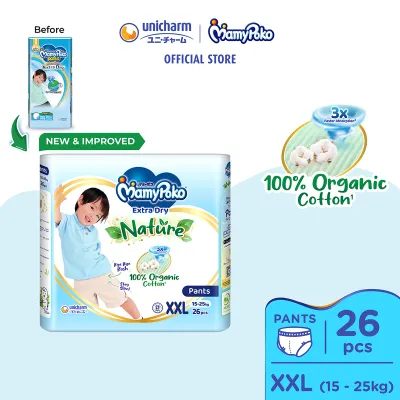
![Mamypoko Kids Pants Premium Baby Diapers [GIRL] XXL30 (3 Packs) (15 - 25kg)](https://img.lazcdn.com/g/p/8ff7ce281a48fcef8b3e2585d95b692c.jpg_400x400q80.jpg_.webp)
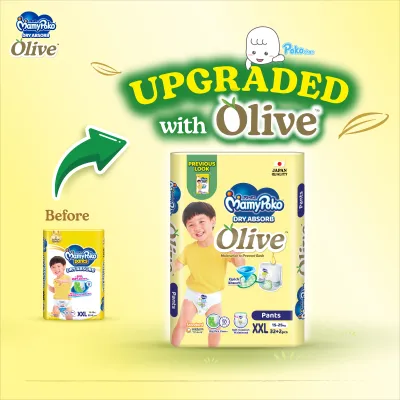
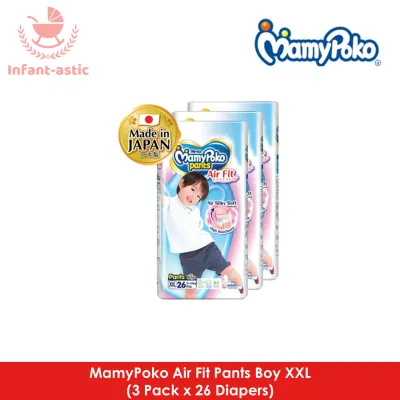
![MamyPoko Air Fit Marshmallow Pants Super Premium Baby Diapers [GIRL] XXL26 (1Pack) (13 - 28kg)](https://img.lazcdn.com/g/p/d0b52013b9364dfb9d4b00bbb3d3109f.jpg_400x400q80.jpg_.webp)
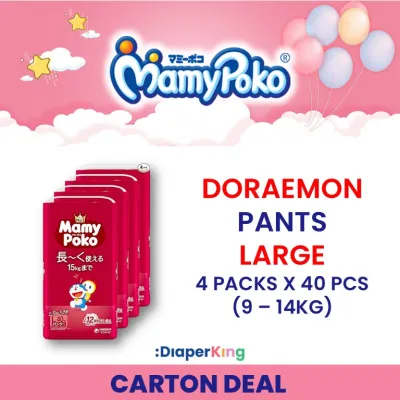
![Mamypoko Airfit Japan Tape & Pants [Carton Sales] - NB to XXL sizes](https://img.lazcdn.com/g/p/c0b1edea94375e8da7368b87443b1644.jpg_400x400q80.jpg_.webp)
Prices are valid at publication and may change. Please refer to the product page for the latest price.
Another critical factor is the placement and design of the absorbent core. In XXL sizes, children produce larger volumes of urine, making the speed and distribution of absorption highly important. Some premium diapers feature a front-heavy absorbent core, which is often beneficial for boys or children who sleep on their stomachs. Other brands utilize an evenly distributed core that spreads moisture across the entire length of the diaper, which can be more suitable for girls or back-sleepers. You can check the manufacturer’s product diagrams on the packaging to see if they highlight specific channel designs or targeted absorption zones that match your child’s sleeping and movement habits.
Breathability is particularly vital in Singapore’s tropical environment, where trapped heat and moisture can quickly lead to skin irritation. When reviewing diaper specifications, pay close attention to the materials used in the outer cover and the waistband. Look for indicators of micro-porous materials or airflow channels that allow hot air to escape while keeping wetness locked inside. The overall thickness of the diaper also plays a role; a thinner diaper may offer better heat dissipation, but you must verify that this does not compromise the total absorbent capacity required for overnight use or long outings.
MamyPoko Pants XXL vs. Competing Premium Brands
To help you evaluate MamyPoko Pants XXL against other premium options available in Singapore, such as Huggies and Pampers, it is helpful to compare their observable design traits. Because individual fit varies so greatly, a structured comparison should focus on physical characteristics that you can verify on the packaging or during an unboxing trial, rather than relying on subjective performance claims.

| Design Feature | MamyPoko Pants XXL | Competing Premium Brand A (e.g., Huggies) | Competing Premium Brand B (e.g., Pampers) |
|---|---|---|---|
| Waistband Construction | High-rise, wide elastic band with deep gathers designed to sit securely above the hips. | Mid-rise, flat elastic band with a focus on a snug, streamlined fit around the lower waist. | Flexible, highly stretchable sides with a softer, cloth-like texture for a seamless feel. |
| Leg Cuff Design | Double-layered standing leak guards with soft, flexible elastics to wrap around wider thighs. | Tailored leg openings with reinforced elastic barriers designed to prevent gaps during wide strides. | Thin, highly flexible leg gathers that lie flat against the skin to minimize bulkiness. |
| Absorbent Core Layout | Deep, visible distribution channels running along the length of the core to guide moisture away from the center. | Targeted absorption zones concentrated in the front or middle, depending on the specific product line. | Thin, compressed absorbent sheets designed to maintain a slim profile even when wet. |
| Stated Weight Range | Typically covers 15 to 25 kg (verify exact range on the specific packaging version). | Often covers 15 to 22 kg or similar ranges depending on the specific sub-brand. | Usually covers 15 to 25 kg, with some variations based on regional packaging. |
Interpreting these physical differences requires looking closely at your child’s unique body shape. For instance, if your toddler has a rounder abdomen and chunky thighs, a diaper with a high-rise waistband and deep, double-layered leg cuffs—such as MamyPoko Pants XXL—may provide a more accommodating fit that prevents red marks. Conversely, if your child has a taller, leaner build, a diaper with a more streamlined, mid-rise waistband and flat leg gathers might offer a snugger fit that prevents gaping when they run or bend.
It is also important to recognize that the weight ranges printed on diaper packaging are general guidelines rather than absolute rules. A child who weighs 16 kilograms might find an XXL diaper fits perfectly if they have a broad build, while a child of the same weight with a slender frame might still require an XL size to prevent leaks. Always prioritize the physical fit around the waist and thighs over the weight number on the box, and be prepared to adjust sizes as your child’s proportions change during growth bursts.
How to Evaluate Fit and Performance at Home
Conducting a structured at-home trial is the most reliable way to determine if a specific diaper brand is suitable for your child. Start by inspecting your child’s skin immediately after removing a diaper that has been worn for several hours. Look closely at the waistline and the inner thighs for any deep red lines or pressure marks. While light, temporary impressions from elastic gathers are normal, deep or persistent red marks indicate that the elastic tension is too high or the diaper size is too small, which can cause discomfort and restrict movement.
Next, monitor the diaper’s performance during different activities and times of the day. During active daytime play, observe whether the diaper stays securely in place or begins to sag excessively even when it is not fully wet. A diaper that slips down easily can create gaps around the legs, leading to side leaks or back blowouts when your child sits or climbs. For overnight sleep, pay attention to how well the diaper contains wetness over an extended period. If you frequently encounter leaks in the early morning, note where the wetness escapes—this can help you identify whether the issue is insufficient overall capacity or a mismatch in core placement.
Finally, assess the condition of your child’s skin upon waking. Gently touch their skin to check if it feels dry or damp; a high-performing premium diaper should keep moisture locked away from the skin’s surface. Observe the areas around the leg cuffs and waistband for any signs of friction, chafing, or localized redness. In Singapore’s humid climate, even minor friction combined with trapped moisture can quickly lead to diaper rash. If you notice persistent dampness or skin irritation, it may be a sign that the diaper’s breathability or absorption speed is not meeting your child’s needs.
Decision Framework: Which Brand Fits Your Child?
To finalize your diaper choice, apply a systematic decision framework based on your at-home observations and your child’s specific physical requirements. This approach ensures you select a diaper that matches your child’s current developmental stage and body shape.
You should choose MamyPoko Pants XXL if:
- Your child has a rounder tummy or chunky thighs that require a high-rise waistband and deep, flexible leg gathers to prevent red marks.
- The diaper's specific waistband stretch and overall cut remain secure during active climbing and running without sagging or shifting.
- The distribution channels in the absorbent core successfully manage overnight wetness without causing leaks or leaving the skin damp.
You should choose competing premium brands if:
- Your child has a taller, leaner build that is better accommodated by a more streamlined, snug-fitting waistband and flatter leg gathers.
- The specific material thickness or ultra-thin core design of another brand provides better heat dissipation and comfort for your child in warm weather.
- The absorbency layout of an alternative brand matches your child's specific sleeping position more effectively, preventing targeted leaks.
If you experience persistent leaks, frequent back blowouts, or unexplained skin irritation regardless of the brand or size you use, verify that the diaper is being applied correctly with the leg cuffs fully pulled out. If the issues continue, consult a pediatrician or a qualified healthcare professional to rule out underlying skin sensitivities or to seek guidance on managing severe diaper rash.
Frequently Asked Questions (FAQ)
When should I transition my child to XXL diapers?
You should consider transitioning your child to XXL diapers when you observe consistent physical warning signs that the current size is no longer adequate. These signs include frequent leaks during normal use, deep red marks left on your child’s waist or thighs by tight elastics, or the diaper sitting too low on the waistline, failing to cover the hips properly. Additionally, if you find yourself struggling to pull the diaper pants up easily or if the side seams tear prematurely during application, it is a clear indication that a larger size is required. Always cross-reference your child’s current weight and build with the manufacturer’s XXL packaging guidelines, keeping in mind that sizing structures vary between brands and a size upgrade may be necessary even if your child is at the lower end of the recommended weight range.
Are pull-up pants better than tape diapers for XXL sizes?
Whether pull-up pants are better than tape diapers depends on your child’s mobility level, developmental stage, and your daily routine. Pull-up pants are highly beneficial for active toddlers who resist lying down for diaper changes, as they can be easily slipped on while the child is standing up. They also support potty training by allowing your child to practice pulling their own pants up and down, fostering independence. However, tape diapers offer the advantage of micro-adjustability, allowing you to customize the fit around the waist and legs, which can be useful for children with unique body proportions. For quick removal, pull-up pants feature tearable side seams, making them highly convenient, but you should weigh this against the precise fit control that tape tabs provide when deciding which style suits your child’s needs.

Community discussion
Share your experience or ask a question. Comments are reviewed before publication.