
Finding the right diaper for your baby often requires comparing how different brands perform against your child’s unique body shape, activity level, and skin sensitivity. While Mamypoko is a widely recognized option in Singapore, determining whether it is the choice that best fits your family depends on observable daily performance rather than generic marketing claims. This guide outlines how to systematically evaluate Mamypoko against other leading disposable diaper brands across absorbency, physical fit, and overall value, helping you make an informed, condition-based decision for your baby’s daily comfort.
Every baby’s developmental stage brings different diapering challenges, from the liquid stools of newborns to the high-mobility wriggling of toddlers. Because diaper brands use different cuts, elastic tensions, and absorbent materials, a diaper that keeps one baby dry might lead to frequent leaks on another. By establishing a clear set of observation criteria, you can look past brand reputation and focus on how a diaper actually performs in your home.
Setting Your Baseline: What Matters Most for Your Baby
Before comparing Mamypoko to other brands, you must establish a personalized baseline based on your baby’s current physical traits and daily routine. A baby’s primary requirements shift constantly as they grow. For instance, an infant who sleeps for long stretches overnight requires a diaper focused on maximum liquid retention, while a highly active toddler crawling or walking during the day needs a diaper that prioritizes flexibility and secure fastening.
Products mentioned in this guide
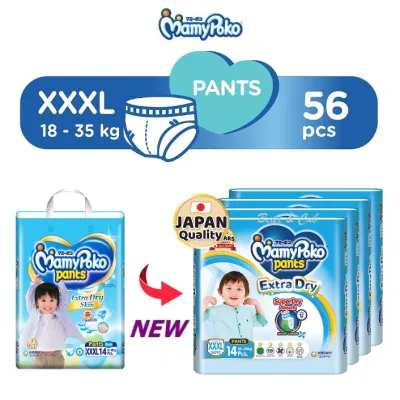
![Mamypoko Airfit Japan Tape & Pants [Carton Sales] - NB to XXL sizes](https://img.lazcdn.com/g/p/c0b1edea94375e8da7368b87443b1644.jpg_400x400q80.jpg_.webp)
![Mamypoko Extra Dry Tape & Pants Diapers [Carton Sales] - NB to XXXL sizes](https://img.lazcdn.com/g/p/861a6717af4143aa9f7c3edfacc009b3.jpg_400x400q80.jpg_.webp)
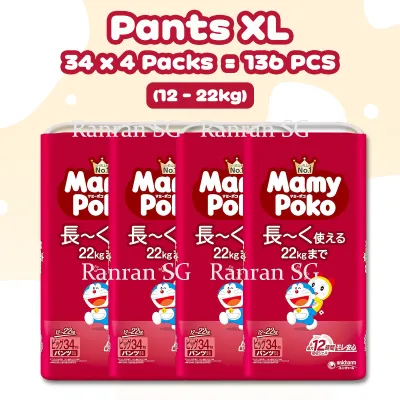
![MamyPoko Air Fit Marshmallow Pants Super Premium Baby Diapers [GIRL] XL38 (1 Pack) (12 - 22kg)](https://img.lazcdn.com/g/p/695472e6615fc8e51f00c424e0f89297.jpg_400x400q80.jpg_.webp)
![MamyPoko Air Fit Pants Super Premium Baby Diapers [BOY] XL38 (1Pack) (12 - 22kg)](https://img.lazcdn.com/g/p/f56b3fac8758af2a94cba25ff63cddec.jpg_400x400q80.jpg_.webp)
![Mamypoko Kids Pants Premium Baby Diapers [BOY] XXXL10 (1 Pack) (18 - 35kg)](https://img.lazcdn.com/g/p/00a35f27ebfbcac6e0f1dd3e688e08c7.jpg_400x400q80.jpg_.webp)
![MamyPoko Air Fit Marshmallow Pants Super Premium Baby Diapers [UNISEX] M58 (3 Pack) (5 - 10kg)](https://img.lazcdn.com/g/p/99c2e6bafaf12352be9d27a3a2a5e222.jpg_400x400q80.jpg_.webp)
Prices are valid at publication and may change. Please refer to the product page for the latest price.
Diaper performance is highly individual, meaning there is no single brand that works perfectly for every child. A diaper’s effectiveness is determined by how its specific dimensions interact with your baby’s body shape. A baby with chubby thighs and a narrow waist will require a different elastic tension and leg cuff cut than a baby with a round tummy and slim legs. Recognizing these physical differences helps you understand why a brand highly recommended by other parents might not perform the same way for your child.
Singapore’s warm, humid tropical climate adds another layer of consideration to your baseline. High humidity means that trapped moisture can quickly lead to skin discomfort, heat rash, or diaper dermatitis. Therefore, breathability and rapid moisture dispersion are critical factors to monitor. While manufacturer claims on packaging—such as promises of twelve-hour dryness or advanced breathability—provide a starting point, you should always prioritize real-world, observable indicators over printed marketing promises.
Comparing Absorbency and Leak Protection in Real-World Use
To evaluate and compare the absorbency of Mamypoko and competing brands, start by examining the physical construction of the diaper before use. Check the packaging and the diaper itself for specific structural features. Look for wetness indicators, which are color-changing lines that help you monitor wetness without opening the diaper. Examine the inner lining to see if it features specialized core distribution layers designed to channel liquid away from the skin, or if it relies on a flat absorbent pad. Note the height and elasticity of the inner leak guards along the leg openings, as these barriers are crucial for containing sudden, high-volume messes.

Once the diaper is on your baby, observe how the absorbent core behaves during a standard wear period. After a few hours of use, check for clumping or sagging. Some diapers distribute liquid evenly across the entire core, maintaining their shape and keeping the wetness away from the baby’s skin. Other diapers may allow the absorbent material to bunch up in one area, creating a heavy, sagging pocket that pulls the diaper down and increases the risk of leaks. Gently touch your baby’s skin during a change; it should feel dry and cool, indicating that the diaper is successfully locking moisture away.
Finally, monitor leak frequency during high-output scenarios, such as overnight sleep, long stroller rides, or car trips. Note exactly where leaks occur when they do happen. Leaks out of the back waistband often indicate that the diaper’s rise is too low or that the back elastic is insufficient, which is common for babies who sleep on their backs. Leaks around the leg openings suggest that the leg cuffs are not sealing properly against the thighs, or that the absorbent core is saturated and cannot absorb liquid quickly enough. Keeping track of these specific failure points allows you to make direct, practical comparisons between Mamypoko and alternative brands.
Checking Fit, Comfort, and Skin Reactions
Evaluating fit and comfort requires a physical inspection of your baby’s skin during and after diaper changes. When you remove a diaper, inspect the waistband and leg cuffs closely. Look for deep red marks, indentations, or chafing on your baby’s thighs, hips, and lower back. While a secure fit is necessary to prevent leaks, the elastic should not be so tight that it causes discomfort or restricts circulation. If you consistently notice deep marks that do not fade quickly, the diaper’s elastic may be too stiff, or the cut may be unsuitable for your baby’s build.
Next, compare the overall cut, rise, and bulkiness of Mamypoko against alternative brands to see which design allows better natural mobility. Some diaper brands feature a high-rise cut that sits well above the belly button, providing extra coverage for active babies. Others have a lower, trimmer cut that reduces bulk between the thighs, which can be beneficial for toddlers who are learning to walk. Observe your baby as they move, crawl, or play. If the diaper bunches up awkwardly, restricts leg movement, or slides down during play, the physical design is not matching your baby’s body shape.
Skin sensitivity is the ultimate test of a diaper’s compatibility with your baby. Singapore’s humid weather makes it easy for moisture and friction to trigger skin irritation. Track skin reactions closely, paying attention to any redness, dry patches, or localized rashes that develop in areas in direct contact with the diaper’s materials, adhesives, or waistbands. Do not rely solely on packaging labels like “hypoallergenic,” “organic,” or “dermatologically tested,” as these terms are not standardized guarantees of safety for every individual skin type. If persistent rashes or severe skin irritation occur, discontinue use of the brand immediately and consult a pediatrician or qualified healthcare professional.
Calculating True Value and Cost per Diaper
To accurately compare the financial value of Mamypoko versus other brands in Singapore, you must look past the retail price of a single pack. Because pack sizes vary significantly between brands, diaper types, and sizes, comparing pack prices directly can be highly misleading. Instead, calculate the exact cost per piece in S$ by dividing the total pack price by the number of diapers inside. For example, a pack costing S$24.00 containing 80 diapers results in a cost of S$0.30 per diaper. Performing this simple calculation allows you to establish a clear, objective unit price for comparison.
When calculating your long-term diapering budget, factor in the various purchasing strategies available through local supermarkets, specialty baby retailers, and online marketplaces. Many platforms offer bulk-buy discounts, carton pricing, or recurring subscription savings that can significantly lower the cost per piece. Additionally, keep an eye out for promotional bundles during major online shopping events or local baby fairs. Keep a record of these promotional unit prices, as they often represent the actual price you will pay when purchasing diapers in bulk.
Finally, weigh the calculated cost per piece against the real-world change frequency and performance of each brand. A lower-priced diaper is not necessarily more economical if it has poor absorbency or fits poorly. If a cheaper diaper requires changing twice as often to prevent leaks, or if it results in frequent blowouts that require extra laundry cycles and clothing replacements, the overall cost of using that brand rises dramatically. Conversely, a slightly more expensive diaper that keeps your baby dry overnight and requires fewer daytime changes may ultimately offer better financial value and greater convenience.
Decision Framework: Is Mamypoko the Right Fit for Your Baby?
To conclude your comparison, use a conditional decision framework to determine whether Mamypoko or an alternative brand is the right choice for your household. This framework relies on your direct observations of absorbency, fit, and cost rather than generic recommendations.
You should choose Mamypoko if your observations align with the following conditions:
- The diaper consistently prevents leaks and blowouts during both daytime play and overnight sleep.
- The elastic waistband and leg cuffs leave no deep red marks or signs of chafing on your baby's skin.
- Your baby's skin remains dry, cool, and free of redness or irritation after extended wear.
- The calculated cost per piece fits comfortably within your household's monthly diapering budget.
You should consider alternative diaper brands if you observe any of the following issues:
- You experience frequent leaks or blowouts, suggesting the diaper's cut or absorbency is not matching your baby's output or body shape.
- The diaper leaves persistent red indentations on your baby's thighs or waist, indicating the elastic is too tight or the rise is too low.
- Your baby develops localized skin irritation or diaper rash, suggesting a sensitivity to the specific materials or adhesives used in the diaper.
- The cost per piece exceeds your budget without providing any observable performance advantages over more economical options.
Always remember that safety and skin health are the most critical factors in any diapering decision. If your baby has diagnosed skin conditions, severe eczema, or highly sensitive skin, do not rely on trial-and-error comparison alone. Always consult a pediatrician, dermatologist, or qualified healthcare professional before making a final switch to a new diaper brand or material.
Frequently Asked Questions (FAQ)
How do I know when it is time to size up in Mamypoko or other brands?
To determine if your baby has outgrown their current diaper size, look for clear physical indicators during daily use. If you notice persistent red marks around your baby’s thighs or waist, experience sudden leaks or blowouts that did not occur previously, or find it difficult to fasten the adhesive tabs securely, it is likely time to move up a size. While you should check the manufacturer’s weight guidelines on the packaging as a general baseline, you should always prioritize the actual physical fit and leak prevention over the printed weight range, as babies of the same weight can have very different body shapes.
Can I mix different diaper brands for daytime and nighttime use?
Using a dual-brand strategy is a highly practical way to balance your household budget with your baby’s comfort. Many parents choose to use a more economical, lighter diaper brand for daytime use, when changes are frequent and diaper wear times are short. They then switch to a premium, high-absorbency diaper brand for overnight use to ensure the baby remains dry and comfortable throughout the night. If you adopt this strategy, monitor your baby’s skin closely to ensure they tolerate the different materials, elastics, and potential fragrances of both brands without developing irritation.
Community discussion
Share your experience or ask a question. Comments are reviewed before publication.