
Selecting the right diaper for an active toddler is a balancing act of fit, absorbency, and cost, especially in Singapore’s warm and humid climate. As toddlers grow and enter the XXL size range, their physical activity increases, and their fluid output patterns change significantly. Comparing popular options like Mummy Poko Pants XXL, Huggies, and Pampers requires looking beyond brand names to evaluate how each design handles active movement, overnight wetness, and skin health. By understanding what to look for on packaging and how to observe the diaper’s performance on your child, you can make an informed choice that keeps your toddler comfortable and your household budget intact.
Understanding the Comparison Context and Your Toddler's Needs
When toddlers transition into XXL diaper pants, they are typically at a stage of high mobility, rapid physical development, and changing dietary habits. Comparing Mummy Poko Pants XXL against Huggies and Pampers requires a clear understanding of your child’s daily routine, as no single diaper design excels in every environment. The ideal choice depends heavily on whether you need a heavy-duty diaper for long sleep stretches or a highly breathable, flexible option for active daytime play.
Overnight absorbency requirements differ drastically from daytime needs. During the night, a toddler’s fluid intake before bed can lead to heavy wetting, requiring a diaper with a high-capacity core that locks moisture away for several hours. In contrast, daytime diapers must prioritize breathability and flexibility to accommodate constant movement, crawling, and running. Evaluating your child’s typical sleep duration and fluid output will help you determine if you need a specialized overnight diaper or a versatile all-rounder.
Products mentioned in this guide
![MamyPoko Royal Soft Pants Diapers [BOY] XXL38 (1 Pack)](https://img.lazcdn.com/g/p/b7af0c0726eb76c1711225e94acd1aef.jpg_400x400q80.jpg_.webp)
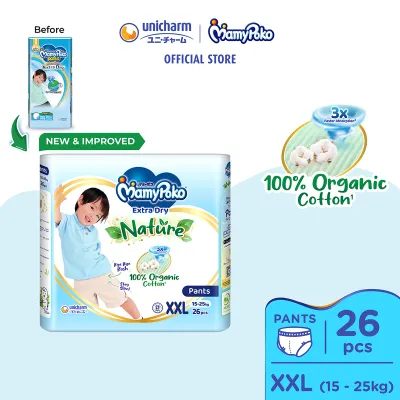
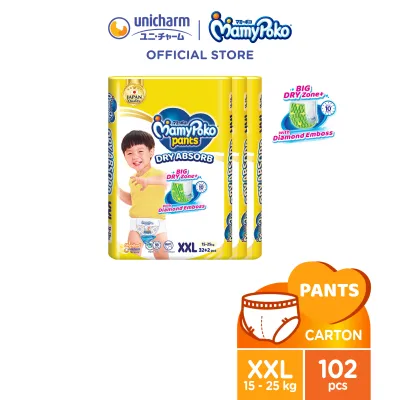
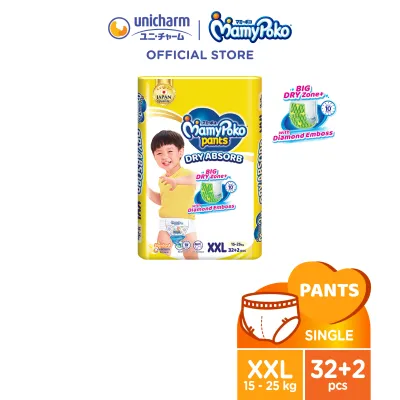
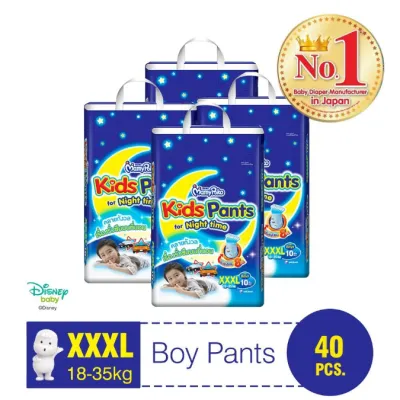
![[Carton Deal] MamyPoko Kids Pants for Night Time (XXL-XXXL)](https://img.lazcdn.com/g/p/e796067506554d3a97e995004b614fce.jpg_400x400q80.jpg_.webp)
![Mamypoko Airfit Japan Tape & Pants [Carton Sales] - NB to XXL sizes](https://img.lazcdn.com/g/p/c0b1edea94375e8da7368b87443b1644.jpg_400x400q80.jpg_.webp)
Prices are valid at publication and may change. Please refer to the product page for the latest price.
Singapore’s tropical climate adds another layer of complexity to diaper selection. High humidity and heat can trap moisture against a toddler’s delicate skin, increasing the risk of diaper rash and friction rubs. Parents must identify their child’s specific skin sensitivity triggers, such as reactions to certain materials, fragrances, or waistband adhesives. Additionally, highly active toddlers require waistbands with excellent stretch and recovery to prevent the diaper from slipping down or chafing during play.
Evaluating Absorbency and Leak Protection Claims
To make an objective comparison between Mummy Poko Pants XXL, Huggies, and Pampers, parents must learn to interpret manufacturer specifications rather than relying on generic marketing claims. Packaging labels often highlight proprietary terms like “absorbent channels,” “speed wave sheets,” or “dryness barriers.” To verify these claims, examine the physical interior of the diaper to see how the core is structured, looking for defined channels that help distribute liquid evenly rather than letting it pool in one spot.

Wetness indicators and material composition are also critical factors to check on the packaging. A reliable wetness indicator changes color to signal when a change is needed, which is highly useful for preventing over-saturation. Furthermore, check the label for details on material breathability, such as micro-pores or breathable outer covers, which allow hot air to escape. If your toddler has sensitive skin, look for certifications or labels indicating the absence of elemental chlorine, natural rubber latex, and added fragrances.
Physical design elements like leak guards require close inspection. Open a fresh diaper and check the height and elasticity of the inner leg cuffs. These guards should stand upright and wrap securely around the toddler’s thighs to create an effective barrier. If the leak guards lie flat or lack sufficient tension, liquid can easily bypass them, especially when the toddler is sitting, crawling, or sleeping on their side.
Real-world saturation limits will always vary based on your child’s unique output. Instead of assuming a diaper will last for the maximum hours claimed on the pack, observe how the diaper behaves after a few hours of wear. If the outer cover feels damp or the diaper sag heavily after a single wetting, it indicates that the core technology may not be matching your child’s output, signaling that a shorter changing frequency is required to maintain skin dryness.
Assessing Fit, Comfort, and Sizing in the XXL Range
As toddlers grow, their body shapes diverge significantly, meaning a diaper that fits one child perfectly might cause leaks or discomfort on another. When evaluating the XXL range, pay close attention to waistband elasticity and leg cuff designs. Pull-up style diapers, such as Mummy Poko Pants XXL, rely on gathered elastic threads around the waist to keep the diaper secure. Compare how easily these waistbands stretch and whether they return to their original shape without losing tension.
Weight guidelines printed on diaper packaging are useful starting points, but they should not be the sole factor in your decision. A toddler’s actual physical proportions, such as thigh thickness, hip width, and belly roundness, play a massive role in how a diaper fits. For instance, a toddler with chunky thighs may experience tight, restrictive leg cuffs in one brand, even if their weight falls comfortably within the recommended range on the pack, necessitating a size adjustment or a brand with a wider cut.
Identifying physical signs of a poor fit is essential for preventing skin damage and leaks. Check your toddler’s skin during diaper changes for deep red marks or indentations around the waist and thighs, which indicate the elastic is too tight or the cut is too narrow. Conversely, sagging in the crotch when the diaper is empty, gaps around the leg openings, or frequent side leaks are clear indicators that the diaper is too large or does not match your child’s body shape.
Active movements put diaper fit to the test. Observe your toddler while they bend, climb, and run to see if the waistband rolls down or if the diaper shifts out of place. A well-designed XXL diaper should move with the child, maintaining its position without restricting their natural range of motion. If you notice constant shifting or gaping during play, it is a sign that the diaper’s cut is incompatible with your toddler’s active movements.
Calculating True Value and Cost Per Diaper
To manage your household budget effectively, it is crucial to calculate the true cost per diaper rather than simply comparing the upfront price of a pack. Because XXL diapers contain fewer pieces per pack than smaller sizes, the unit cost is naturally higher. To find the true value, divide the total purchase price of the pack in S$ by the exact number of diapers inside, giving you a clear unit price to compare across brands.
Shopping habits in Singapore can significantly influence the final price you pay. Purchasing single packs at physical supermarkets offers immediate convenience but rarely provides the best value. In contrast, buying in bulk from official brand stores on local online marketplaces often unlocks substantial savings through bundle deals, seasonal promotions, and platform vouchers. Always calculate the unit cost after applying these discounts to determine the actual savings.
Balancing the upfront pack price against your daily changing frequency is key to understanding long-term value. A lower-priced diaper pack might seem economical, but if those diapers require more frequent changes due to lower absorbency or sagging, you will consume more pieces daily. Conversely, a slightly more expensive diaper that keeps your toddler dry for longer periods may reduce your overall daily consumption, resulting in better value over time.
Additionally, factor in practical constraints such as shipping fees and home storage space. Bulk buying is highly cost-effective, but Singapore apartments often have limited storage space for multiple large boxes of diapers. Ensure that any bulk purchase savings are not offset by high delivery charges or the inconvenience of storing excess inventory, and consider setting up subscription services with official retailers to secure consistent pricing without overloading your home.
Decision Framework: Matching the Brand to Your Toddler's Routine
Choosing the right diaper brand involves matching your observations of your toddler’s body shape, skin sensitivity, and daily routine to the specific design characteristics of each brand. If your toddler is highly active, has a rounder belly or chunky thighs, and benefits from a soft, highly stretchable waistband that minimizes red marks, Mummy Poko Pants XXL is a strong candidate to test. Verify that its absorbency meets your child’s daily output through consistent monitoring.
If your daily routine or your child’s skin requires specialized features, you may want to look toward the premium lines of Huggies or Pampers. These brands often feature specific core technologies, dermatological certifications, or pediatrician-recommended materials designed for highly sensitive skin. If your child is prone to eczema or severe diaper rash, verifying these premium material claims on the packaging can help you select a diaper that minimizes skin irritation.
Keep in mind that neither brand may provide a perfect fit if your toddler is currently transitioning between weight ranges. If you experience persistent side leaks, sagging, or skin irritation across all standard options, your child might be temporarily between sizes. In such cases, adjusting the fit manually, changing the diaper more frequently, or exploring alternative specialty brands may be necessary until your child grows into the next size bracket.
Before committing to bulk purchases of any XXL diaper brand, always verify the fit and performance by starting with a small trial pack or a single pack. This allows you to test the diaper’s absorbency, waistband stretch, and skin compatibility under real-world conditions in Singapore’s humid climate without making a significant financial commitment. Once you have confirmed that a specific brand keeps your toddler dry and comfortable, you can confidently transition to bulk buying.
Frequently Asked Questions (FAQ)
When should I transition my toddler to XXL diapers?
You should consider transitioning your toddler to XXL diapers when their weight approaches the upper limit of their current size, or when you observe physical signs of a poor fit. These signs include deep red marks or elastic indentations around your child’s waist and thighs, the waistband sitting too low on the hips, or the diaper failing to cover their bottom fully. Frequent leaks, especially when the diaper is not completely saturated, also indicate that the current size no longer has the capacity or coverage required for your toddler’s growing body. If your child’s growth curve or body shape makes sizing difficult, consult a pediatrician or child health professional for personalized guidance.
Can I mix different diaper brands for day and night use?
Yes, mixing different diaper brands for day and night use is a highly practical and cost-effective strategy for many parents. You can use a lighter, highly breathable, and more flexible diaper during the day when changes are frequent and your toddler is active, which helps prevent heat rash in Singapore’s humid climate. For overnight sleep, you can switch to a high-capacity, specialized diaper designed specifically to handle long stretches of wetness without leaking. When adopting this approach, monitor your toddler’s skin closely to ensure they do not develop sensitivities or friction rubs from switching between different materials and waistband designs throughout the day.

Community discussion
Share your experience or ask a question. Comments are reviewed before publication.